

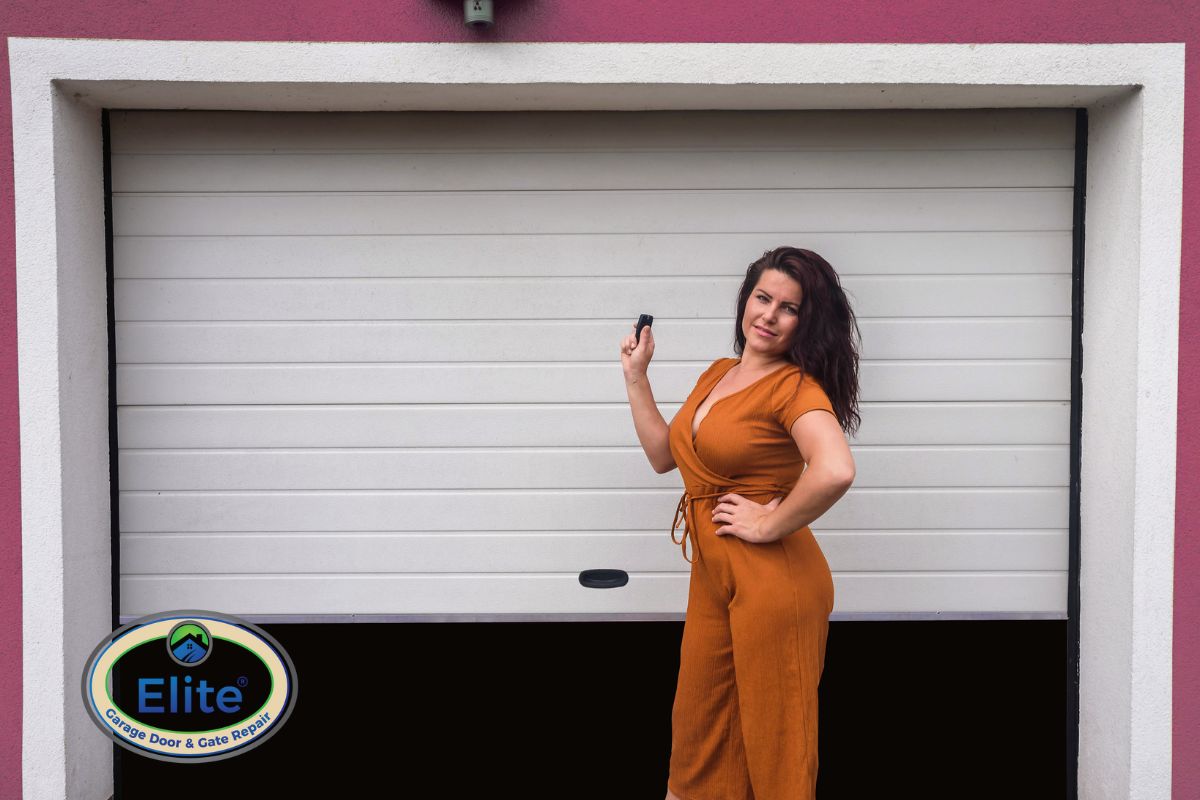
Few garage door problems are as confusing as pressing the remote and getting no response at all. There is no noise, no movement, and no clear indication of what went wrong. Many homeowners immediately assume the opener is broken, but in reality, a garage door that does not respond to the remote can fail for several very different reasons.
Sometimes the issue is simple. Other times, it signals a deeper problem with the opener system, wiring, or door balance. Understanding the real cause helps avoid unnecessary replacements and prevents repeated frustration.
When a garage door does not respond to the remote, the issue is usually not the door itself. It is almost always related to communication between the remote, the opener, and the control system.
The key difference in this situation is that the door is not reacting at all. That tells us the system is not receiving or processing a valid command.
The Most Common Reasons a Garage Door Remote Stops Working
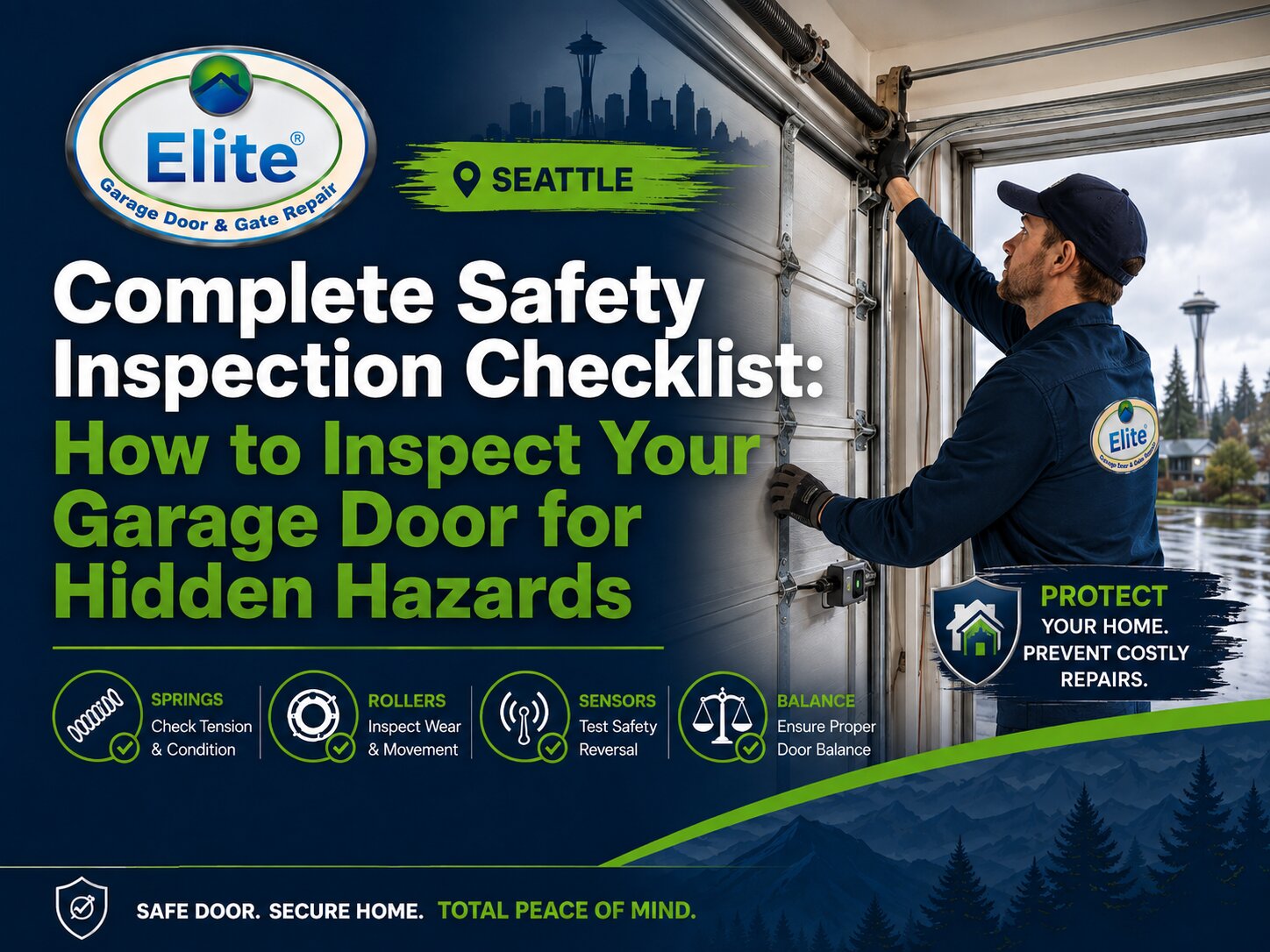
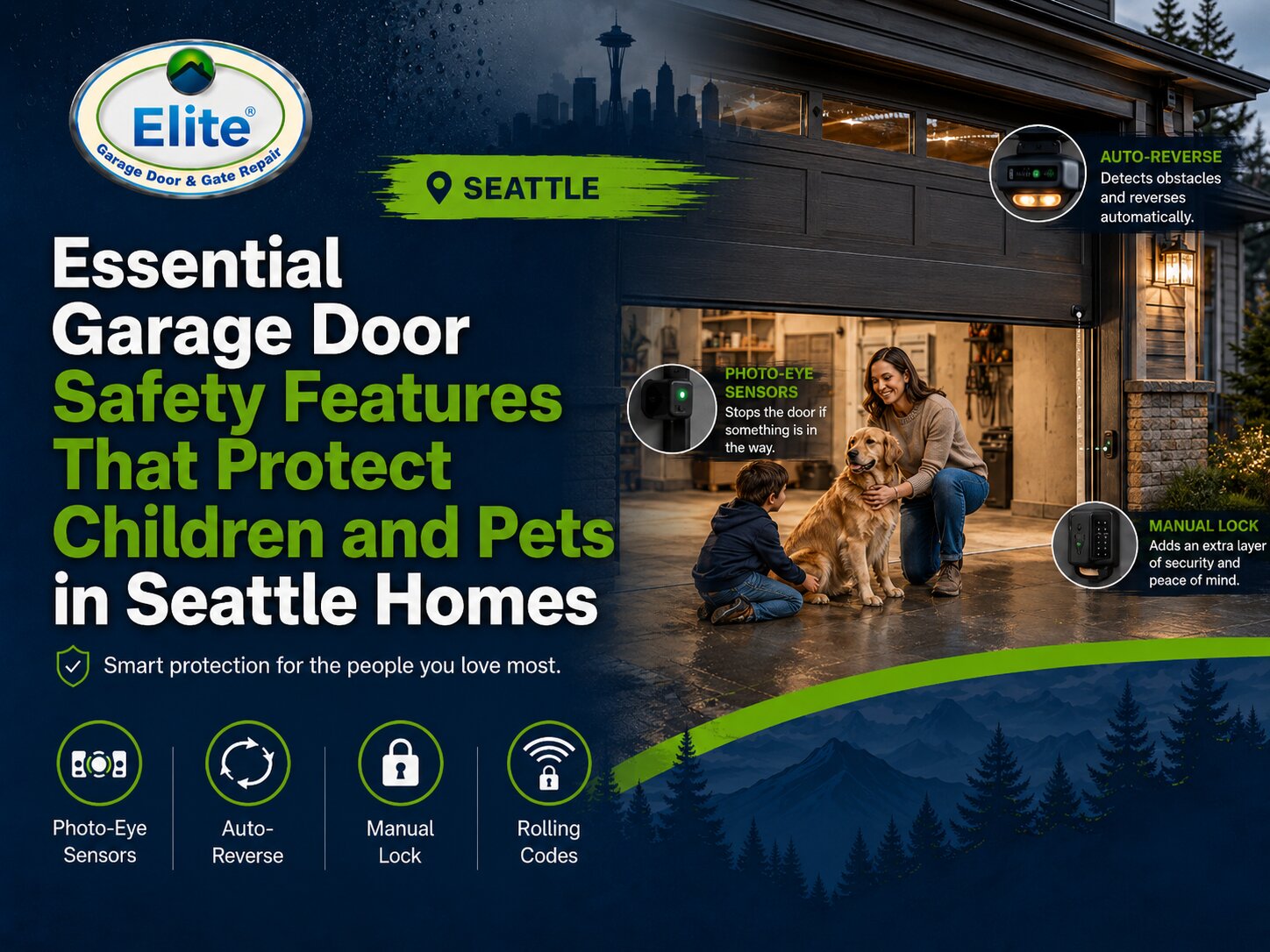
Make Sure The Safety Features Work Properly
When the Problem Is the Wall Button or Wiring
If the wall button also fails to operate the door, the issue is likely not the remote.
Wiring problems, loose connections, or damaged wall controls can interrupt communication with the opener. In some cases, the wall button may be stuck internally, preventing new commands from being recognized.
This type of failure often requires professional diagnosis to trace the wiring safely.
How the Opener Itself Can Cause Remote Failure
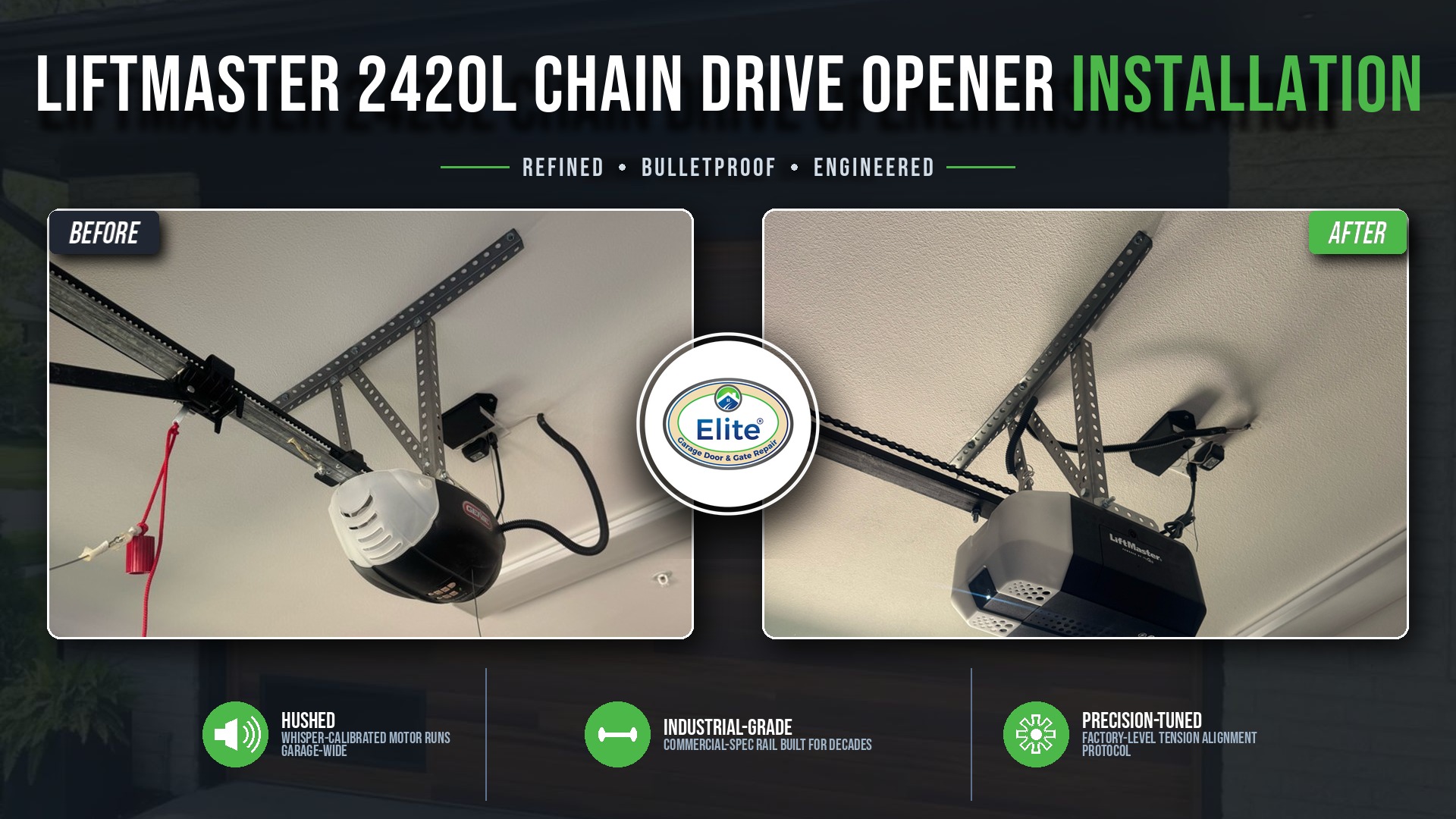
Sometimes the remote is working correctly, but the opener is not responding.
When Mechanical Problems Affect Remote Response
In some cases, the opener receives the command but refuses to operate because it senses resistance or imbalance.
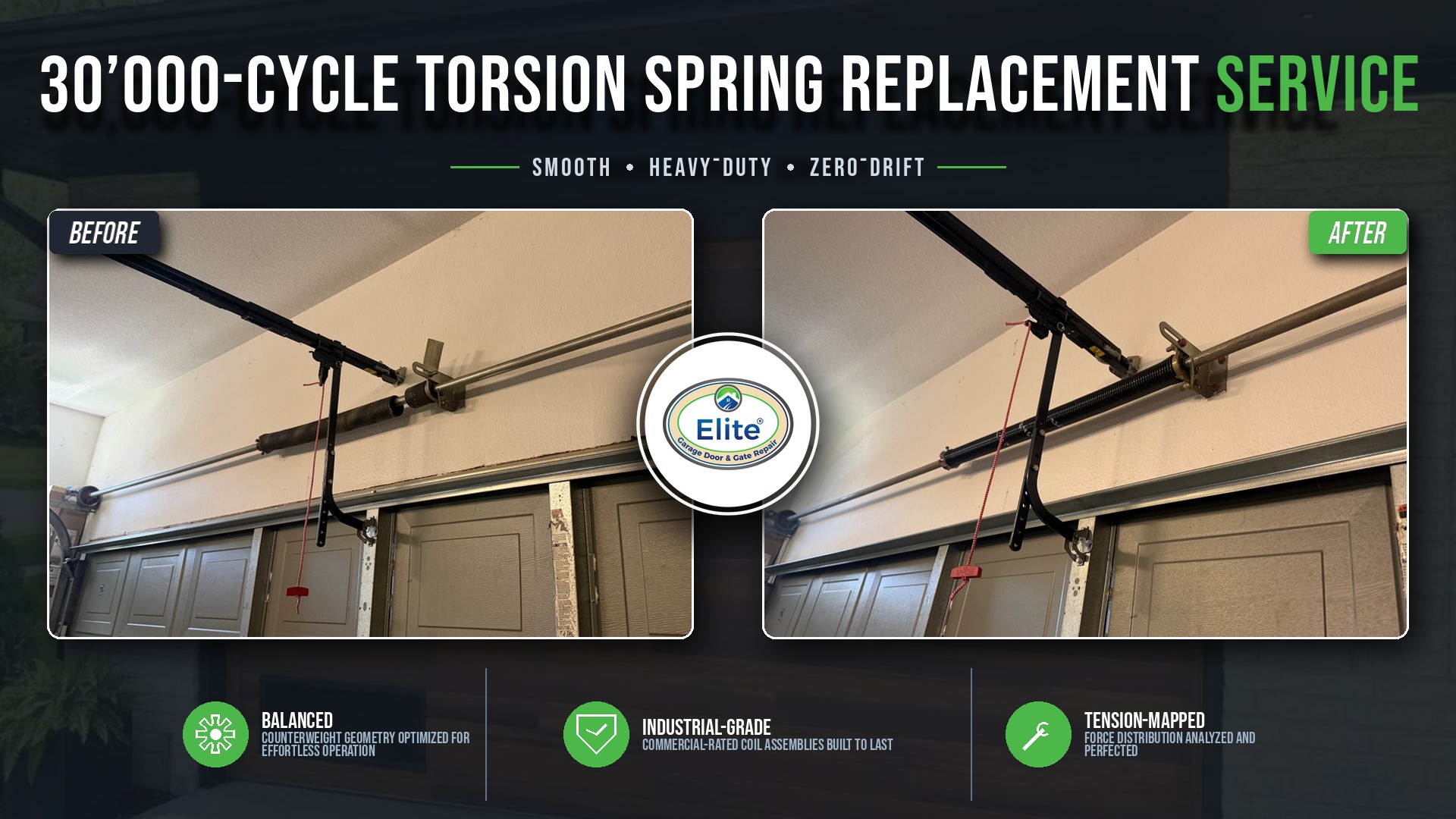
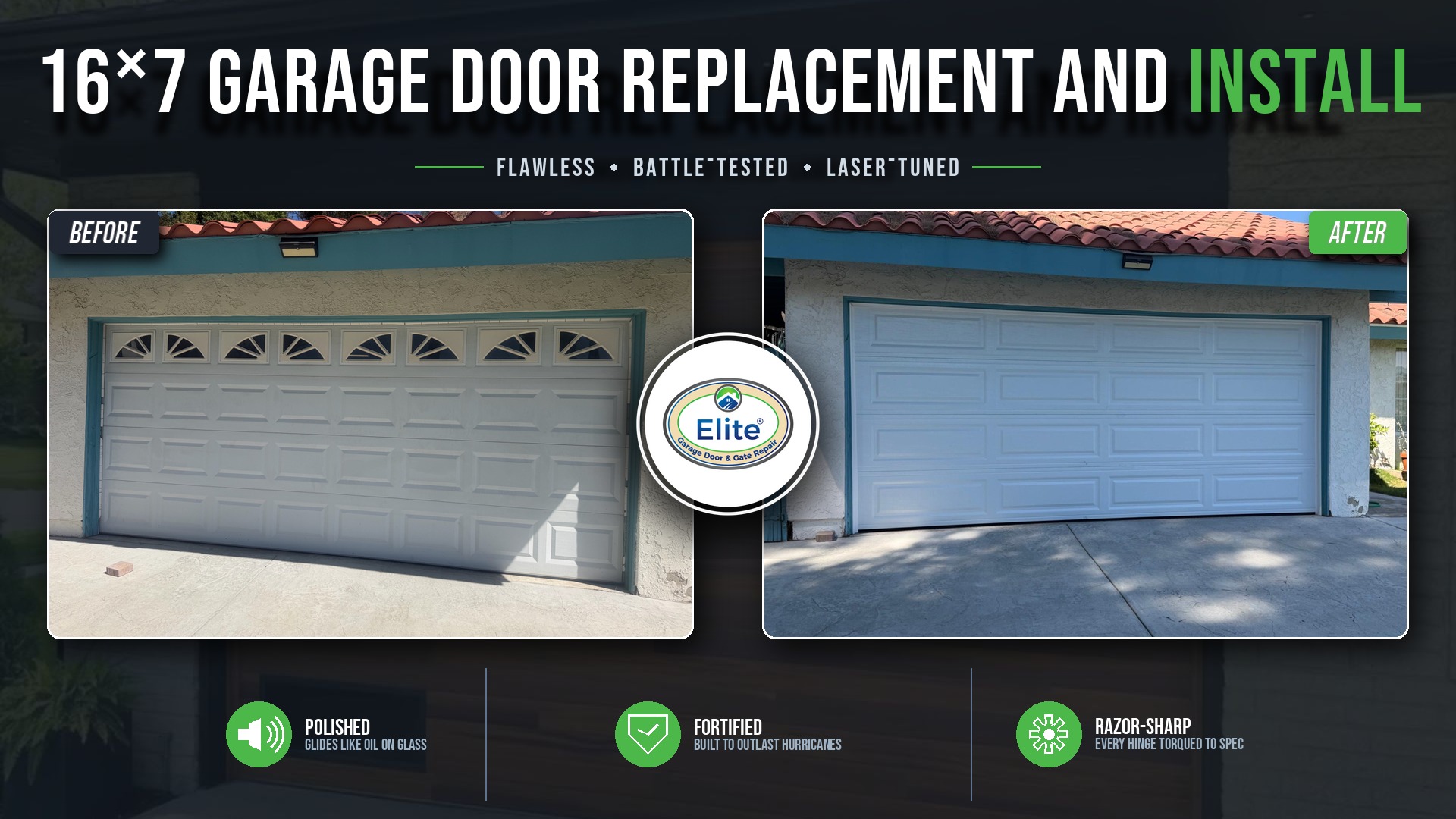
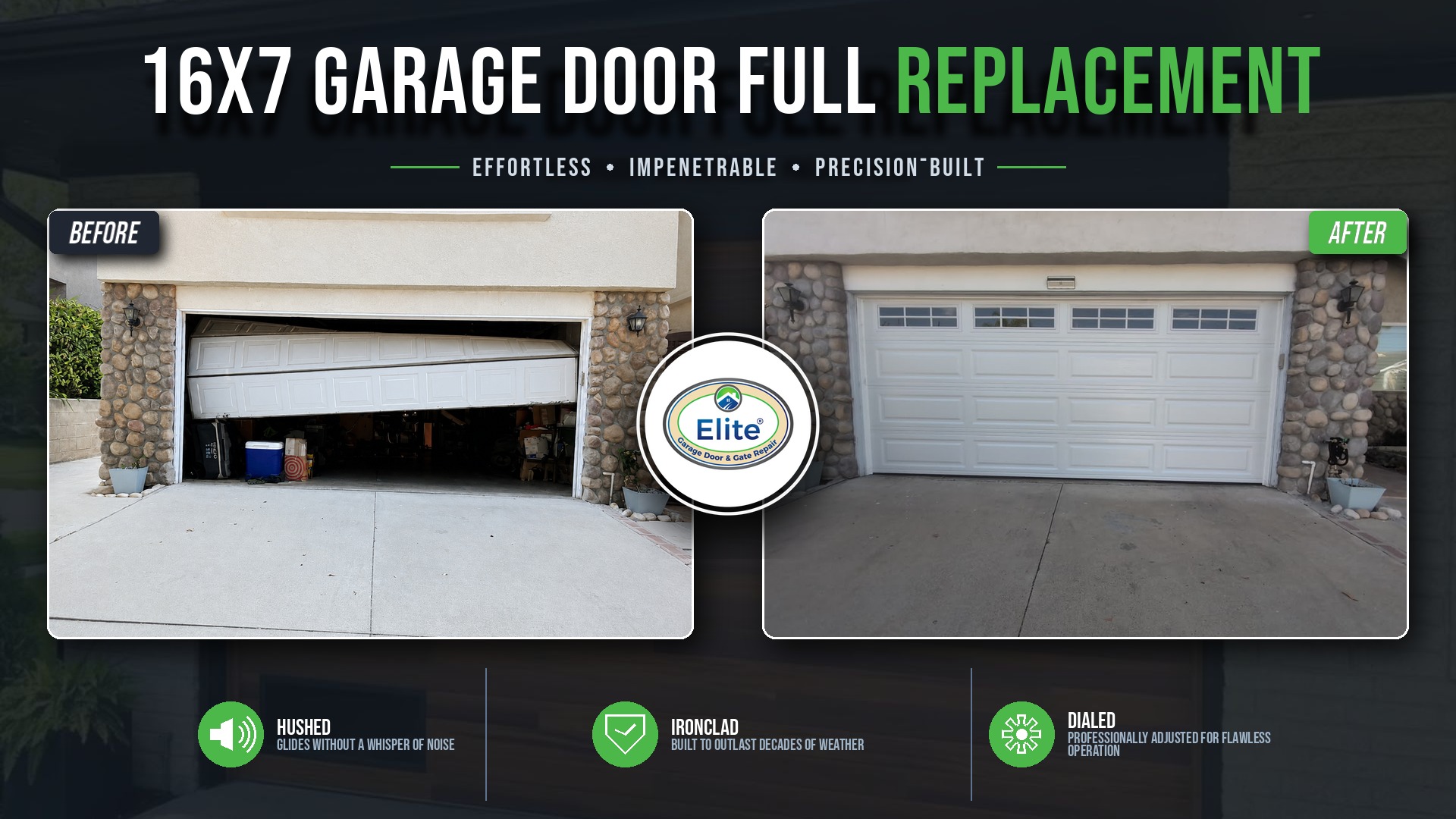
If the door is too heavy, off balance, or encountering resistance, the opener may ignore remote input to protect itself. This can make the problem appear electrical when it is actually mechanical.
If your door has shown other symptoms recently, such as uneven movement or stopping mid cycle, this related article explains how opening issues often connect: Reasons Garage Door Opening Problems Happen

Should You Keep Trying the Remote Repeatedly
If the opener is struggling or detecting a fault, repeated commands can strain internal components. If nothing happens after a few attempts, it is best to stop and identify the cause.
When Professional Repair Is the Right Choice
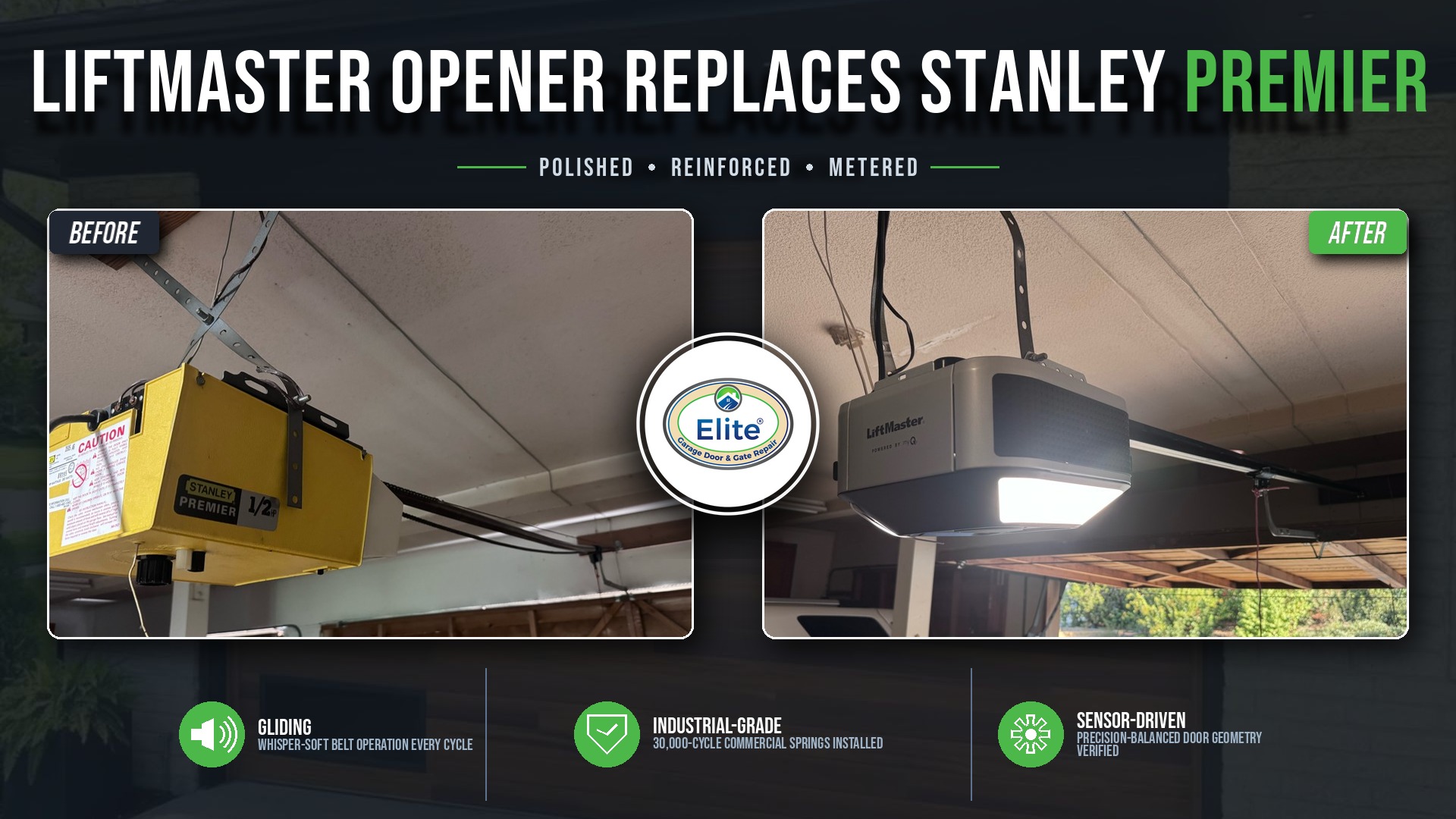
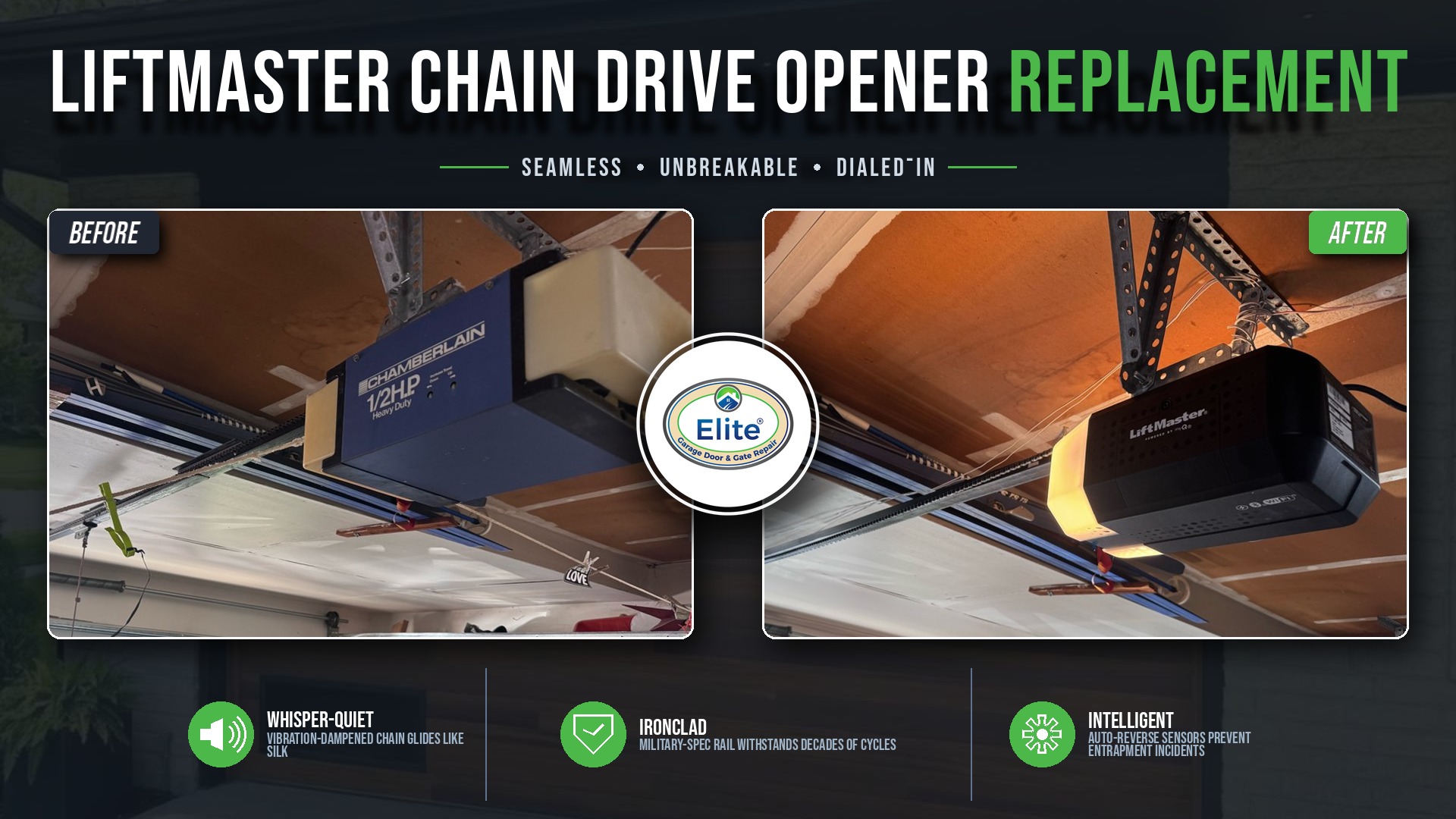
If basic checks do not restore operation, professional Garage Door Opener Repair is often the safest and most effective solution.
A technician can test signal reception, inspect wiring, verify opener logic, and confirm the door balance is not preventing operation. This prevents replacing parts unnecessarily and ensures the real issue is addressed.
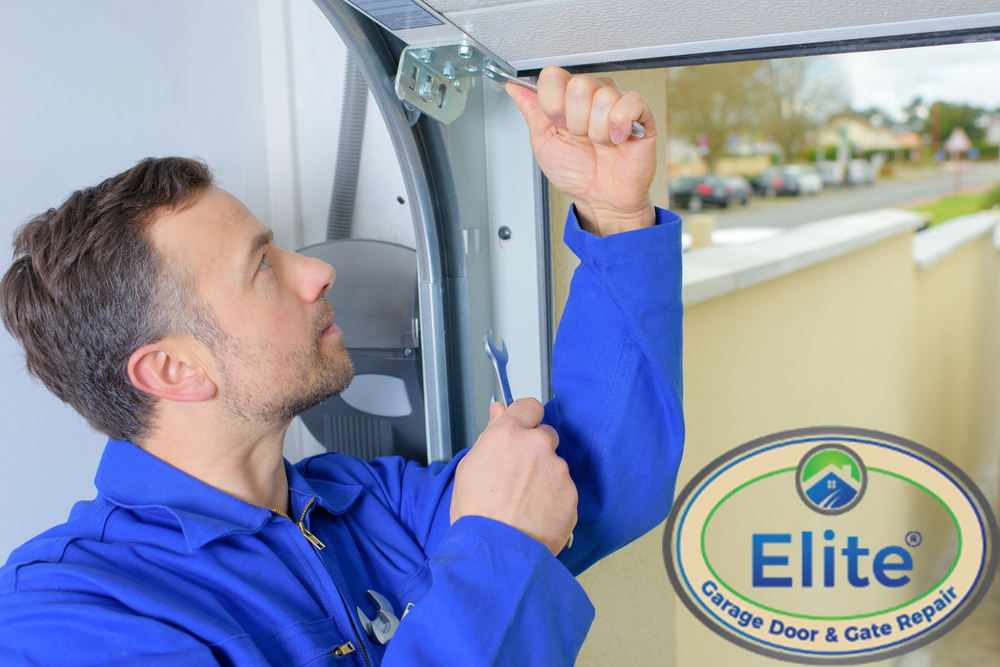
What a Technician Will Typically Check
This systematic approach avoids guesswork and reduces repeat failures.
Common Questions About Garage Door Remote Problems
Many homeowners ask whether a remote problem means the opener needs replacement. In many cases, the answer is no.
This FAQ explains common opener failures and what they usually indicate: Why Will My Garage Door Opener Not Operate?
How to Reduce the Risk of Remote Failure
Keeping remotes dry, replacing batteries regularly, and avoiding electrical surges helps extend their lifespan. Updating older opener systems also improves reliability and security.
If your opener is more than ten years old, modern systems are far less prone to signal interference and communication issues.
Final Thoughts
A garage door that does not respond to the remote is not always a sign of a broken door. In most cases, the problem lies with communication, power, or control logic.
Understanding whether the issue is simple or systemic helps avoid unnecessary replacements and restores reliable operation faster. When basic checks do not solve the problem, professional inspection is the safest next step.