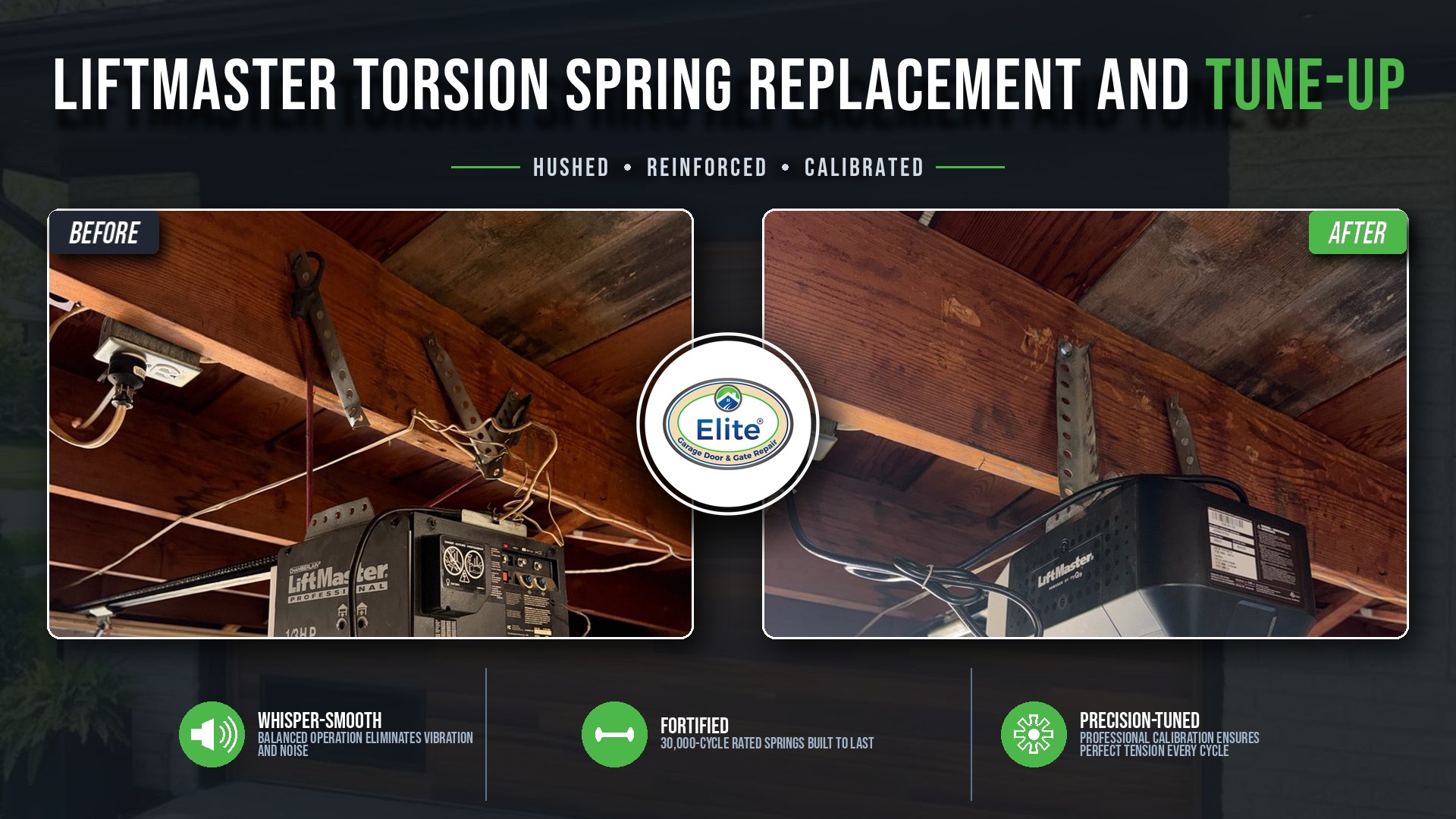


Seattle winters are not usually about deep snow for months, but they are about cold mornings, damp air, storms, and wet grime that sticks to everything. Those conditions make garage doors feel rougher, louder, and sometimes unpredictable.
If your door works fine most of the year but starts hesitating in winter, it’s usually because cold and moisture magnify friction and expose weak points like worn rollers, aging springs, or dirty tracks.
Winter maintenance is not about doing a lot. It’s about doing the few things that prevent the most common winter failures: doors sticking, openers straining, sensors acting inconsistent, and springs snapping during cold snaps.
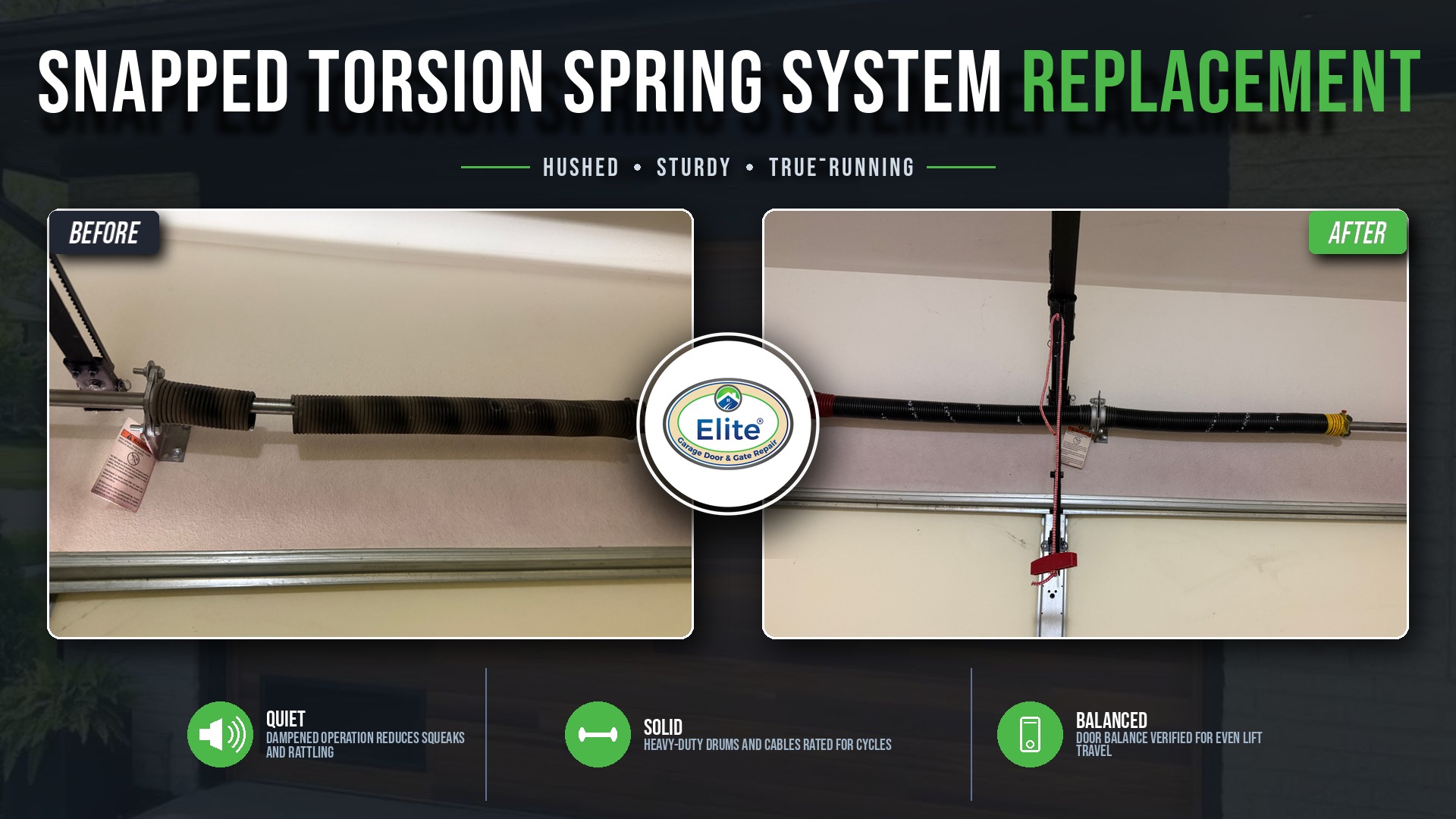
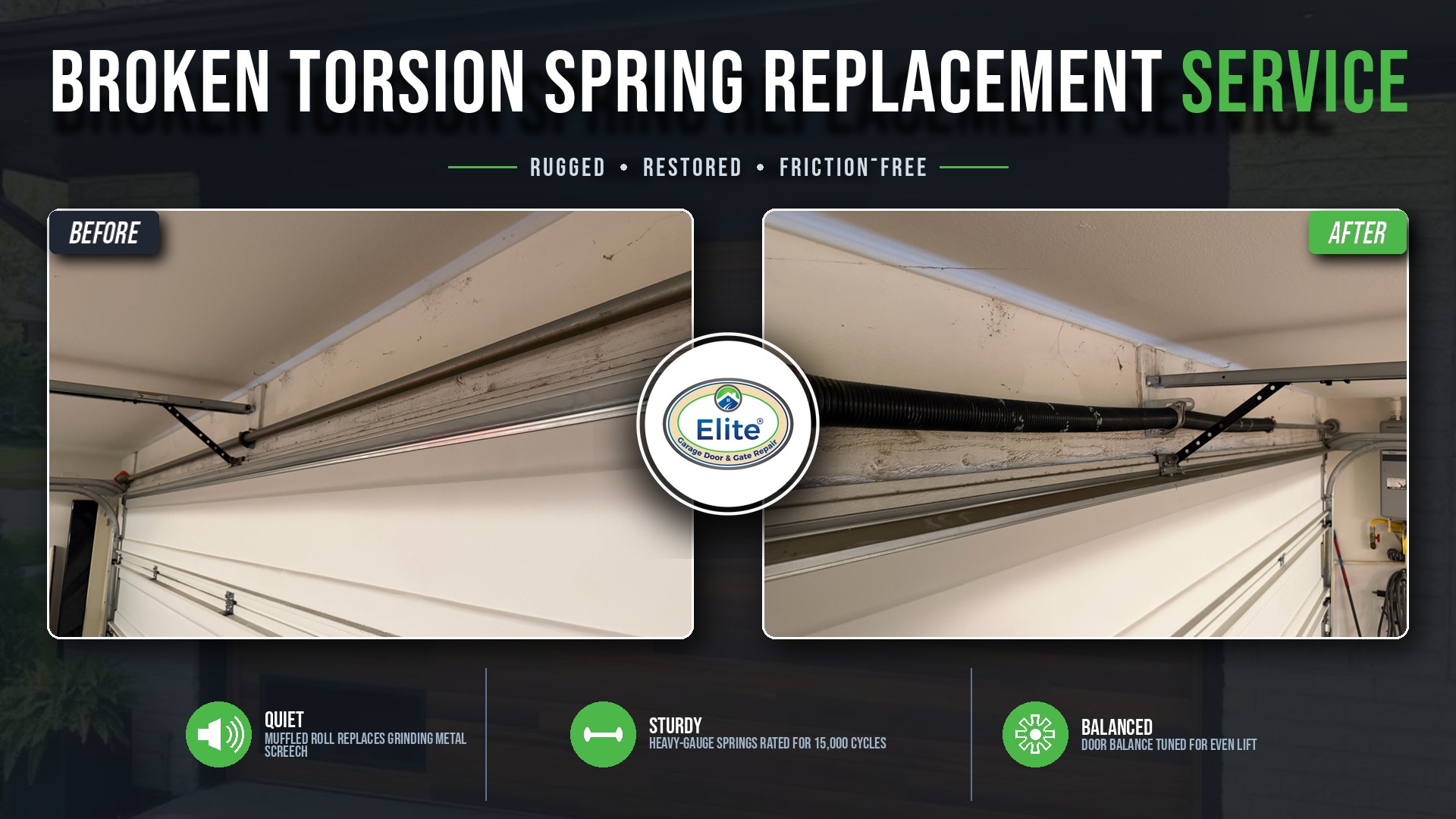
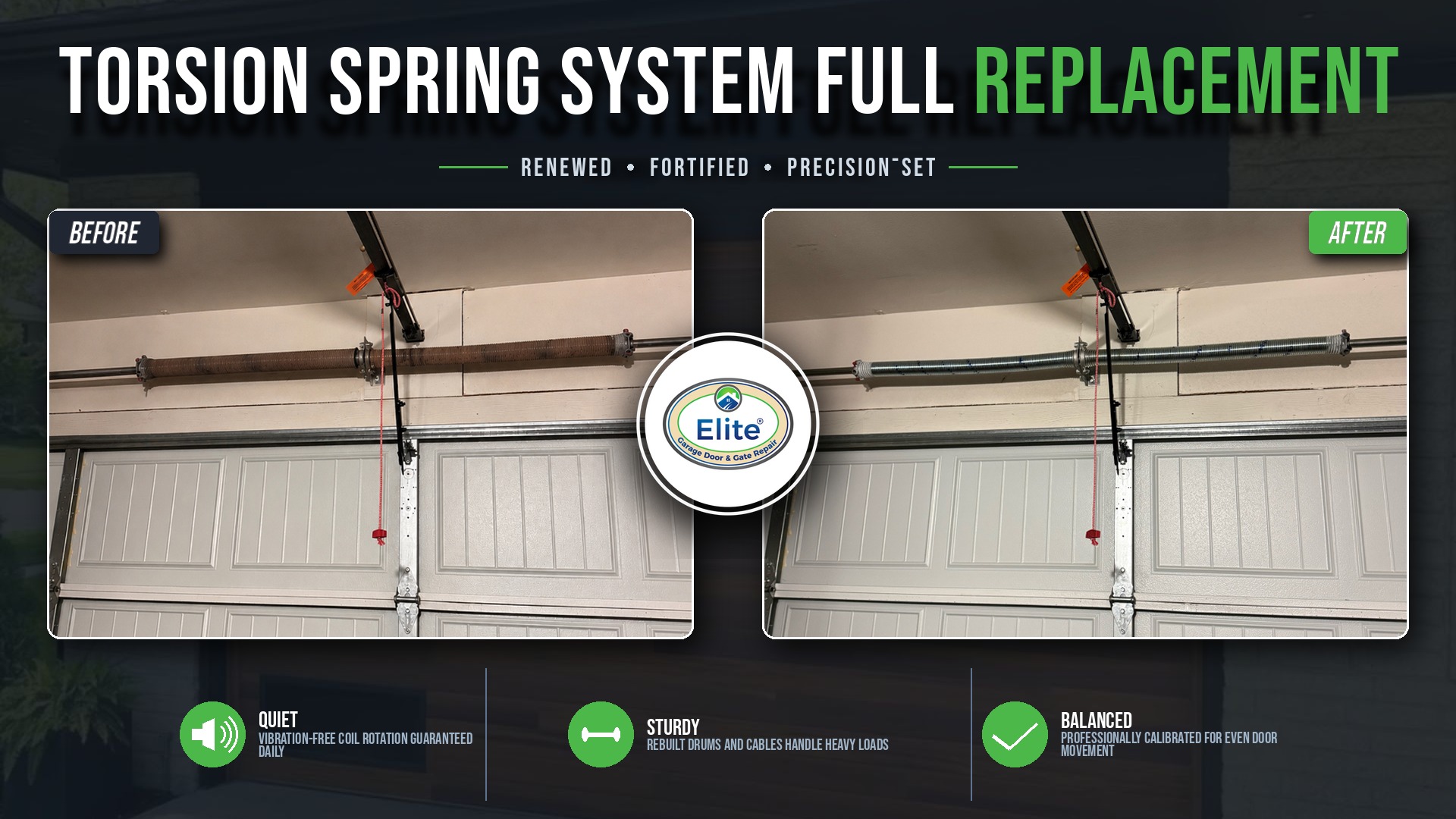
Cold weather tends to reveal spring fatigue. Springs are under constant tension, and when temperatures drop, metal contracts slightly. Springs that are already near the end of their life are more likely to break during cold snaps, often overnight.
Before winter ramps up, do a simple balance check by disconnecting the opener and lifting the door manually. A healthy door should not feel extremely heavy, and it should stay near the halfway point without dropping quickly.
If the door feels heavy or unbalanced, don’t push through winter hoping it holds. The correct fix is Garage Door Spring Repair, because a heavy door in winter is how openers get damaged and springs break at the worst time.
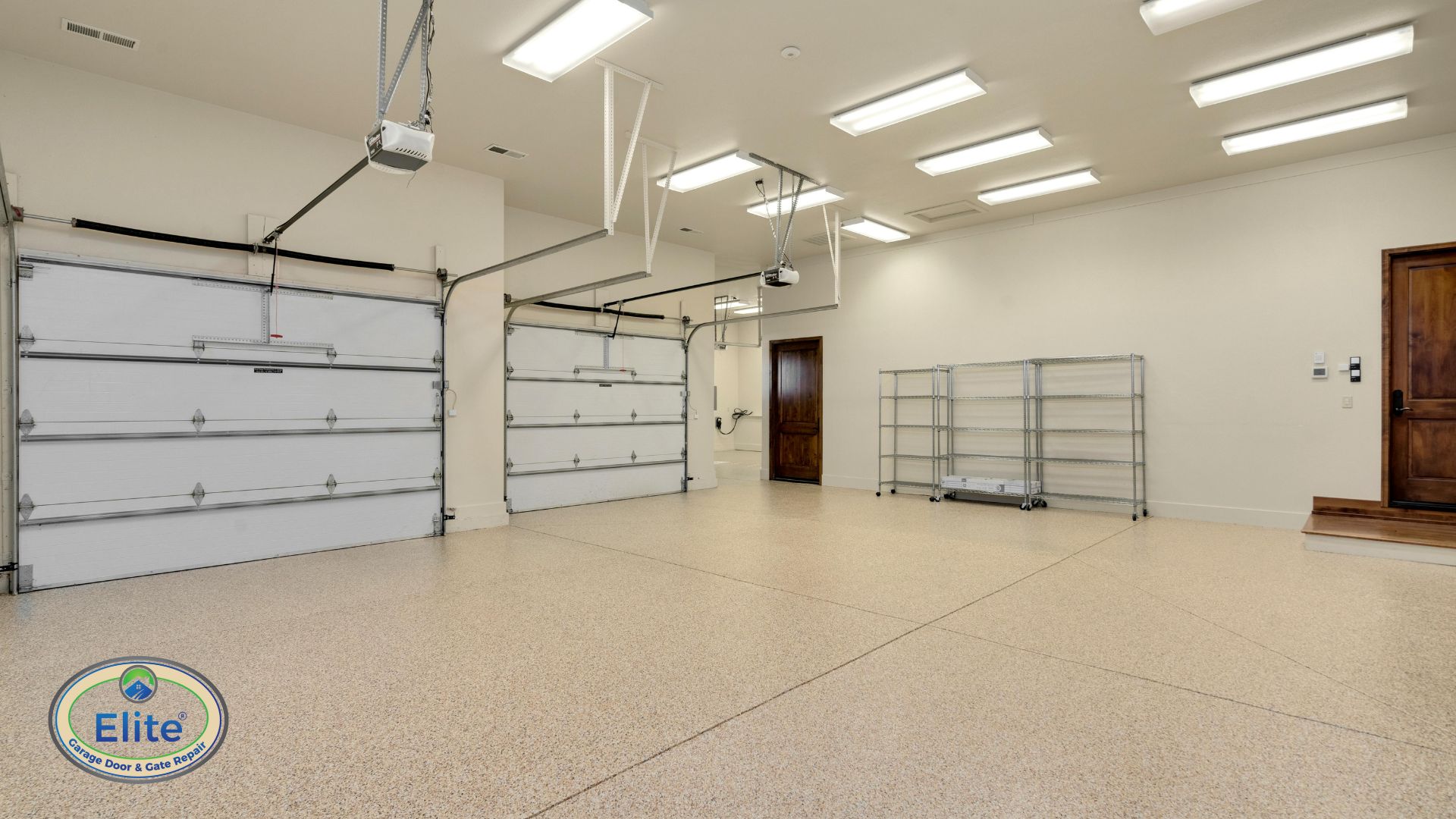
Clean Tracks And Reduce Friction Before Rain Turns Grime Into Drag
Winter grime in Seattle is a mix of wet dirt, small debris, and moisture that collects in the lower track areas. When that grime hardens or becomes sticky, rollers stop moving smoothly and start dragging. The door may wobble, hesitate, or sound like it’s grinding.
Track cleaning should be simple. Wipe out the lower track sections and remove debris that has collected near the door threshold. Focus on clean track travel, not greasy track surfaces.
Then lubricate moving parts correctly. Hinges, roller bearings, and springs benefit from light lubrication. Tracks should stay clean rather than heavily lubricated, because grease in tracks attracts dirt and makes buildup worse.
If you want the system-based approach that includes winter-ready cleaning and lubrication, use Garage Door Maintenance.
Pay Attention To Rollers During Winter
Rollers take the brunt of winter friction. When rollers are worn, cold weather makes them louder and rougher because lubrication thickens and movement becomes less forgiving. Worn rollers can create vibration that loosens hardware and stresses tracks.
If the door shakes during travel or you hear grinding that seems to move along the track, rollers may be worn. Replacing them before winter becomes harsh often prevents bigger issues.
The direct repair link for that is Replacement Rollers.
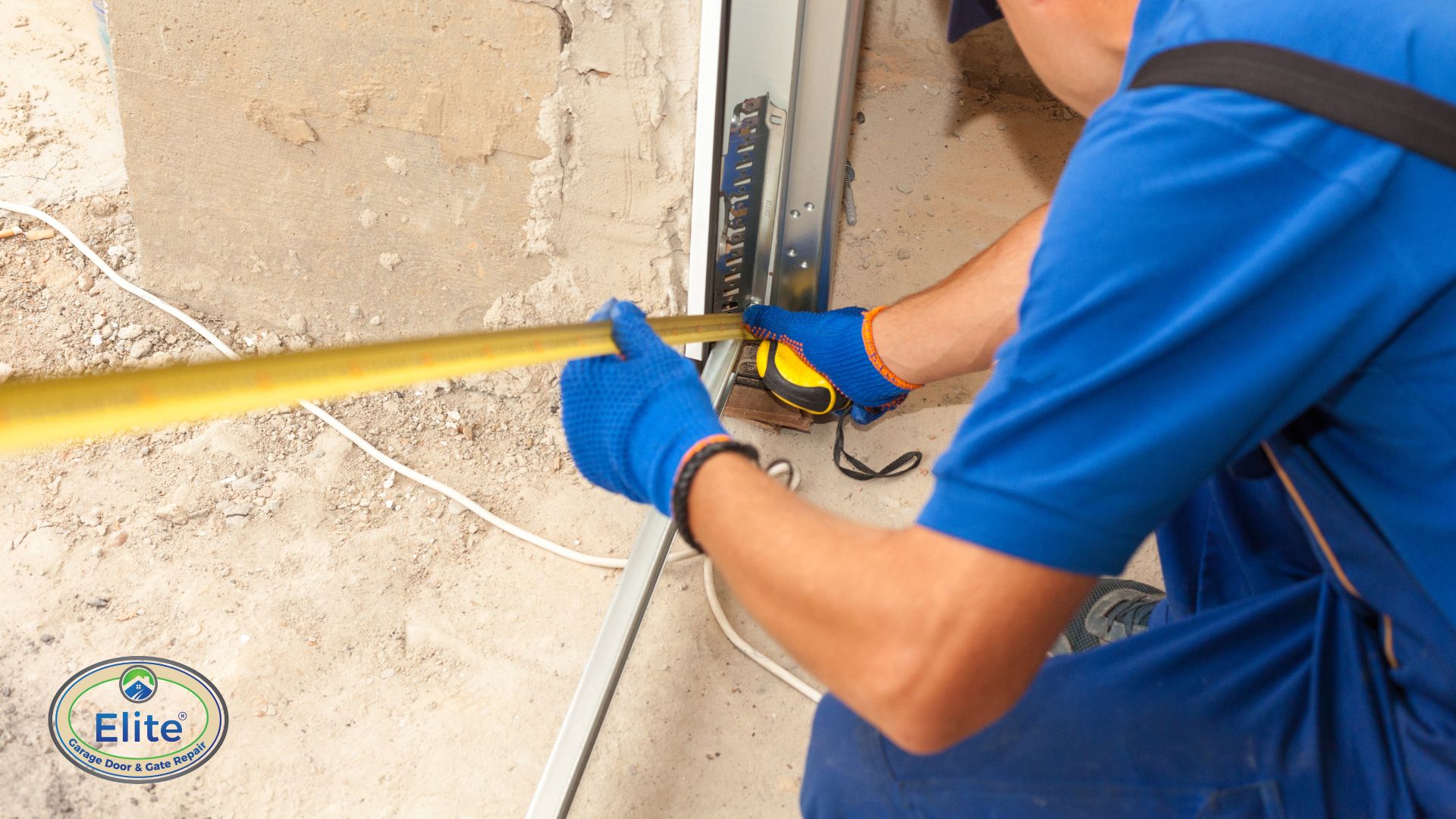
Protect Sensors From Moisture And Low Light Issues
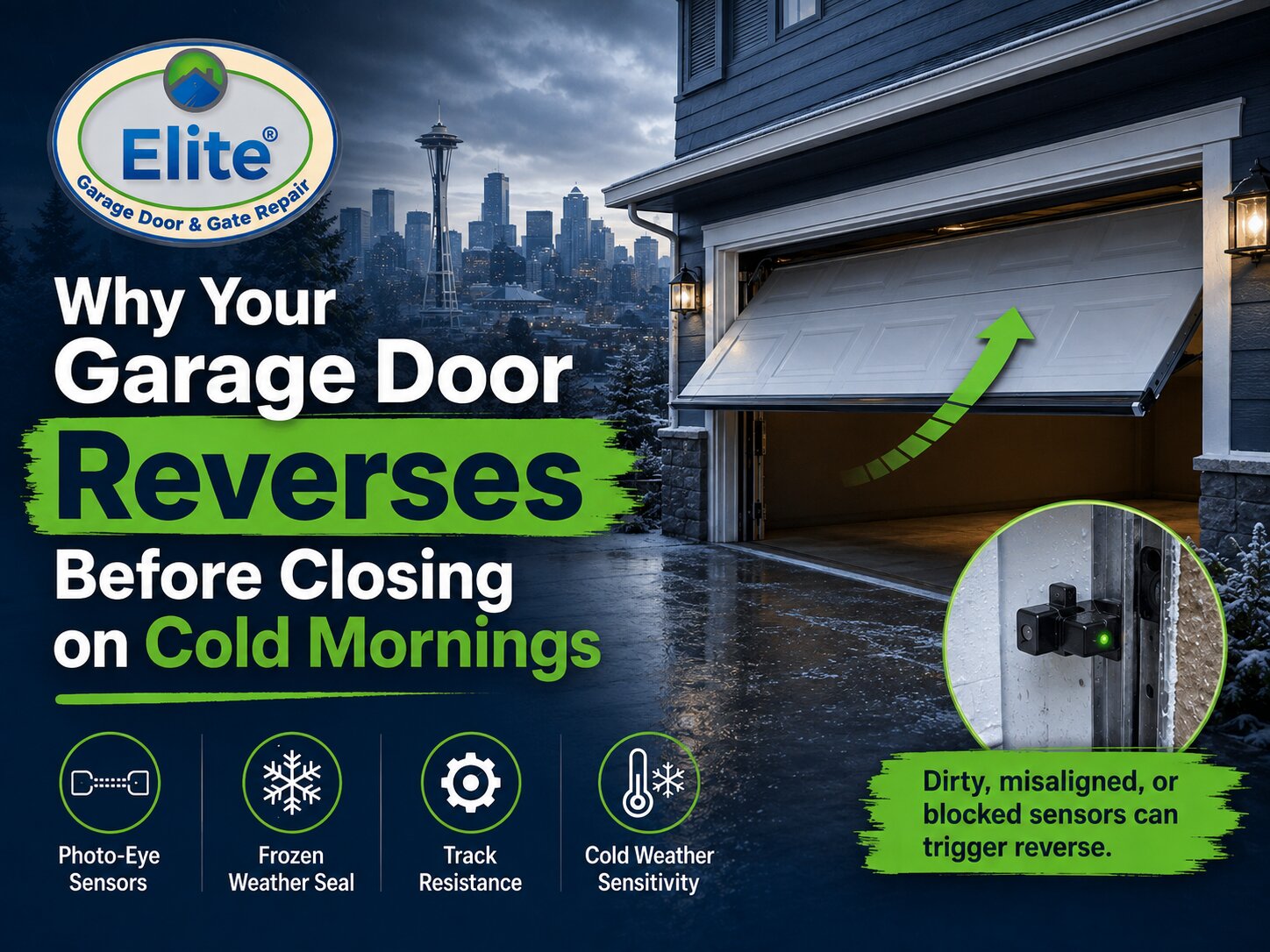
Safety sensors are sensitive, and winter conditions make problems more common. Moisture can fog lenses. Dust can stick to lenses more easily. And low winter sun angles can interfere with sensor beams in certain garages, especially in the afternoon.
If the door closes and then reopens, or refuses to close consistently during winter, sensors are one of the first things to check. Clean the lenses gently and make sure sensor lights are steady.
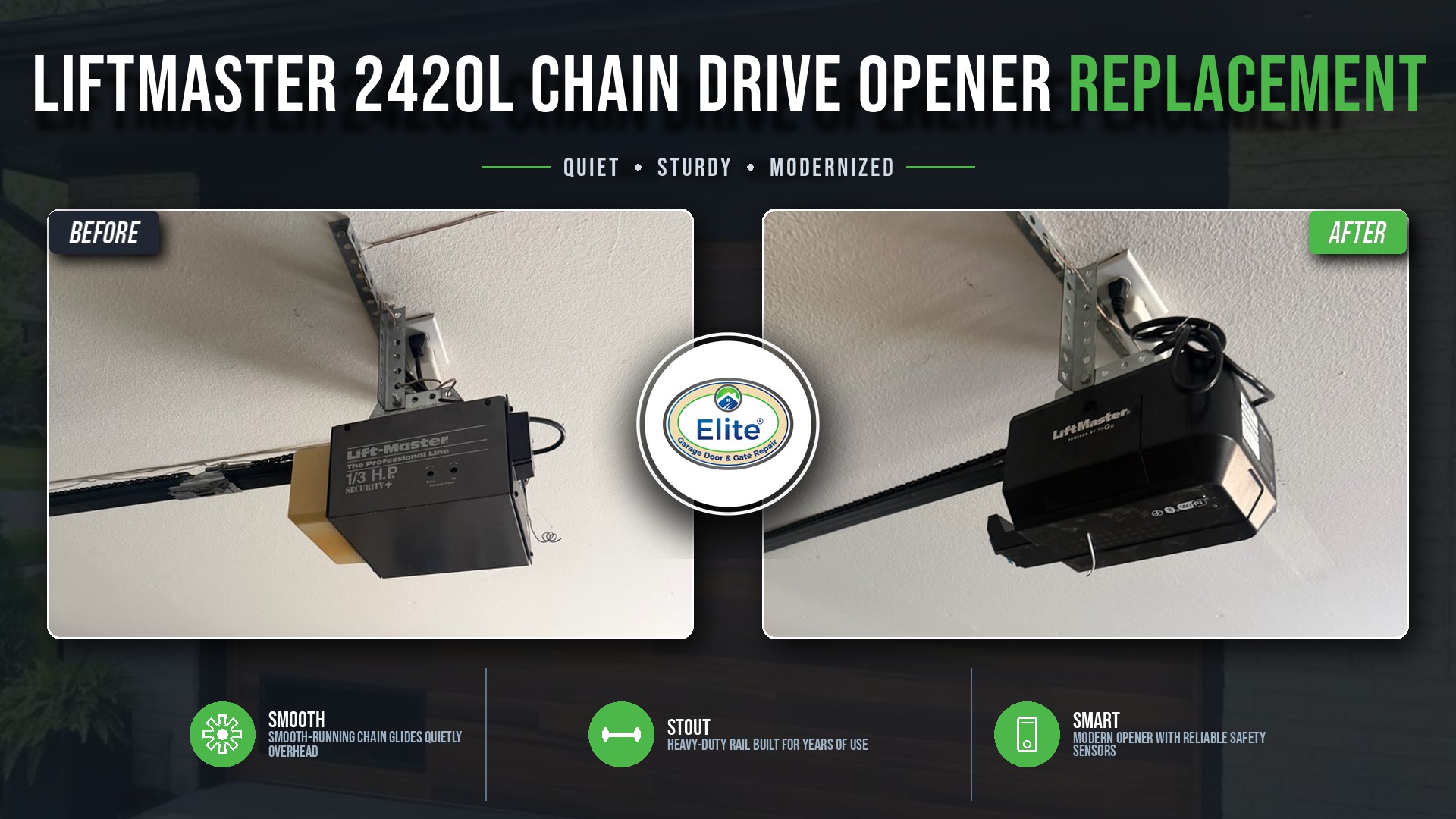
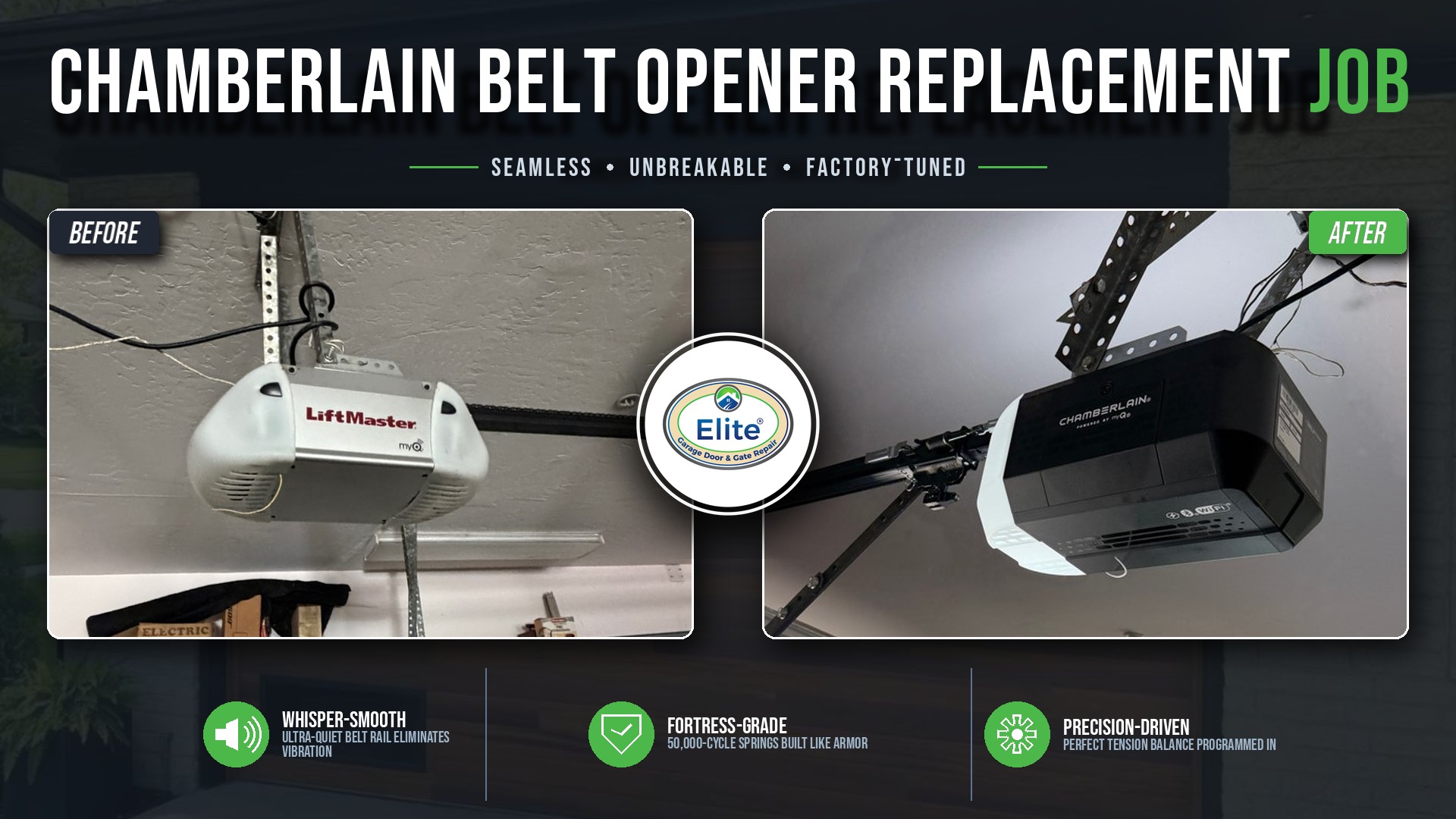
If problems persist, the opener may be reacting to resistance or safety sensor faults. In that case, professional diagnosis through Garage Door Opener Repair is the right step.