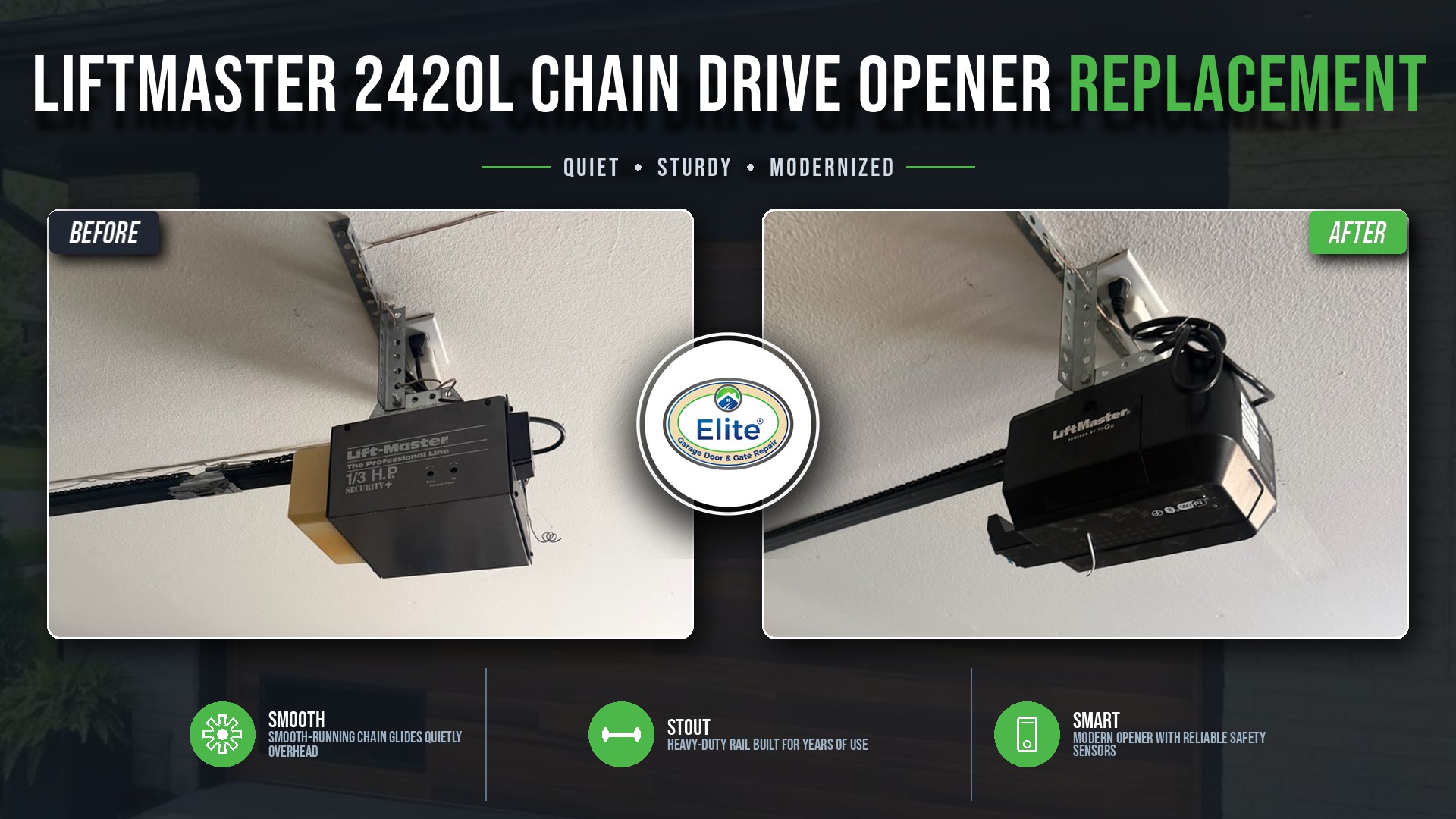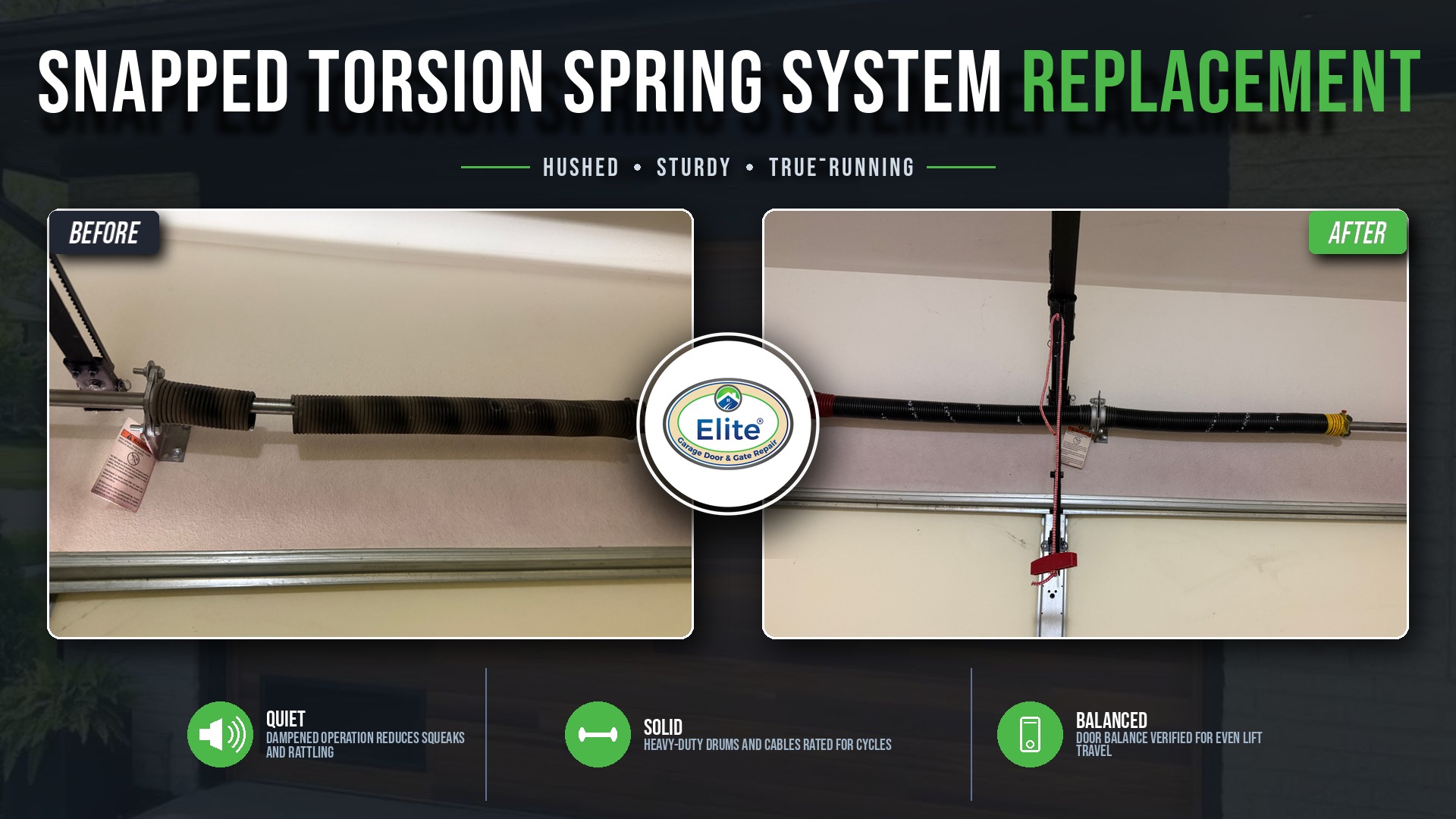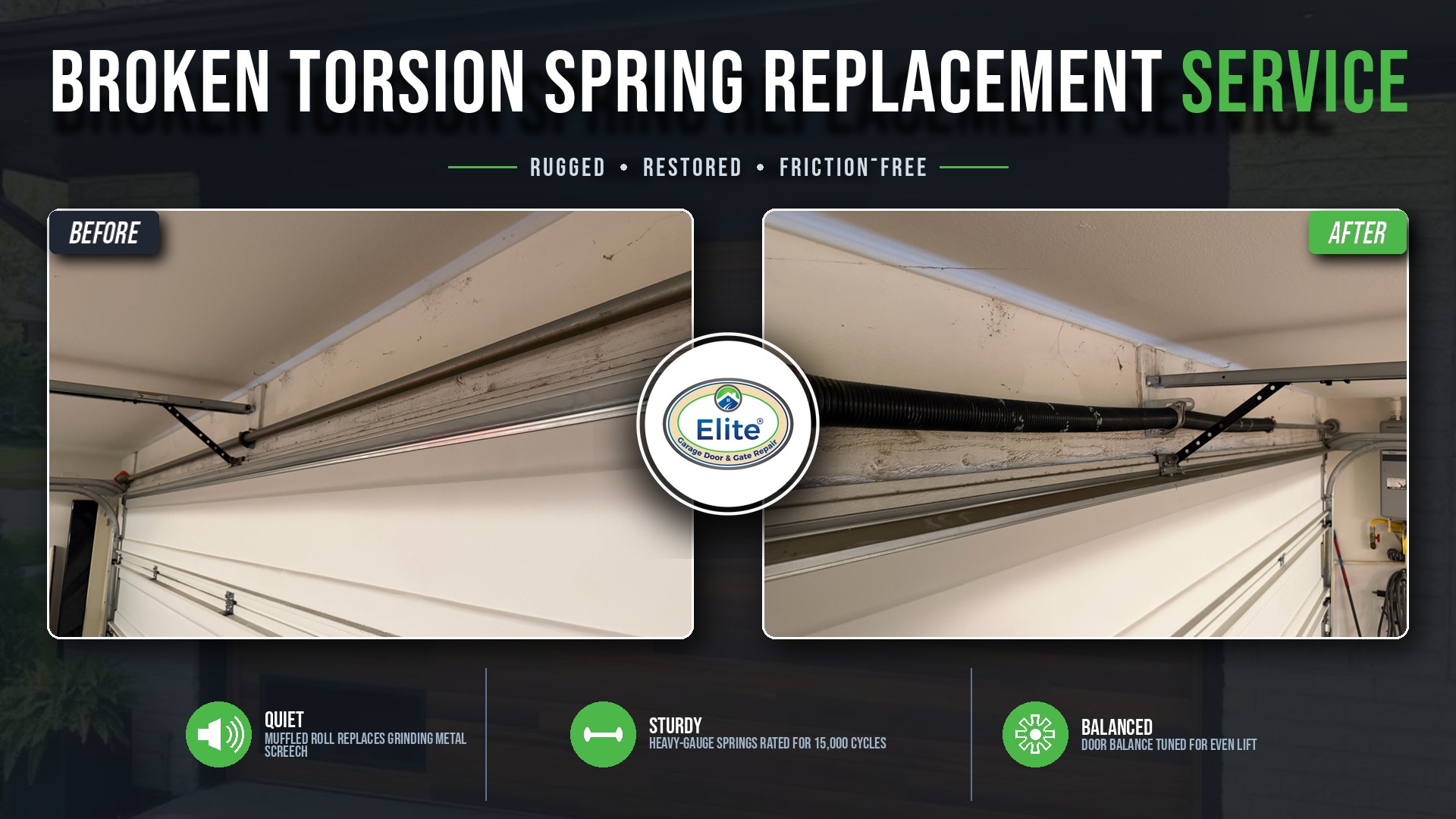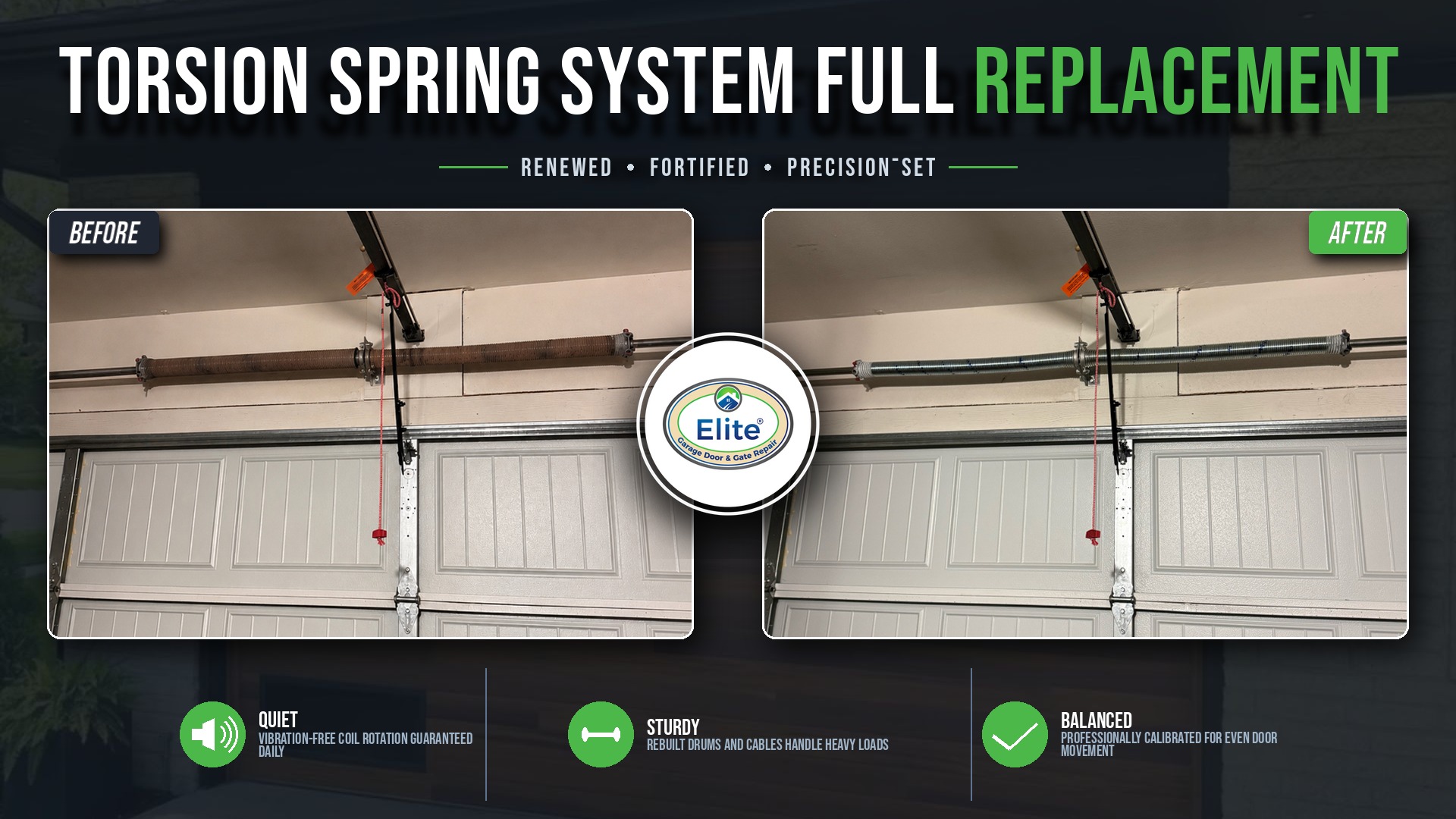


Garage door noise is one of those things homeowners tolerate until it becomes impossible to ignore. At first it’s a squeak, then it’s a grind, then it’s a loud rattle that makes the whole house notice when the door moves. The problem is that noise is not just a comfort issue.
Noise is usually the first warning sign that friction, wear, or imbalance is building inside the system.
Reducing garage door noise means identifying the source, reducing friction, and making sure the door is balanced so the opener is not straining. If you handle it properly, you usually get two benefits at once: a quieter door and a longer-lasting system.
In King County, moisture plays a big role. Damp air contributes to corrosion on hinges and roller stems, and wet grime collects in tracks. That combination often leads to squeaks, grinding, and rattling that gets worse during rainy months.
Noise usually comes from a few categories:
The key is not guessing. It’s noticing where the sound is coming from and whether it repeats at a specific spot during movement.

The Most Common Noise Sources In Seattle Homes
Lubrication Helps, But Only When Done Correctly
A lot of people try to fix noise by spraying lubricant everywhere. That often creates a short-term improvement and long-term mess. Tracks should be clean, not greasy. Lubrication should go on moving joints and bearings, not as a blanket coating.
If you want the correct system routine that covers lubrication, tightening, inspection, and testing, use Garage Door Maintenance.
Worn Rollers Are Often The Real Cause Of Loud Noise
Rollers take most of the movement load. When they wear, they start dragging, wobbling, or bouncing inside the track. That creates grinding sounds and vibration.
If the noise sounds like rolling friction, especially near the middle of travel, rollers should be inspected. Replacing worn rollers often makes the biggest immediate difference in noise reduction.
This is the most direct internal link for that fix: Replacement Rollers.
Noise Can Also Mean The Door Is Out Of Balance
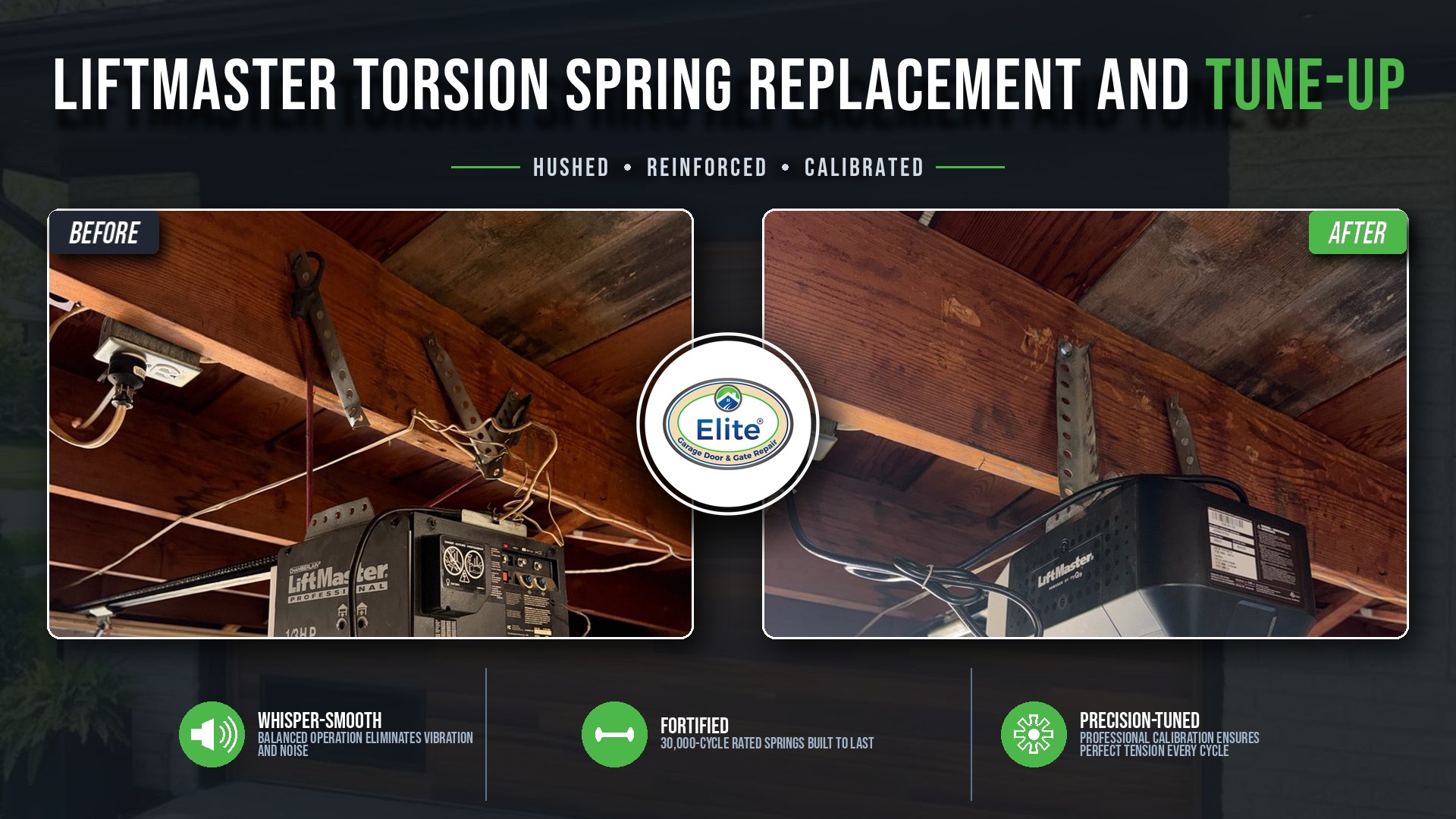
A door that is slightly out of balance often becomes louder because the opener is straining and the door is not moving evenly. Springs that are weakening can cause the door to feel heavy and make the opener sound deeper, slower, or more stressed.
If the door suddenly became louder and also feels heavier or less smooth, springs should be checked. The correct repair path is Garage Door Spring Repair.

Noise Can Also Mean The Door Is Out Of Balance
Know When Noise Is A Safety Warning
If noise is new, escalating, or paired with movement changes, it’s time to stop guessing and schedule service. This guide covers that decision clearly: When To Call A Professional For Garage Door Repair.