

Residential garage door maintenance is one of the highest return habits a homeowner can build. It reduces breakdowns, keeps the door smoother and quieter, and extends the life of expensive parts like springs, rollers, and the opener. The reason it works is simple. Garage doors fail from friction, imbalance, and wear over time. Maintenance reduces all three.
In Seattle and King County, maintenance is even more important because moisture and grime build up faster. Wet debris collects in tracks, corrosion forms on hardware, and seasonal shifts affect how smoothly parts move. A door can still “work” while friction is quietly increasing, and that’s when maintenance prevents the next expensive repair.
The goal is not to do everything every week. The goal is to keep the system balanced and low-friction.
Residential maintenance should focus on:
If you want the full service reference for residential care, this is your internal page: Garage Door Maintenance.

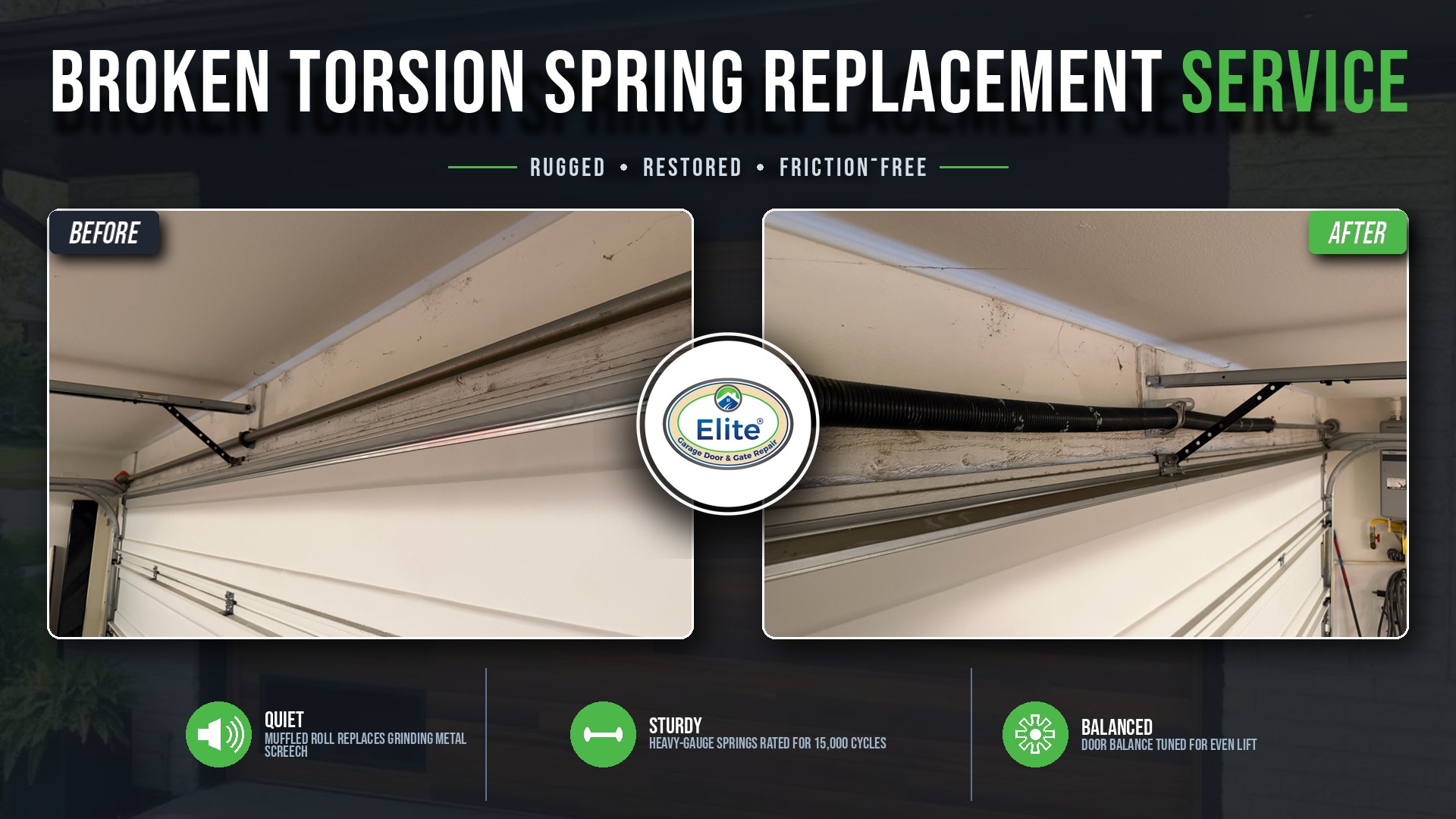
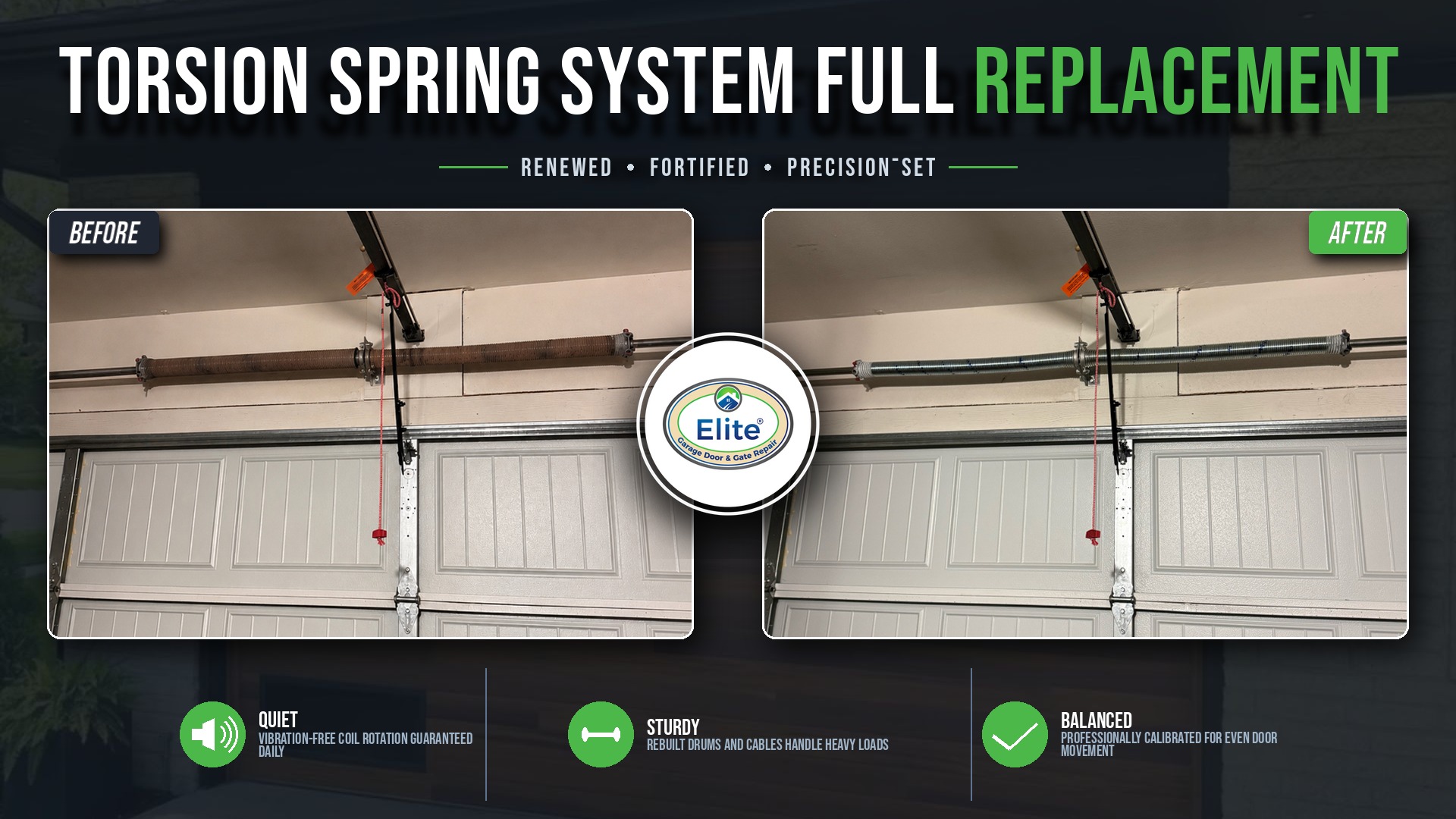
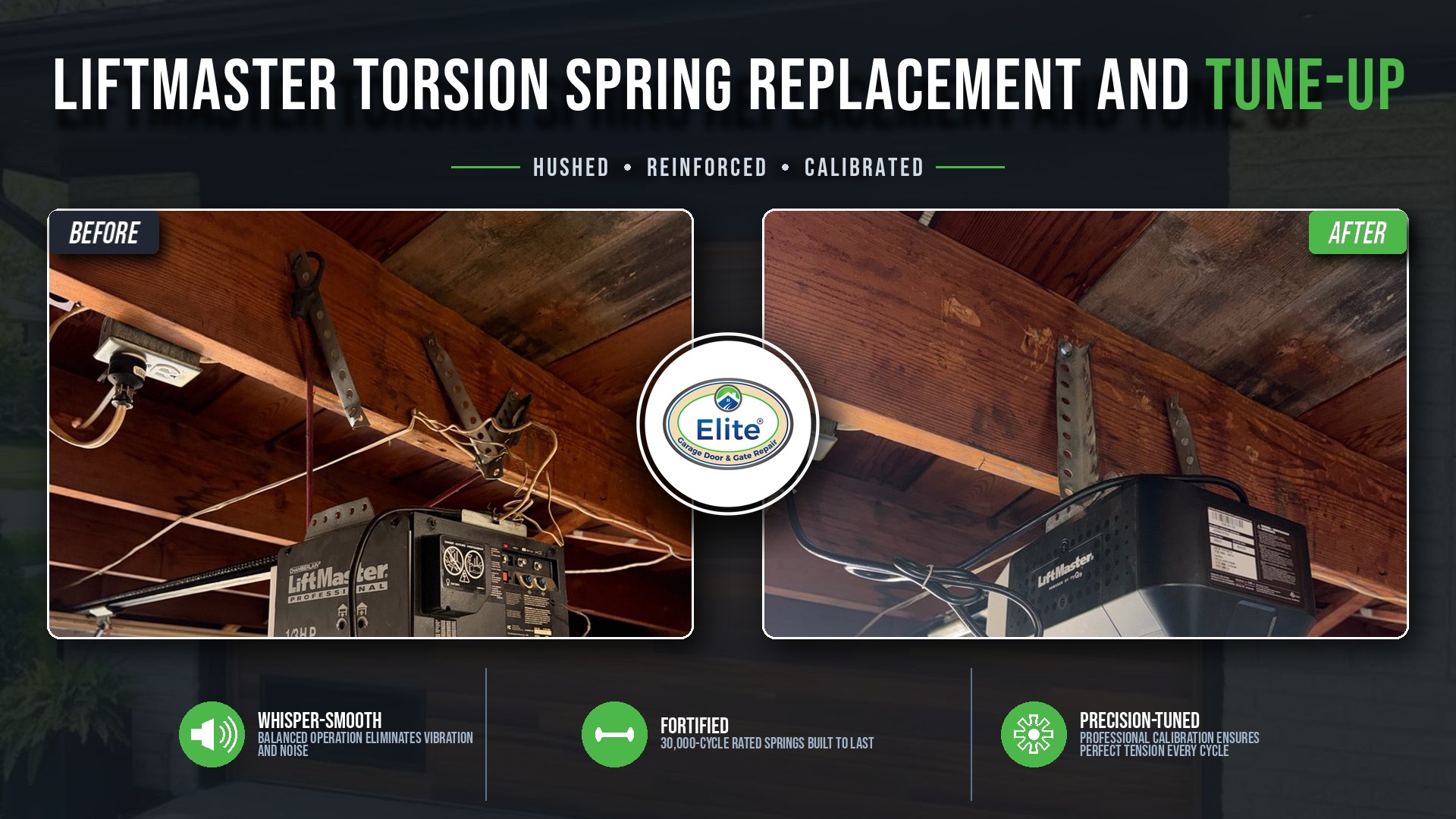
Why Springs And Rollers Matter Most
The Seattle Factor: Moisture And Track Grime
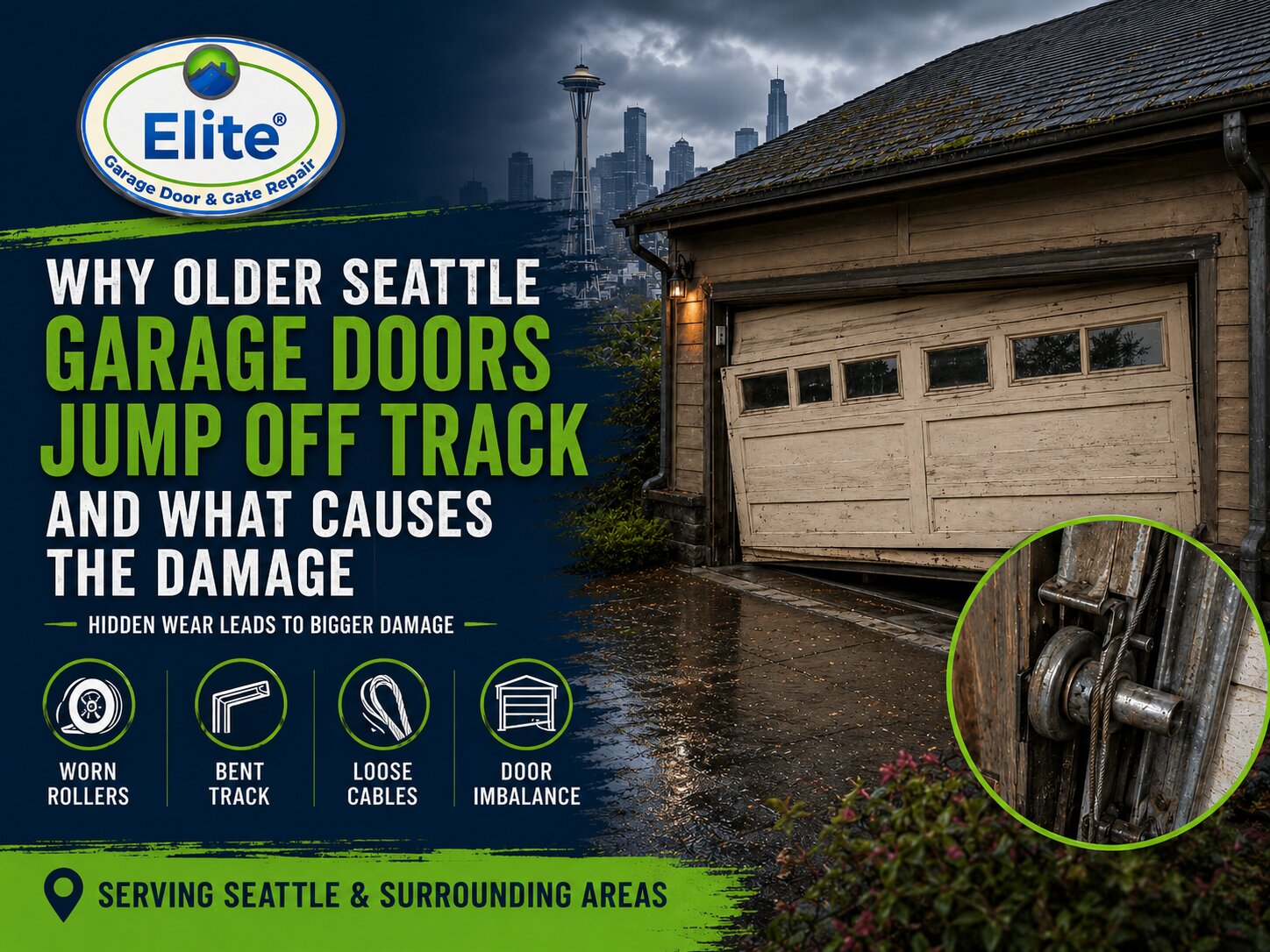
In King County, tracks collect grime faster. Wet debris sticks in the lower track areas and becomes friction points for rollers. This is why doors can start hesitating or sounding rough during the wet season.
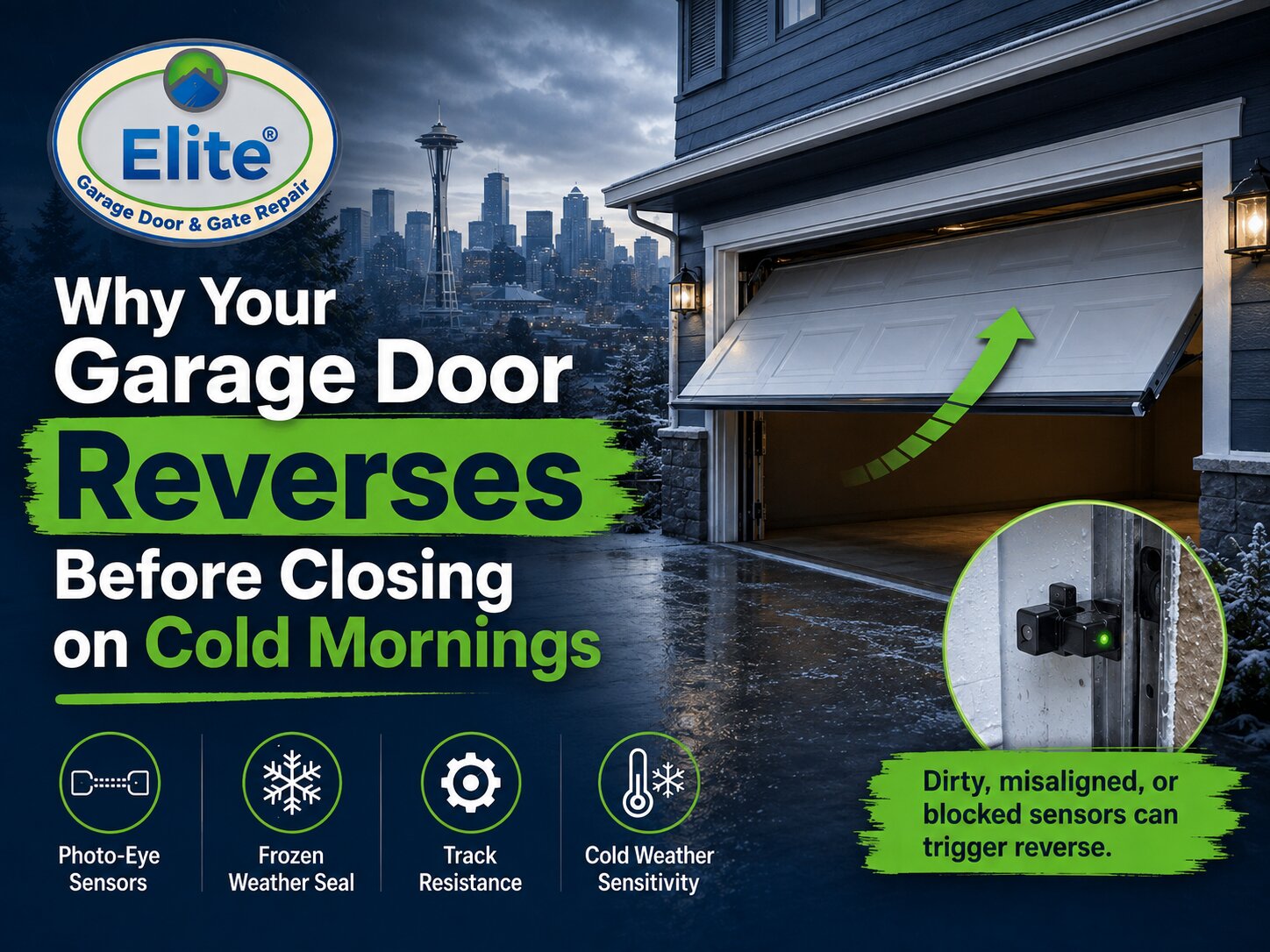
Regular light cleaning and correct lubrication help prevent that buildup from becoming a performance issue. If the door starts reversing or refusing to close, sensors may also be affected by dust and moisture.
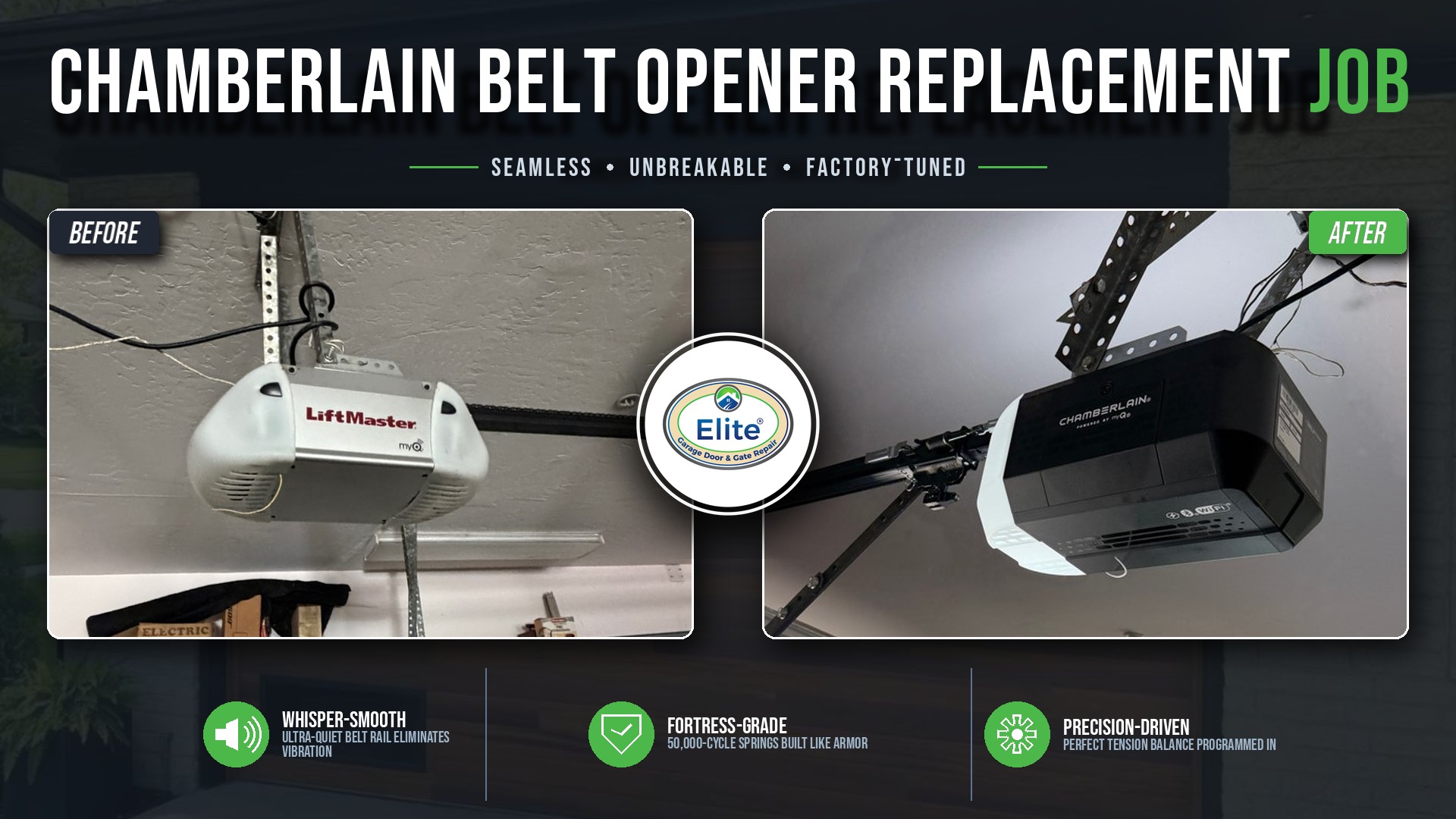
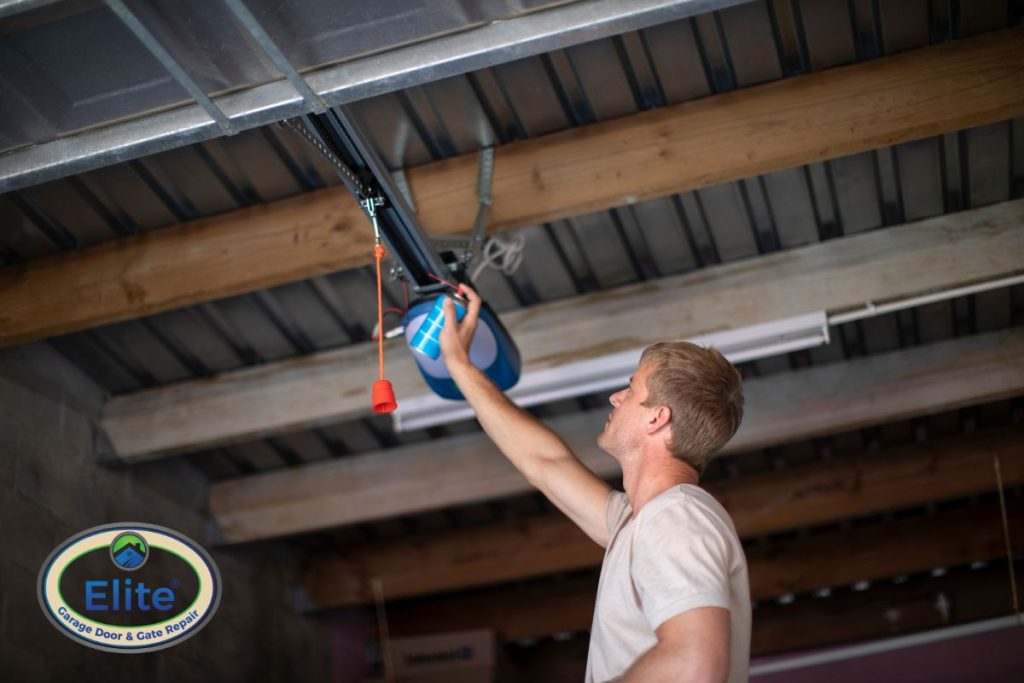
If your opener behavior becomes inconsistent, or you suspect safety systems are triggering, opener diagnosis may be needed: Garage Door Opener Repair.
When A Homeowner Should Schedule Service Instead Of DIY
This guide is built for that decision: When To Call A Professional For Garage Door Repair.