

Few garage door problems feel as unsettling as a door that opens on its own. You might notice the door standing open when you are sure it was closed, or you may even watch it activate without touching the remote. For many homeowners, the first thought is security. The second is whether something serious is wrong.
A garage door that opens by itself is not normal behavior. While it may not always indicate a break in or immediate danger, it almost always points to a problem that should be addressed sooner rather than later.
This article explains why garage doors open on their own, what it means for safety, and when professional repair is the right move.
A garage door is one of the largest access points to your home. When it opens unexpectedly, it compromises security and creates uncertainty. Even if the door closes again, the fact that it activated without input means the system is receiving false signals or misinterpreting commands.
In some cases, the issue is simple. In others, it can expose vulnerabilities that leave your garage and home unprotected.
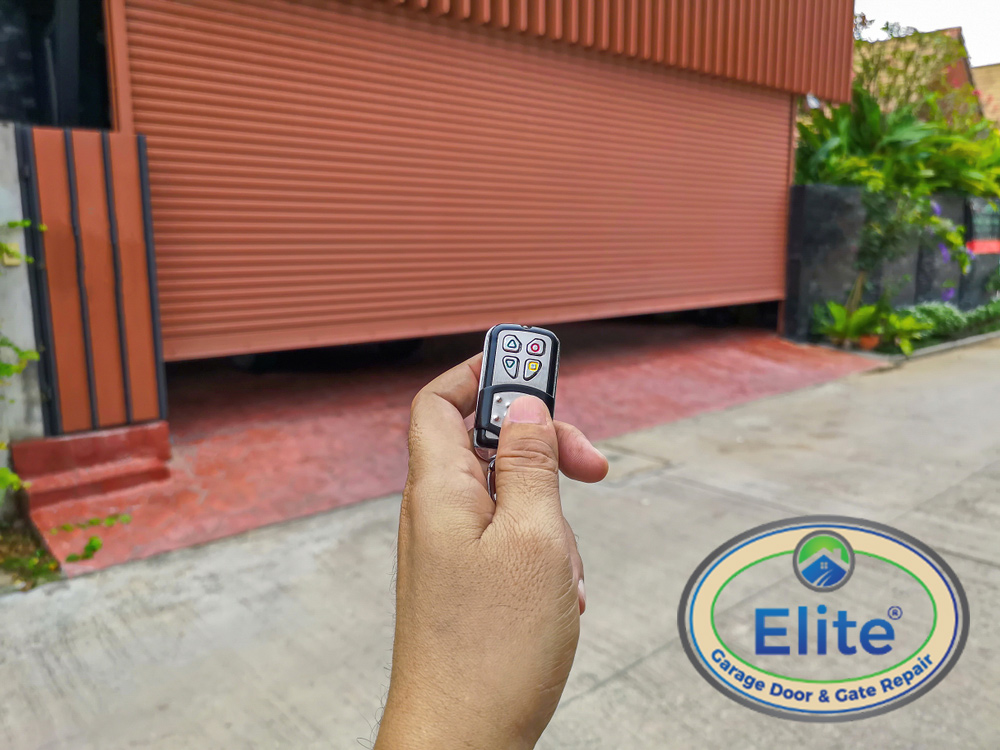
The Most Common Reasons a Garage Door Opens by Itself
Reasons Your Garage Door is Opening by Itself
Why This Can Be a Security Concern
If your garage connects directly to your home, the risk increases. Tools, vehicles, and stored items are also vulnerable.
If you want to understand how modern systems address security concerns, this guide explains common protection methods in detail: 10 Garage Door Security Measures
When the Issue Is Mechanical vs Electrical
Not all unexpected openings are caused by electronics.
Mechanical issues such as worn limit switches, improper opener settings, or resistance in the door system can cause the opener to behave unpredictably. If the opener senses resistance or misreads the door position, it may attempt to correct itself by reopening.
Electrical issues tend to cause more random behavior, while mechanical issues often happen during specific parts of the door cycle.
Should You Keep Using a Garage Door That Opens on Its Own?
Using a garage door that opens unexpectedly is not recommended. While the door may seem to function normally most of the time, the unpredictable behavior means the system is no longer reliable.
Repeated operation can worsen electrical problems, damage the opener, or increase security risks. If the issue happens more than once, it is best to stop using the automatic opener until the cause is identified.
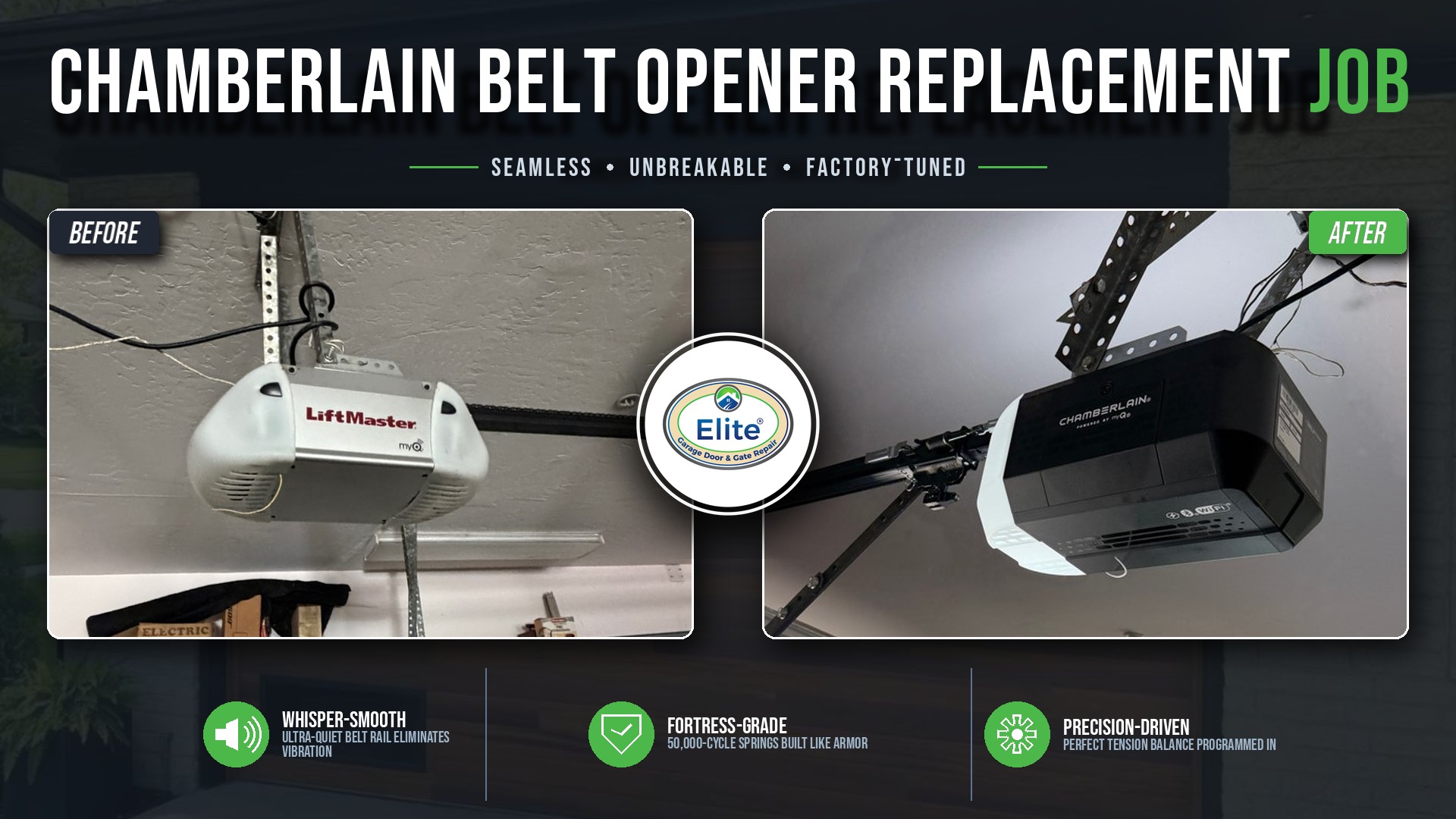
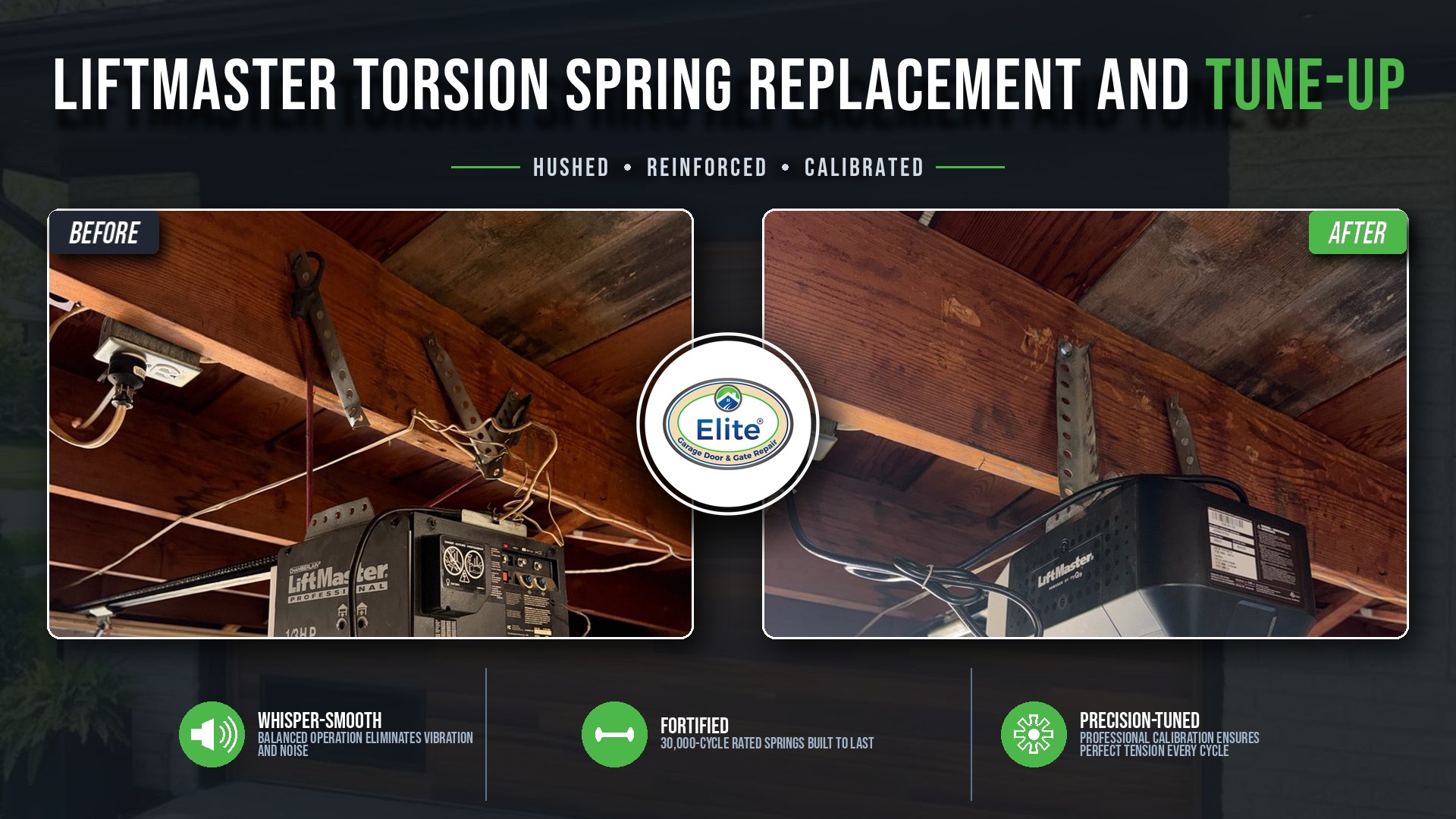
In many cases, professional Garage Door Opener Repair is the safest way to diagnose and correct the issue properly.
What a Professional Will Check During Inspection
Addressing only one symptom without checking the system as a whole often leads to repeat problems.
Can Resetting the Opener Fix the Problem
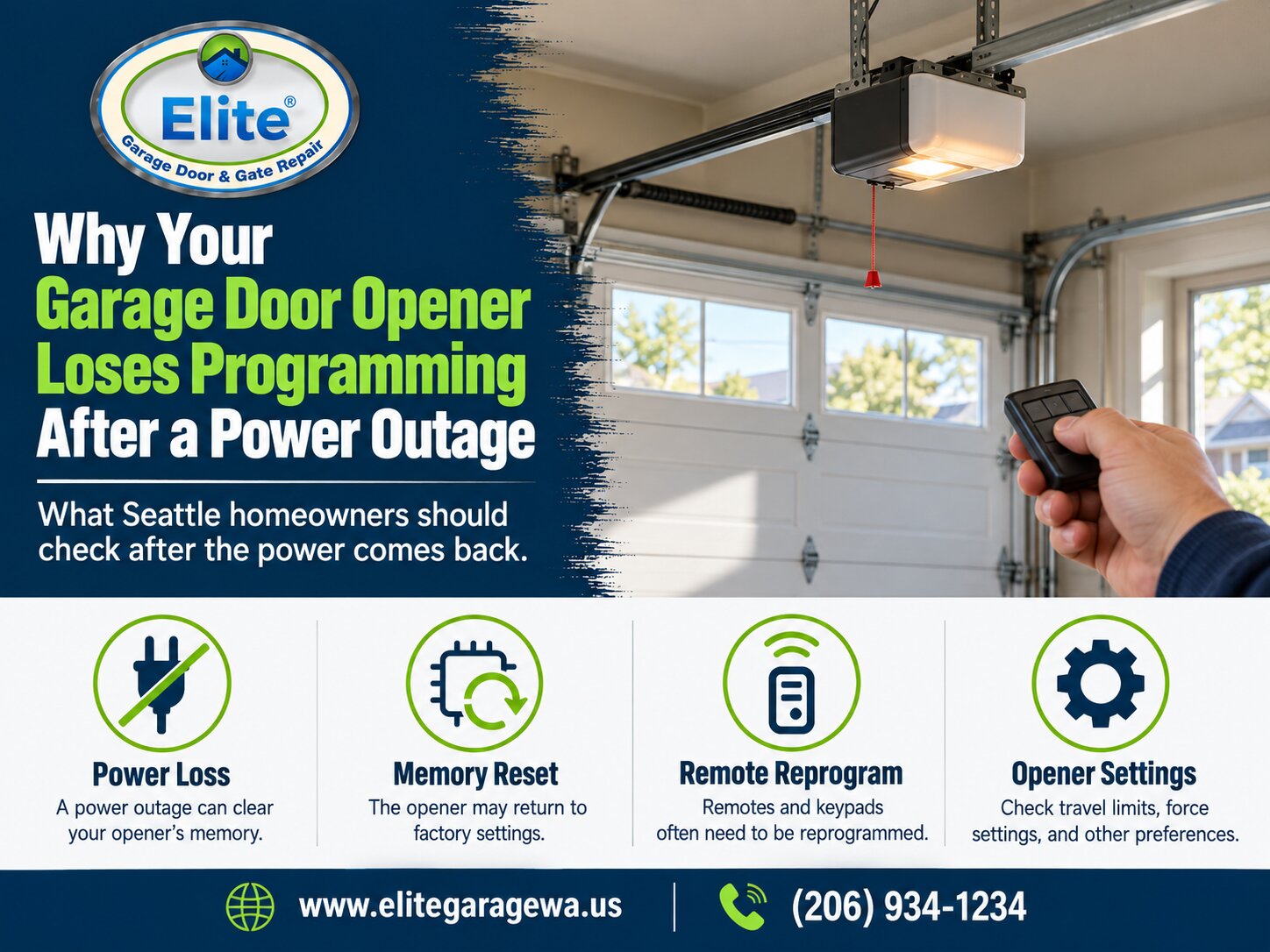
Resetting the opener can sometimes help, especially if the issue started after a power outage. Reprogramming remotes and clearing stored codes may stop unintended signals.
However, if the problem returns after a reset, it usually indicates a deeper electrical or hardware issue that requires professional attention.
This FAQ explains common situations where opener problems occur and what they usually mean: Why Will My Garage Door Opener Not Operate?
How to Reduce the Risk of This Problem Happening Again
Keeping opener components dry, updating older systems, and addressing wiring issues early can reduce the risk of unexpected door movement. Modern openers with rolling code technology are far less likely to activate due to interference.
Regular inspections also help catch problems before they turn into safety or security concerns.
Final Thoughts
A garage door that opens by itself is not something to ignore. While it may not always indicate a serious failure, it does signal that something in the system is no longer functioning correctly. Security risks, mechanical wear, and electrical issues often overlap in these cases.
If the problem happens more than once, stopping the door and having it inspected is the safest and most responsible decision.