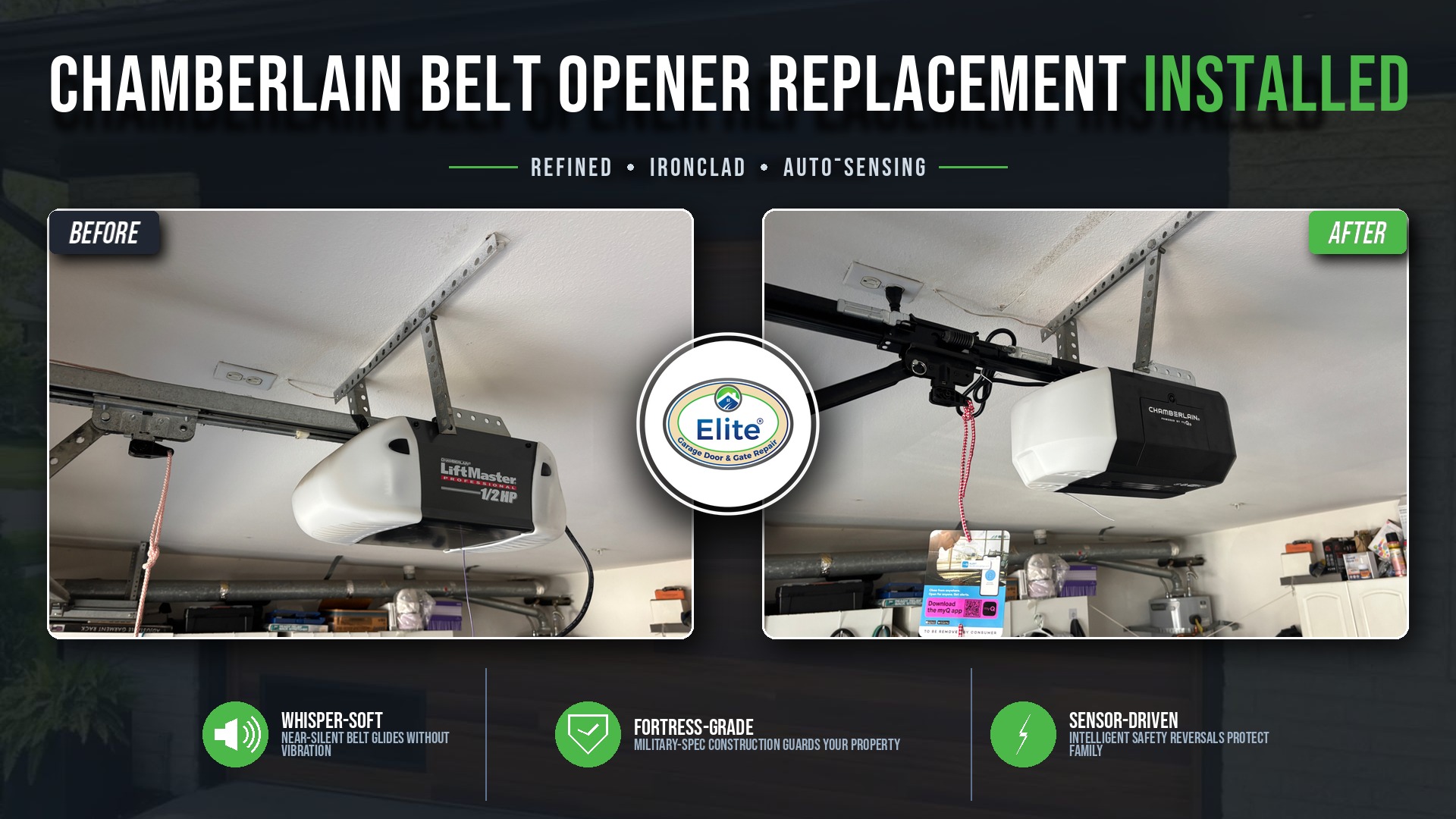


One of the more confusing garage door problems happens when you press the remote, hear the motor running, but nothing else happens. The opener sounds like it is working, yet the door stays completely still. For many homeowners, this creates uncertainty because it feels like the system is half working and half broken.
When the garage door motor runs but the door does not move, the issue is usually not electrical power or remote communication. Instead, it often involves a mechanical disconnect between the opener and the door, or a failure in the components that transfer motion.
Understanding what causes this problem can help you avoid forcing the door and causing further damage.
If the motor is running, the opener is receiving the command correctly. That tells us the remote, wall button, and basic electrical supply are functioning.
The problem lies in how the opener connects to the door or how the door system responds to movement. In many cases, the opener is working but has nothing to pull or push.

The Most Common Causes of This Issue
How Door Balance Can Play a Role
In some cases, the opener tries to move the door but cannot overcome resistance.
If the door is extremely heavy due to spring failure or balance issues, the opener may run briefly and then disengage or slip internally. This can make it appear as though the motor is running normally while the door does not move.
If your door has felt heavier recently or shown other movement issues, this related article explains how opening problems often connect: Reasons Garage Door Opening Problems Happen
Should You Try to Force the Door Open or Closed
If the emergency release has been activated, the door should move freely by hand. If it does not, that indicates a separate mechanical problem that should be addressed before reconnecting the opener.

When Professional Repair Is Needed
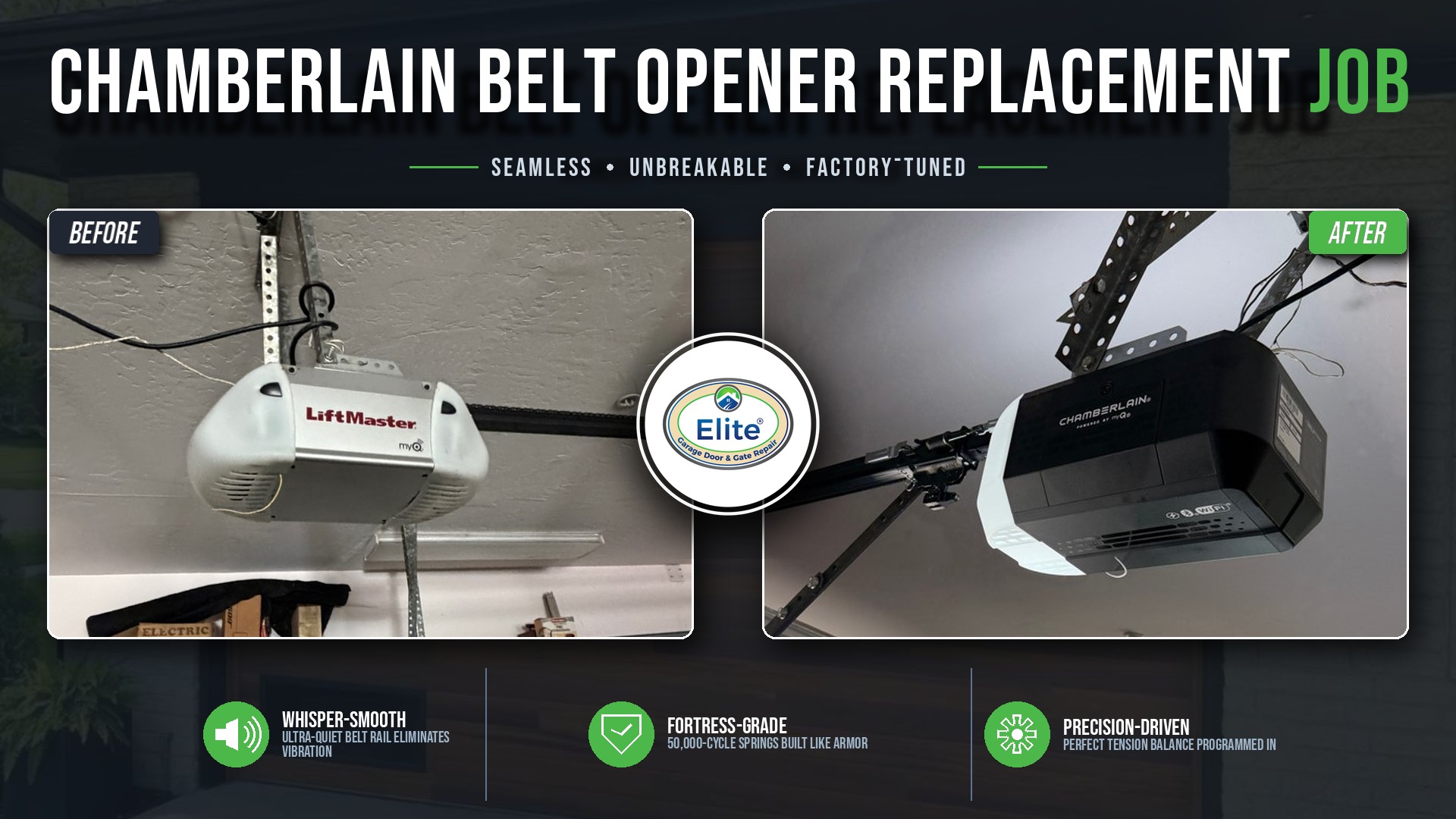
If reconnecting the emergency release does not restore operation, professional Garage Door Opener Repair is usually required.
A technician can determine whether the issue is internal gear failure, drive system damage, or resistance from the door itself. Attempting to repair opener internals without proper experience often leads to more damage.
What a Technician Will Inspect
The goal is to confirm that the opener and door are working together as a system, not fighting against each other.
Common Questions About This Problem
Many homeowners ask whether the opener can simply be reset when the motor runs but the door does not move. In some cases, a reset helps, but often it does not solve the underlying issue.
This FAQ explains common situations where opener issues occur and what they usually mean: Releasing And Resetting Garage Door
How to Reduce the Risk of This Happening Again
Keeping the door properly balanced and addressing early signs of strain helps protect the opener. Avoid pulling the emergency release unless necessary, and schedule inspections if the opener begins to sound different or struggle.
Older openers are more prone to internal wear, and upgrading can improve reliability and safety.

Final Thoughts
When a garage door motor runs but the door does not move, the problem is usually mechanical, not electrical. Emergency release activation, worn internal gears, or drive system failure are the most common causes.
Stopping the door, avoiding force, and having the system inspected early helps prevent larger repairs and restores reliable operation.