

A garage door that jerks, stutters, or moves unevenly can feel unsettling. Instead of a smooth motion, the door may hesitate, shake, or move in short bursts as it opens or closes. Many homeowners notice this problem gradually and assume it is just part of wear and tear. In reality, jerking movement is a sign that something in the system is no longer moving in sync.
Garage doors are designed to travel in a controlled, even motion. When that motion becomes inconsistent, it usually means friction, imbalance, or mechanical wear has developed. Understanding why a garage door jerks helps prevent damage and restores safe operation.
Jerking movement happens when the door encounters resistance or uneven force as it travels. Instead of gliding smoothly along the tracks, parts of the system hesitate and then release suddenly.
This behavior is different from noise issues or doors stopping completely. In this case, the door continues moving, but not smoothly. That distinction helps narrow down the cause.
The Most Common Reasons a Garage Door Jerks

The Most Common Reasons a Garage Door Jerks
How Door Balance Affects Smooth Movement
A properly balanced door moves evenly with minimal effort. When balance is off, one side of the door may lift faster than the other.
This imbalance causes tension changes during movement, which often appear as jerking or hesitation. Balance issues frequently involve springs or cables and tend to worsen if ignored.
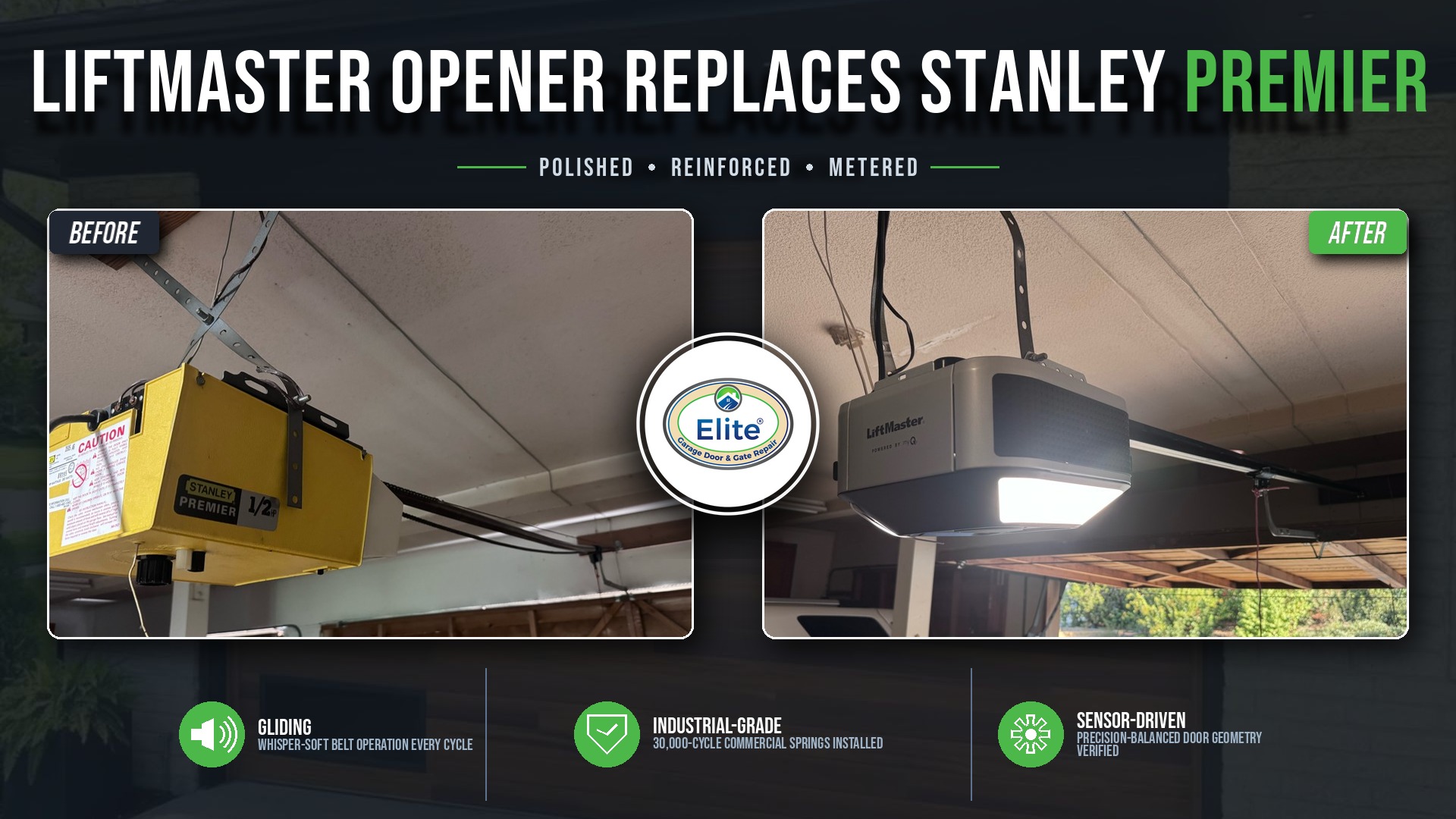
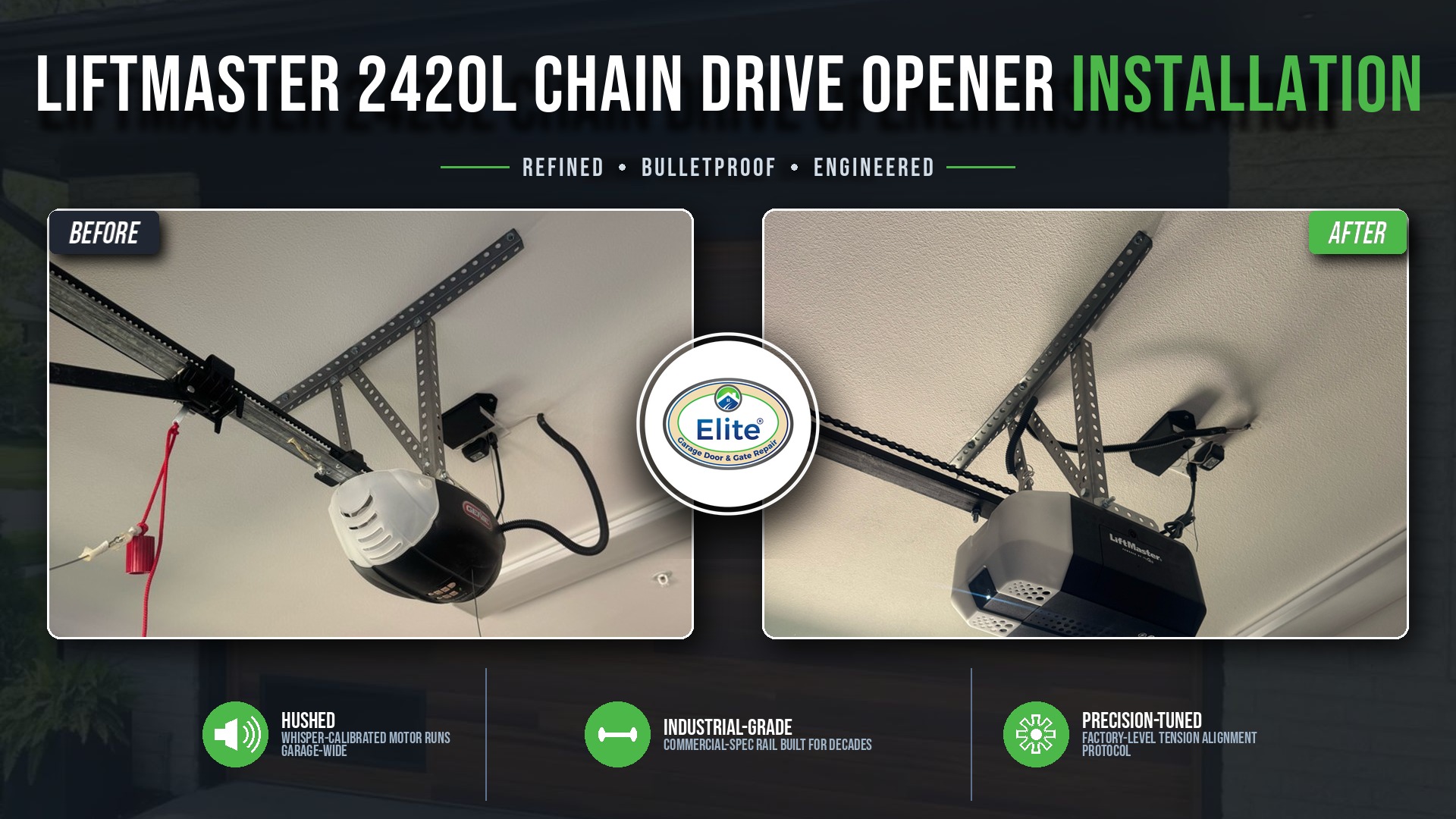
Opener Related Causes of Jerky Motion
Sometimes the opener contributes to the problem.
If the opener struggles due to resistance or internal wear, it may apply uneven force as it tries to move the door. This can amplify jerky movement, especially during the first few seconds of opening or the final inches of closing.
Repeated strain on the opener can shorten its lifespan if the underlying issue is not addressed.
Why Jerking Movement Should Not Be Ignored
What starts as a minor movement issue can eventually lead to more serious problems, including doors coming off track or components failing unexpectedly.
When Maintenance Is Enough and When It Is Not
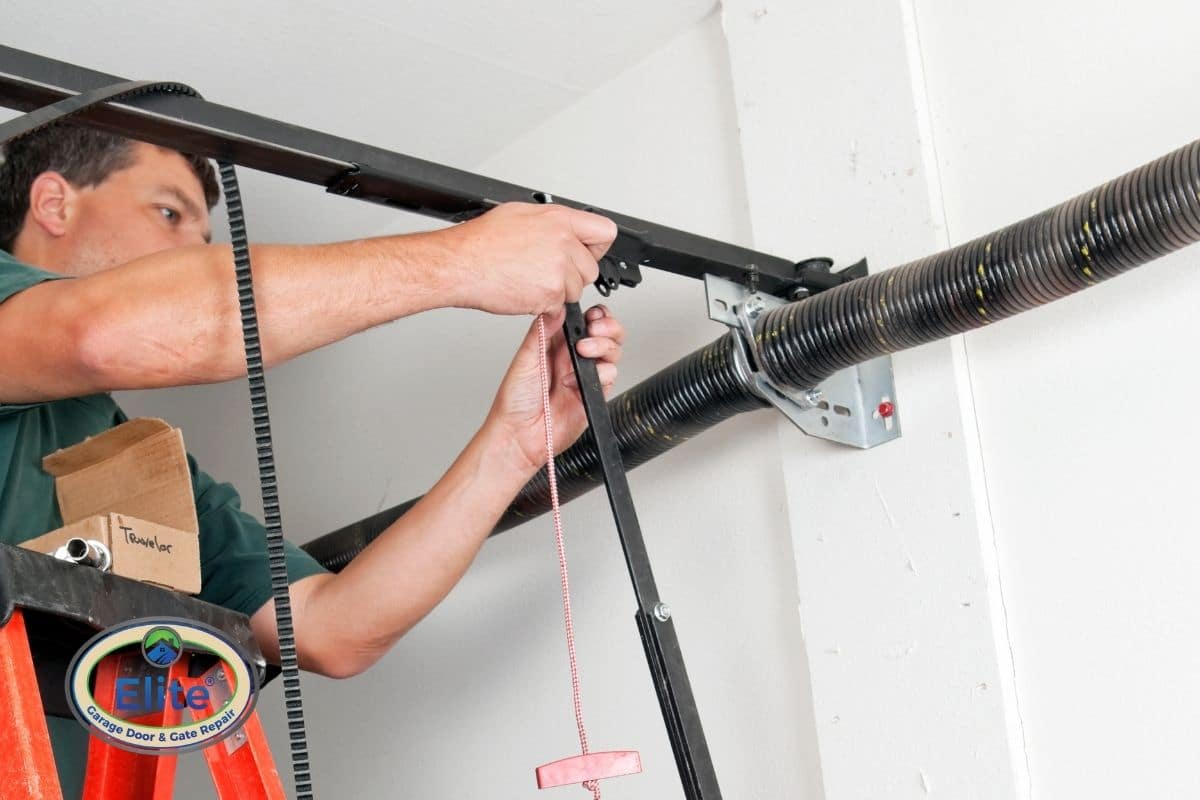
In some cases, cleaning and lubrication can restore smooth operation. Basic maintenance addresses friction and minor resistance before parts are damaged.
This guide explains what regular care typically includes and when it helps: Garage Door Maintenance
However, if jerking continues after maintenance, worn parts or balance problems are usually involved and require professional repair.
When Maintenance Is Enough and When It Is Not
How Professionals Diagnose Jerky Garage Door Movement
Technicians inspect rollers, tracks, hinges, springs, and cables as a system. The door balance is tested manually, and the opener operation is checked for strain or irregular force.
Addressing only one component without inspecting the rest often leads to recurring issues.
How This Problem Connects to Long Term Door Wear
Jerking motion is often an early sign of broader wear. Doors that are not serviced regularly tend to develop movement issues before more obvious failures occur.
This related article explains how routine care helps prevent these types of problems over time: Preventive Maintenance Tips for Garage Door Owners
Common Questions About Uneven Door Movement
Homeowners often ask whether jerking movement is dangerous. While it may not be immediately hazardous, it increases the risk of component failure if ignored.
This FAQ explains how noise and movement issues often overlap and what they indicate: Quiet Noisy Garage Door
How to Reduce the Risk of Jerky Movement Returning
Ignoring early symptoms is the most common reason jerking movement turns into more serious repairs.

How to Reduce the Risk of Jerky Movement Returning
Final Thoughts
A garage door that jerks during opening or closing is not operating as it should. Resistance, worn components, or imbalance are usually involved, and continued use can worsen the problem.
Addressing jerky movement early protects the door, the opener, and the overall system. Smooth operation is not just about convenience, it is a sign that the door is working safely and efficiently.