

Noticing gaps around your garage door can raise a lot of questions. Light coming in from the bottom, cold air near the sides, or even small pests finding their way inside are usually the first signs. Many homeowners assume this is just normal aging, but gaps are rarely harmless.
A garage door is designed to sit flush with the opening when closed. When gaps appear, it usually means something has shifted, worn down, or was never properly adjusted. Understanding why these gaps form helps you decide whether it is a simple adjustment or a sign of a bigger issue.
Small gaps may not seem like a big deal at first, but they affect more than appearance. Air leakage impacts temperature control. Moisture can enter the garage. Insects and rodents gain access. Over time, these issues can lead to higher energy costs and interior damage.
More importantly, gaps often indicate that the door is no longer aligned correctly within the opening.

Why Garage Door Gaps Are More Than a Cosmetic Problem
Where Garage Door Gaps Usually Appear
Most gaps show up in predictable locations, and where the gap appears helps identify the cause.
Common Causes of Garage Door Gaps
Garage door gaps rarely happen without reason. They are usually the result of wear, movement, or improper setup.
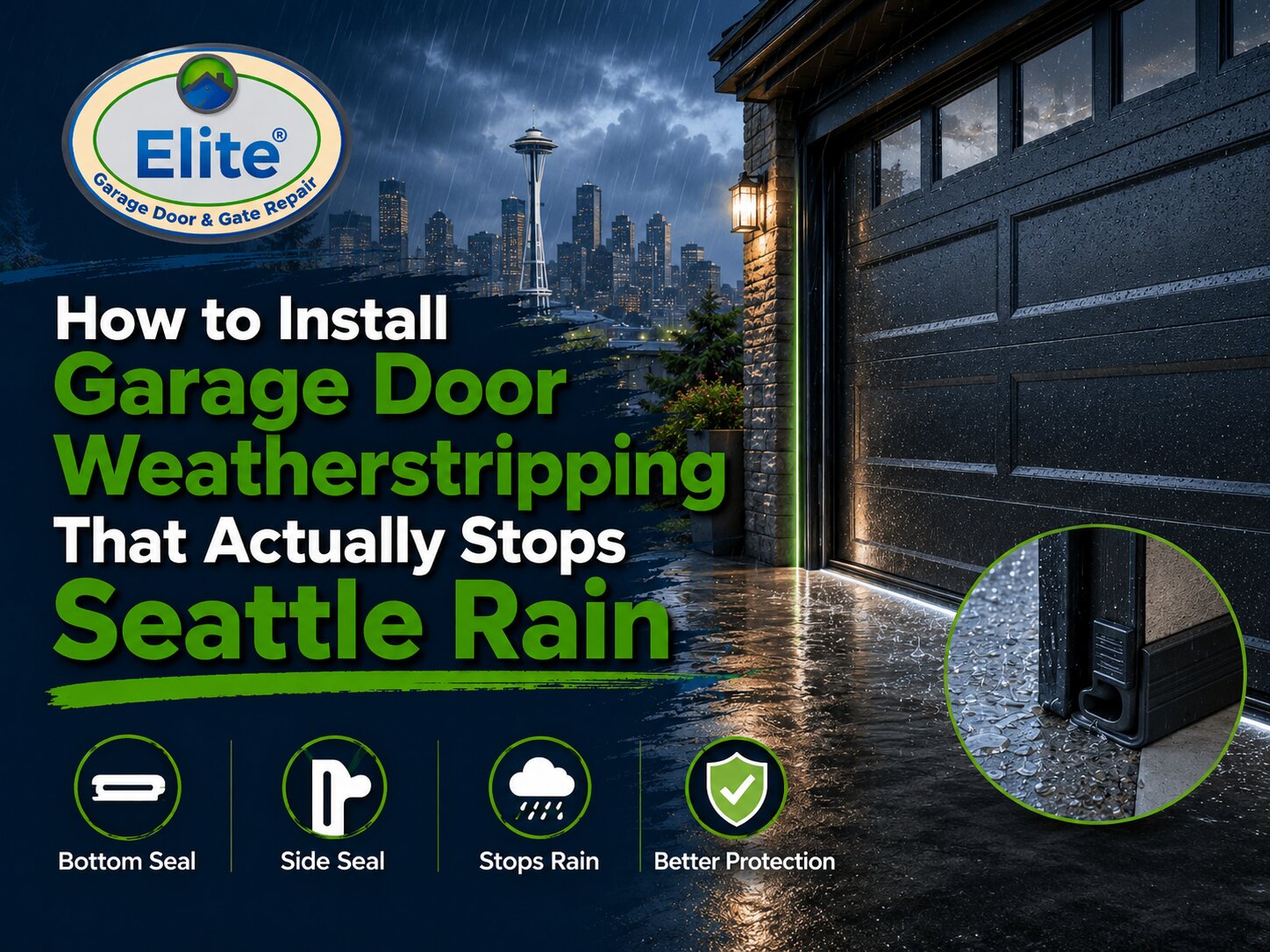
Worn bottom seals harden and crack over time, losing their ability to conform to the floor. Tracks may shift slightly, causing the door to sit unevenly. Rollers and hinges wear down, allowing extra play during closing.
In some cases, the door panels themselves may be warped or bent, preventing a tight seal.

Where Garage Door Gaps Usually Appear
When Adjustments Can Fix the Problem
Not every gap requires major repair. Some issues can be resolved with proper adjustment.
Small bottom gaps are often corrected by adjusting the door limits or replacing the weather seal. Side gaps caused by minor misalignment may be fixed by adjusting tracks or hardware.
This guide explains simple adjustment related solutions in more detail: 3 Easy Ways Adjust Gap Bottom Garage Door
When Gaps Point to a Bigger Issue
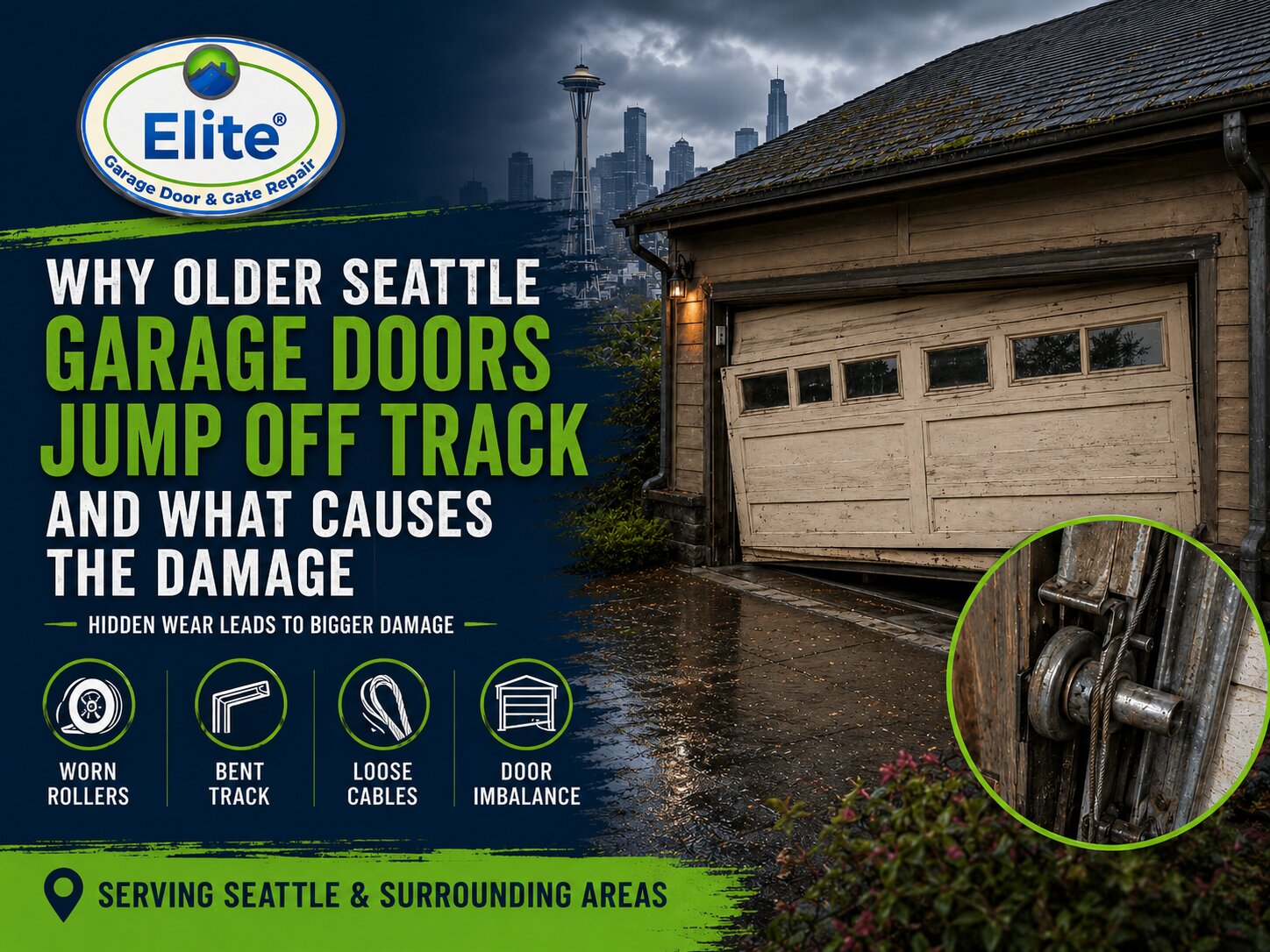
If gaps keep returning after adjustments, there is usually an underlying problem. Worn rollers can allow the door to shift as it closes. Bent panels prevent proper alignment. Structural movement around the garage opening can also affect how the door fits.
In these cases, fixing only the gap without addressing the cause leads to repeat issues.
How Hardware Wear Contributes to Gaps
Rollers and hinges guide the door as it closes. When they wear down, the door no longer sits squarely in the opening. This creates uneven pressure and visible gaps.
Replacing worn components such as Garage Door Replacement Rollers often restores proper alignment and helps the door seal correctly again.
Why Ignoring Gaps Can Shorten Door Lifespan
What starts as a small gap can eventually lead to balance problems or off track issues.
Questions Homeowners Commonly Ask About Door Gaps
One of the most common questions is whether gaps can be fixed without replacing the door. The answer depends on the cause.
This FAQ explains how different gap scenarios are handled and when repairs are possible: How To Fix Garage Door Gaps
How to Reduce the Chances of Gaps Returning

How to Reduce the Chances of Gaps Returning
Final Thoughts
Gaps around a garage door are not just a cosmetic issue. They affect insulation, security, and the overall health of the door system. While some gaps can be adjusted easily, others signal worn components or alignment problems that need professional attention.
Addressing the cause early helps keep the door sealed, balanced, and operating smoothly for years to come.