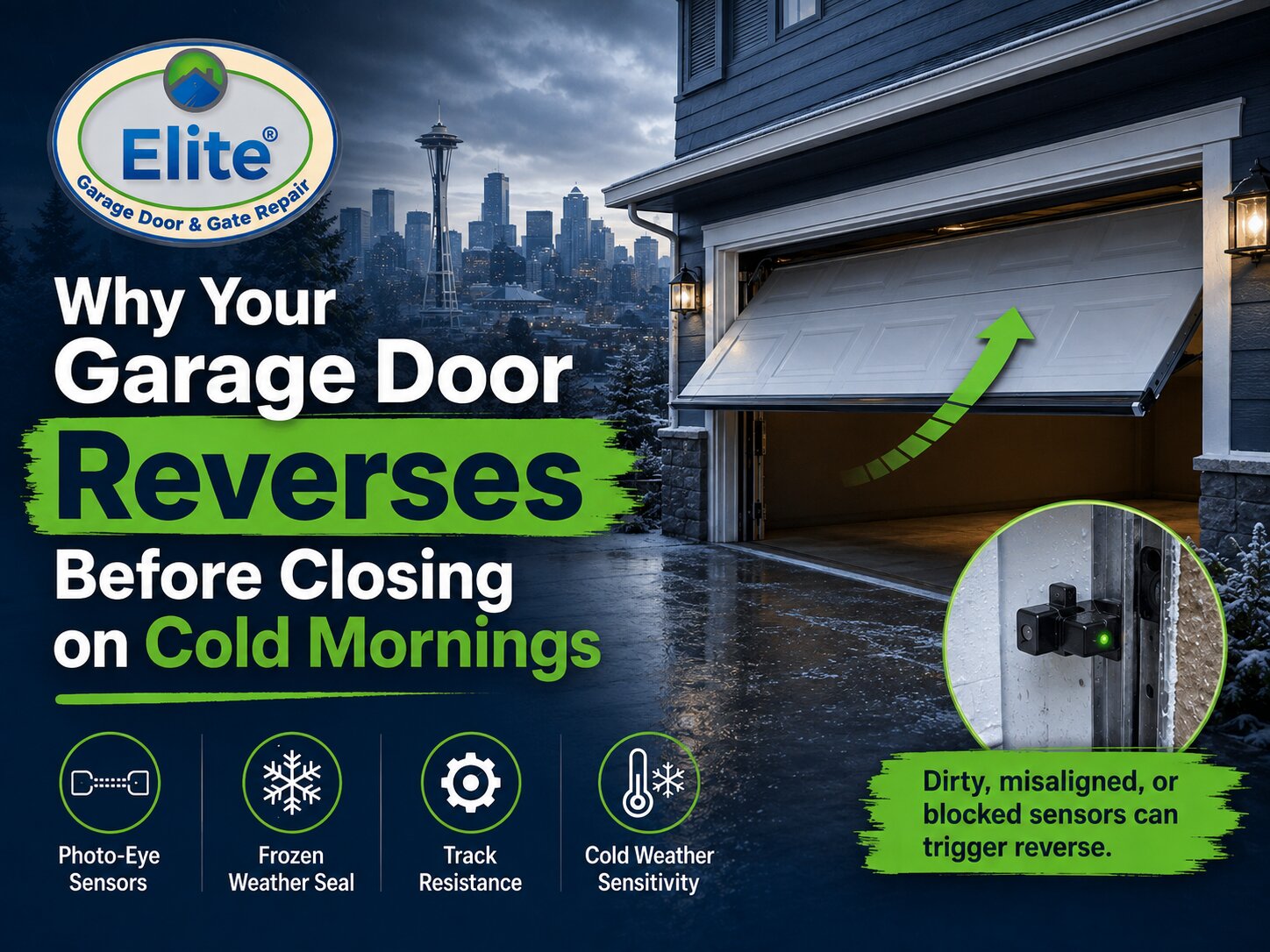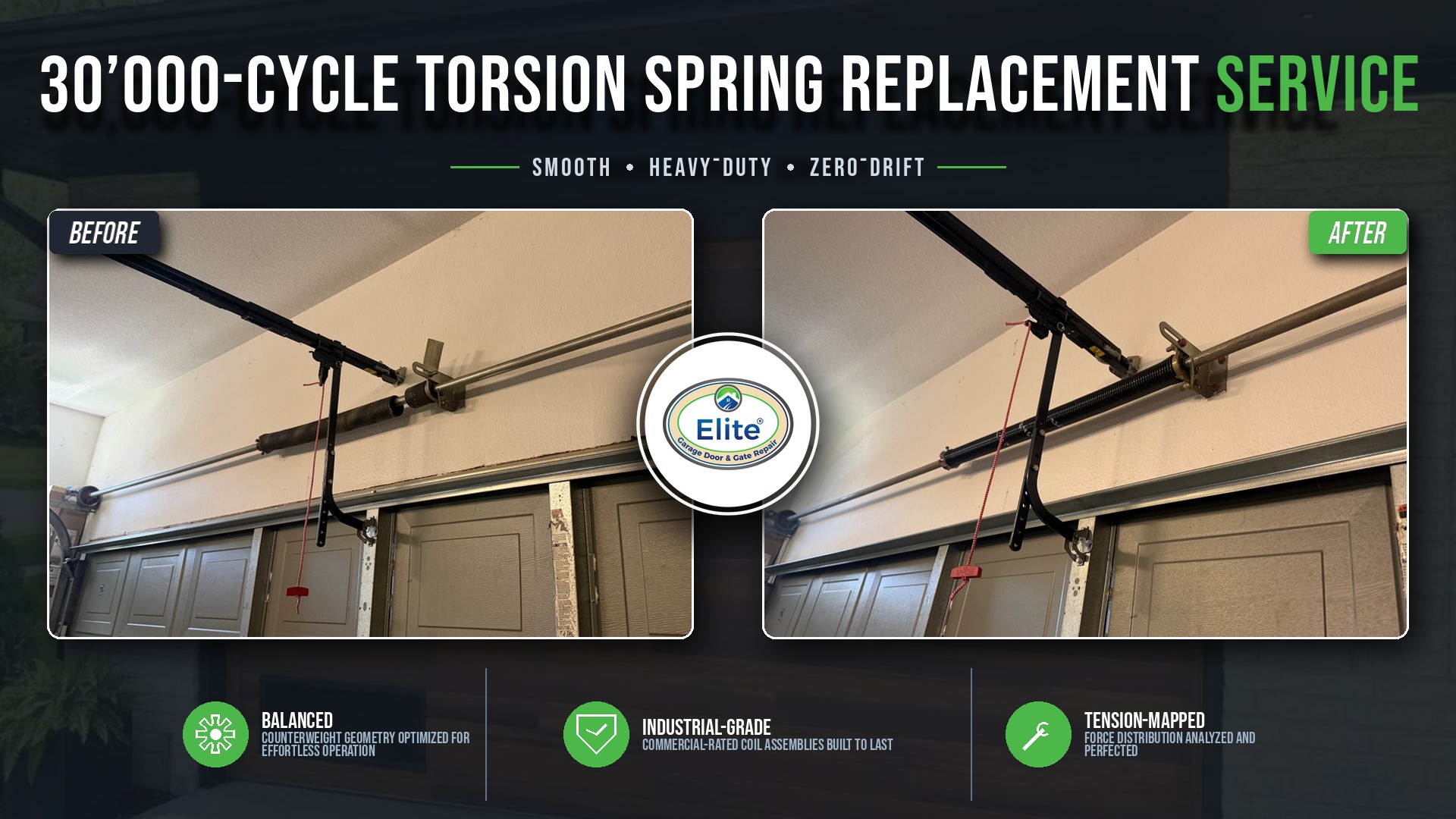


A garage door that refuses to open on a cold morning can be both frustrating and confusing. You press the remote, hear the opener working, and nothing moves. Sometimes the door lifts slightly and then drops back down. Other times it does not move at all.
This problem is especially common during winter and sudden temperature drops. A garage door freezing shut is not a sign of random failure. It is usually the result of moisture, temperature changes, and how materials react to cold conditions.
Understanding why this happens can help you avoid damage and know when it is time to call for help.
Garage doors are exposed to outdoor temperatures more than most parts of the home. Cold weather causes materials to contract, moisture to freeze, and lubricants to thicken.
When several of these factors combine, the door may stick to the ground, resist movement in the tracks, or place extra strain on the opener.
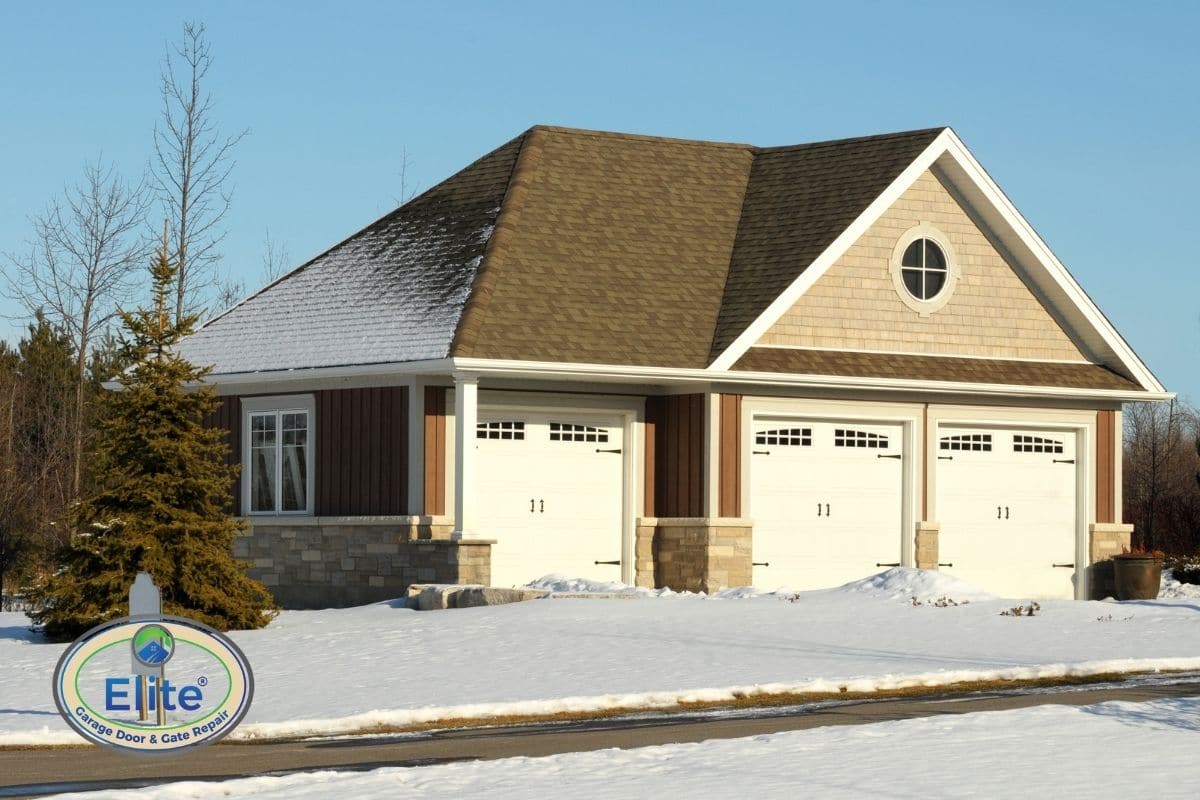
Weather Conditions
The Most Common Reasons a Garage Door Freezes Shut
Why Forcing a Frozen Garage Door Is a Bad Idea
Repeatedly pressing the remote is especially risky, as the opener may overheat or fail prematurely.
What You Can Safely Try Before Calling for Help
In some cases, simple steps can help free a stuck door.
Clearing ice buildup along the bottom of the door and gently breaking the seal can sometimes restore movement. Improving drainage near the garage entrance helps prevent repeat freezing.
Routine Garage Door Maintenance before winter also reduces the risk by ensuring parts move freely and seals are in good condition.
When Cold Weather Issues Become a Bigger Problem
If freezing issues happen repeatedly, there may be underlying problems beyond weather alone.
Worn seals, misaligned tracks, or balance issues make doors more sensitive to temperature changes. In these cases, cold weather simply exposes an existing weakness.
This related article explains practical winter related fixes and prevention tips: 3 Easy Garage Fixes That Can Save You Money This Winter
How Insulation and Seals Affect Cold Weather Performance
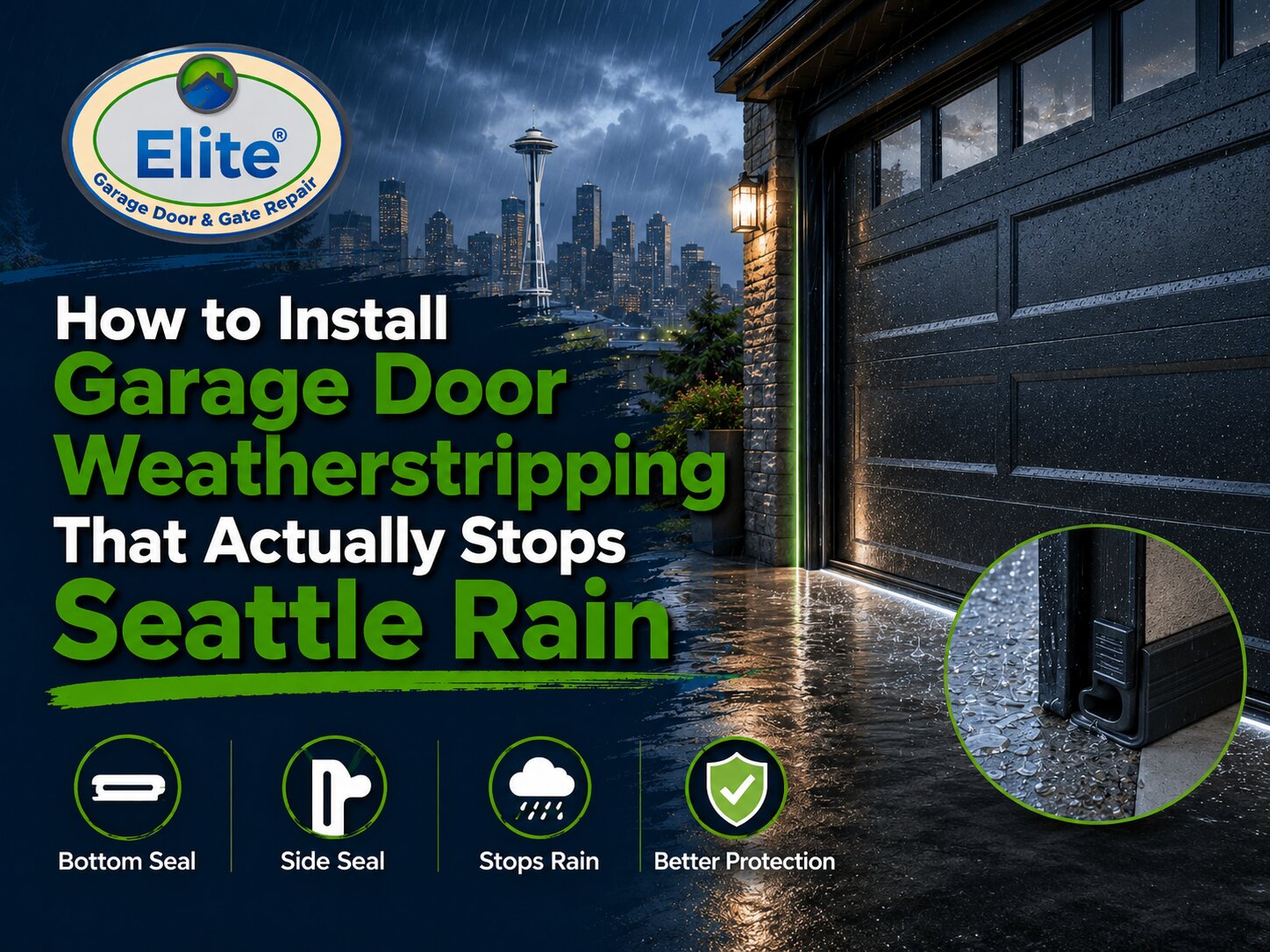
A well sealed and insulated garage door helps regulate temperature and reduce moisture buildup. Doors with poor insulation allow cold air to enter, increasing condensation and freezing risk.
Many homeowners wonder whether insulation upgrades are worth it. This FAQ addresses that question clearly: Insulated Garage Doors Worth The Money
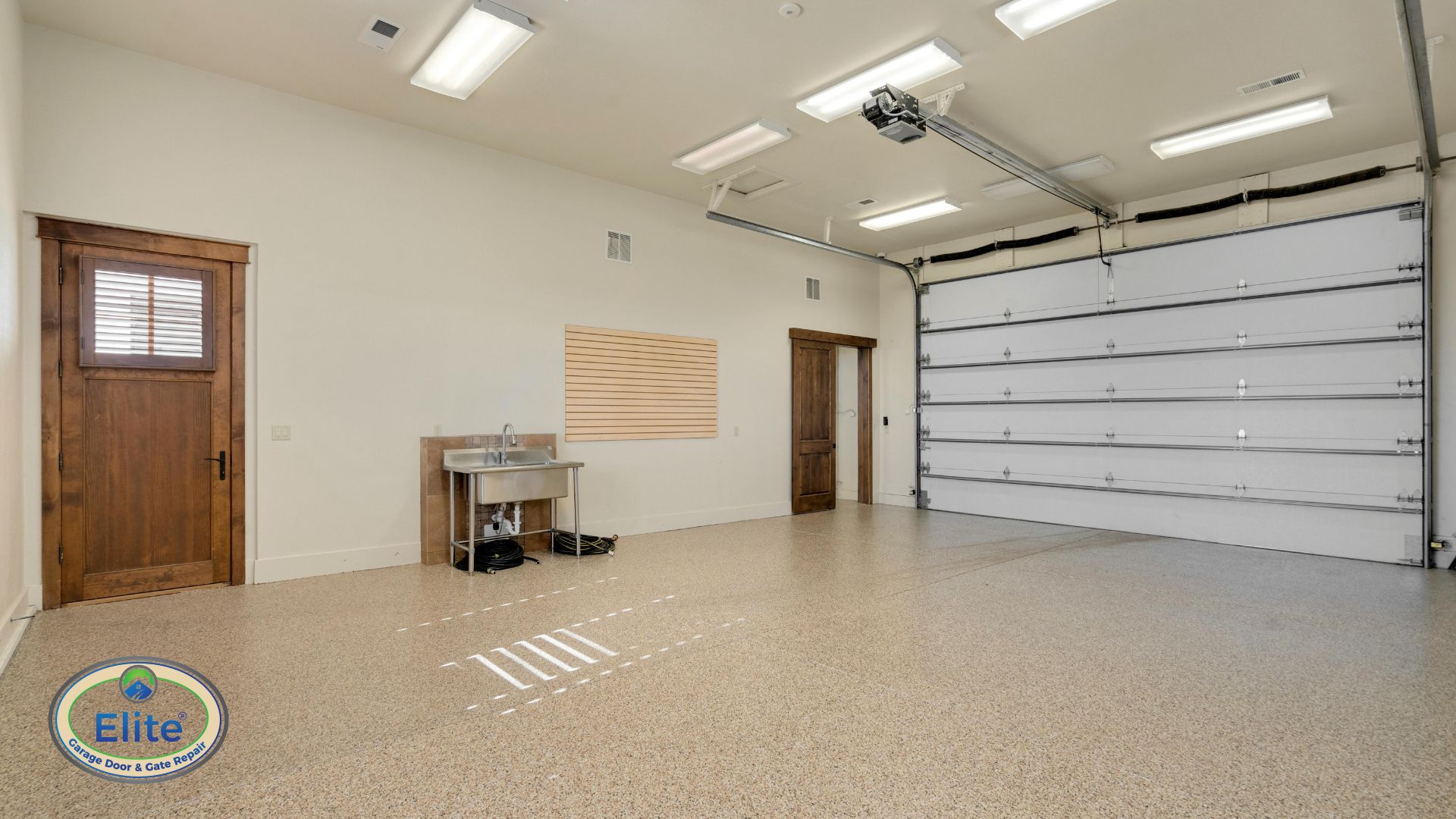
How Insulation and Seals Affect Cold Weather Performance
When Professional Help Is Needed
If the door remains stuck after ice removal, or if the opener strains or stops mid cycle, professional inspection is recommended. Continued operation under these conditions can cause damage that goes beyond weather related issues.
A technician can inspect seals, balance, tracks, and opener settings to ensure the system operates safely in cold conditions.

How to Reduce the Risk of Freezing Problems in the Future
These steps all help reduce freezing issues. Seasonal inspections before winter arrives are one of the most effective ways to avoid unexpected problems during cold weather.
Final Thoughts
A garage door freezing shut in cold weather is a common but preventable issue. Moisture, temperature changes, and material contraction all play a role, but underlying maintenance and sealing conditions often determine how severe the problem becomes.
Addressing these factors early helps keep your garage door operating reliably through winter and prevents unnecessary damage.