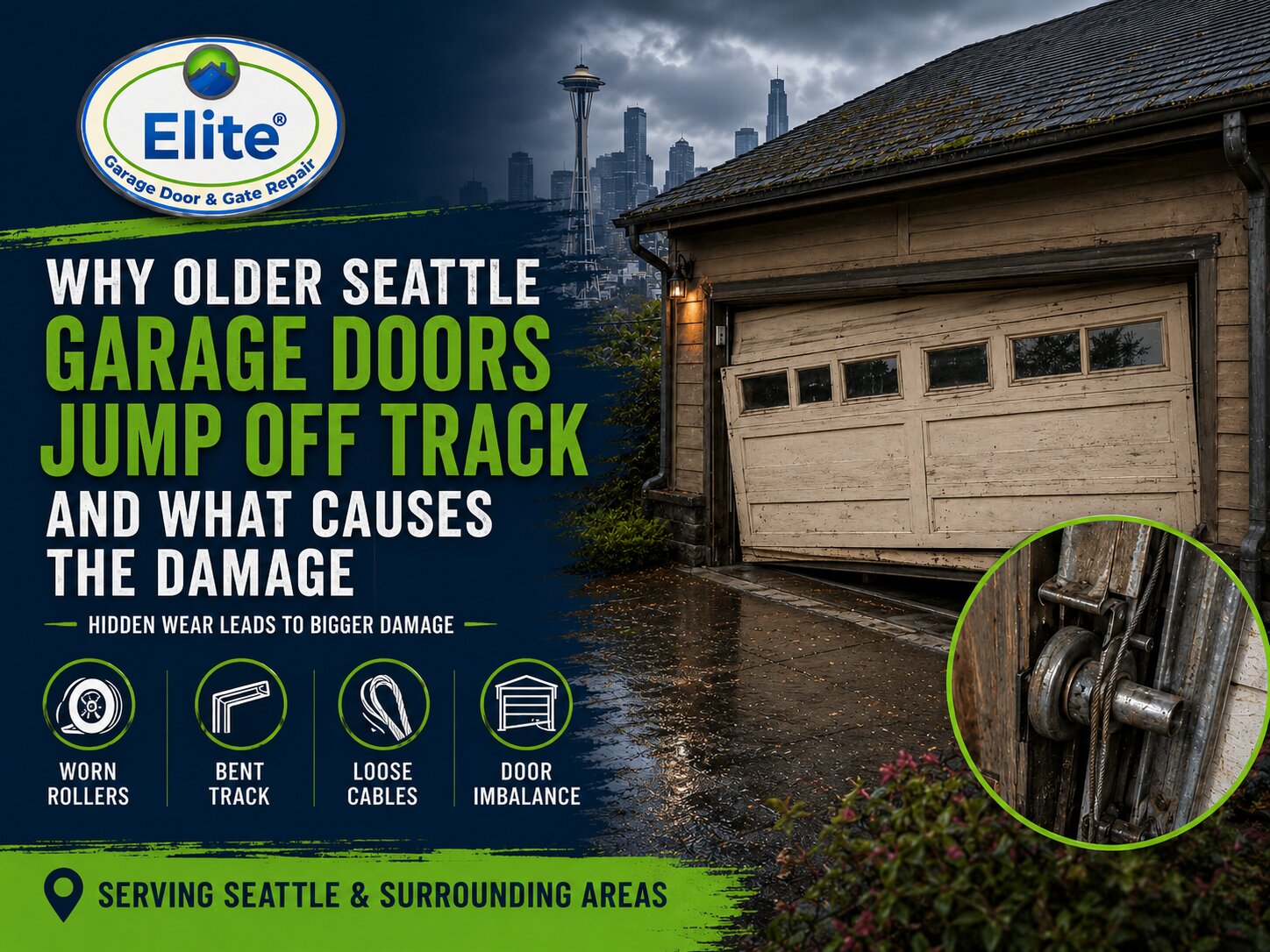


An old garage door can still be a great door. Many older doors are built solid, and with the right care they can keep operating reliably for years. The problem is that older doors usually don’t fail in a dramatic, obvious way. They slowly develop friction, looseness, and imbalance. Homeowners get used to the extra noise or the slightly rough movement until one day the door jams, reverses, or refuses to open at all.
In Seattle and King County, older doors face an extra challenge: moisture. Damp air and long wet seasons accelerate rust, stiffen hardware, and make tracks collect grime faster. That does not mean an old door is doomed. It means the door needs a smarter maintenance routine so the opener is not fighting friction and the springs are not carrying extra stress.
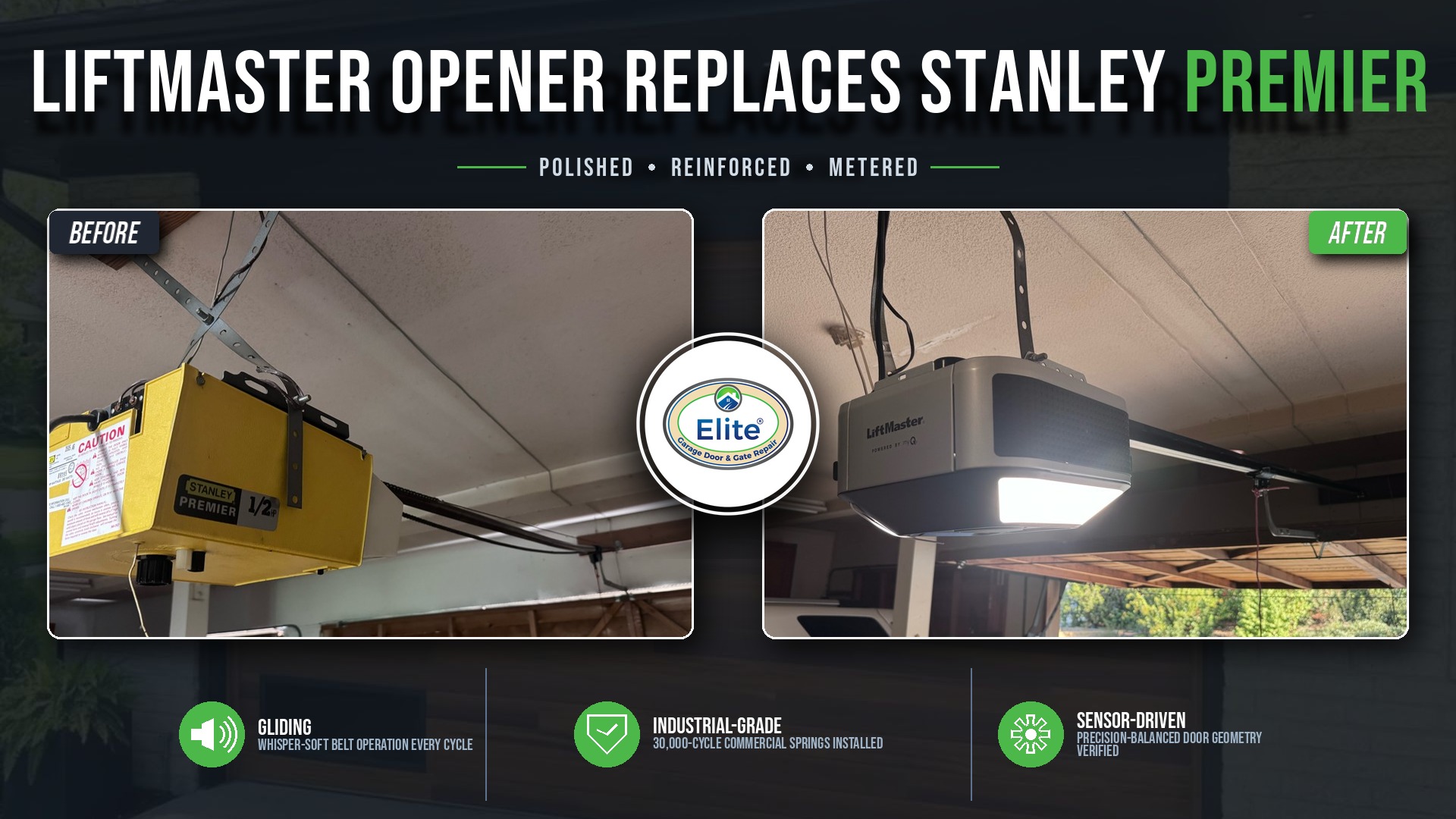
When an older door starts acting up, homeowners often blame the opener first. But the opener is usually reacting to the door. The best first step is to check how the door moves manually.
Disconnect the opener using the emergency release and lift the door by hand. You’re looking for smooth travel and balanced weight. A healthy door should not feel extremely heavy and should stay near the halfway point rather than dropping quickly.
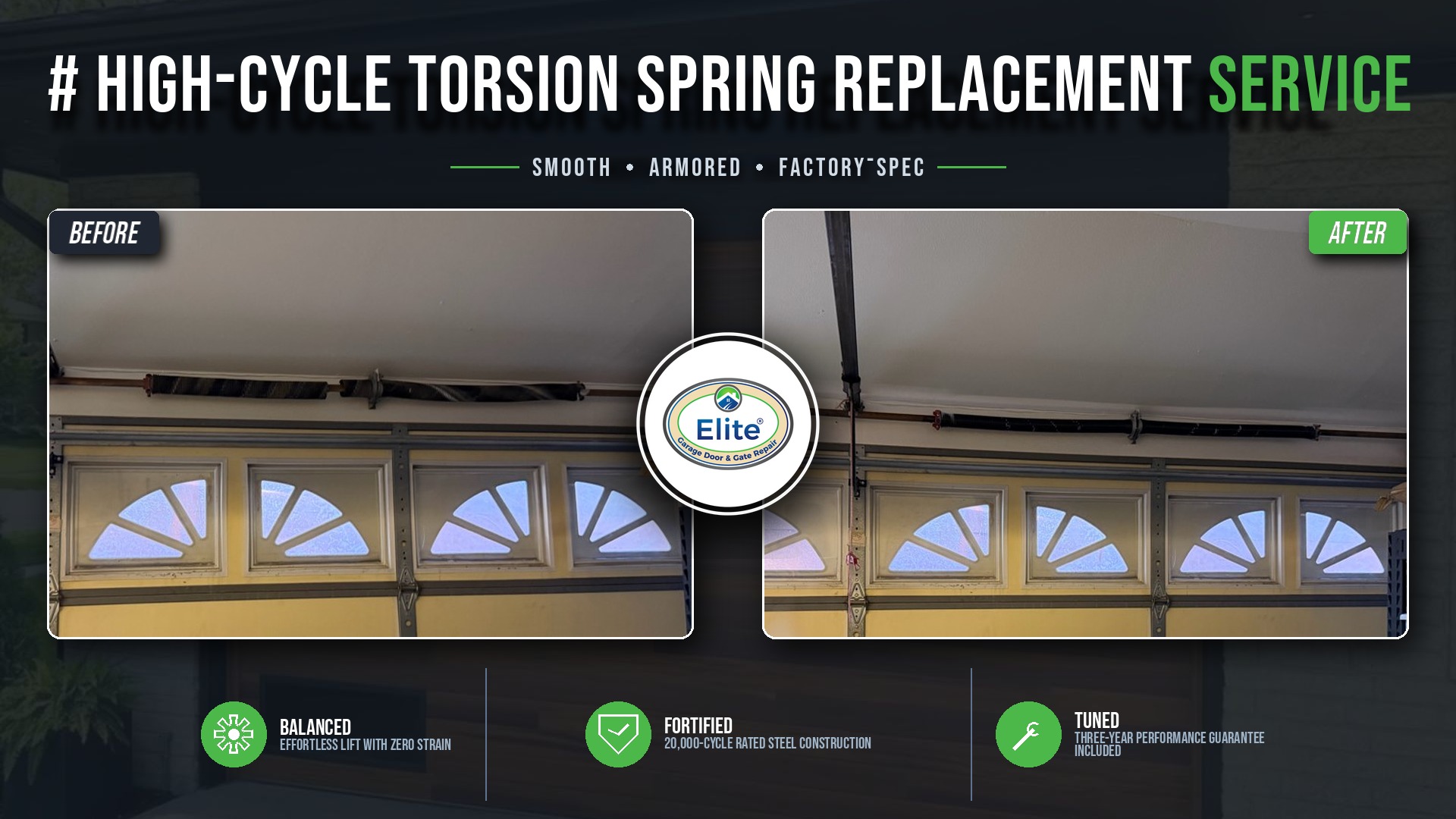
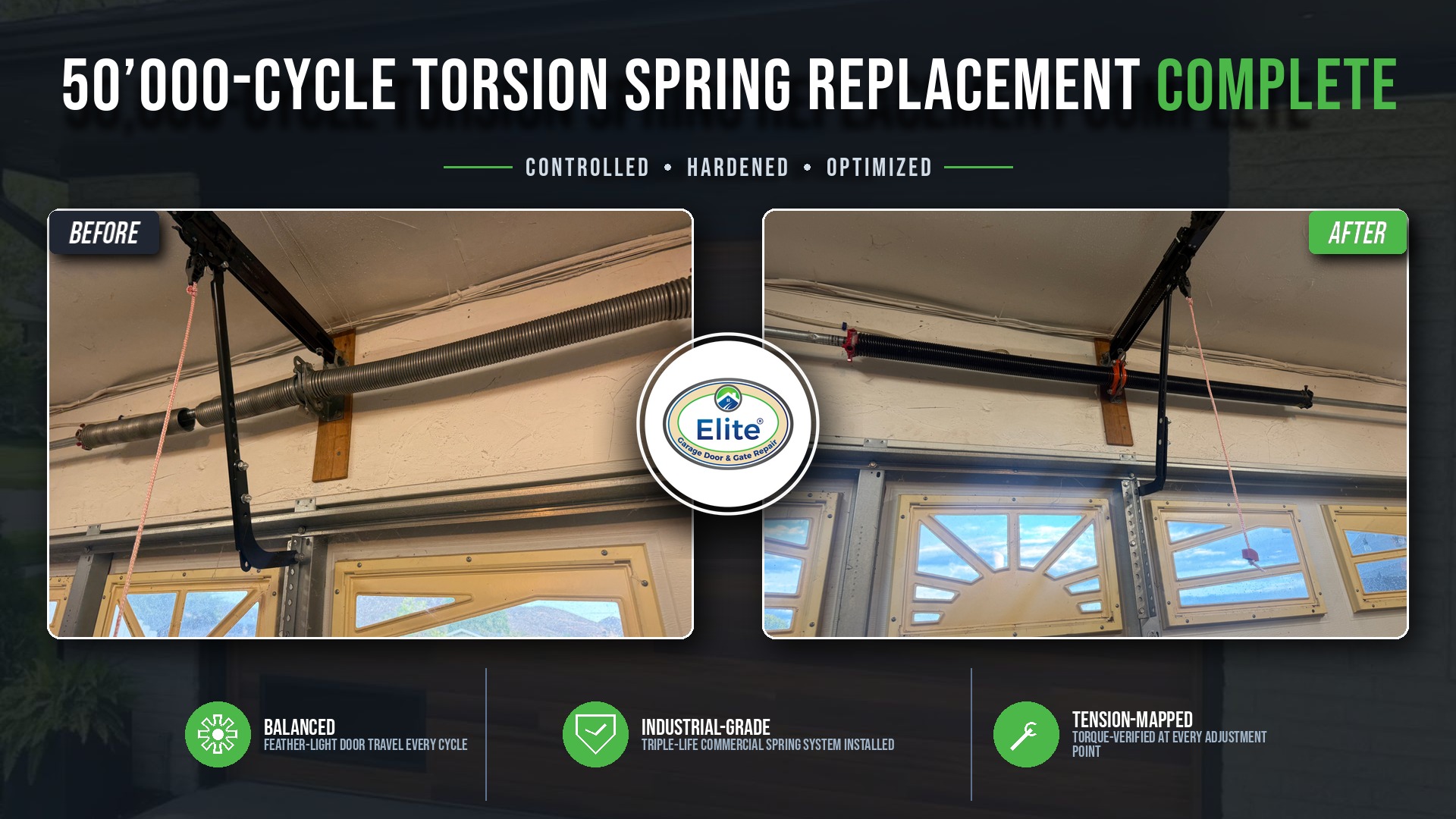
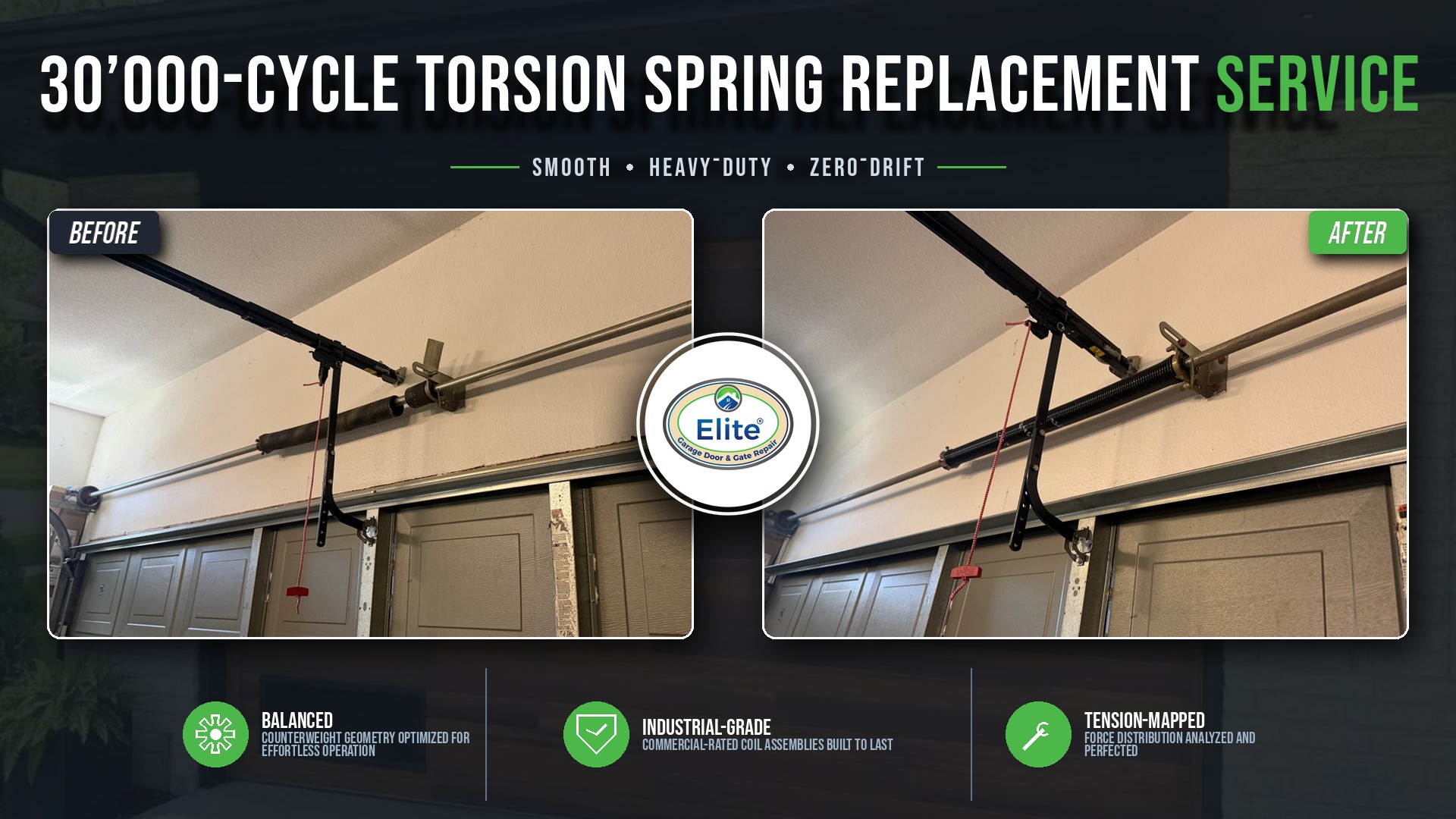
If the door feels heavy, the problem is often spring wear. Springs weaken gradually, and an older door may have springs that are simply near the end of their cycle life. At that point, the opener is forced to work too hard, which shortens opener life and increases safety risk.
If the door feels heavy or unbalanced, the correct next step is Garage Door Spring Repair.
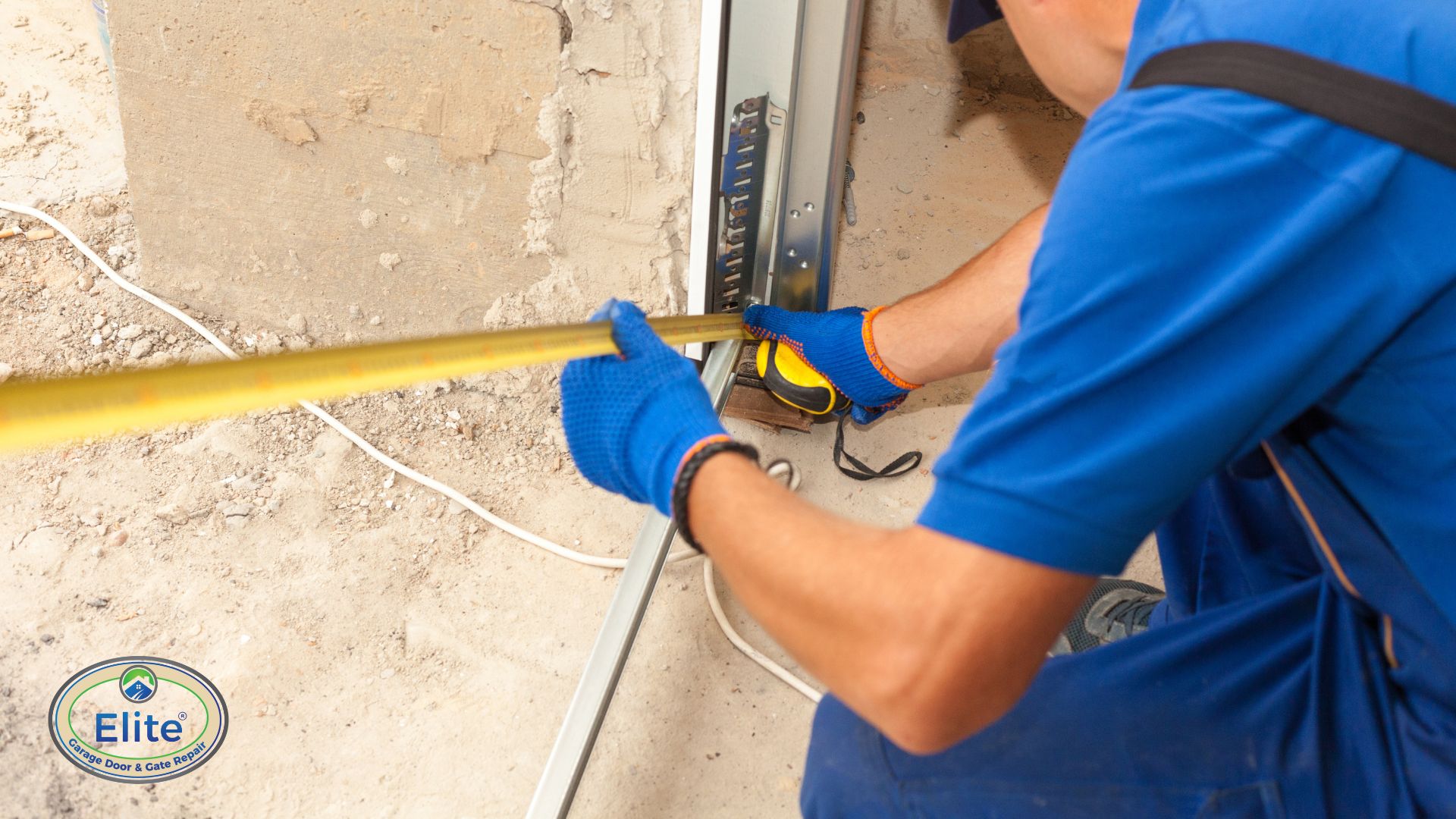
Reduce Friction Before It Becomes Structural Damage
Old doors often develop friction in rollers, hinges, bearings, and tracks. Friction is what turns “still working” into “suddenly broken.” It also causes the door to shake or wobble, which loosens hardware and wears tracks faster.
The biggest win with an old door is getting movement smooth again. That usually means cleaning buildup, lubricating moving parts, and replacing worn rollers before they start dragging.
If roller noise persists or the door vibrates during travel, worn rollers are often the cause. Replacing them early protects the tracks and keeps the door stable. Use Replacement Rollers if rollers are clearly worn.
For the full system approach, including lubrication, hardware checks, and smooth travel testing, your best internal reference is Garage Door Maintenance.
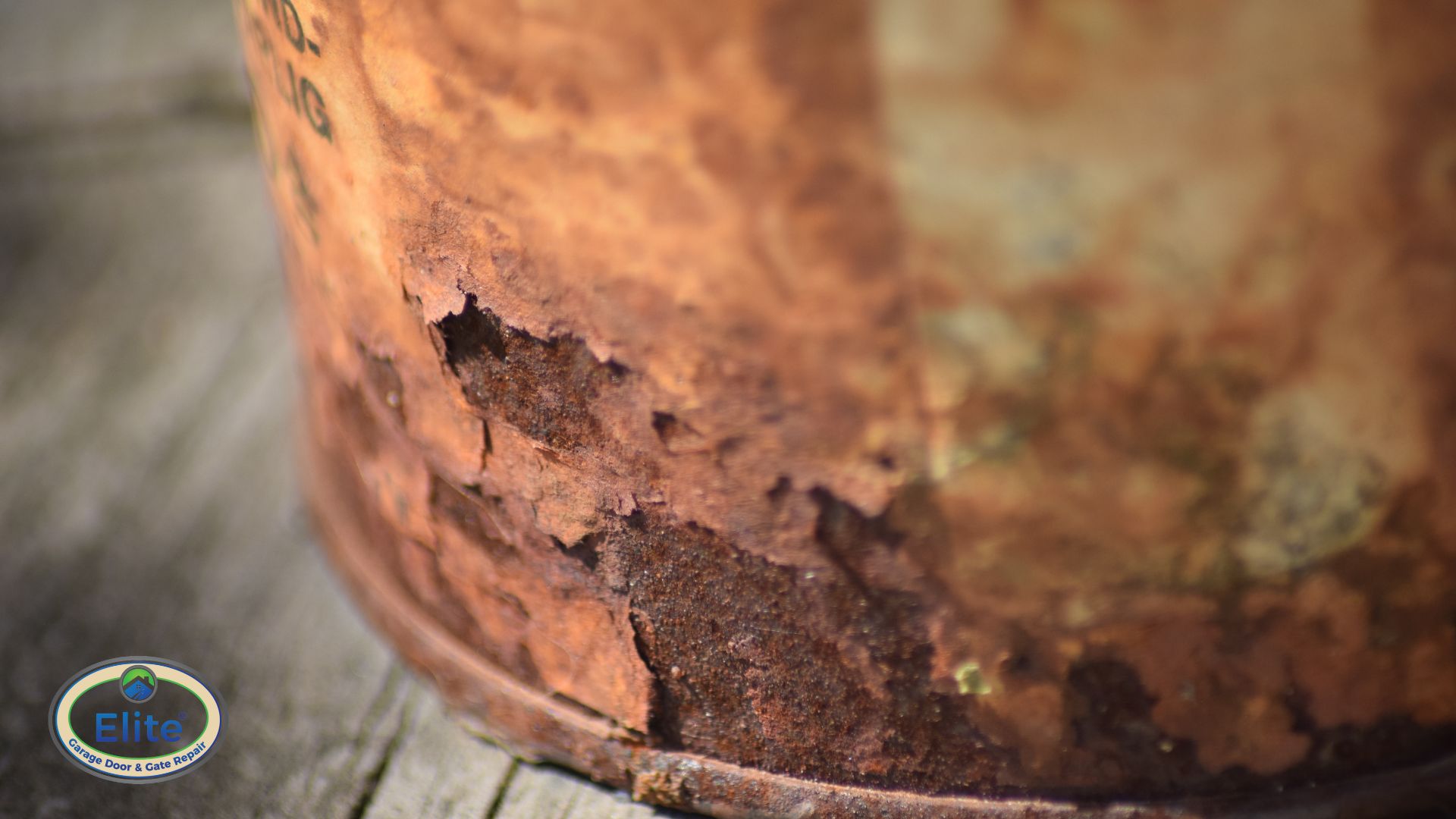
Pay Attention To Rust And Moisture Damage
In King County, rust tends to show up first on lower hardware and fasteners, where moisture and grime collect. Over time, corrosion stiffens hinges, roughens rollers, and increases resistance. Once resistance increases, everything starts wearing faster.
If you see rust spots or corrosion buildup, treat it as a performance issue, not just an appearance issue. Early prevention helps parts last longer and keeps the door from developing binding points.
This Seattle-relevant guide is the best companion resource: How To Protect Your Garage Door From Rust And Corrosion.
Know When It’s Time To Stop Patching And Bring In A Technician
With an older door, the goal is reliability. But sometimes “maintaining” becomes “constantly fixing,” and that’s where homeowners waste money.
Call a technician even if the door still works when:
If you need a clear decision point, this guide is built exactly for that: When To Call A Professional For Garage Door Repair.