

A garage door keypad that suddenly stops working can be surprisingly disruptive. You may press the code, hear a beep, or see a light flash, yet the door does nothing. In other cases, the keypad appears completely unresponsive. Because keypads are often used as a backup entry method, their failure usually happens at the worst possible time.
A non working keypad does not always mean the entire garage door system is broken. In many cases, the problem is isolated to the keypad itself or how it communicates with the opener. Understanding the most common reasons a garage door keypad fails helps you avoid unnecessary repairs and restore access faster.
A garage door keypad sends a wireless signal to the opener when the correct code is entered. The opener then verifies the code and activates the door. Unlike remotes, keypads are exposed to weather, temperature changes, and frequent use, which makes them more prone to wear.
Because keypads operate independently from remotes, a keypad failure does not always affect other controls.
The Most Common Reasons a Garage Door Keypad Stops Working
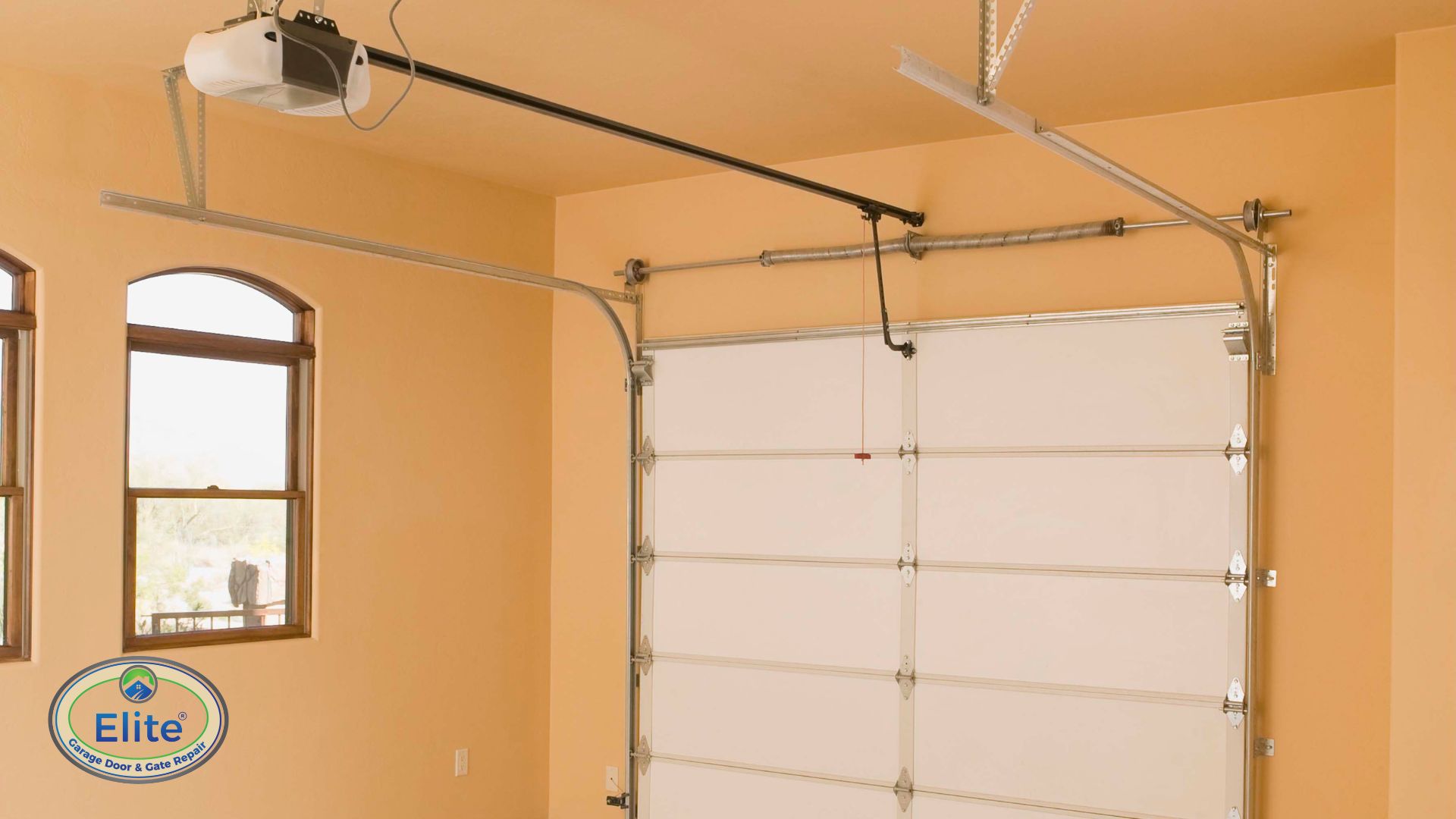
The Most Common Reasons a Garage Door Keypad Stops Working
Environmental Factors That Affect Keypads
Garage door keypads are designed for outdoor use, but prolonged exposure still takes a toll.
Rain, humidity, direct sunlight, and freezing temperatures all contribute to internal corrosion or contact failure. Over time, moisture can enter the keypad housing and interfere with internal components.
This is why keypad issues often appear after seasonal weather changes.
How the Opener Can Contribute to Keypad Problems
Sometimes the keypad is not the real problem.
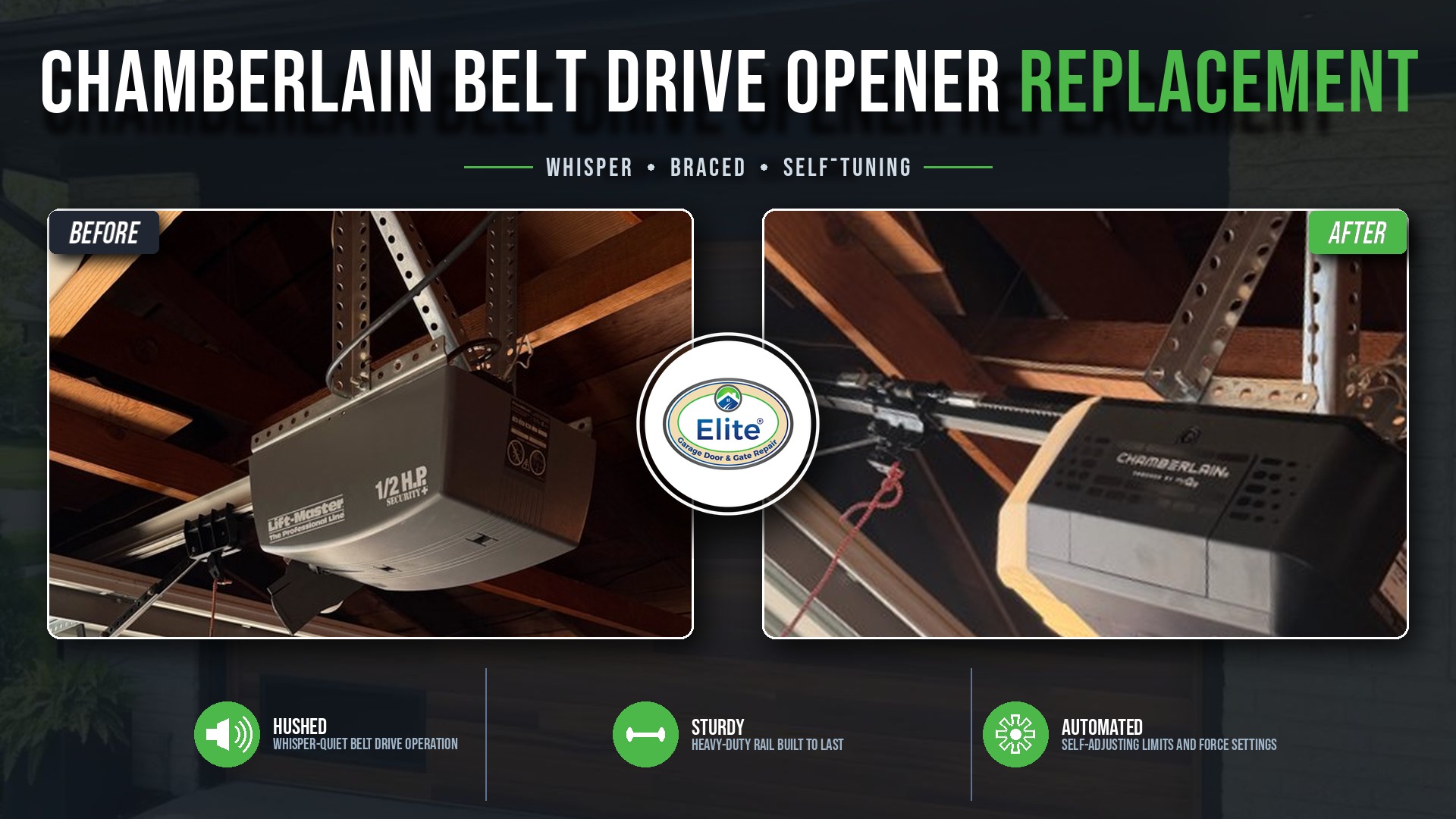
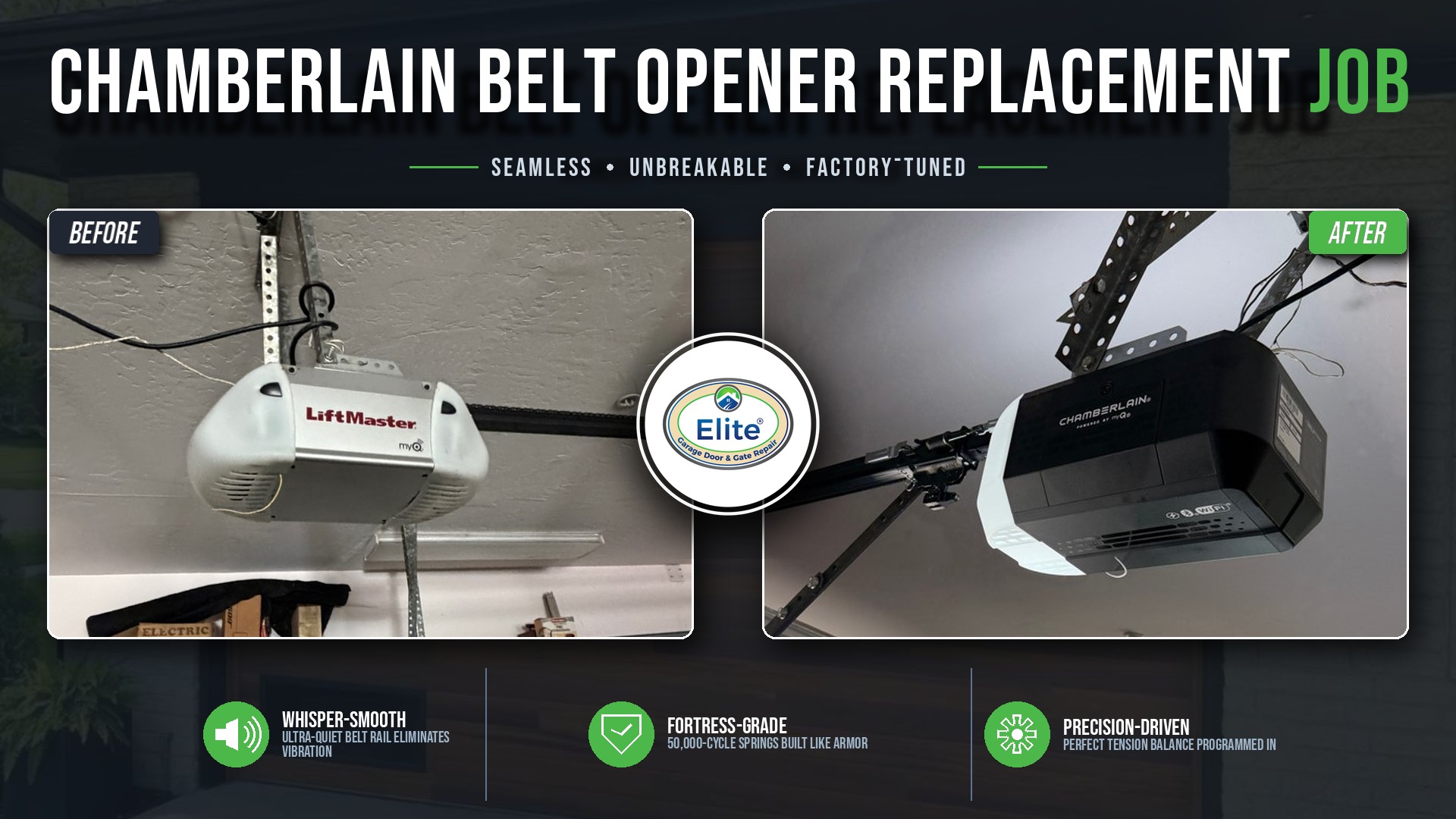
If the opener’s receiver is malfunctioning or the logic board is failing, it may not accept keypad signals even when remotes still work intermittently. Wiring issues near the opener can also affect signal reception.
If multiple control methods behave unpredictably, professional Garage Door Opener Repair may be needed to properly diagnose the issue.
Should You Keep Trying Different Codes Repeatedly
Using an alternative entry method such as a remote or manual release is safer until the issue is resolved.
When Replacing the Keypad Makes More Sense Than Repair
Keypads are relatively affordable compared to other garage door components. If the keypad is old, heavily worn, or water damaged, replacement is often more practical than repair.
Newer keypads also offer improved reliability and security features compared to older models.
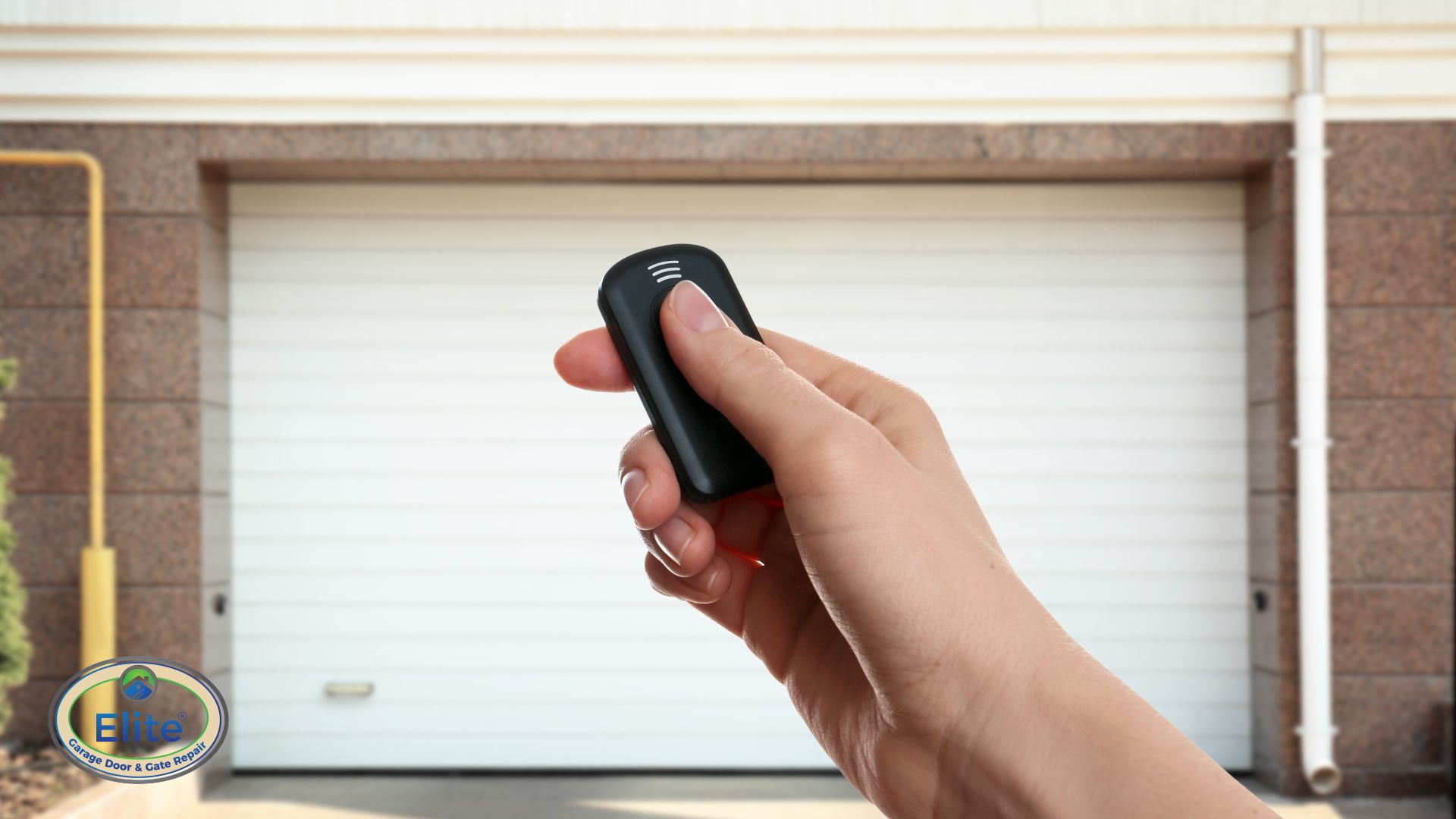
When Replacing the Keypad Makes More Sense Than Repair
How Professionals Diagnose Keypad Issues
A technician will typically test battery output, button response, signal transmission, and programming. The opener receiver and logic board are also checked to ensure they are properly receiving keypad signals.
This approach prevents replacing the keypad when the real issue lies elsewhere.
Related Problems That Can Appear at the Same Time
Keypad issues sometimes occur alongside other access problems. If the door has recently shown inconsistent opening behavior, the issue may not be limited to the keypad alone.
This related article explains how different access and opening issues can be connected: Reasons Garage Door Opening Problems Happen
Common Questions About Garage Door Keypads
Many homeowners ask whether a keypad problem means the opener is failing. In most cases, it does not.
This FAQ explains common opener related issues and what they usually indicate: Why Will My Garage Door Opener Not Operate?

Common Questions About Garage Door Keypads
How to Reduce the Risk of Future Keypad Problems
Final Thoughts
A garage door keypad that stops working is usually caused by battery failure, worn buttons, lost programming, or environmental exposure. While the issue is often isolated, it can sometimes point to a larger opener communication problem.
Addressing keypad issues early restores reliable access and helps prevent frustration when you need entry the most.