

Rust on a garage door often starts small. A few orange spots near the bottom panel or around hinges do not seem urgent at first. Many homeowners treat rust as a cosmetic issue and assume it can wait. In reality, rust is a slow moving problem that quietly weakens the door over time.
A garage door is constantly exposed to moisture, temperature changes, and air contaminants. When rust appears, it means the protective barrier on the metal has already been compromised. Understanding how serious rust can become and what actions actually help can extend the life of your garage door significantly.
Why Garage Door Rust Should Not Be Ignored
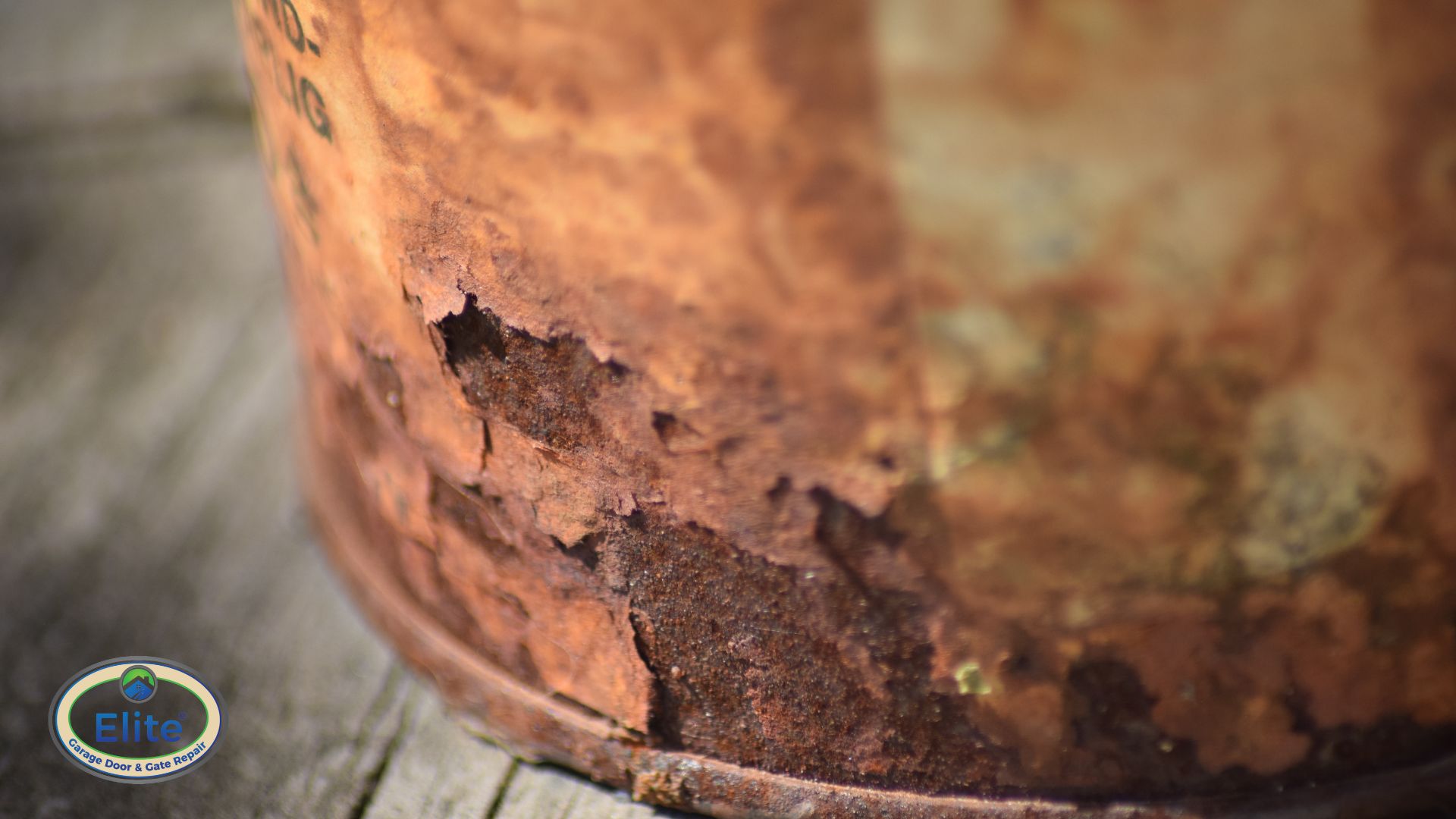
Rust is more than surface damage. Once corrosion starts, it spreads underneath paint and protective coatings. As the metal weakens, panels lose strength, hardware degrades faster, and the door becomes more vulnerable to bending or cracking.
Rust near the bottom of the door is especially concerning because that area carries much of the door’s weight and absorbs moisture from the ground.
Why Garage Door Rust Should Not Be Ignored
Where Rust Commonly Forms on Garage Doors
Rust tends to appear in predictable locations. Knowing where to look helps catch the problem early.
In coastal or high moisture environments, corrosion develops faster and requires closer attention.
How Rust Affects Garage Door Performance
As rust spreads, it changes how the door moves. Panels may become uneven, creating resistance during opening and closing. Hinges may stiffen, and rollers may not glide smoothly.
Over time, this added resistance increases strain on the opener and other components. What begins as a visual issue often turns into a mechanical one.
When Surface Rust Can Be Treated
Early stage rust can often be managed without major repair. Light surface corrosion can sometimes be sanded, treated, and sealed to slow further damage.
This approach works best when the rust is shallow and limited to small areas. Treating rust early helps preserve panel strength and appearance.
This guide explains practical prevention and treatment methods in more detail: How To Protect Your Garage Door From Rust And Corrosion
When Rust Signals a Bigger Problem
Rust that affects door seams, panel edges, or load bearing sections can compromise safety and stability. Continued use may lead to panel failure or difficulty keeping the door aligned.
The Role of Maintenance in Preventing Rust
Regular maintenance is one of the most effective ways to slow corrosion. Cleaning the door surface removes contaminants that trap moisture. Lubricating hinges and hardware prevents rust from forming in moving joints.
Scheduled Garage Door Maintenance inspections also help identify early signs of corrosion before it becomes severe.
The Role of Maintenance in Preventing Rust
Can Painting a Garage Door Stop Rust?
This FAQ explains what homeowners should know before painting a garage door: Paint Garage Door
How Environment Plays a Role in Corrosion
Garages in damp climates, coastal areas, or locations with heavy rainfall face higher corrosion risk. Poor ventilation also contributes by trapping moisture inside the garage.
Improving drainage, sealing gaps, and ensuring airflow helps reduce moisture buildup and slows rust formation.
When Replacement Becomes the Better Option
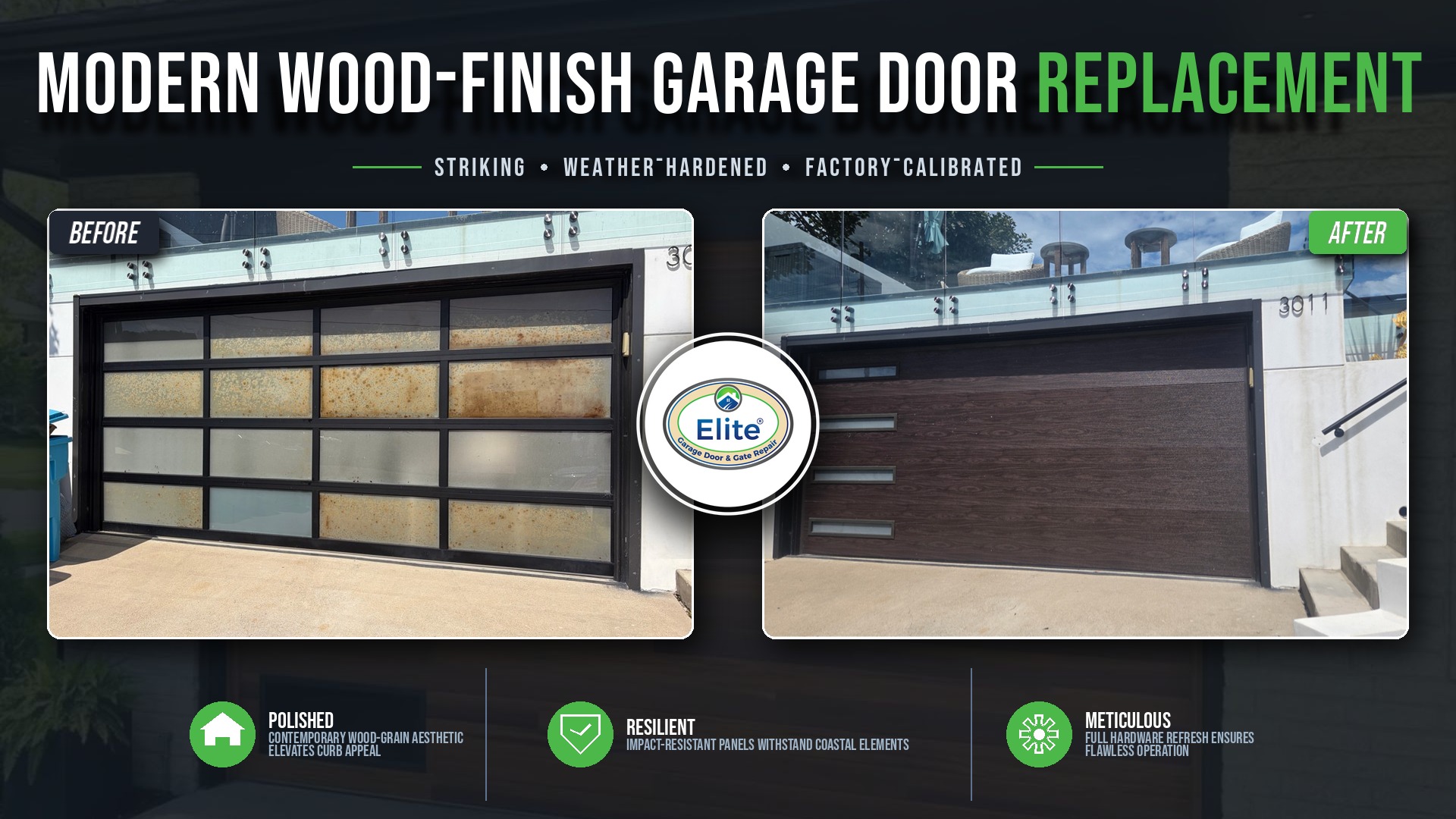
If rust has spread across multiple panels or compromised structural sections, replacement may be more cost effective than ongoing repairs. Severely rusted doors often continue to deteriorate even after treatment.
A professional inspection helps determine whether repair or replacement is the safer long term choice.
Final Thoughts
Rust on a garage door is not just a cosmetic concern. It signals moisture exposure and material breakdown that can affect performance, safety, and lifespan. Addressing rust early, maintaining protective coatings, and responding to environmental factors all help preserve the door.
Ignoring corrosion allows damage to spread quietly until larger repairs or replacement become unavoidable.