

One of the biggest mistakes homeowners make with garage doors is waiting for a complete breakdown before calling a technician. It makes sense emotionally. If the door still opens and closes, it feels like it can wait. But garage doors don’t usually go from perfect to broken overnight. They degrade in stages. And the stage where the door “still works” is often the best and cheapest time to fix what’s wrong.
Calling a technician early is not about being overly cautious. It’s about preventing the kind of failure that traps your car, damages the opener, bends tracks, or creates a safety hazard. If you know what warning signs matter, you can avoid emergency repairs and keep the whole system lasting longer.
A garage door can technically operate while being out of balance, running with friction, or stressing critical parts. The opener might still lift it. The door might still close most of the time. But the system is paying a cost in the background.
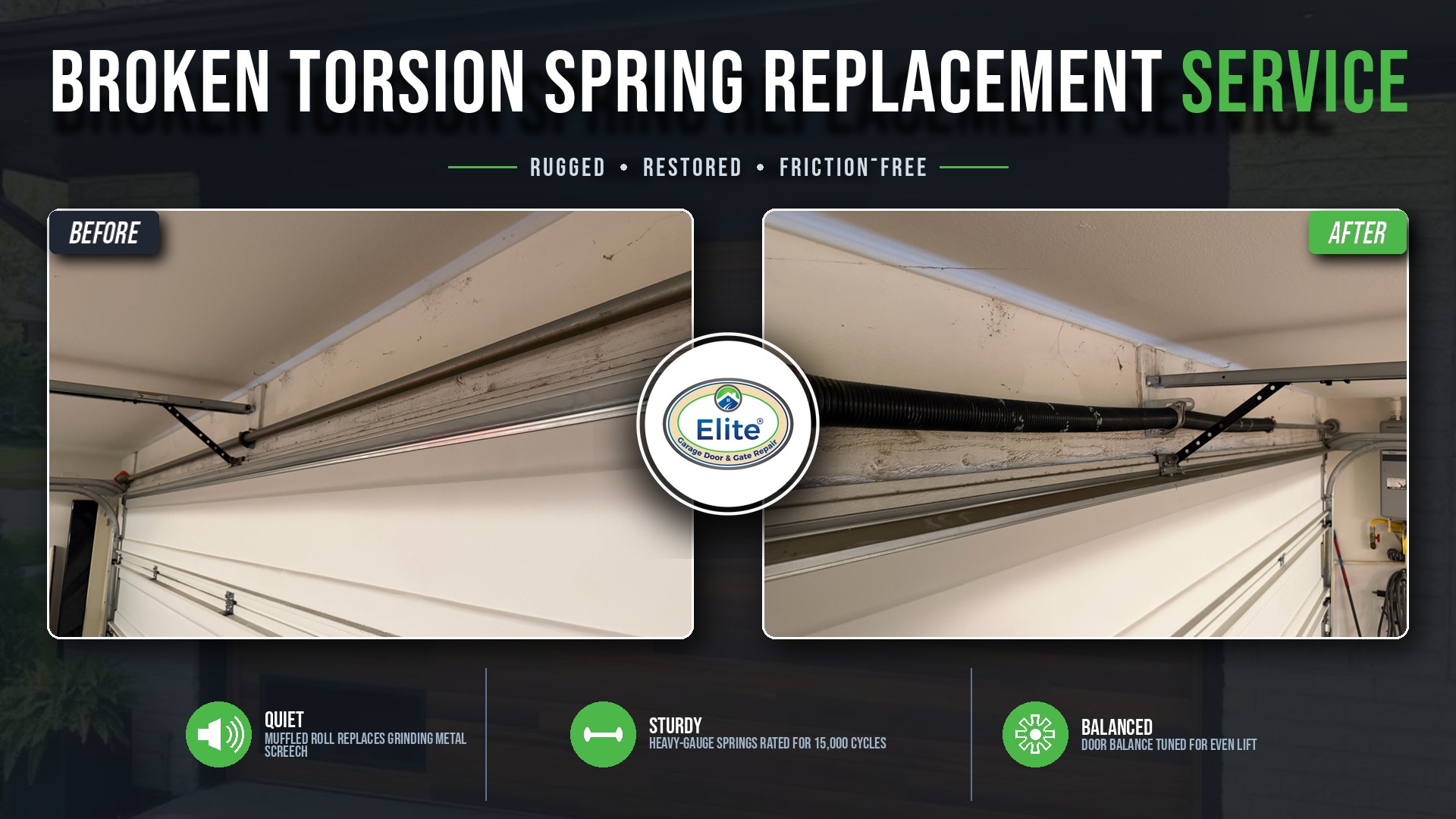
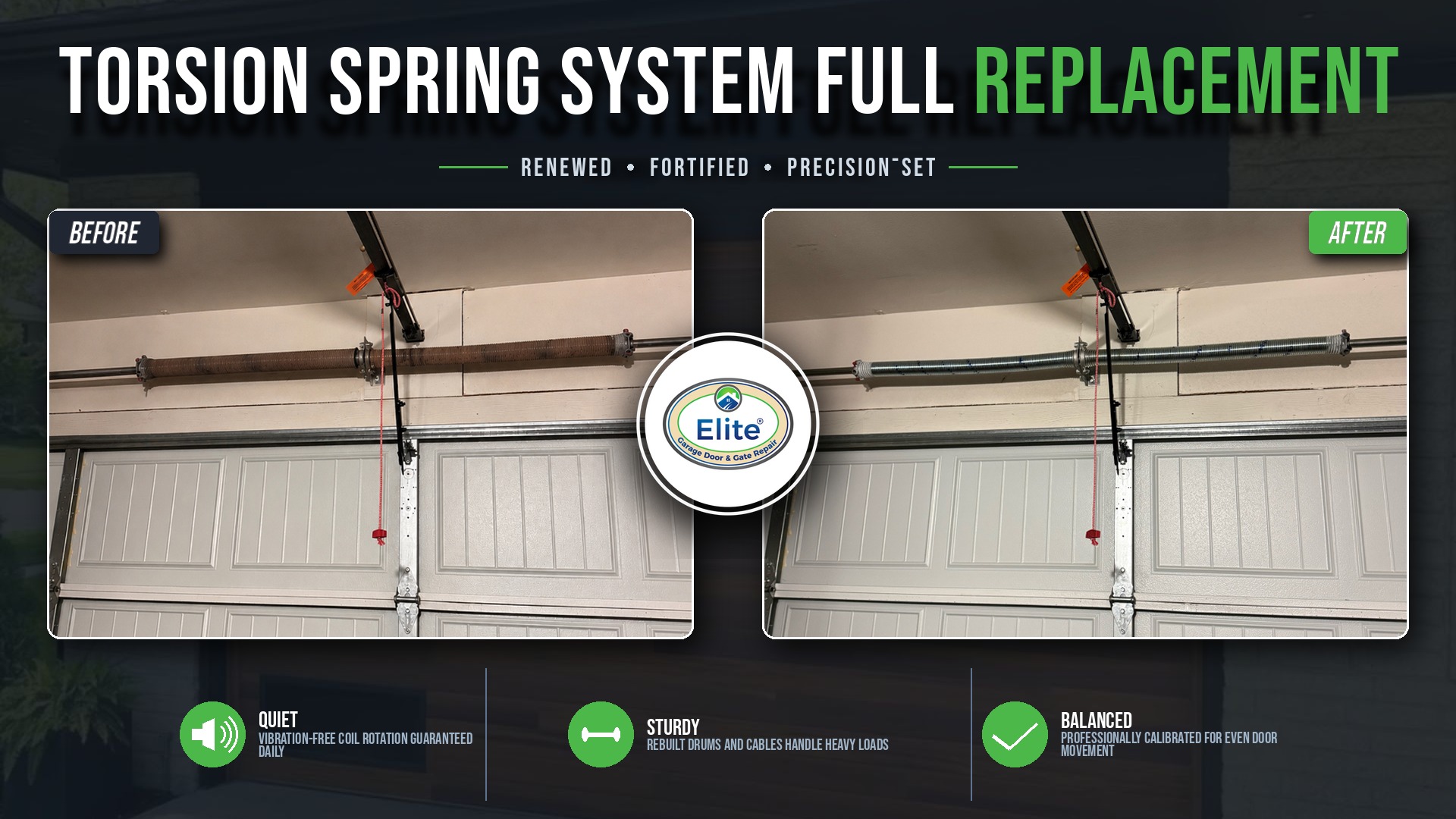
The best example is spring wear. Springs can weaken gradually for months. During that time the opener compensates, which means the opener is doing more lifting than it should. The door still works, but the opener is being worn down. Then the spring snaps and the opener may also be damaged from the strain.
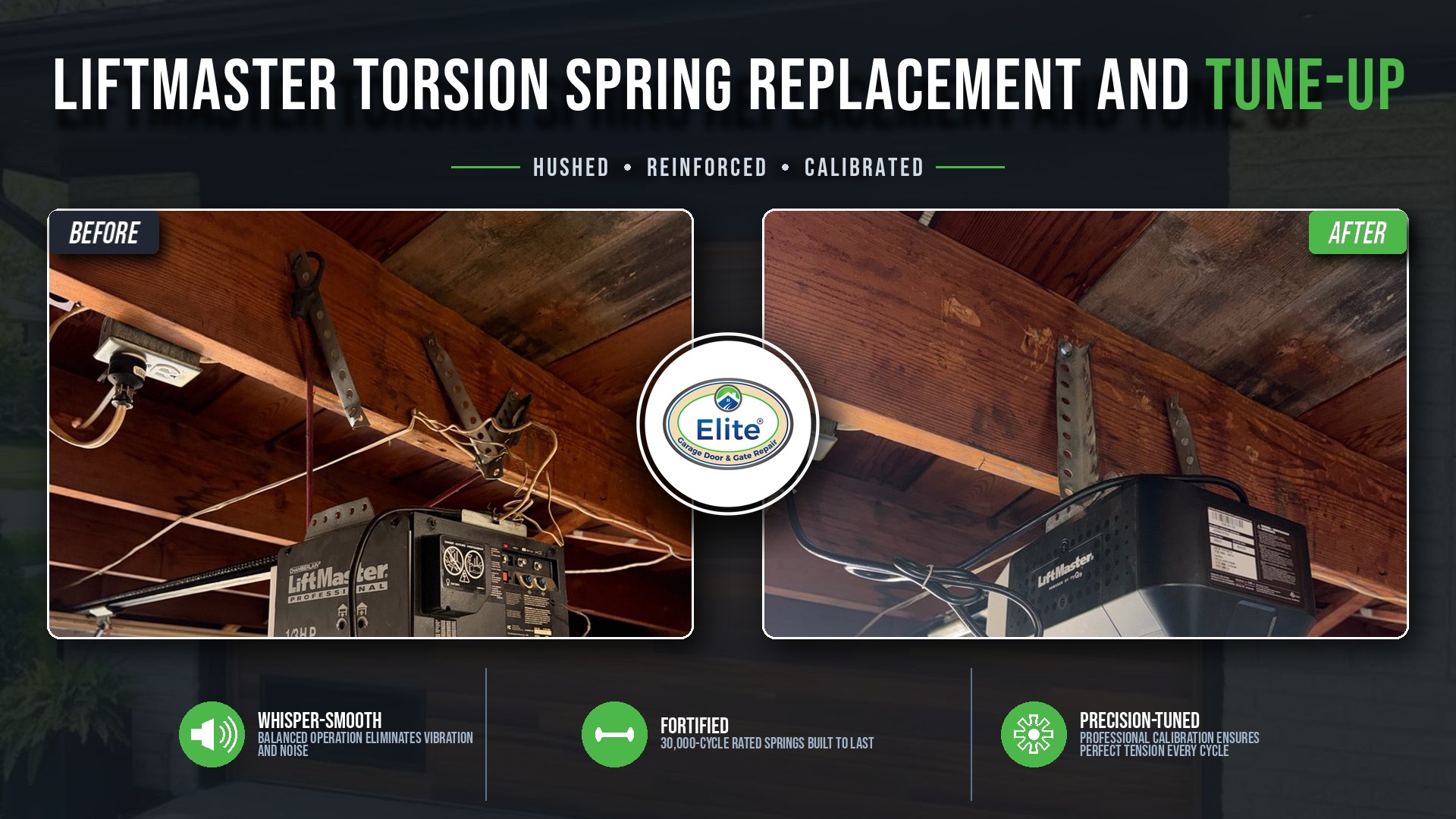
If your door feels heavier than normal, or the opener sounds like it’s working harder, that’s not a “wait and see” situation. It’s usually a spring balance issue, and the correct step is Garage Door Spring Repair before it becomes a sudden failure.
“Still Works” Can Still Mean Unsafe Or Expensive Later
Warning Signs That Mean You Should Call Now, Not Later
There are a handful of symptoms that are strongly predictive of future failure. When you see them, you don’t need to panic, but you should schedule service before the problem escalates.
Common signs that deserve a technician visit:
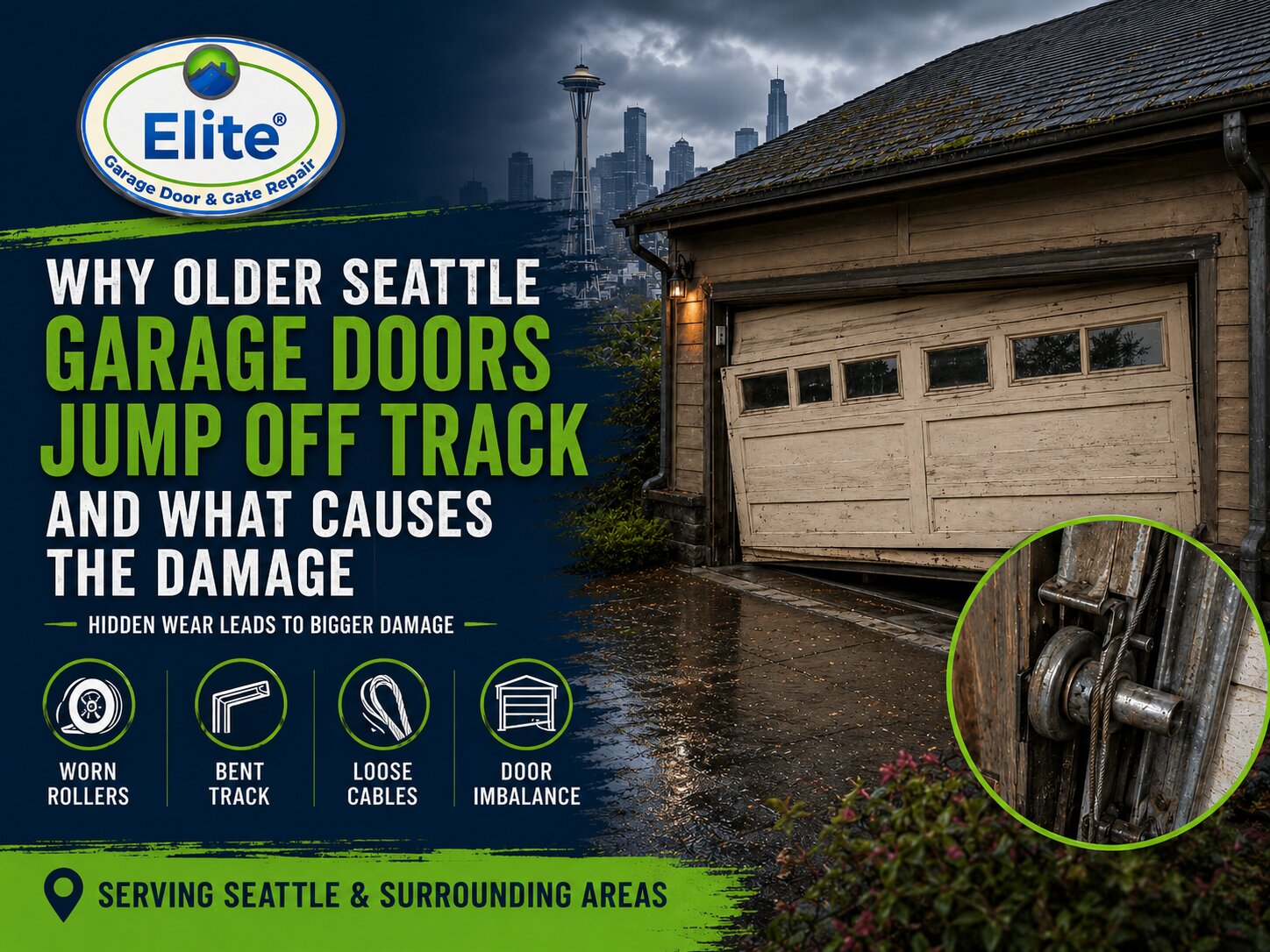
If your door is vibrating or travel feels rough, worn rollers are a common cause. Replacing them early prevents track wear and reduces opener strain. This is the most direct internal link for that: Replacement Rollers.
Why Seattle Weather Makes “Early Service” More Important
In Seattle and King County, moisture and damp air accelerate corrosion and grime buildup. That impacts hinges, rollers, tracks, and springs. A door can still work while friction is increasing, especially during the wet season. But the added resistance builds wear quickly.
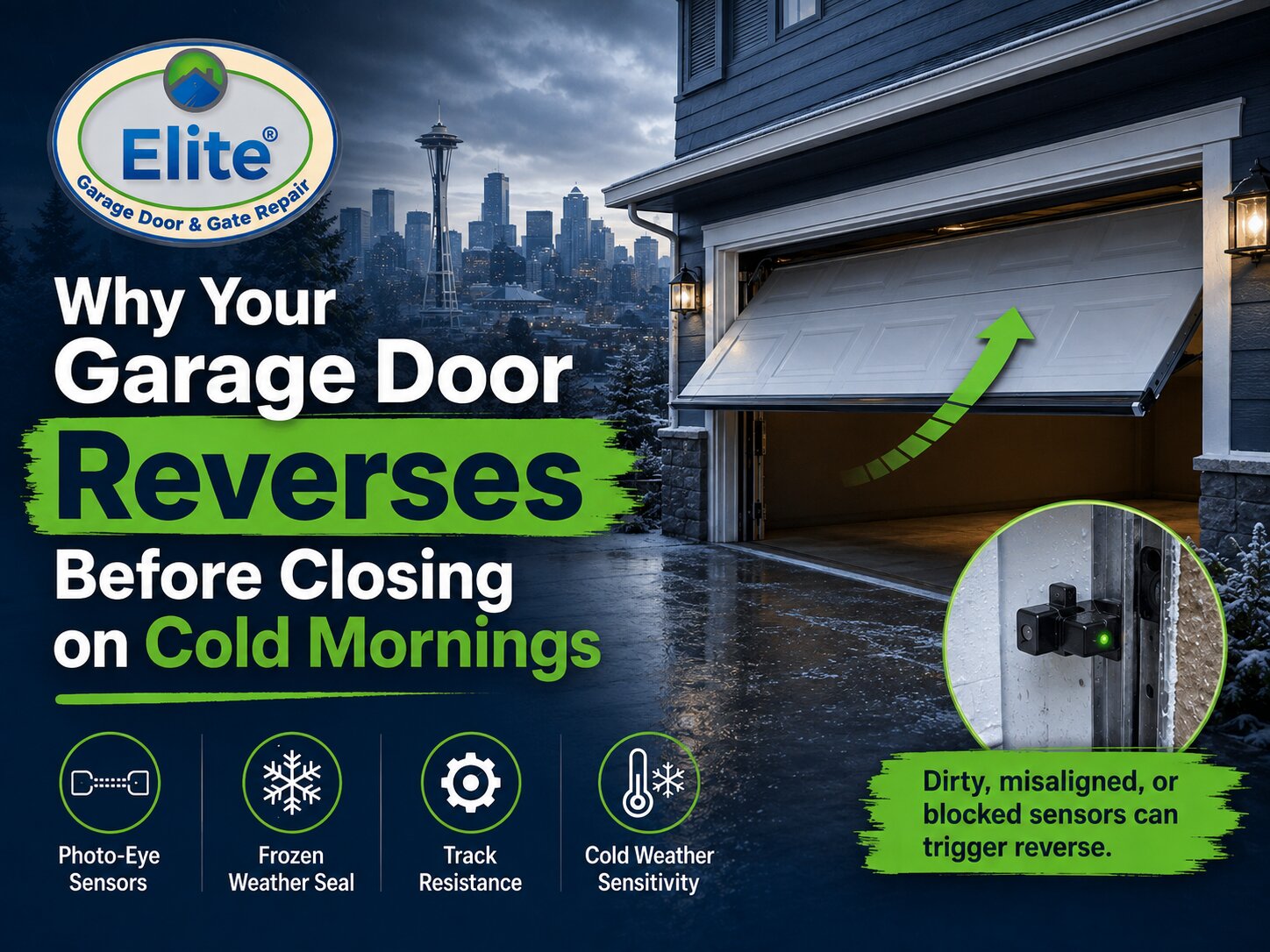
It’s common for homeowners to notice issues seasonally: rough movement in winter, sensors acting up during rainy months, or noise that gets worse when temperatures drop. These patterns are usually a sign the system needs cleaning, lubrication, and inspection.
Routine Garage Door Maintenance is one of the best ways to prevent weather-driven wear and avoid the point where “still works” becomes “stuck shut.”
When The Opener Is Giving You Early Warnings
Sometimes the door feels okay, but the opener is telling you something through behavior.
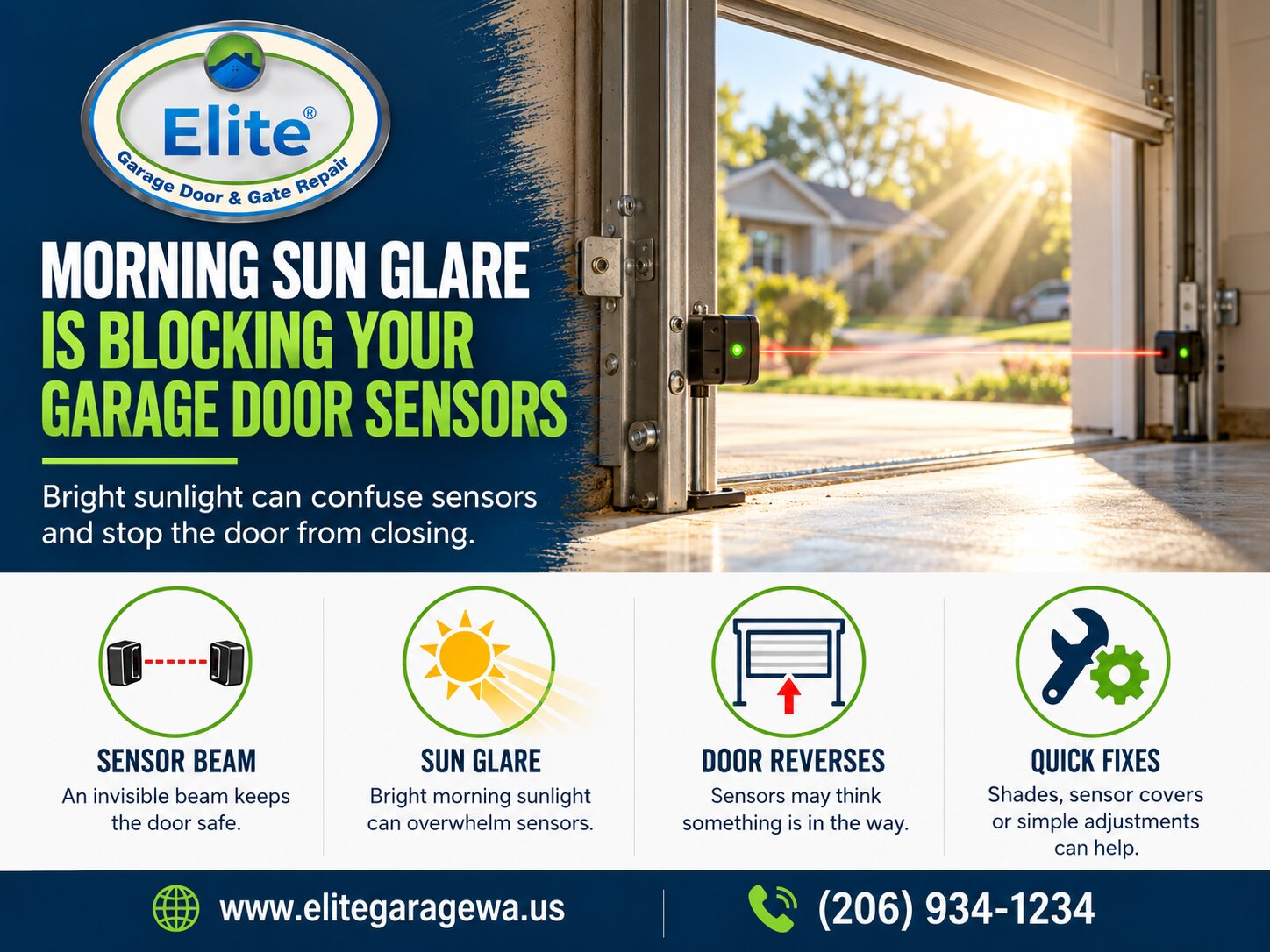
If the remote becomes inconsistent, the opener light flashes unexpectedly, the door pauses mid-travel, or it starts reversing for no obvious reason, the opener may be reacting to resistance or internal electronics issues. Ignoring these signs often leads to total failure at an inconvenient time.
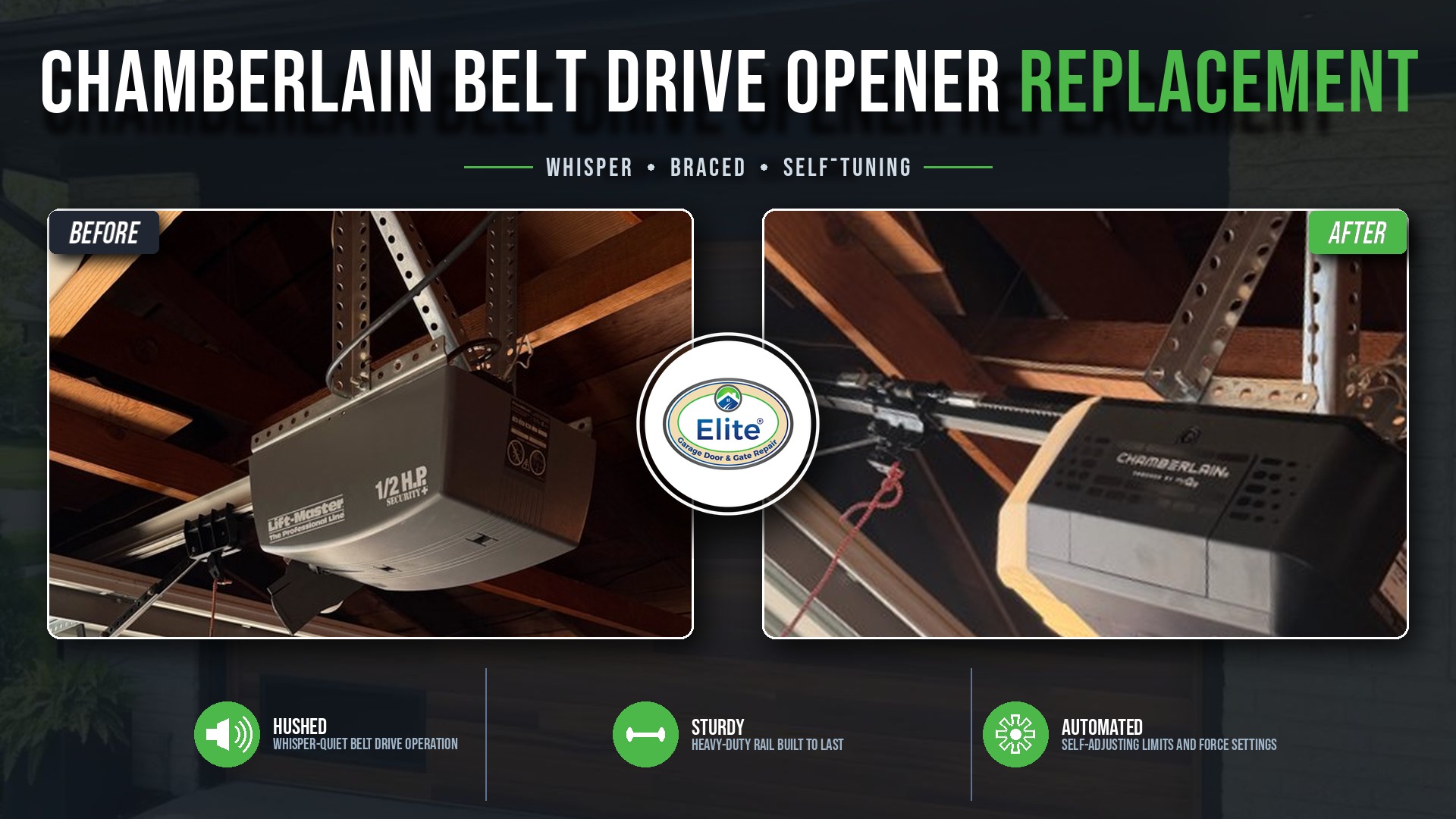
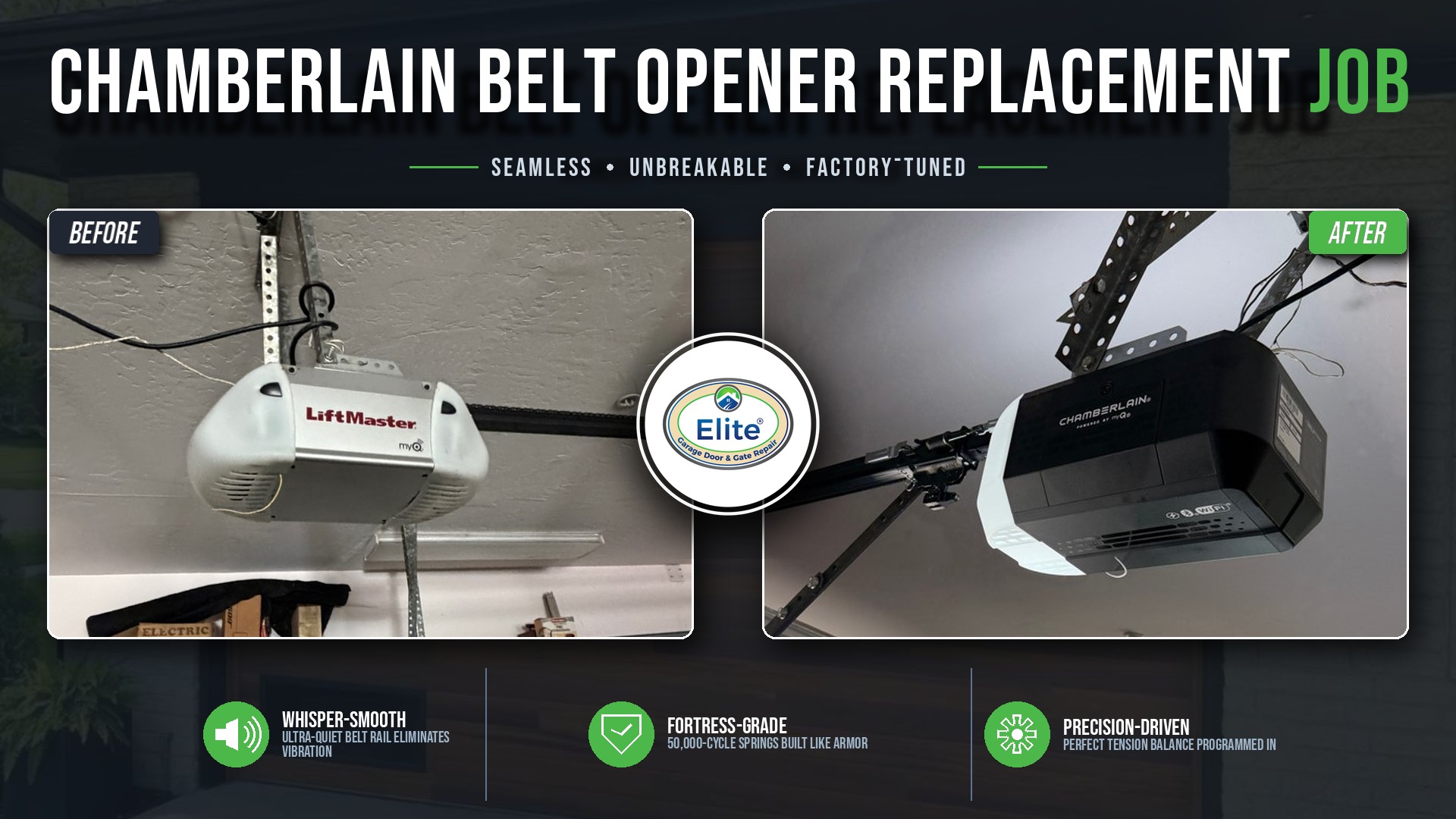
In those cases, professional diagnosis through Garage Door Opener Repair is the right step. It’s often cheaper to catch an opener issue early than to wait until the unit burns out or damages the rail.
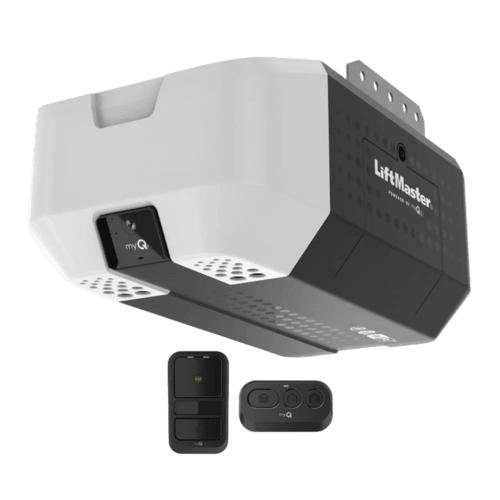
When The Opener Is Giving You Early Warnings
The Simple Rule That Saves The Most Money
Calling a technician early protects your opener, reduces safety risk, and usually lowers the repair cost because the problem has not spread.
For your team and your customers, this decision guide still applies as the core reference: When To Call A Professional For Garage Door Repair.