

Seattle weather isn’t extreme in one direction, but it’s persistent. Damp months, sudden cold snaps, and repeated wet-to-dry cycles can affect how a garage door moves more than people expect. Most weather-driven garage door problems are not “random.” They are the result of friction, moisture, and small alignment changes that become noticeable when conditions shift.
In King County, the goal is simple: keep the system smooth enough that weather changes don’t push it into malfunction territory.
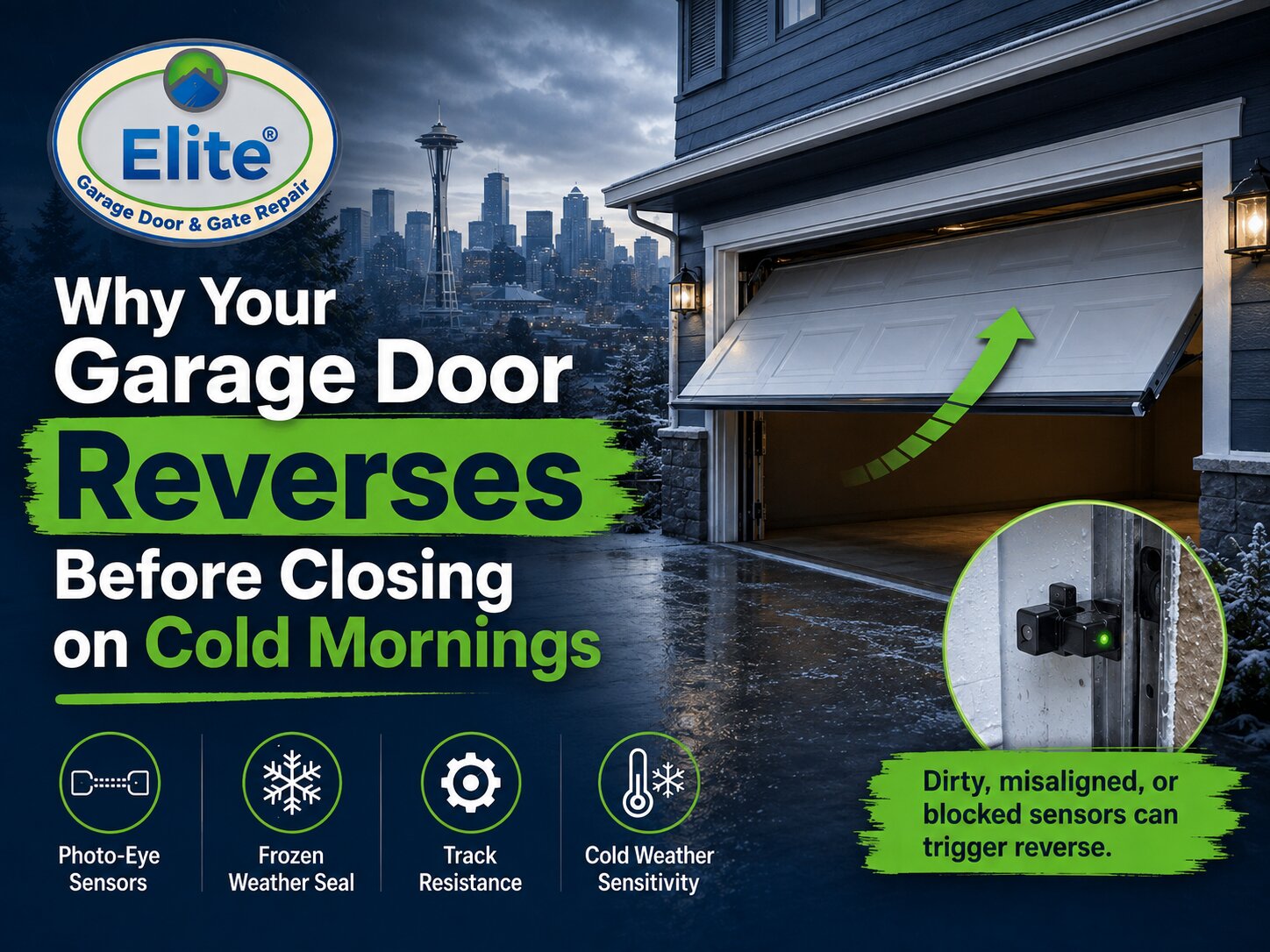
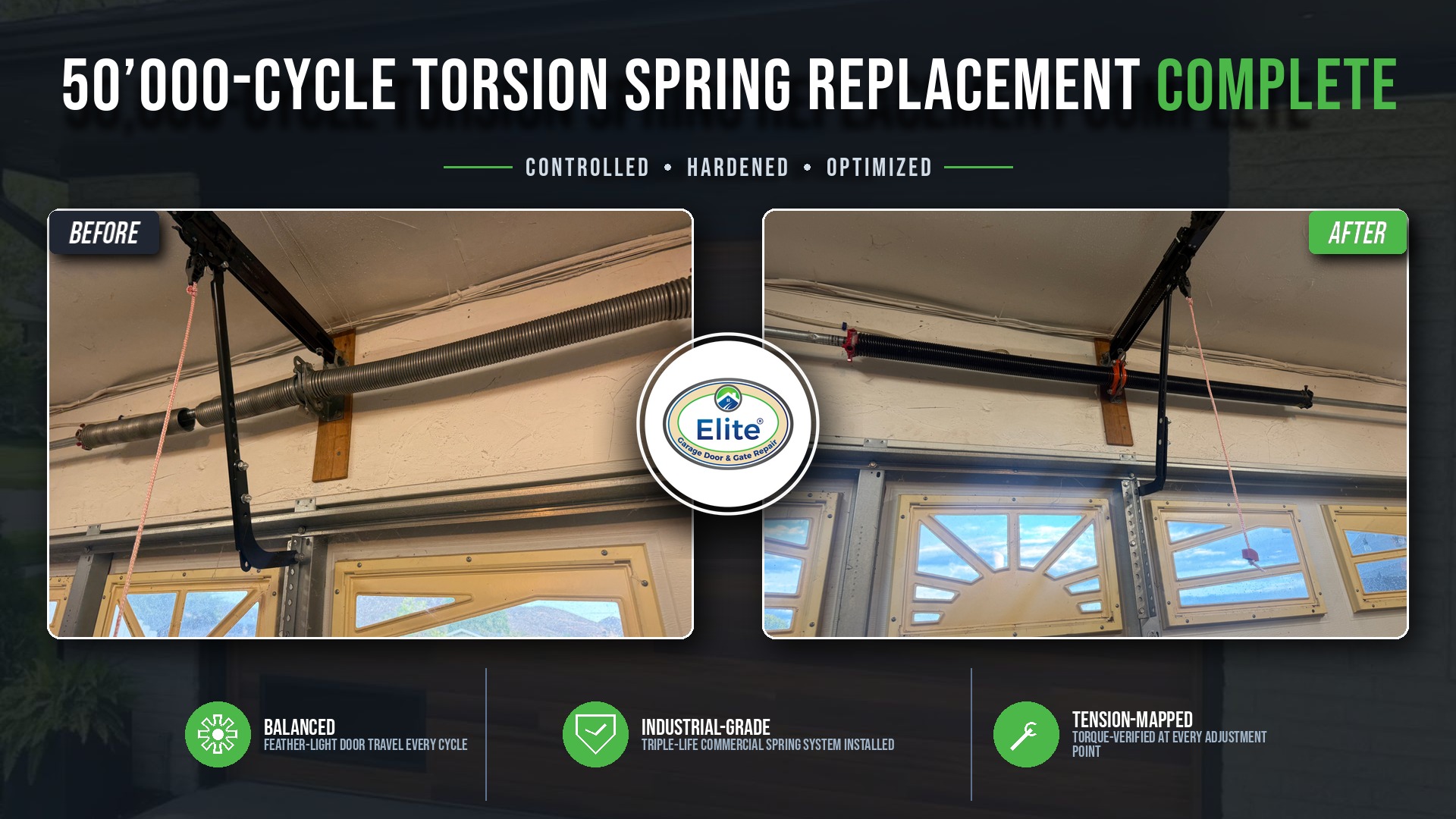
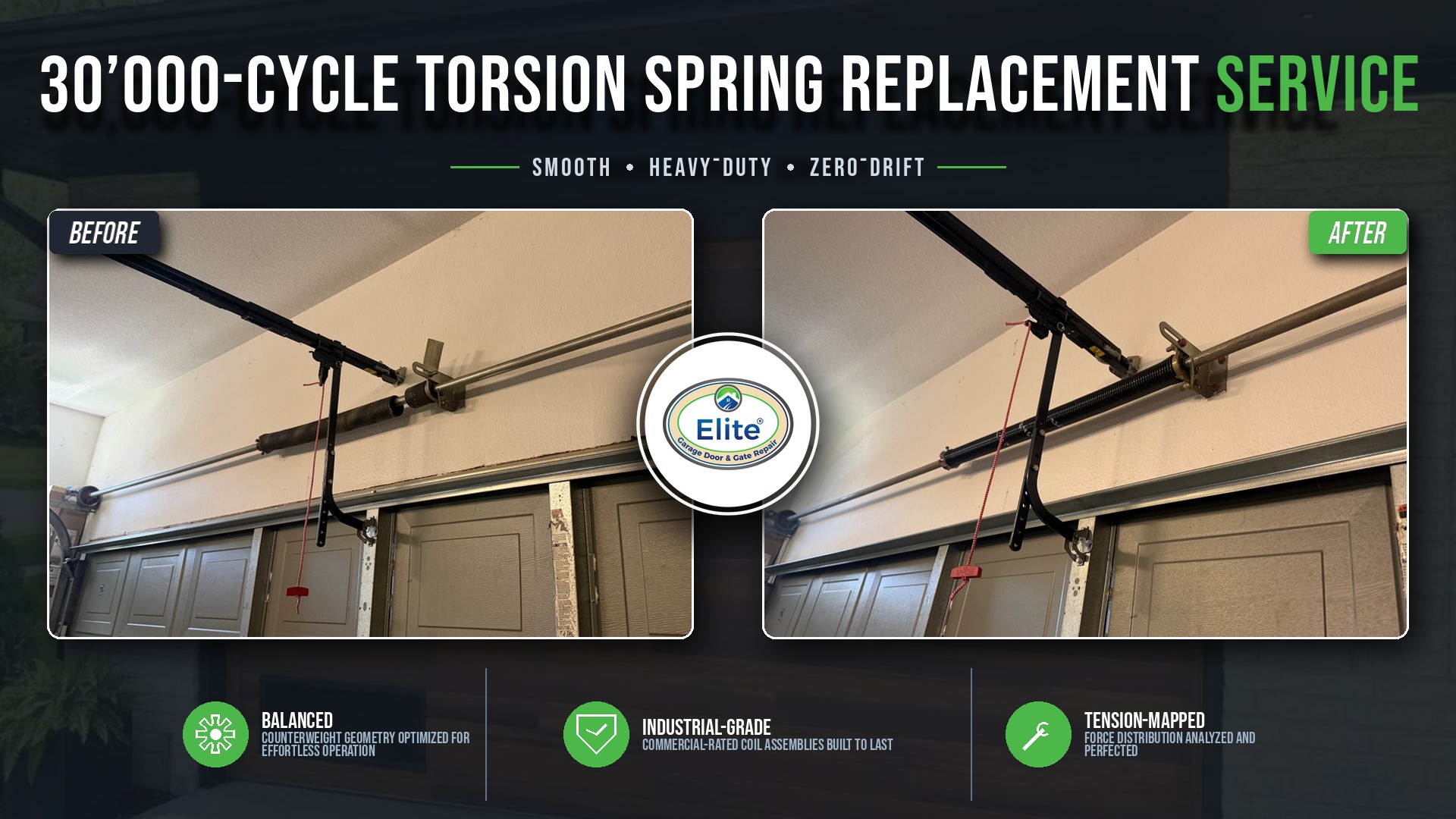
Seattle doesn’t get constant deep freezes, but it does get cold mornings and cold snaps. When temperatures drop, metal contracts slightly and lubrication thickens. Doors that are already borderline smooth can become noticeably stiff. Springs that are near the end of their life are also more likely to fail during temperature drops.
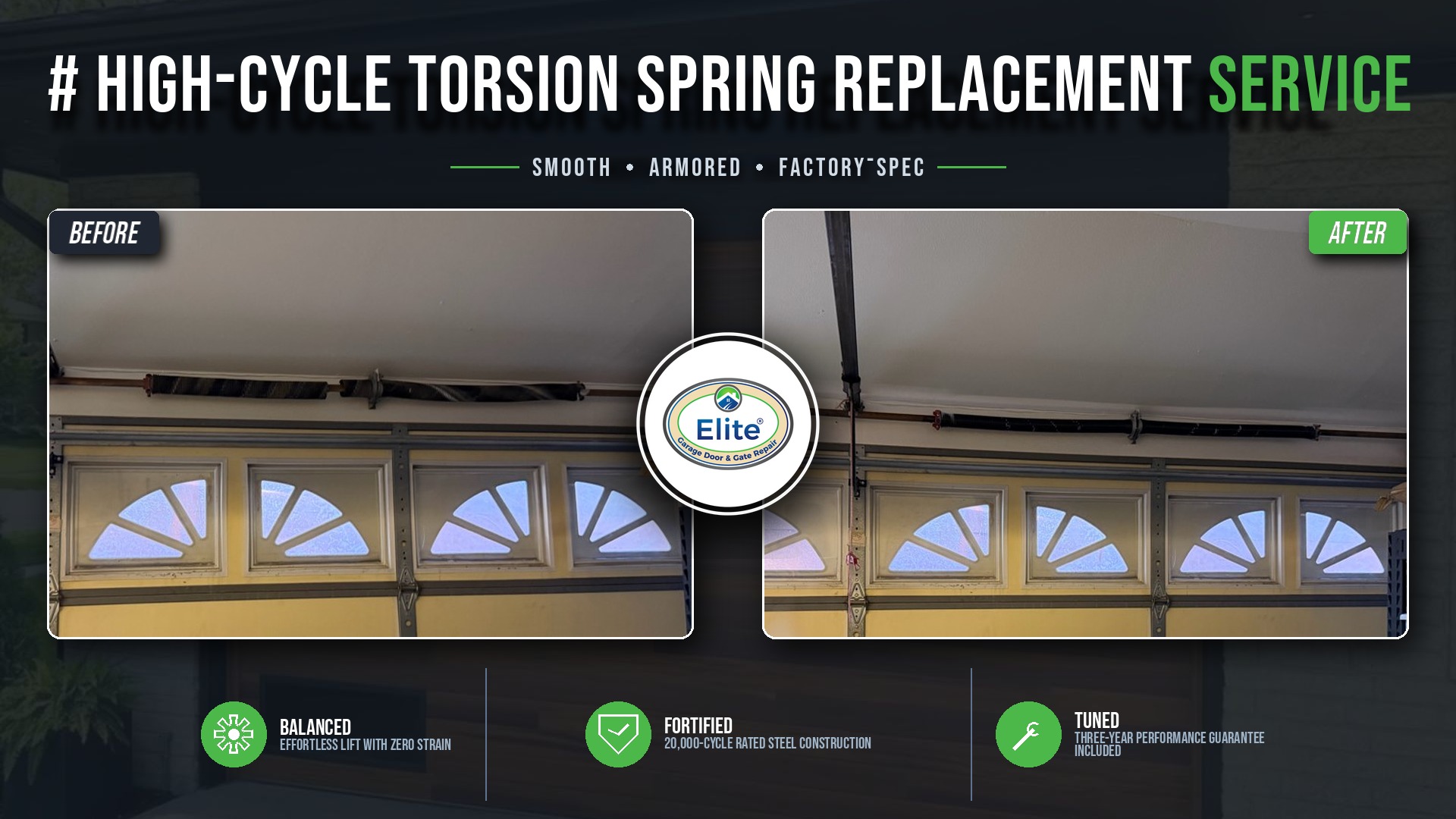
If the door suddenly feels heavier or the opener sounds like it’s working harder on colder days, don’t force it. This is often a spring or balance issue, not a remote problem. The correct repair path is Garage Door Spring Repair.

Cold Mornings Can Expose Spring And Balance Problems
Rain And Damp Air Cause Sensor And Track Issues
Rain itself is not the only problem. It’s the constant dampness that sticks around. Moisture helps grime collect in tracks and on rollers, and that increases resistance. Damp air can also contribute to sensor lens fogging or dirt buildup, which can lead to inconsistent closing behavior.
If your door starts reversing more during wet months, it’s often because the system is detecting resistance or the sensors are not reading cleanly.
A consistent prevention routine through Garage Door Maintenance is the best way to prevent these seasonal patterns.
Temperature Swings Affect Seals And Door Fit
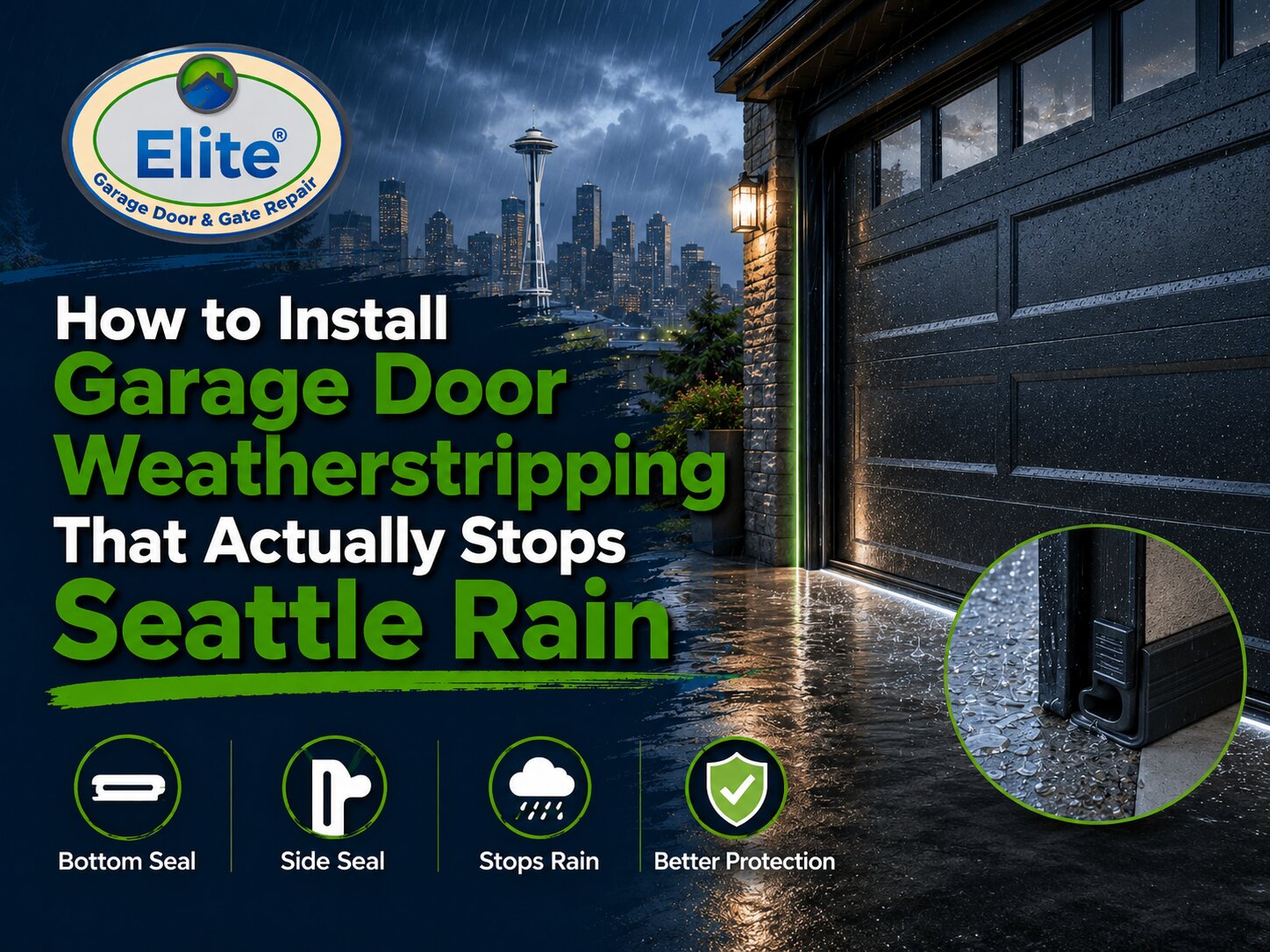
Seattle can shift from cold to mild quickly. Those swings can affect bottom seals and weather stripping. A seal that is stiff or worn may create extra resistance at the bottom of the door. The opener may interpret that resistance as an obstruction and reverse.
These problems often show up as a door that closes most of the way and then reopens, especially when conditions change week to week.

Temperature Swings Affect Seals And Door Fit
Storms And Wind Can Shift Hardware Over Time
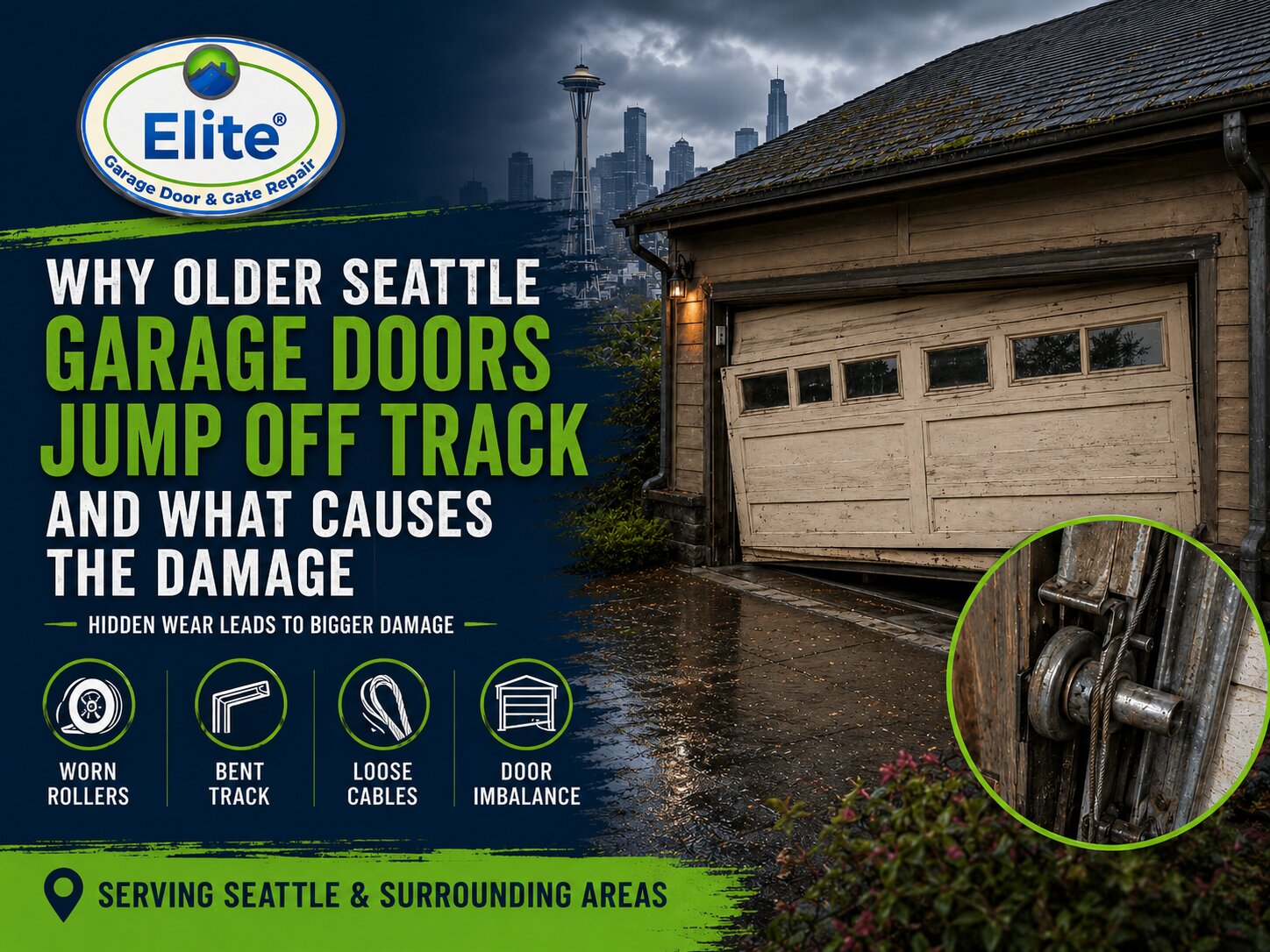
Wind and storms can blow debris into the tracks and place pressure on door panels. Most of the time, you don’t see immediate damage, but small shifts in brackets or alignment can create new friction points.
If the door starts wobbling, rubbing, or sounding rough after storms, it’s often because debris entered the track or a bracket loosened slightly.
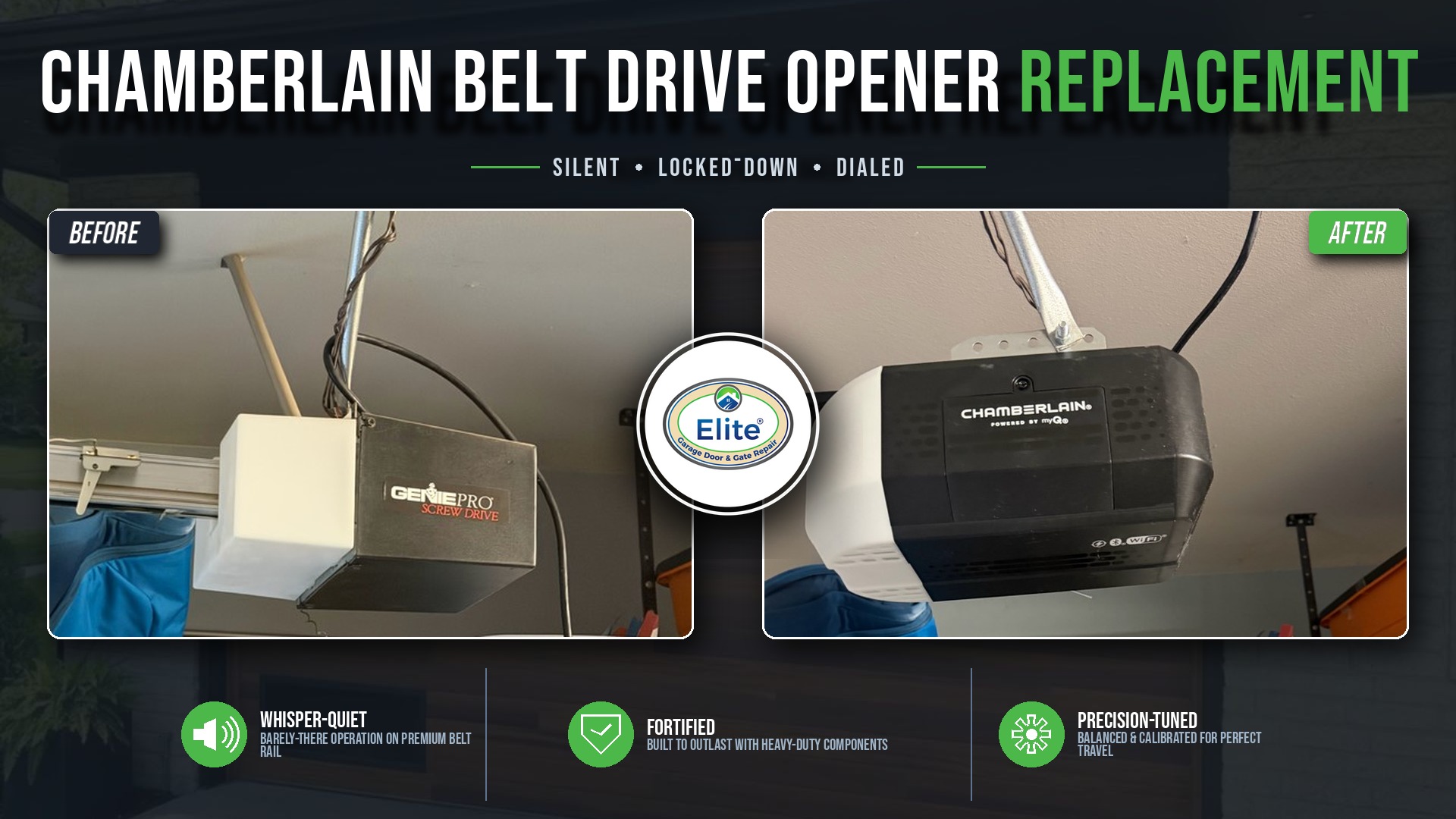
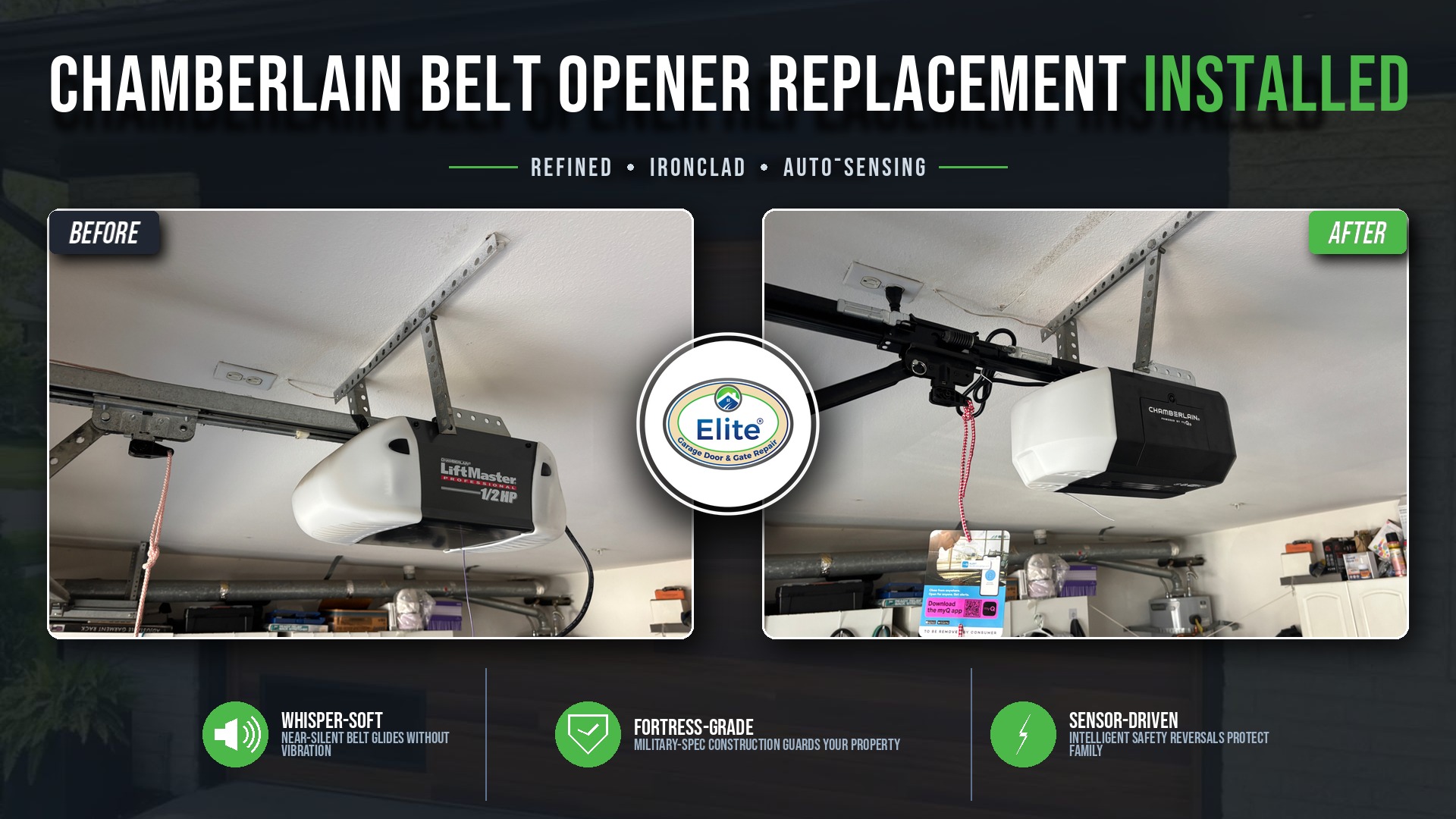
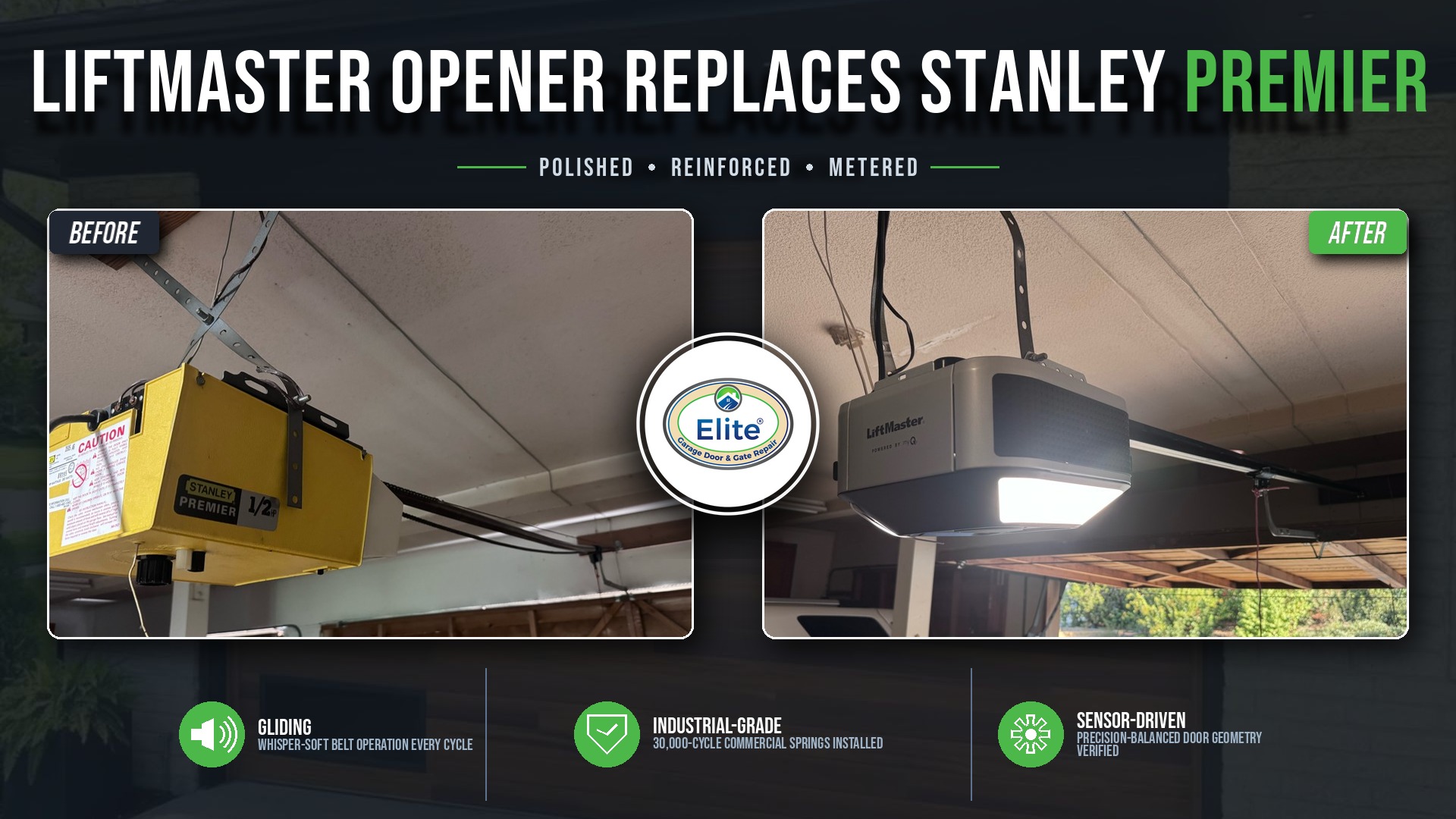
If the door movement becomes unstable or the opener begins straining, professional inspection through Garage Door Opener Repair can identify whether the issue is resistance, settings, or opener wear.