
Over my years servicing garage doors across Seattle and King County, I’ve responded to countless emergency calls that could have been prevented with a simple safety inspection. Homeowners often assume their garage door is safe until something goes wrong, but regular inspections can catch dangerous issues before they cause injuries or property damage.
I’ve created this comprehensive checklist based on the most common safety hazards I encounter in homes throughout Bellevue, Kirkland, and Redmond. These are the same inspection points our team uses when we service garage doors professionally.
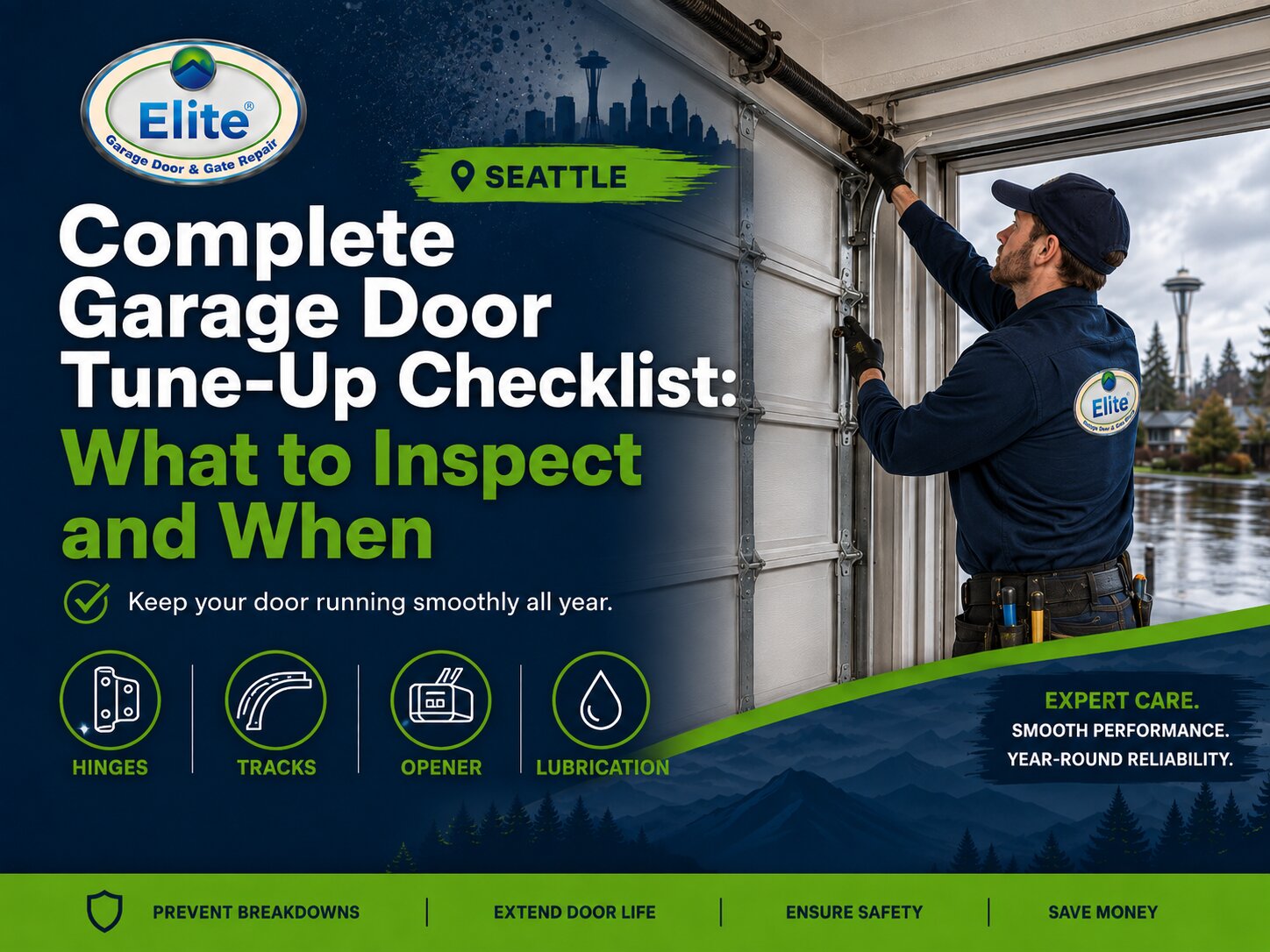
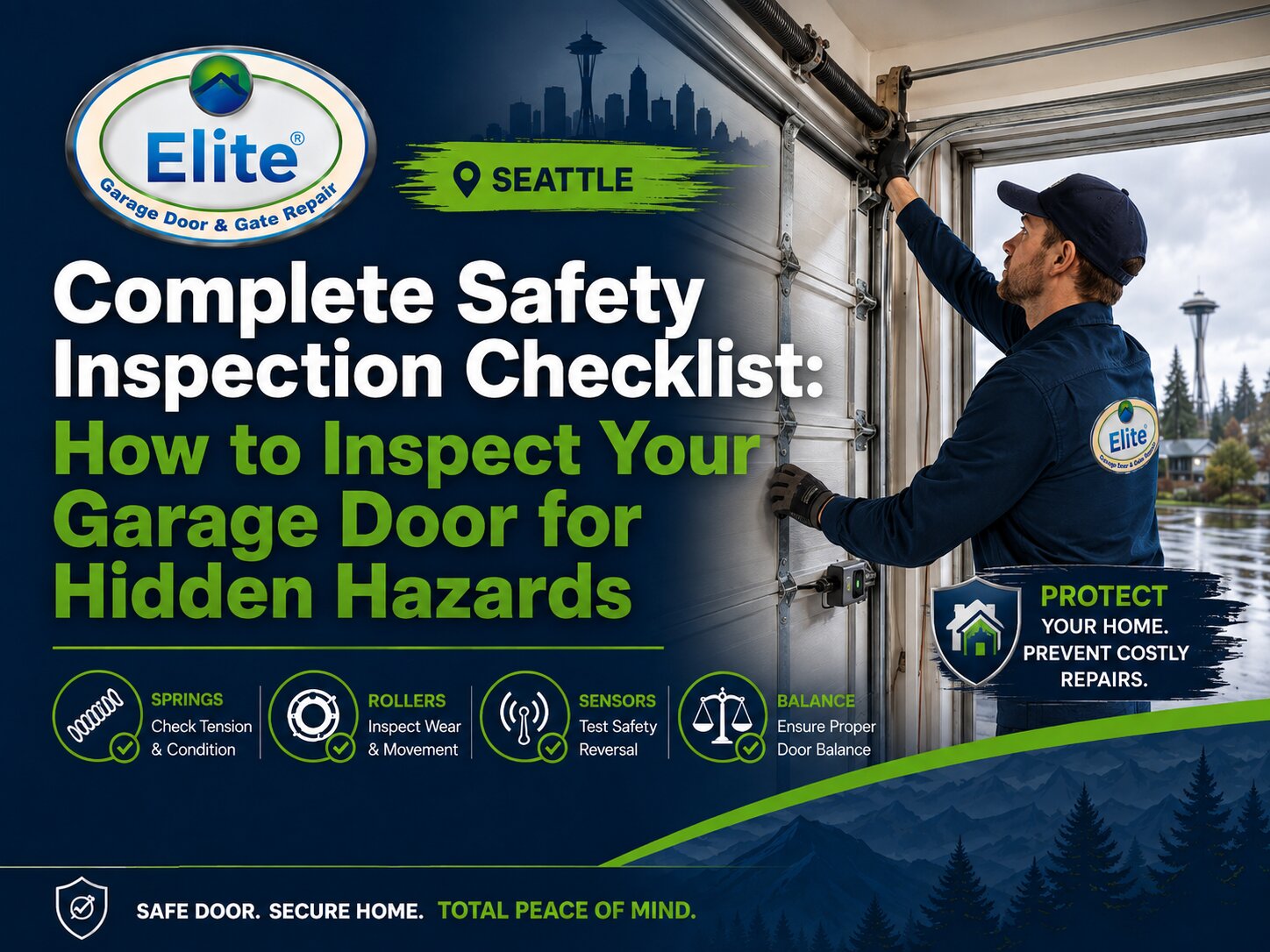
A thorough garage door safety inspection should examine five critical areas: springs and cables, safety sensors, door balance, hardware condition, and manual release function. Each of these components plays a vital role in preventing accidents, and failure in any area can create serious hazards.
I recommend completing this Garage Door Safety Inspection For Homeowners every three months, especially before Pacific Northwest storm seasons when your garage door faces extra stress from wind and rain.
Spring and Cable Visual Inspection
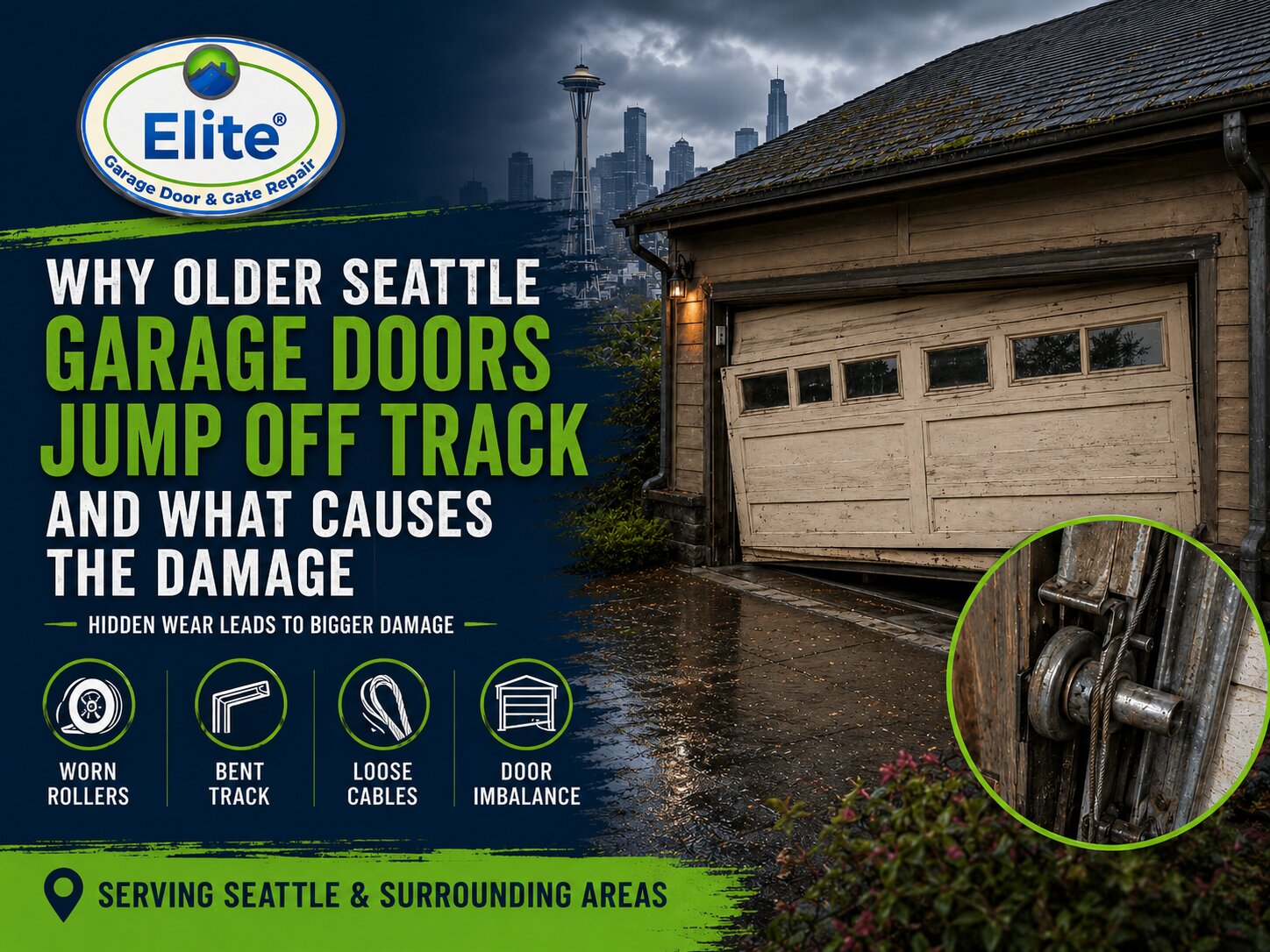
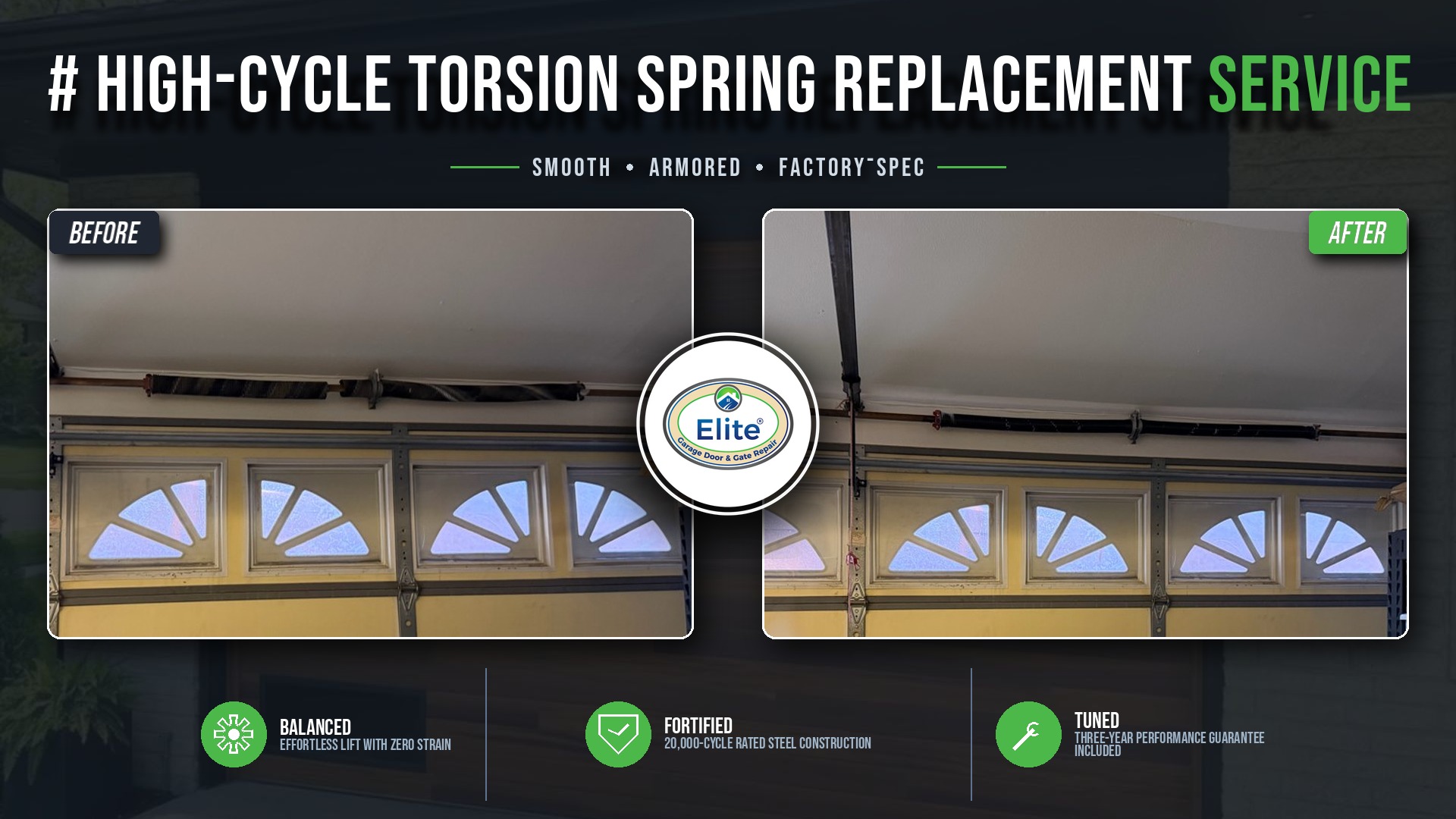
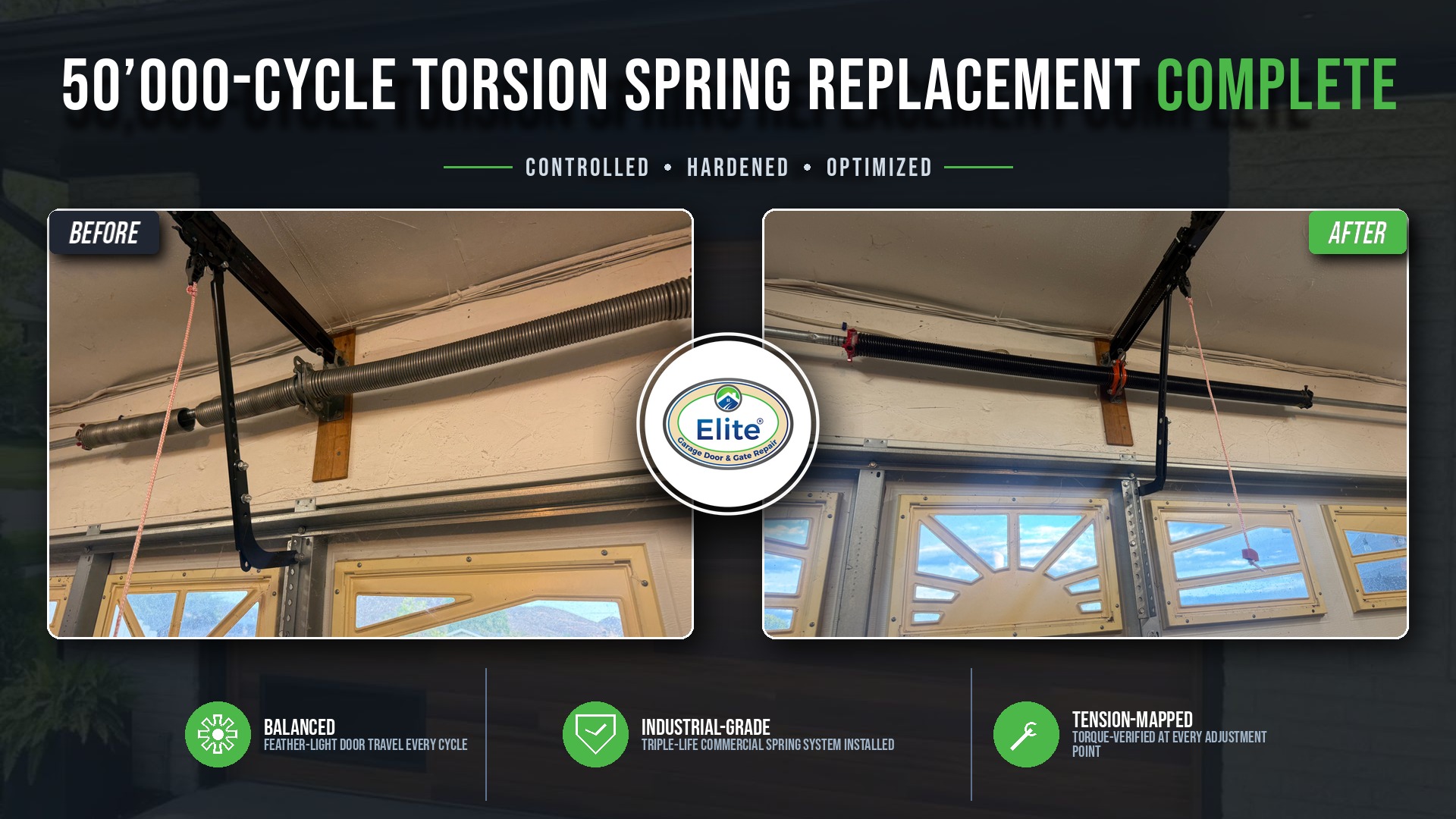
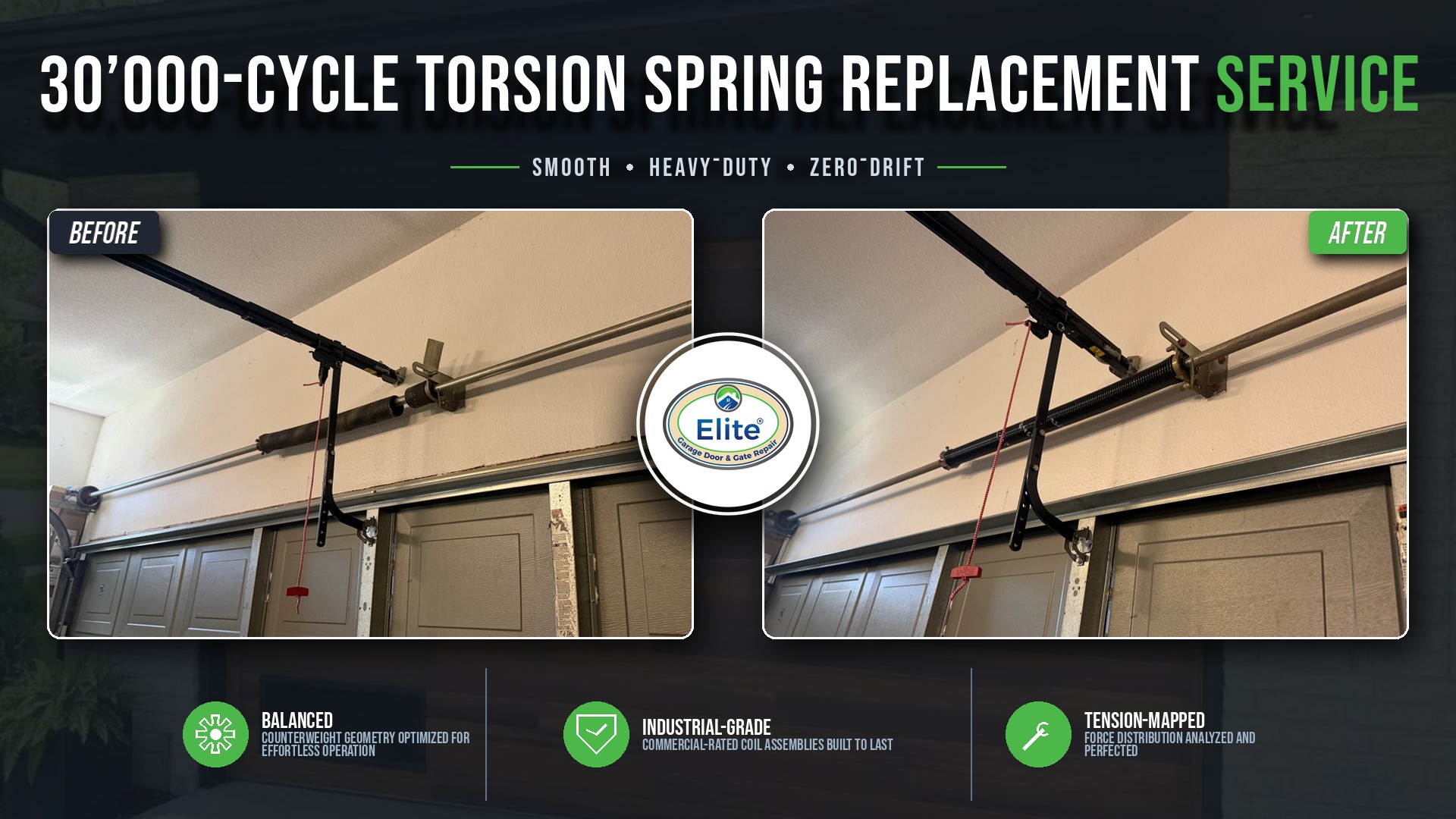
Start by examining the springs mounted above your door and the cables running along both sides. Look for any visible gaps, separation, or rust on the springs. Check cables for fraying, especially near the bottom brackets where I find most wear damage in Washington homes.
Never attempt to adjust or repair springs yourself. These components are under extreme tension and cause the majority of serious garage door injuries I’ve treated in my career. If you spot any damage, disconnect your opener and call for Professional Garage Door Spring Replacement immediately.
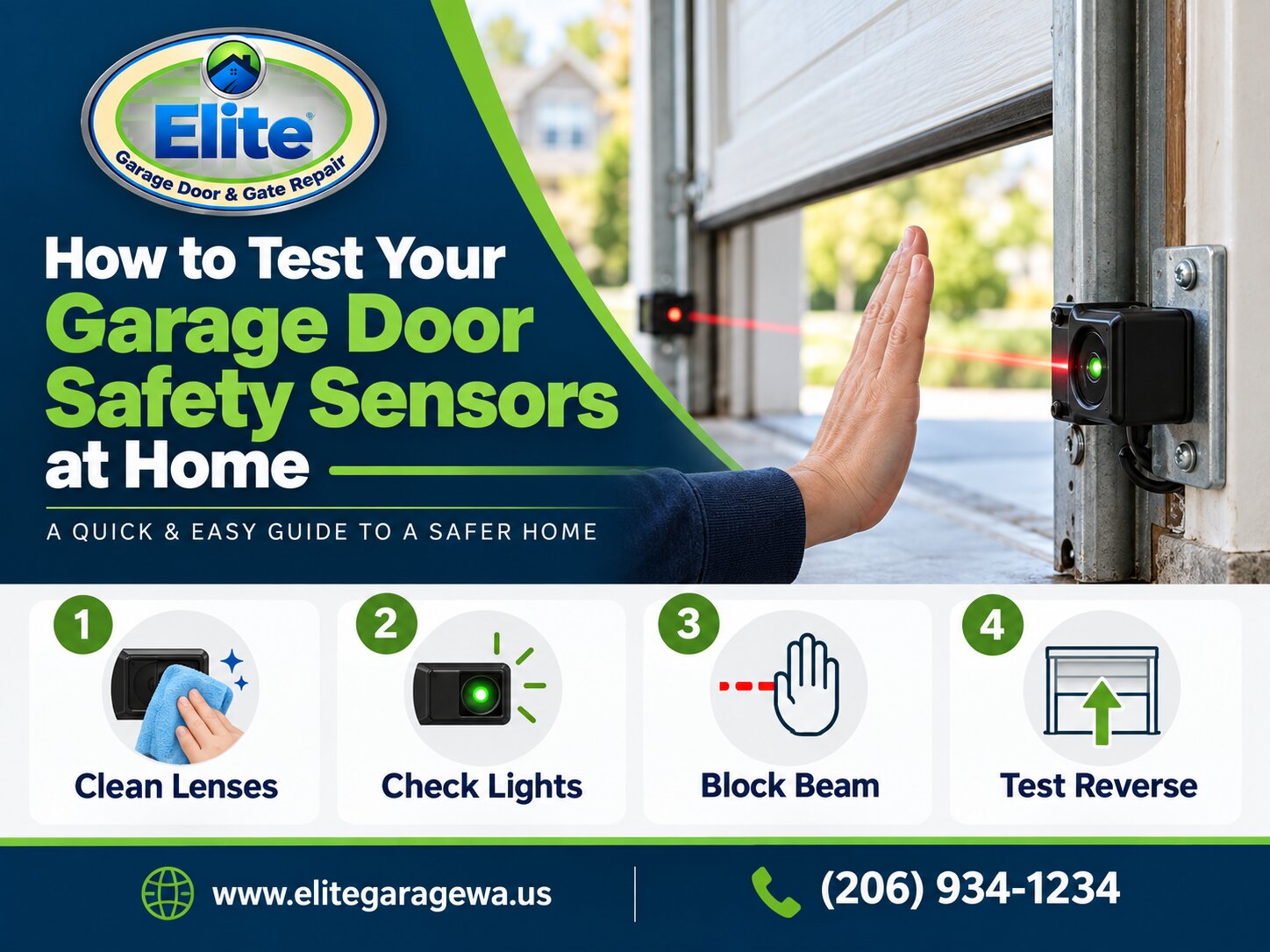
Auto-Reverse Safety Sensor Test
Manual Balance Test
Disconnect your opener using the manual release handle. Lift the door manually to about waist height and let go. A properly balanced door should stay in place or move only slightly.
If the door slams down or shoots up rapidly, your springs need adjustment. An unbalanced door puts excessive strain on your opener and creates a falling hazard, especially dangerous for children and pets.
Hardware and Mounting Inspection
Weatherstripping and Bottom Seal Check
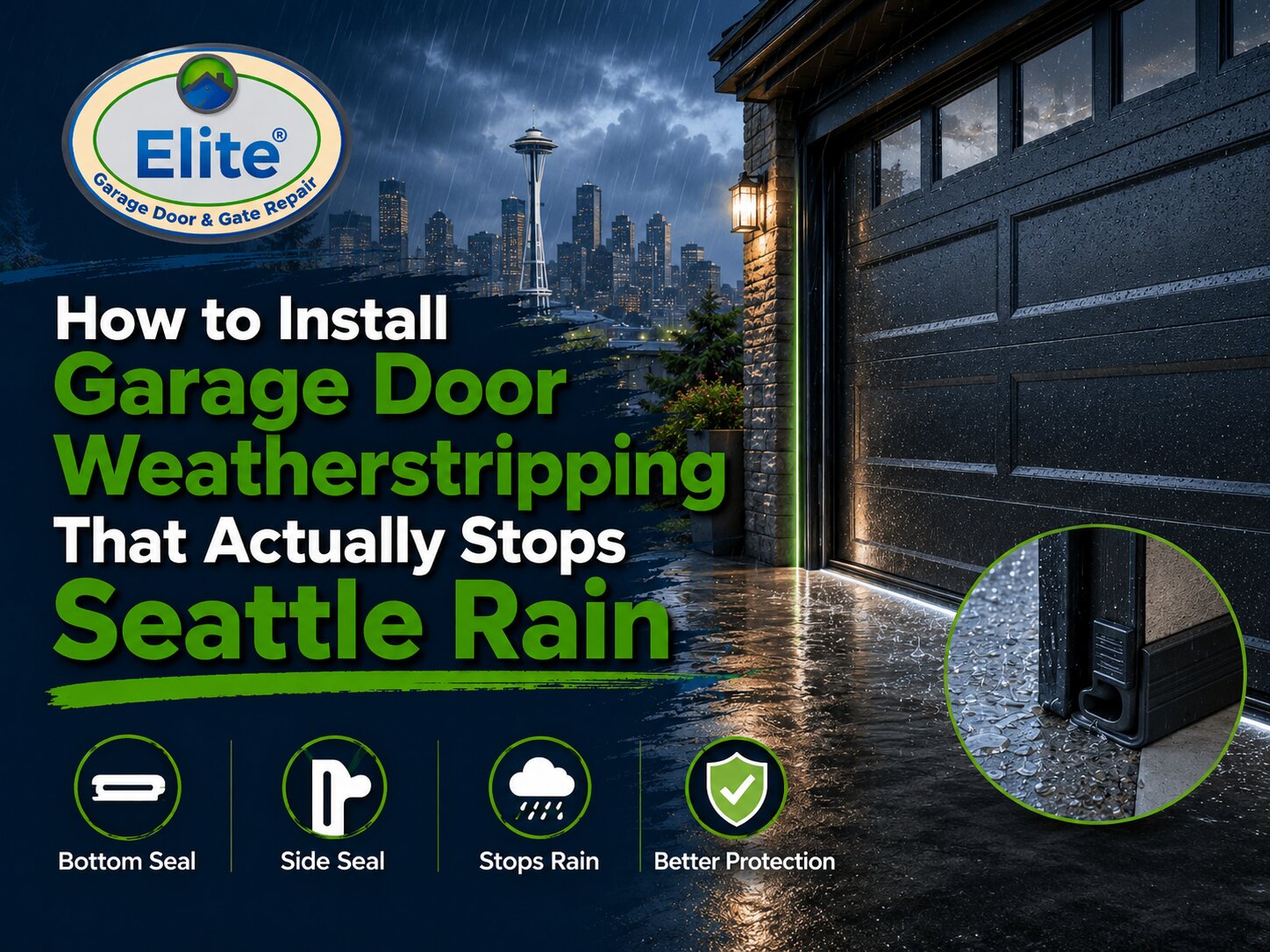
Inspect the rubber seal along the bottom of your door and the weatherstripping along the sides. Damaged seals allow rain infiltration that can rust internal components and create electrical hazards if water reaches your opener.
Replace any seals showing cracks, brittleness, or gaps. This is one maintenance task most homeowners can handle themselves with basic tools.
Professional Safety Inspections Provide Peace of Mind
If your inspection reveals any concerns, or if your door is more than five years old and hasn’t been professionally serviced, contact us for a thorough safety evaluation. Protecting your family is worth the investment in professional expertise, and if you’re considering an upgrade, explore our New Garage Door options.