

A garage door is one of the biggest moving systems in your home, but it gets treated like it’s indestructible. Most damage doesn’t come from one dramatic accident. It comes from small habits that slowly wear the system down until something bends, breaks, or fails at the worst time.
The frustrating part is that many of these mistakes feel harmless in the moment. People do them because they’re in a hurry, or because the door “still works,” or because they don’t realize how sensitive a balanced system can be.
If you want your garage door to last longer and avoid preventable repairs, the fastest win is simply avoiding the most common mistakes.
This is probably the most expensive mistake homeowners make. When the door feels heavy, moves unevenly, or struggles to open, many people keep pressing the remote as if persistence will solve it. What actually happens is the opener takes on a load it was never designed to carry. That can strip gears, burn out the motor, damage the rail, and create a repair that costs far more than the original issue.
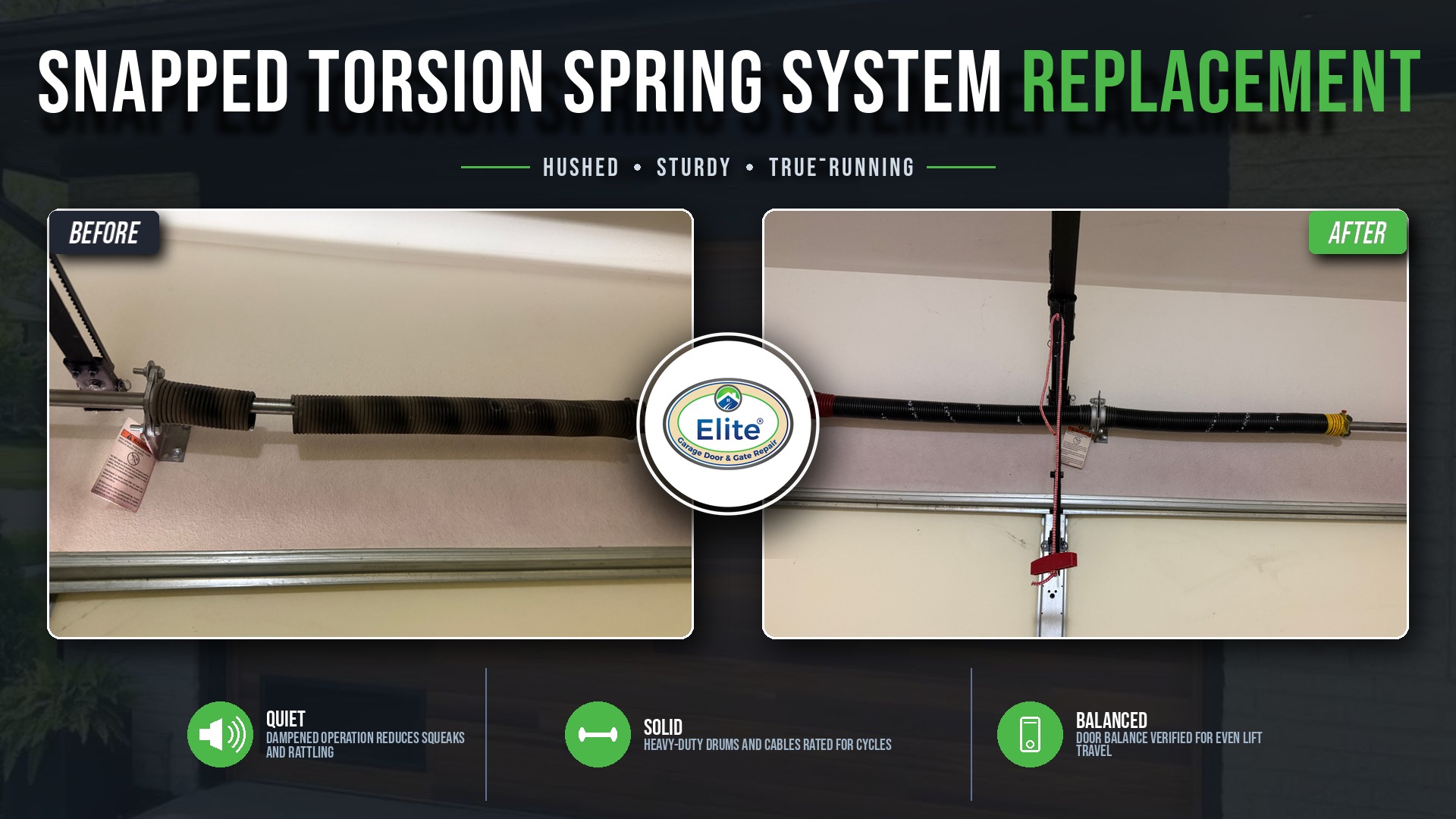
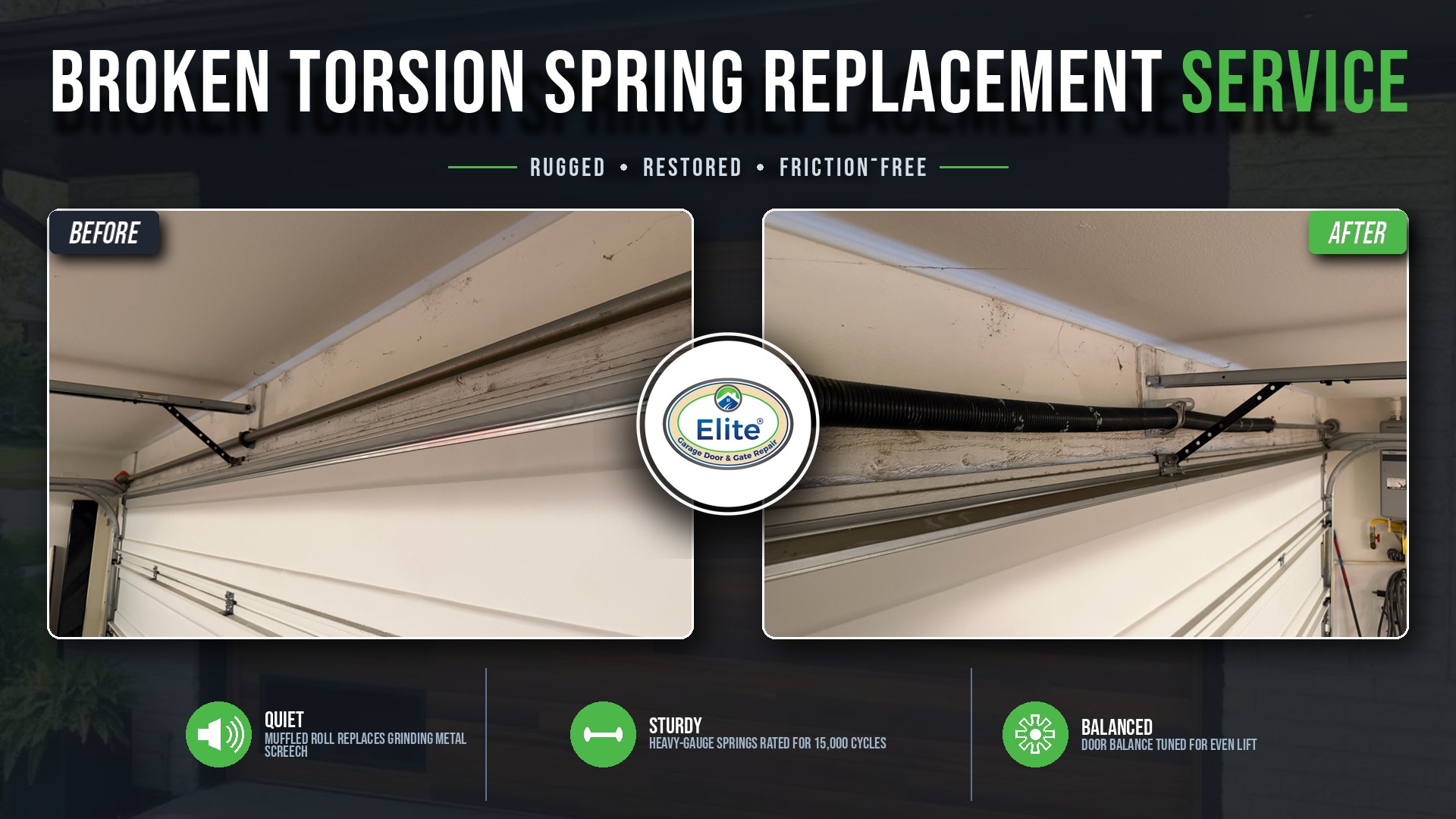
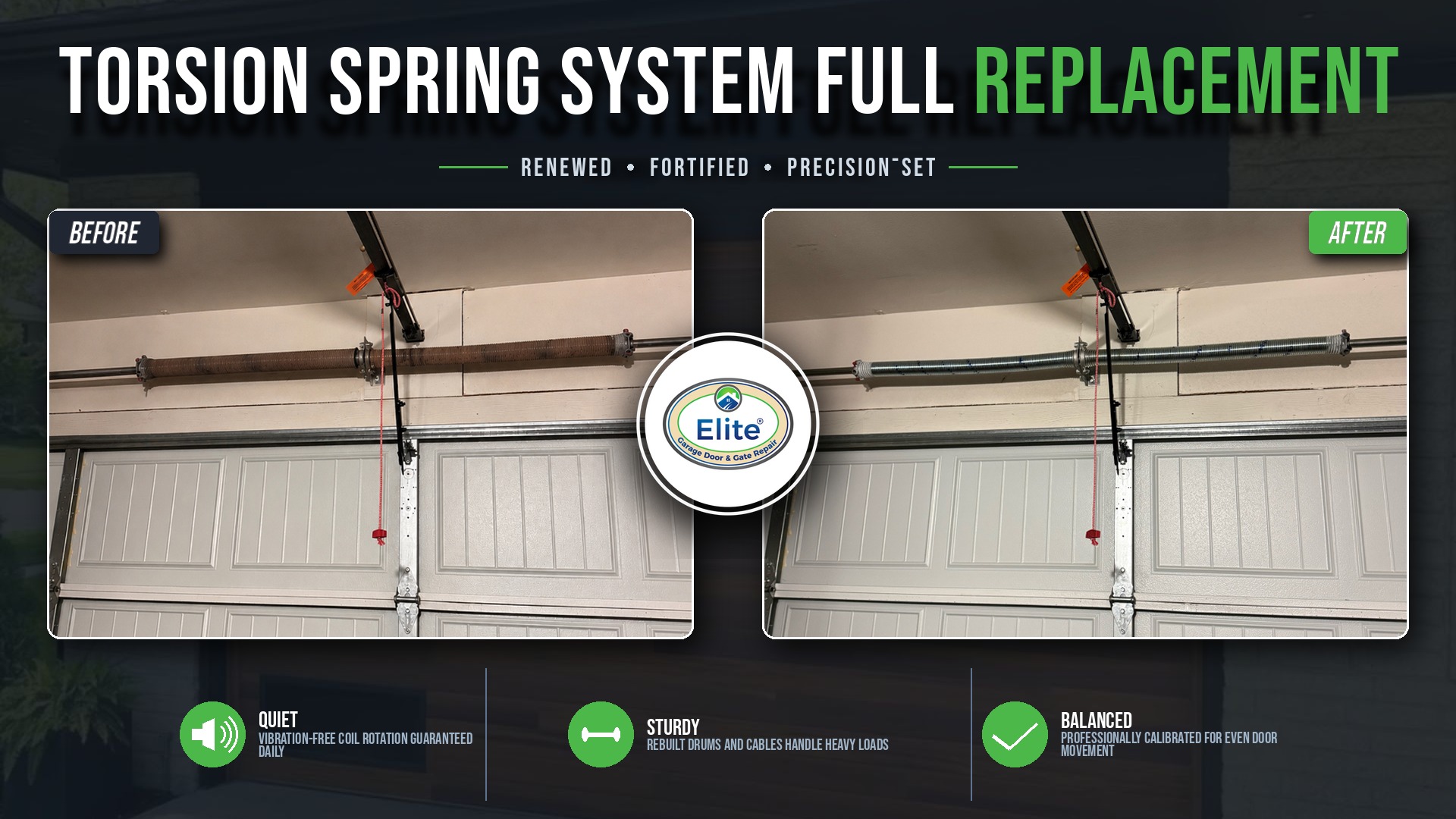
If the door is heavy, it usually means the springs are not doing their job properly. The correct fix is restoring balance, not forcing the opener to lift the weight. If your door feels heavy or the opener strains, start here: Garage Door Spring Repair
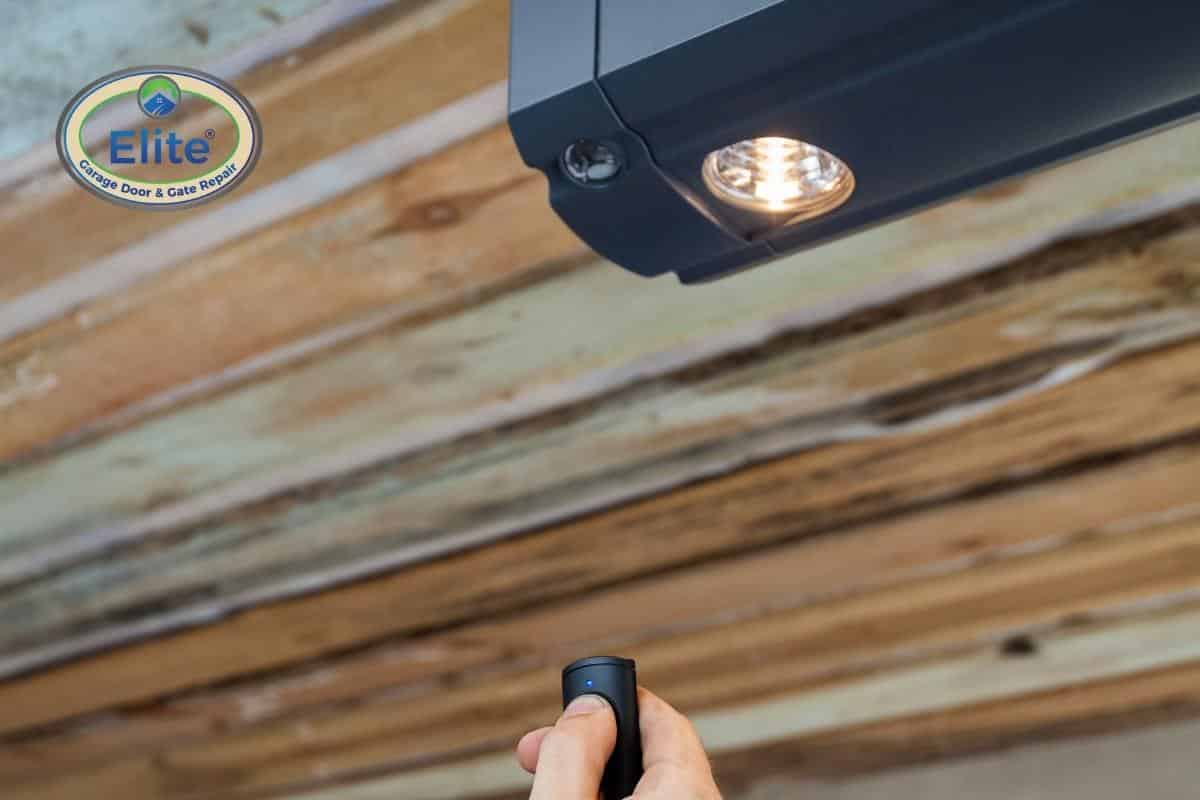
Using The Opener To Force A Heavy Or Stuck Door
Ignoring Noises And “Minor” Movement Changes
Noise is one of the earliest warning signs you get. Grinding, squeaking, rattling, or a door that begins to shake or wobble is the system telling you friction and wear are building. The mistake is waiting until the door stops working before doing anything.
The cost of ignoring early signs is that wear spreads. A worn roller can damage a track. A loose hinge can stress a panel. A door that binds creates opener strain. Most repairs are cheaper when caught early.
If you want a structured way to keep the system healthy, use this as your baseline: Garage Door Maintenance
Lubricating The Wrong Things Or Overdoing It
Another mistake is using the wrong product or soaking everything until it drips. Too much lubricant becomes sticky, collects debris, and makes rollers and hinges operate less cleanly.
The correct approach is light lubrication on moving joints and bearings, and keeping tracks clean. If the door stays noisy even after correct lubrication, the parts may be worn, not dry.
If worn rollers are the culprit, this is the right repair path: Replacement Rollers
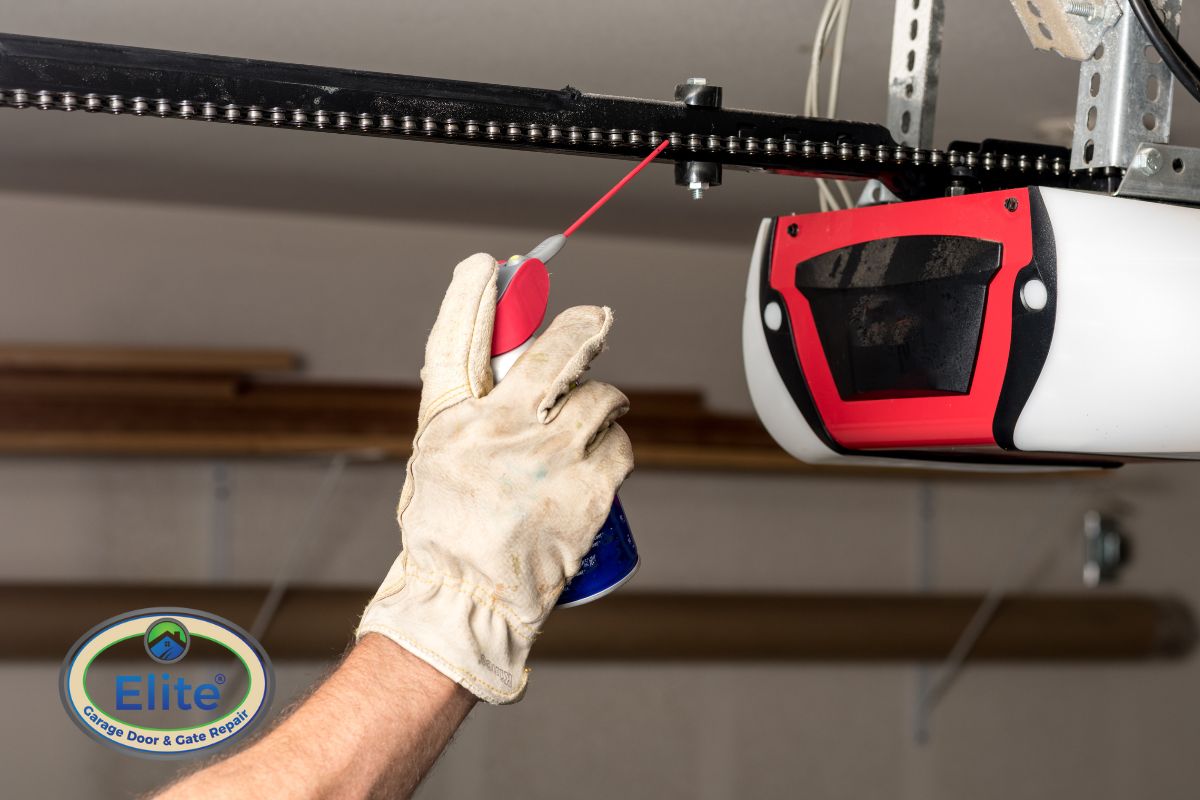
Lubricating The Wrong Things Or Overdoing It
Bumping Tracks, Panels, Or The Door And “Letting It Slide”
A small bump from a car, a bike, a trash bin, or even storage shifting in the garage can bend a track slightly or knock hardware out of alignment. Homeowners often ignore it because the door still moves. But a small misalignment creates resistance, and resistance creates wear.
One of the most common outcomes is an off-track situation where the rollers slip out or the door jams crooked. That damage is often preventable if track issues are corrected early instead of being ignored.
If your door is already showing signs of shifting or instability, this page is the direct fix: Off Track Repair
Skipping Professional Help When The Risk Is High
Some garage door issues are safe to observe and monitor. Others are not. Springs, cables, and lifting components are under high tension. Trying to adjust them without proper tools is one of the quickest ways to get injured and cause further damage.
The best rule is simple. If the door is heavy, uneven, slamming, or behaving unpredictably, stop using it and get it inspected.
If you want a clear guide for that decision point, use this: When To Call A Professional For Garage Door Repair