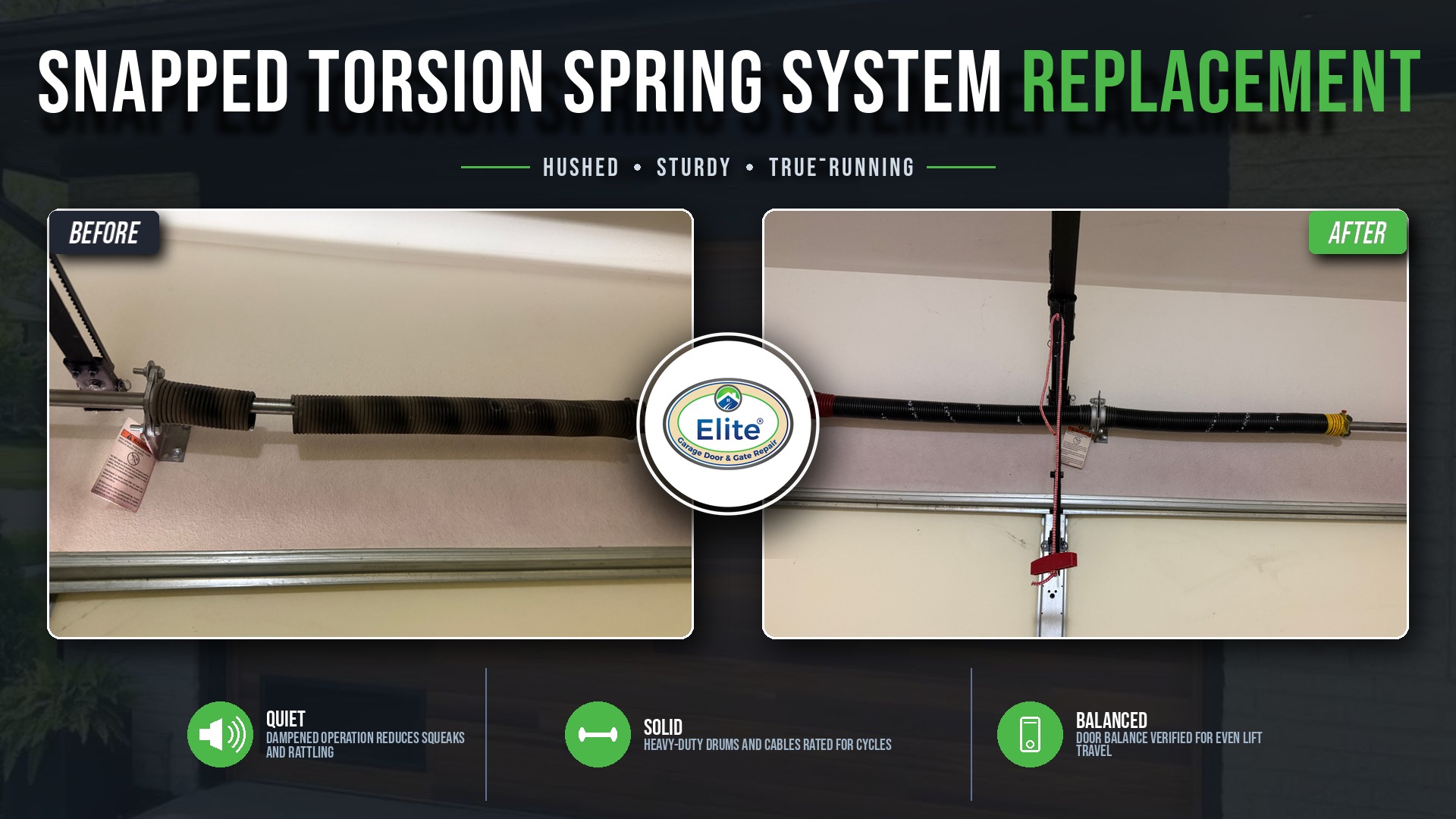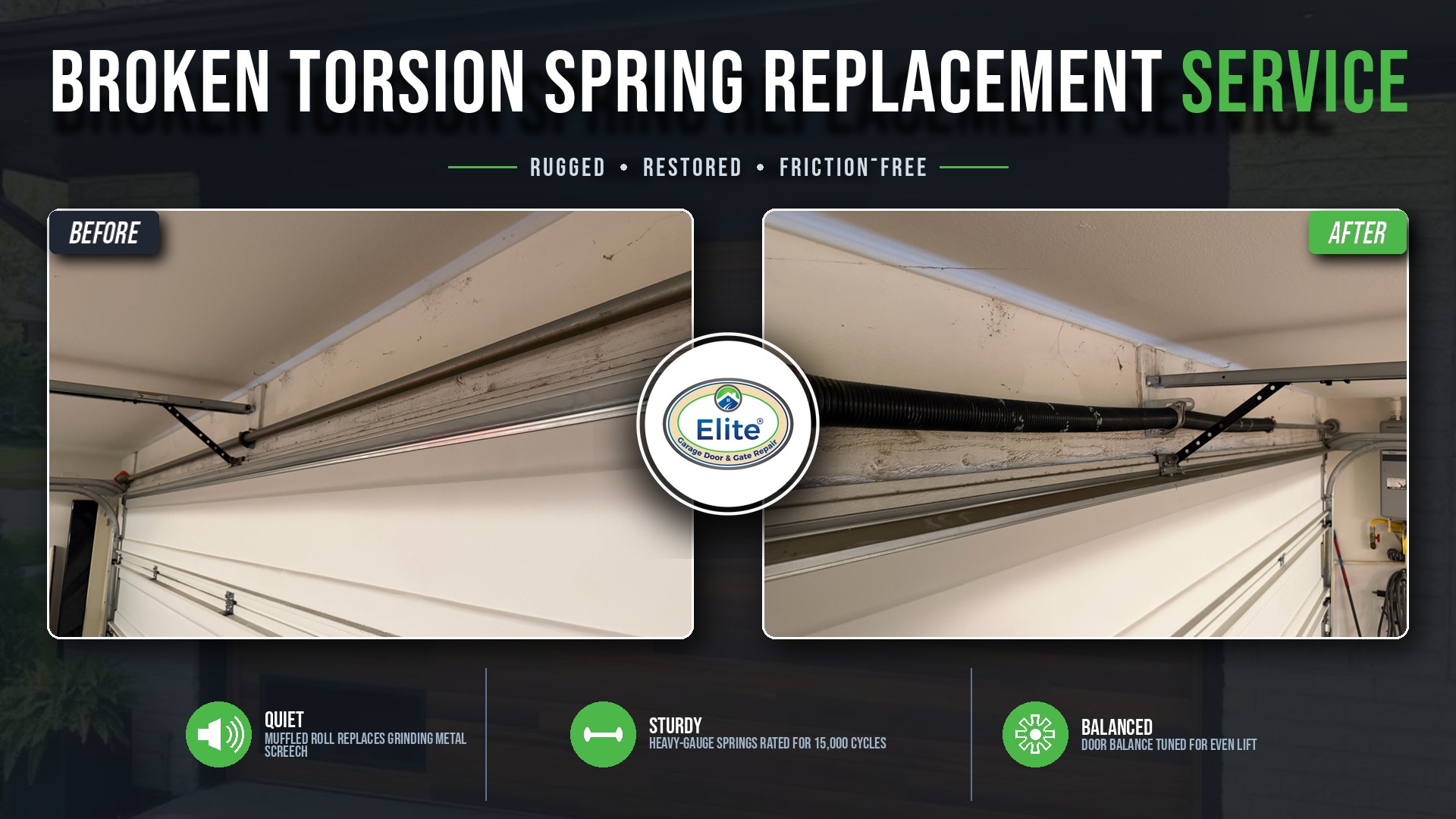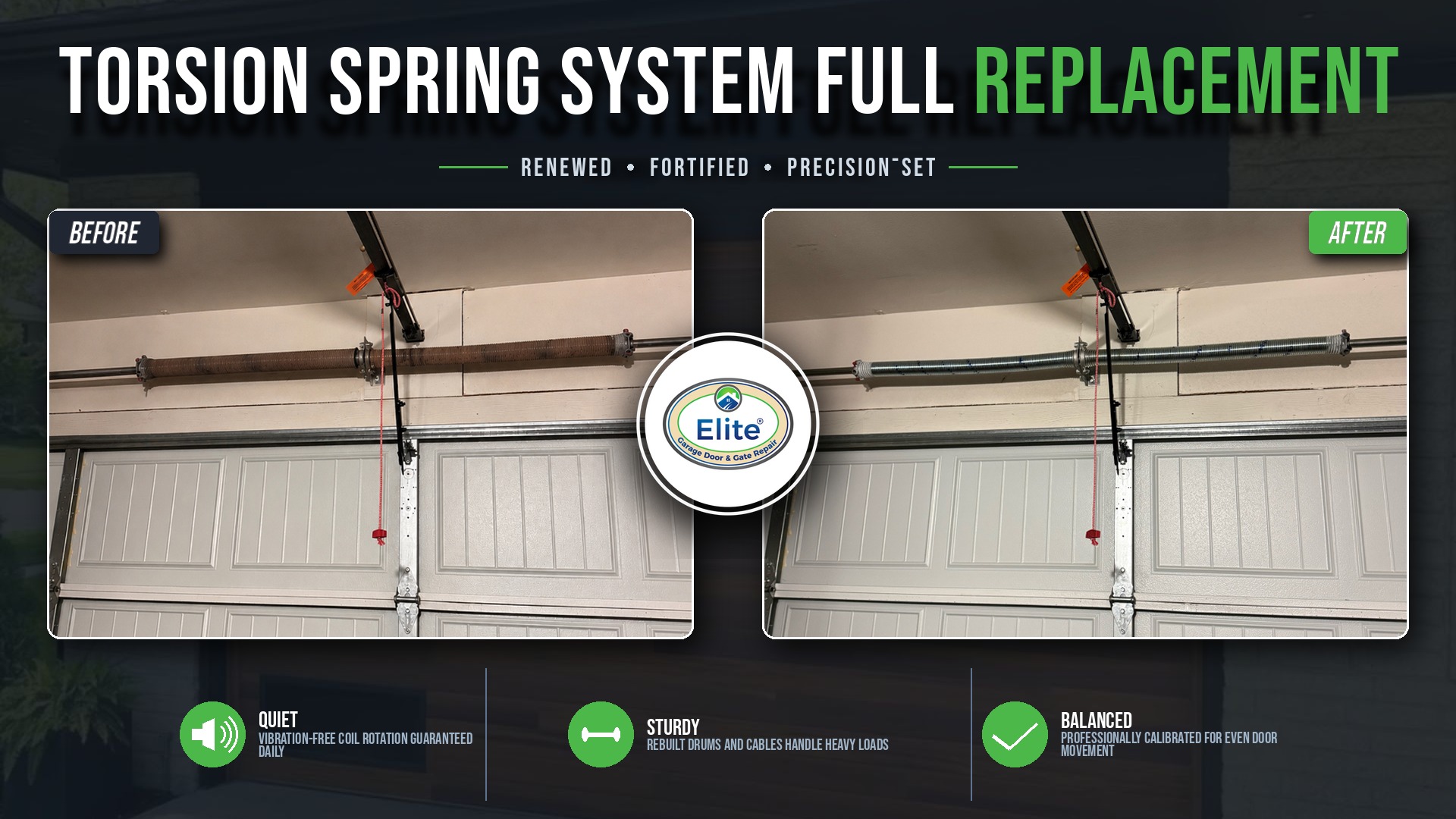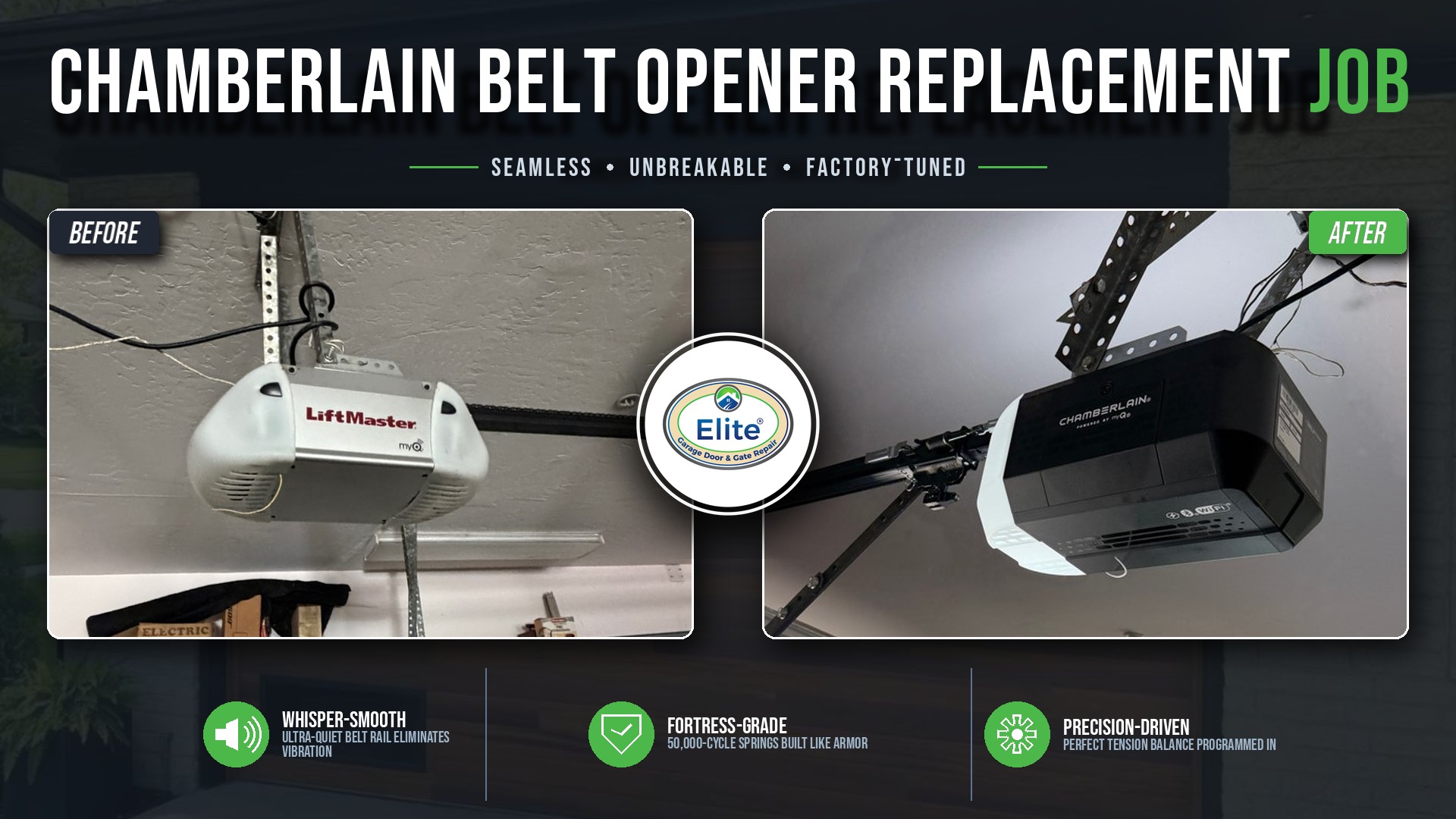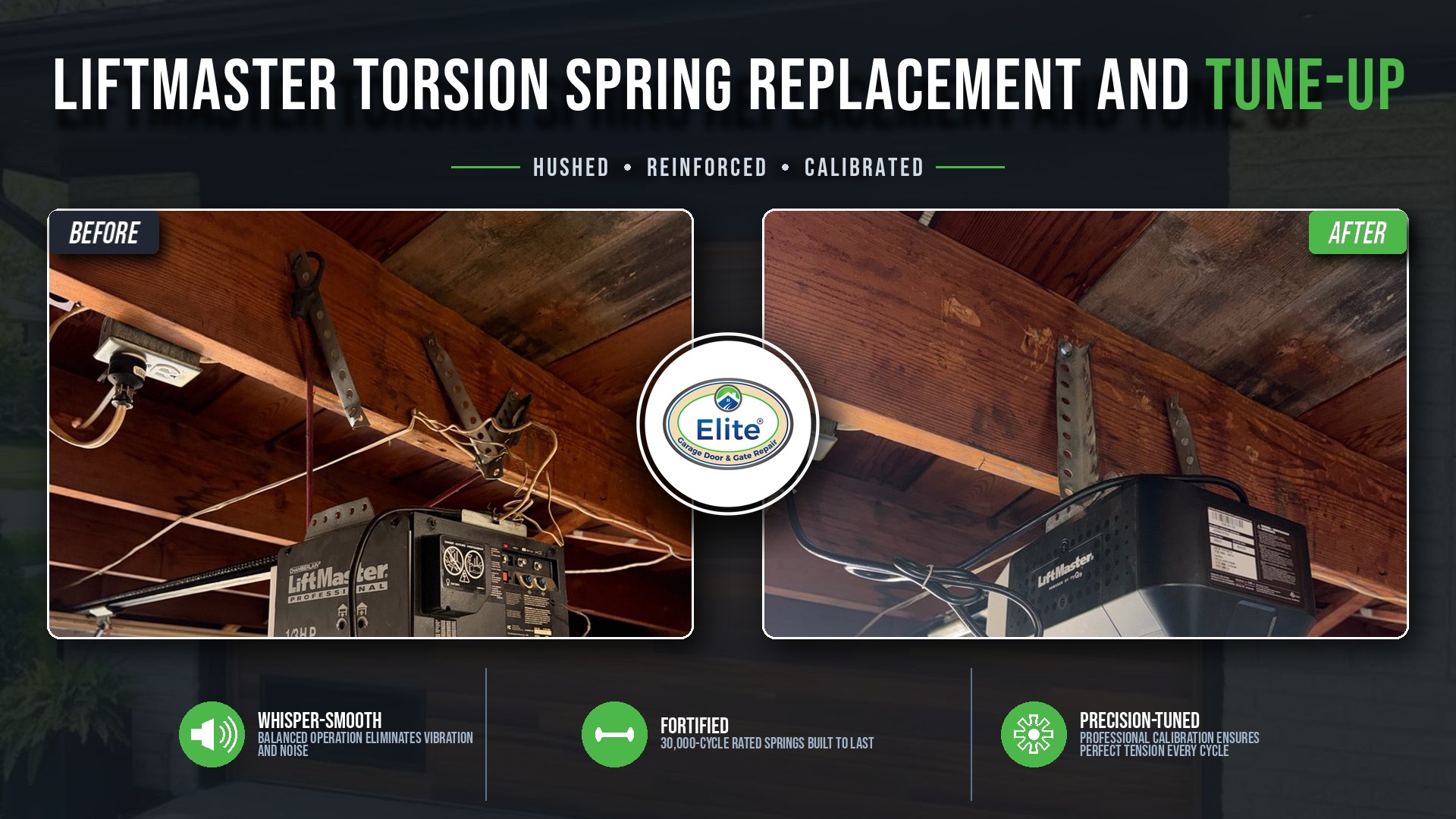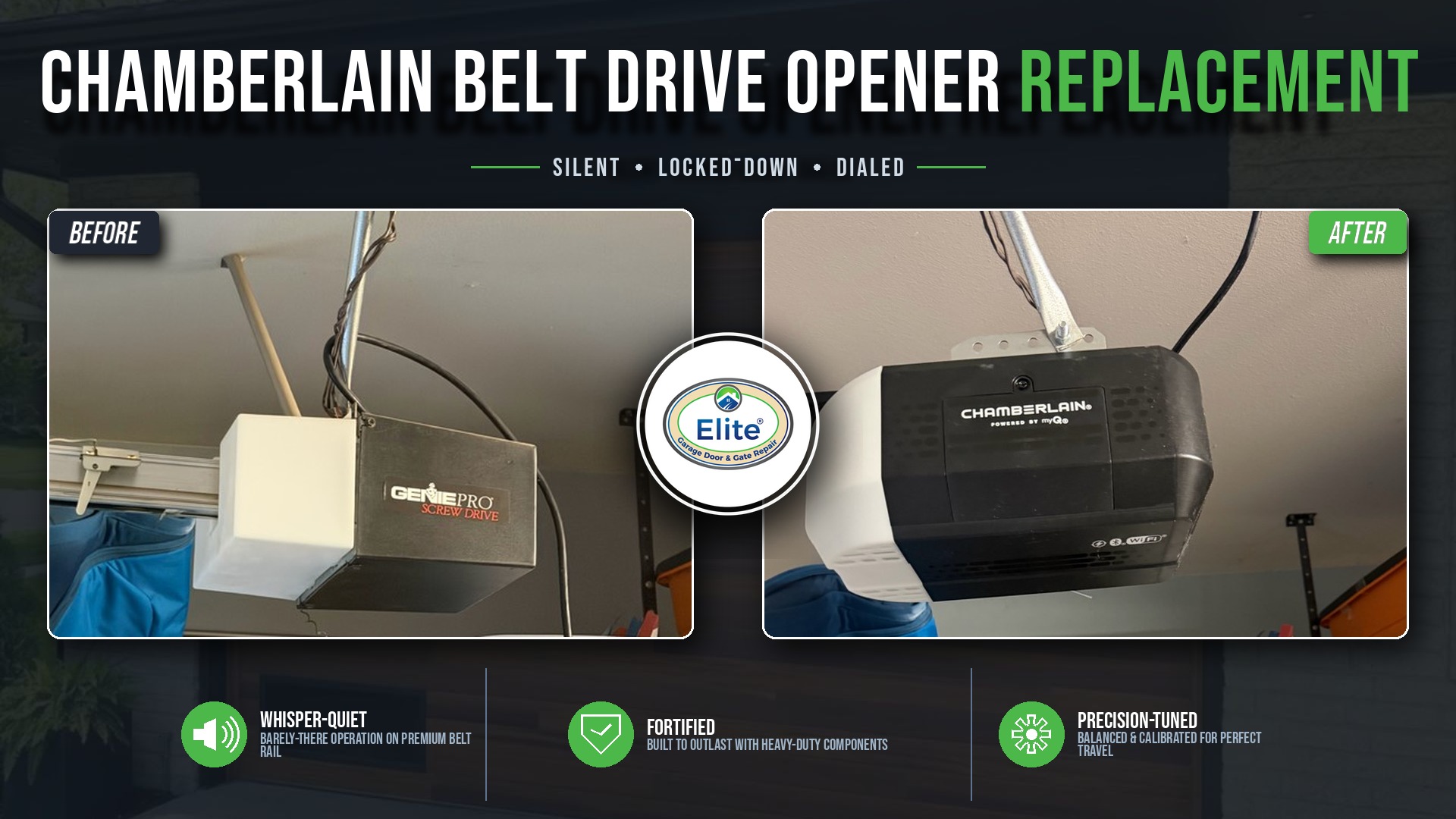

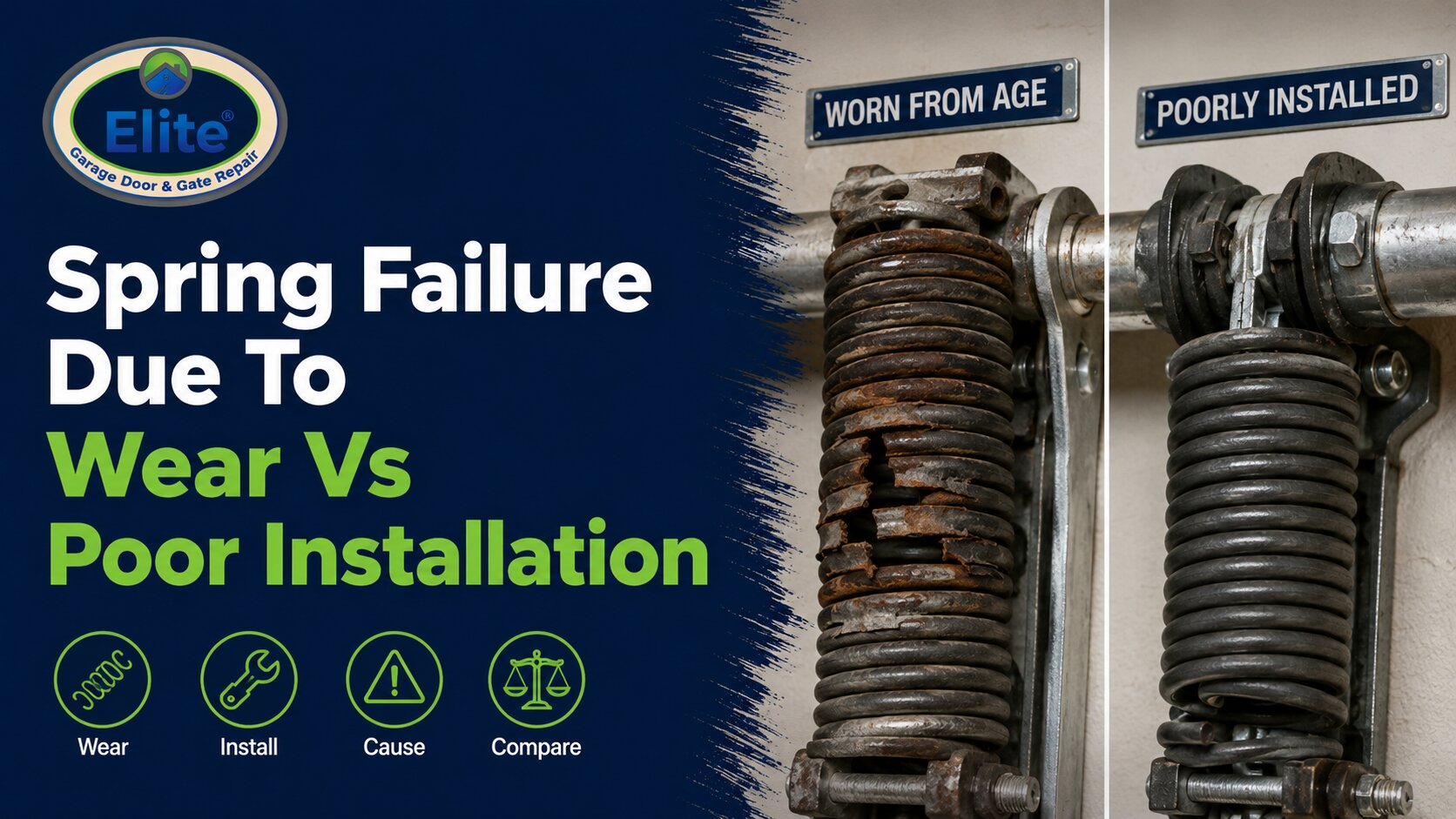
When a garage door spring breaks, the first assumption is usually that it simply “wore out.” In many cases, that is true. Springs are designed to fail after a certain number of cycles. However, not all spring failures are caused by normal wear. A surprising number of broken springs fail early because of poor installation, incorrect sizing, or improper setup.
Understanding the difference between wear-related failure and installation-related failure matters. It affects whether a replacement will last as expected, whether the door system is safe, and whether the same problem is likely to happen again sooner than it should.
Normal spring failure is predictable. Springs are rated by cycles, and each cycle places stress on the metal. Over thousands of open and close movements, the steel fatigues. Eventually, it reaches a point where it can no longer flex safely and snaps.
When a spring fails due to normal wear, it usually happens near the expected lifespan range based on usage. The break often looks clean, and the spring may have been operating normally right up until the moment it failed.
Homes that use the garage door frequently tend to experience wear-related failure sooner than homes with light usage. This is why understanding cycle ratings and usage patterns is important when replacing springs.
If you want a clearer picture of how long springs are expected to last under typical conditions, this guide connects directly: How Long Do Garage Door Springs Last
What Poor Installation Looks Like And Why It Shortens Spring Life
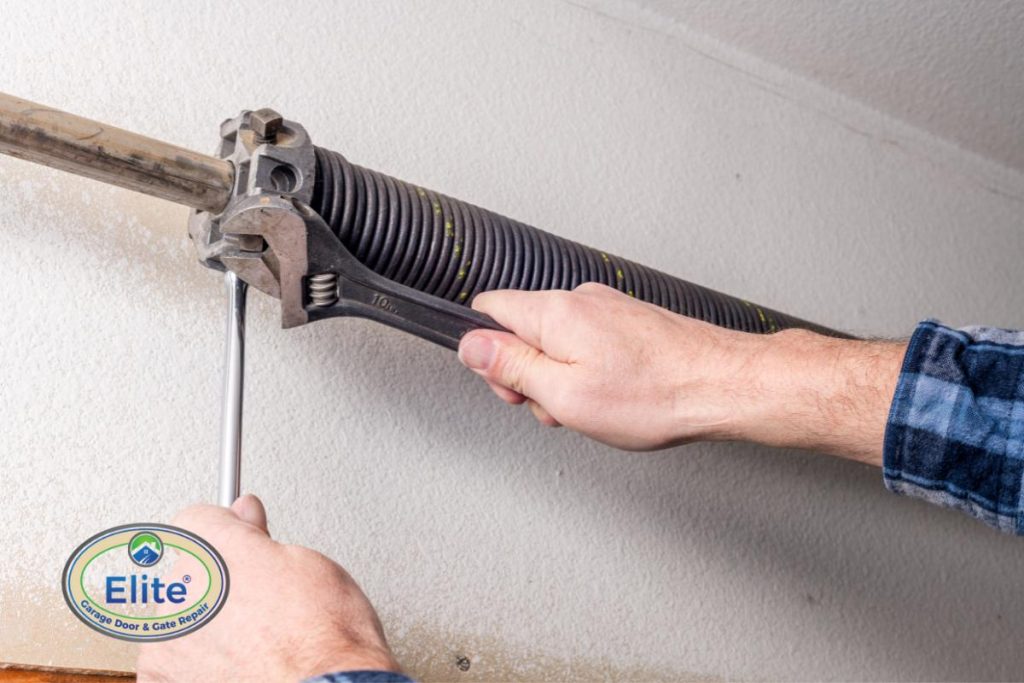
Poor installation creates a very different type of failure pattern. In these cases, the spring may break far earlier than expected, sometimes within months or a few years, even with moderate use.
This is why spring replacement should always involve full system balancing, not just swapping parts. The service page that best reflects this work is Garage Door Spring Repair.
How To Tell Which Type Of Failure You’re Dealing With
While homeowners cannot diagnose every detail visually, there are clues that suggest whether failure was caused by wear or installation issues.
If you noticed that the door never felt quite right after previous service, this topic may help explain why: Garage Door Feels Heavy After Spring Replacement
Why Installation Quality Matters More Than Warranty Promises
A spring warranty does not protect against poor installation. Even high-quality springs with long warranties can fail early if they are installed incorrectly.
Warranties often cover material defects, not damage caused by incorrect sizing, improper winding, or system imbalance. That means a homeowner can be left paying again for labor and service even though the spring itself is technically under warranty.
This is why experienced technicians focus heavily on door balance, correct spring selection, and proper testing. Installation quality is what allows the spring to reach its full designed lifespan.
If you want to understand what a realistic spring warranty looks like and what it usually covers, this topic explains it clearly: Garage Door Spring Warranty: What’s Normal
How Maintenance Helps Prevent Both Types Of Failure
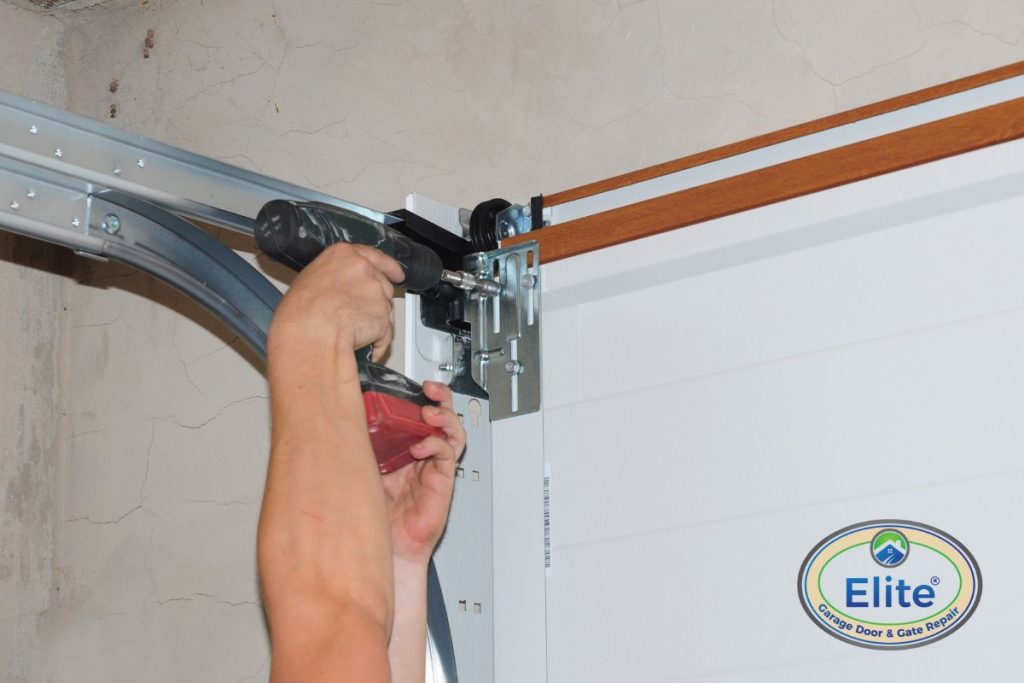
Lubricated springs, free-moving rollers, aligned tracks, and healthy bearings all reduce resistance. When resistance is low, springs operate closer to their intended design limits.
Routine Garage Door Maintenance helps identify imbalance, friction, and wear before they turn into early spring failure or unsafe operation.