

Garage door springs are often treated as “replace only” parts. Homeowners hear that springs eventually break and assume there is nothing that can be done in between. While it is true that springs are wear components and will not last forever, proper maintenance can absolutely affect how long they last and how reliably they perform.
Maintenance does not mean adjusting spring tension or attempting DIY repairs. It means supporting the spring system by reducing unnecessary stress, friction, and imbalance so the springs can reach their full expected lifespan instead of failing early.
Maintaining garage door springs does not involve rewinding them, tightening them, or altering tension. Those actions are dangerous and should only be handled by trained technicians.
Spring maintenance is about keeping the entire door system operating smoothly so the springs are not forced to compensate for resistance elsewhere. Springs work hardest when the door binds, drags, or moves unevenly. When the door glides smoothly, spring stress is reduced.
This is why spring issues are often tied to neglected rollers, dry bearings, or track problems rather than the spring itself.
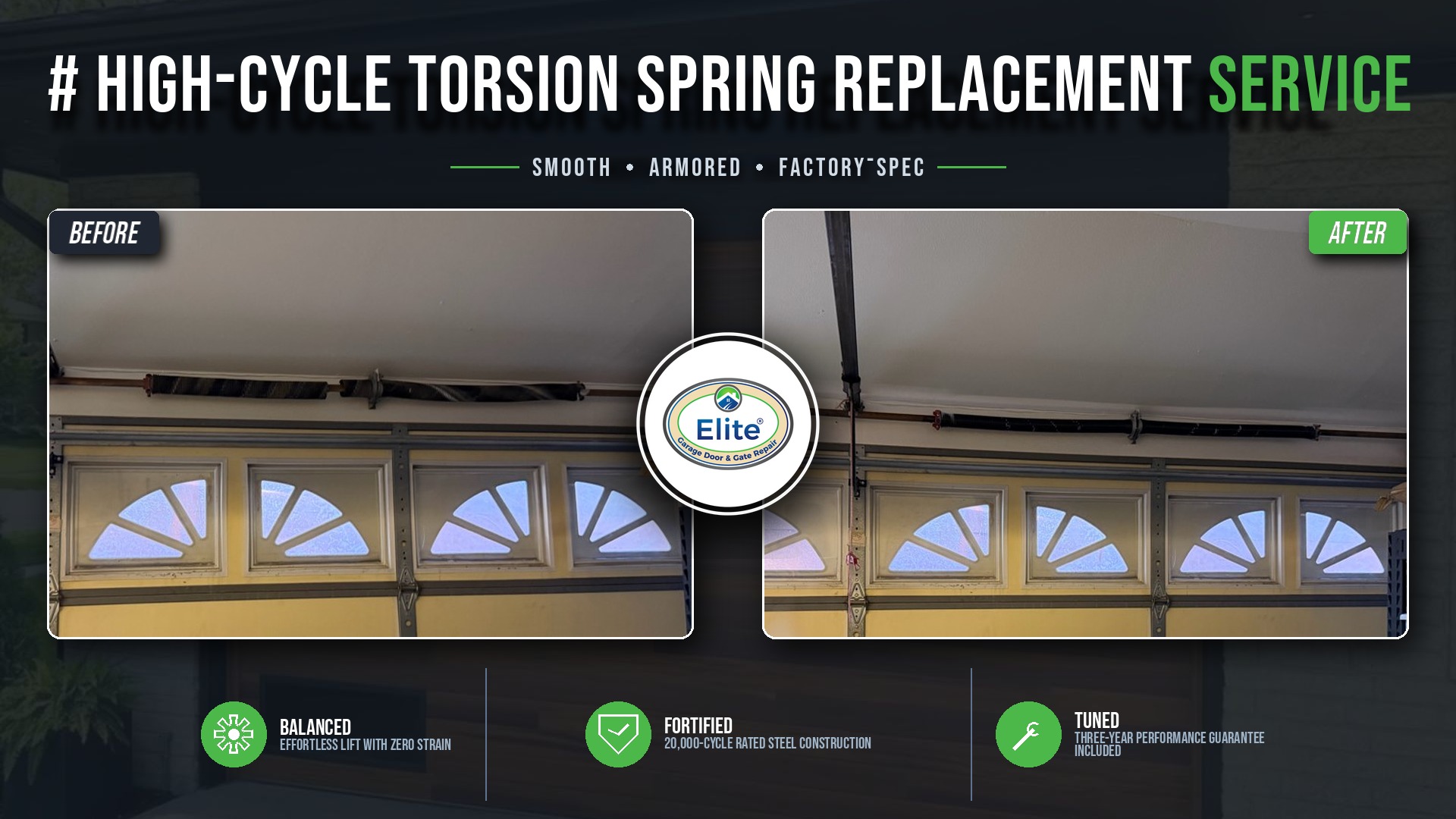
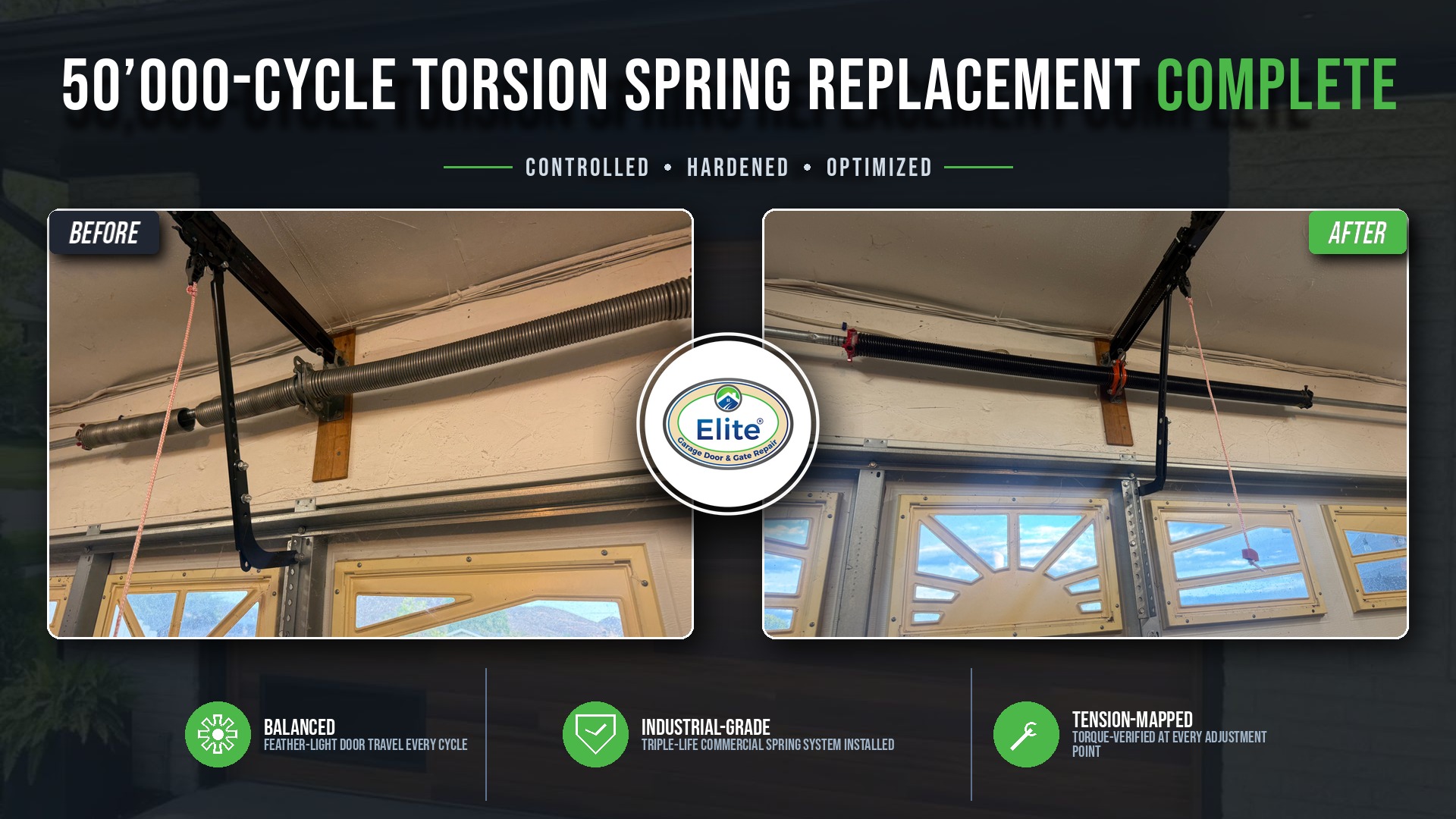
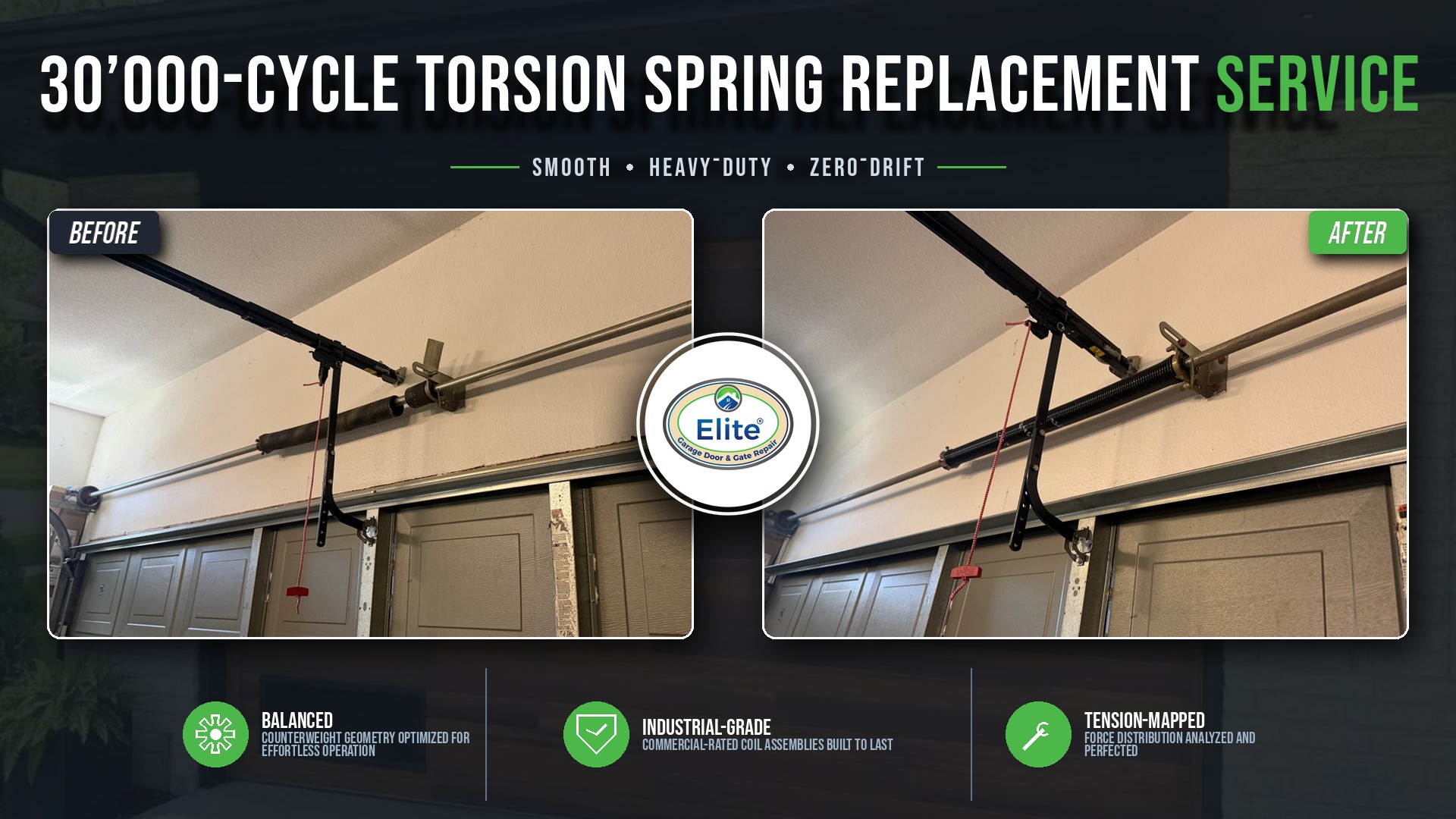
If a spring is already damaged or near failure, maintenance will not save it. At that point, Garage Door Spring Repair is the correct solution.
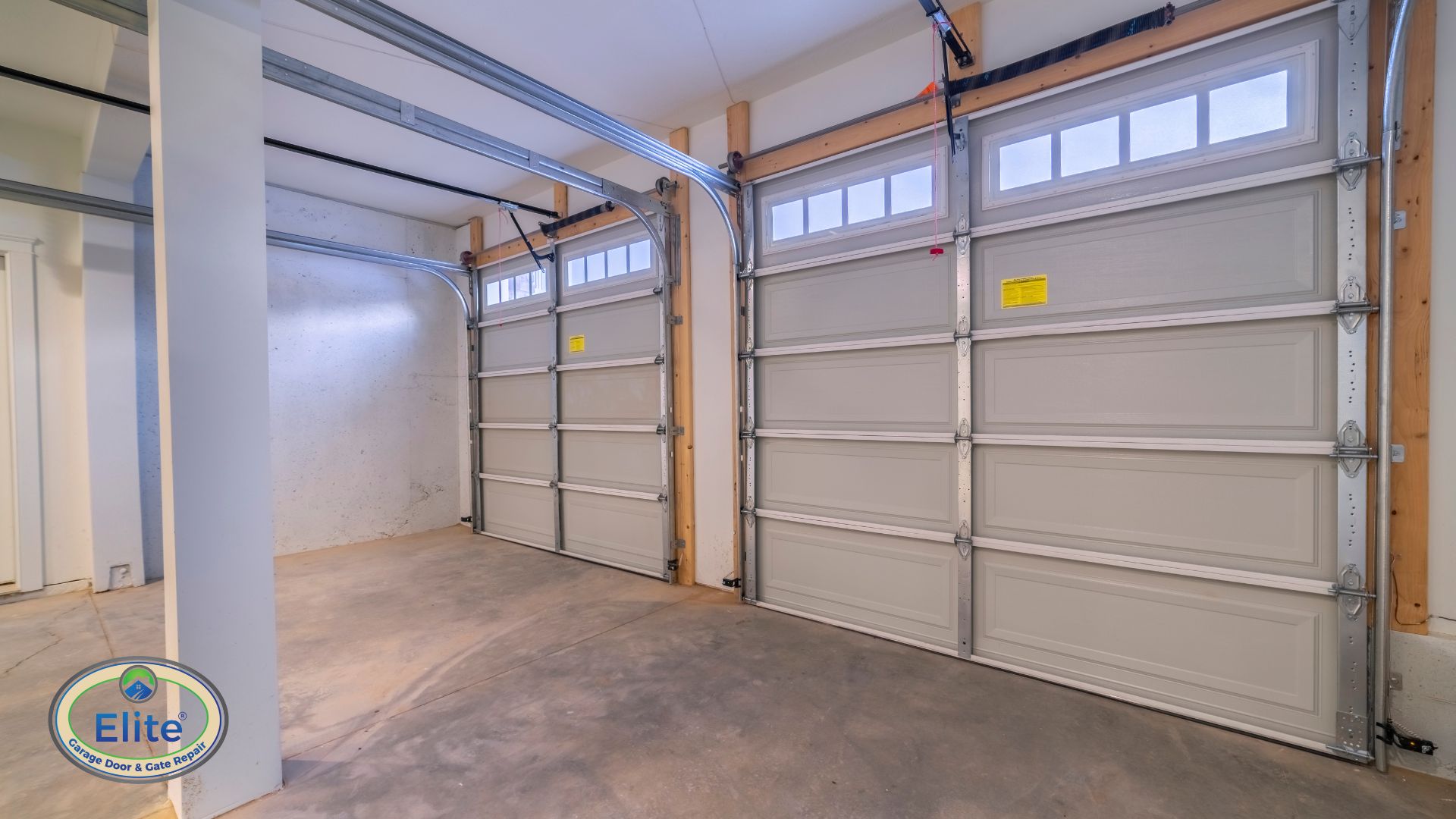
Lubrication Plays A Bigger Role Than Most People Think
One of the simplest and most effective ways to support spring health is proper lubrication. Springs that are dry experience more friction as they wind and unwind. Over time, that friction contributes to premature wear.
A light application of appropriate garage door lubricant to torsion springs helps reduce surface friction and corrosion. This does not change the spring’s strength, but it allows it to operate more smoothly and quietly.
Lubrication should also include other moving parts such as rollers, hinges, and bearings. When those parts move freely, the door places less demand on the springs during each cycle.
This is why lubrication is usually part of routine Garage Door Maintenance rather than a spring-only task.
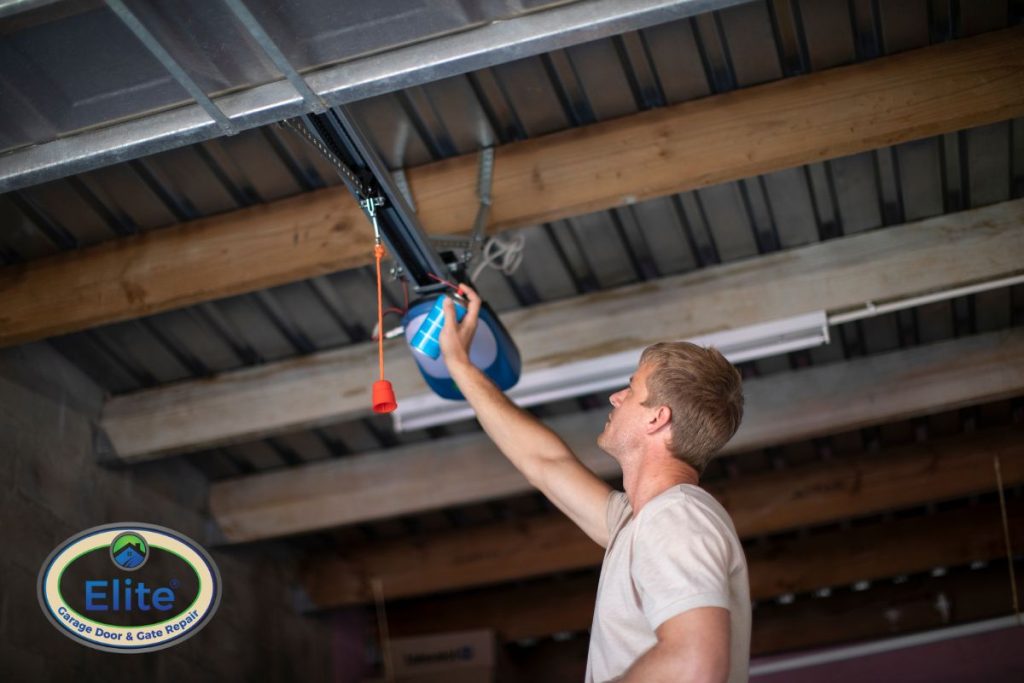
Door Balance Is The Hidden Factor In Spring Longevity
An unbalanced door forces the springs to overwork. This can happen if springs are incorrectly sized, if one spring is significantly weaker than the other, or if other components are worn and causing resistance.
Homeowners can perform a simple balance check by disconnecting the opener and lifting the door manually. If the door does not stay in place halfway open, balance may be off. This is not something to adjust yourself, but it is a useful indicator that professional adjustment may be needed.
If you want to understand how spring configurations affect balance, this article explains it clearly: One Spring Vs Two Springs
How Maintenance Helps Prevent Surprise Spring Failure
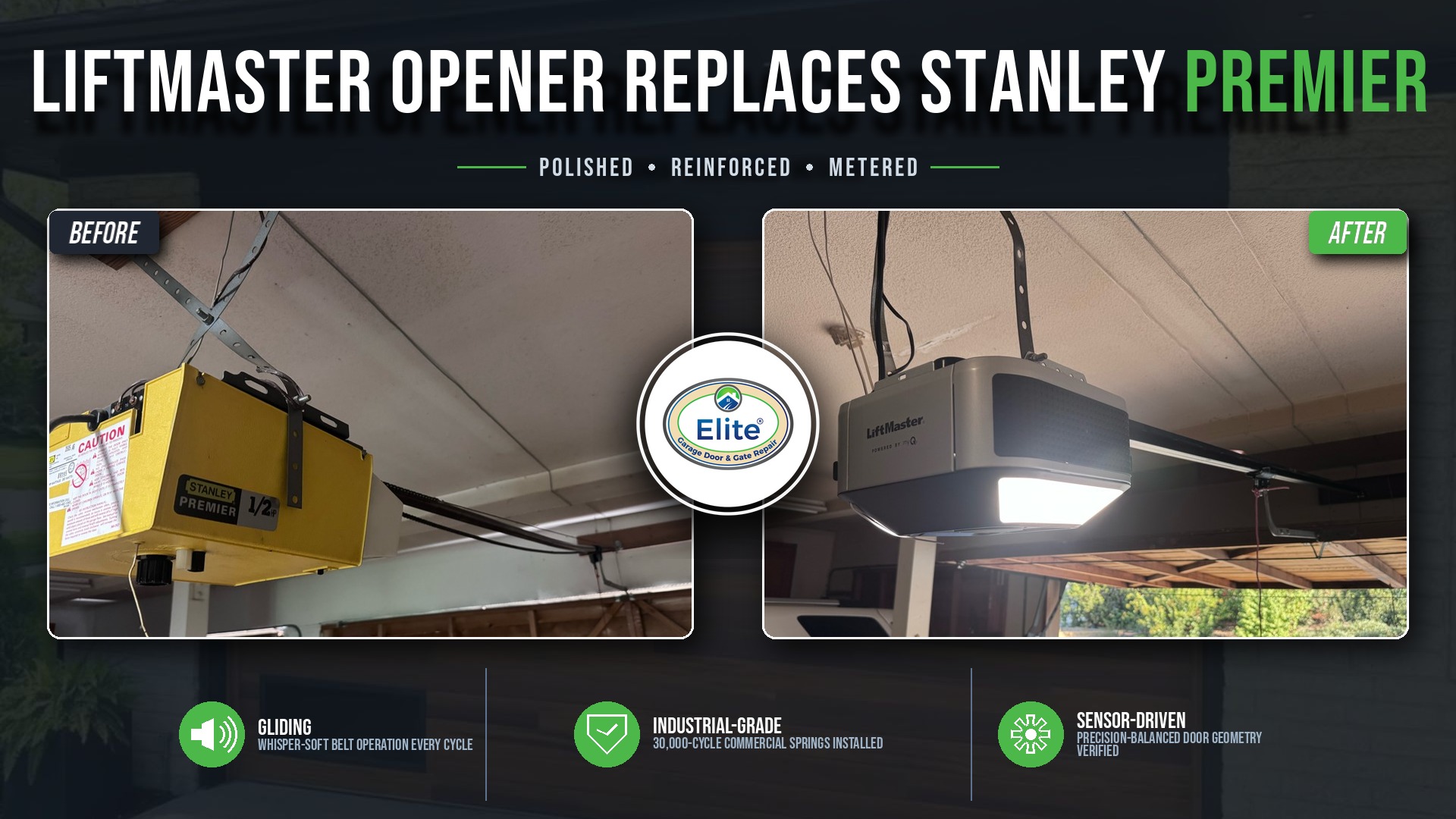
If your opener has been struggling, this service page is relevant: Garage Door Opener Repair
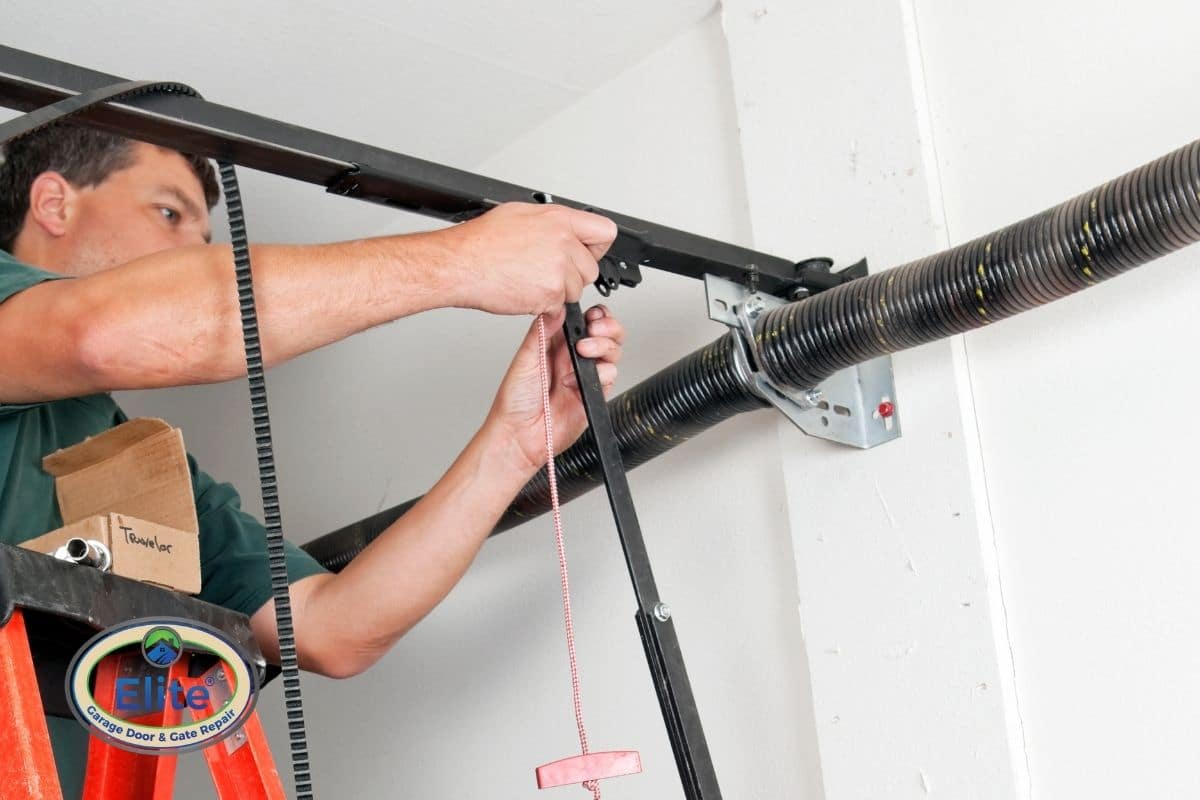
What Maintenance Can And Cannot Guarantee
Maintenance can extend spring life, but it cannot eliminate eventual failure. Springs are designed with a finite cycle life, and once that life is reached, replacement is inevitable.
What maintenance does is help springs reach their intended lifespan instead of failing years early. It also reduces the chance of sudden failure at inconvenient times and improves overall door reliability.
If you want a realistic expectation of spring lifespan under normal use, this topic connects directly: How Long Do Garage Door Springs Last