


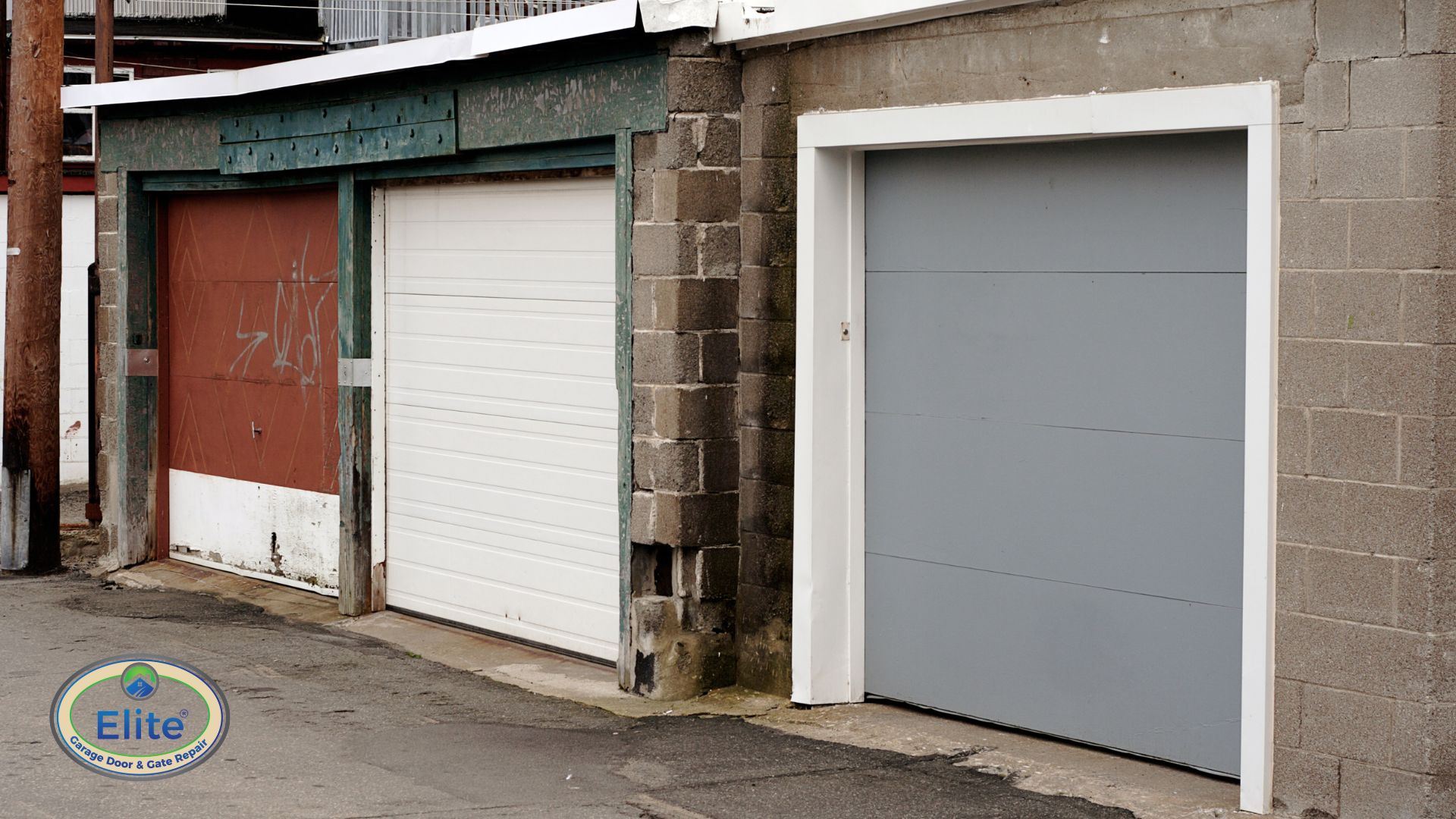
If your garage door starts to open and then suddenly stops before reaching the top, it usually catches you off guard. One day everything works fine, and the next you’re stuck pulling the car out halfway or wondering if the door is about to fall.
This kind of problem almost never happens “for no reason.” A garage door is a mechanical system under constant tension, and when something begins to fail, the door often shows it by refusing to open all the way.
This article focuses on one clear question only:
Why won’t my garage door open all the way, and what does that actually mean?
Table of Contents
First, a Quick Reality Check
A garage door is not lifted by the motor alone. The opener only guides the movement. The real work is done by springs, cables, rollers, and tracks that all have to stay in balance.
When that balance is off, even slightly, the system reacts by stopping early. That’s not a glitch. It’s a warning.
The Most Common Cause: Weak or Broken Springs
If there is one issue that shows up more than anything else, it’s spring failure.
Garage Door Springs carry the door’s weight. Over time, they lose tension. Eventually, they snap. Sometimes they break completely. Other times, they weaken just enough that the opener can’t finish lifting the door.
Homeowners usually notice things like:
- The door opens a few feet and stops
- The door feels much heavier than before
- The opener sounds strained or shuts itself off
- A loud bang was heard earlier, often mistaken for something falling
Even if the door still moves a little, a weakened spring is already past its prime. Continuing to use the door puts extra stress on the opener, cables, and tracks.
Trying to force it open or “help it along” is one of the fastest ways to turn a repair into a safety issue.
Track Problems That Stop the Door Midway
Garage doors need a clear, straight path to move. When the tracks are dirty, bent, or slightly Out Of Alignment, the door can bind and stop at the same point every time.
This usually happens because of:
- Dirt, leaves, or small debris in the tracks
- Old grease that has hardened
- A minor impact that bent the track inward
- Loose mounting brackets pulling the track out of position
The door may look fine at first glance, but even a small bend can be enough to stop it under load.
One important thing to avoid is forcing the door upward. That often causes rollers to jump the track, which makes the repair more complicated and more expensive.
Safety Sensors Can Interrupt Opening Too
Most people associate safety sensors with doors that won’t close, but sensor issues can also affect opening.
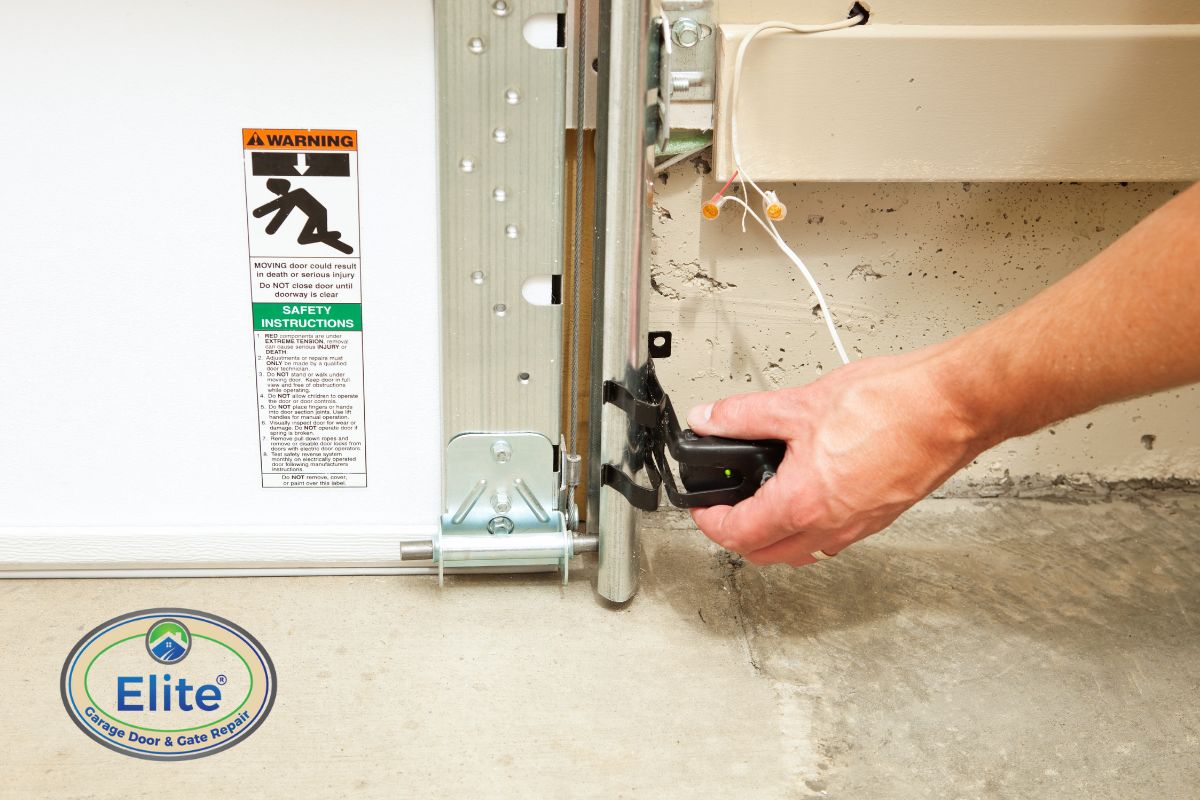
If the sensors lose alignment or send inconsistent signals, the opener may stop mid-cycle as a precaution.
Common causes include:
- Dust or dirt covering the lenses
- Sensors knocked slightly out of alignment
- Wiring that has loosened over time
- Direct sunlight hitting the sensor at certain angles
Cleaning the sensors and making sure they face each other is safe to try. If the problem keeps coming back, the issue is usually deeper than simple alignment.
Reasons For Garage Door Sensors Failure
Opener Limit Settings That Are Off
Garage door openers rely on limit settings to know when the door has fully opened. If those limits are wrong, the opener may think the door is already open when it’s not.
This can happen after:
- A power outage
- A new opener installation
- Someone adjusting the settings without fully understanding them
When limits are set incorrectly, the door may stop short, reverse direction, or shut down entirely.
Adjusting limits is possible, but incorrect adjustments can damage the motor or internal gears. If the door suddenly started stopping after a recent change, this is worth checking carefully.
Cable Issues That Cause Uneven Lifting
Cables work together with the springs to lift the door evenly on both sides. When one cable starts to fray or slip, the door may lift crooked and stop partway up.
Signs of cable trouble include:
- One side of the door rising higher than the other
- A visible tilt or twist while opening
- Grinding or scraping noises
- Frayed or loose cable near the drum
This is not a cosmetic issue. A failing cable can snap without warning, and when it does, the door can drop suddenly.
Cable repairs should always be handled by a professional due to the tension involved.

Cable Issues That Cause Uneven Lifting
Worn Rollers and Hardware Add Resistance
Over time, rollers wear down, bearings seize, and hinges loosen. This adds resistance to the system. The opener may be able to start the door moving but not finish the job.
This is especially common with:
- Older garage doors
- Doors that haven’t been maintained
- Metal components exposed to moisture or corrosion
The door often stops at the same height because that’s where resistance becomes too much for the system to overcome.

Weather Can Expose Existing Problems
Extreme heat or cold rarely causes a garage door to stop on its own, but it can expose problems that were already there.
Temperature changes can:
- Affect metal expansion in tracks
- Thicken old lubricants
- Increase stress on worn springs
If the problem appears during weather changes, it’s often a sign that components are already near failure.
When to Stop Troubleshooting
You should stop testing and call a professional if:
- The door feels heavy
- The door looks uneven or crooked
- You see broken springs or frayed cables
- The opener strains or shuts off repeatedly
Continuing to run a door in this condition usually leads to more damage, not a solution.
Why Waiting Usually Makes It Worse
A door that won’t open all the way is rarely a small problem that fixes itself. What starts as a partial stop often turns into:
- A completely stuck door
- A burned-out opener
- Track damage
- Higher repair costs
Early repairs usually involve fewer parts and less labor. Waiting almost always increases the total cost.
Final Thoughts
When a garage door refuses to open fully, it’s telling you something important. Springs, cables, tracks, sensors, or opener settings are no longer working together the way they should.
Addressing the issue early keeps the door safe, protects the opener, and avoids bigger repairs down the road.





Leave A Comment