



Most homeowners never think about how many springs their garage door has until something goes wrong. The door stops working, feels heavy, or makes an alarming noise, and suddenly the question comes up. Is this a one spring system or a two spring system, and does it really matter?
The answer is yes, it matters a lot. The number of springs on a garage door affects how the door operates, how safely it fails, how long components last, and how repairs should be handled. Understanding the difference between one spring and two springs helps homeowners make better decisions before and after a failure.
Table of Contents
How Garage Door Springs Actually Do the Heavy Lifting
Garage door springs are designed to counterbalance the weight of the door. Without them, a garage door would be far too heavy to lift safely by hand or with an opener. The springs store energy when the door is closed and release it as the door opens, making movement controlled and predictable.
Whether a door uses one spring or two, the goal is the same. The difference lies in how that weight is distributed and how the system behaves over time. When something changes in that balance, the effects are noticeable immediately.
This is why spring related issues almost always require professional attention like Garage Door Spring Repair

How Garage Door Springs Actually Do the Heavy Lifting
What Happens In A One Spring Garage Door System
A one spring system uses a single torsion spring mounted above the door to handle all lifting and lowering. These systems are often found on smaller or older garage doors.
When a single spring is working properly, the door can operate smoothly. The problem is what happens when that spring begins to wear out or fails completely.
If the spring breaks, the entire counterbalance system is gone instantly. The door becomes extremely heavy and difficult to control. In most cases, the opener cannot lift the door at all, or it strains heavily and shuts down. Manual lifting becomes risky because there is no backup support.
This type of failure often feels sudden and dramatic, and it usually leaves the garage door completely unusable until repaired.
How A Two Spring System Changes Performance And Safety
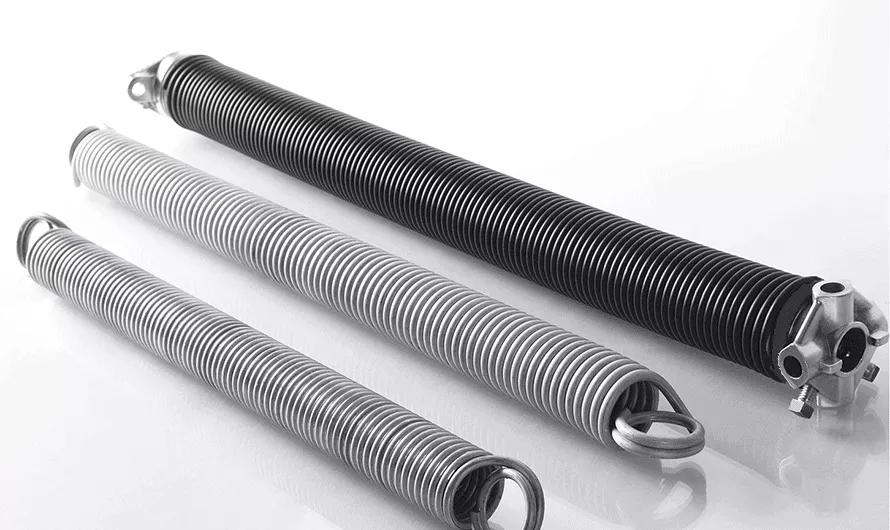
A two spring system uses two torsion springs working together to balance the door. Each spring carries part of the load, which spreads stress more evenly across the system.
The biggest advantage of a two spring setup is stability. If one spring begins to fail or breaks, the second spring may still provide partial support. The door may feel heavy or lift unevenly, but it is less likely to slam shut immediately.
This does not mean the door is safe to use, but it does mean the failure is often less catastrophic. Homeowners usually notice warning signs earlier, such as uneven lifting or increased resistance.
If you want a deeper explanation of how different spring designs work, this comparison is helpful: Torsion Springs Vs Extension Springs
How A Two Spring System Changes Performance And Safety
Why Two Springs Usually Last Longer Than One
Spring lifespan is measured in cycles, meaning one full open and close of the door. In a one spring system, that single spring handles every cycle alone. In a two spring system, the workload is shared.
Because each spring does less work per cycle, two spring systems tend to wear more slowly and evenly. This often results in fewer sudden failures and longer overall system life.
When one spring in a two spring system breaks, professionals typically recommend replacing both springs at the same time. This ensures balanced performance and prevents uneven wear from shortening the life of the new spring.
If you are unsure whether your system is nearing failure, this article outlines common warning signs: 9 Signs Broken Garage Door Springs
Cost Differences And Upgrade Considerations
Many homeowners ask whether upgrading from one spring to two springs is worth the cost. In many cases, the answer is yes, especially for heavier or frequently used doors.
While a two spring system may cost slightly more upfront, it often saves money over time by reducing stress on the opener and lowering the risk of sudden, damaging failures. It also improves safety and door control.
Spring replacement is not just about swapping parts. Proper sizing, balance, and adjustment are critical. A professional repair includes checking cables, drums, and door balance to ensure everything works together correctly.
This FAQ explains what spring repair usually involves and what homeowners should expect: Spring Repairs For Damaged Garage Doors

Cost Differences And Upgrade Considerations
Final Thoughts
The difference between one spring and two springs is not just technical. It affects safety, reliability, and long term performance. One spring systems tend to fail abruptly and leave the door unusable. Two spring systems provide better balance, smoother operation, and a safer failure mode.
If your garage door currently uses one spring, upgrading to a two spring system is often a smart investment, especially if the door is heavy or used daily. Understanding your spring setup helps you make informed decisions before problems turn into emergencies.


Leave A Comment