

A garage door that opens slowly can be easy to ignore at first. The door still works, it eventually opens all the way, and nothing seems obviously broken. Over time, though, the delay becomes more noticeable. What used to take a few seconds now feels like a long wait, and the opener may sound different than it used to.
A slow opening garage door is not just an inconvenience. It is often an early indicator that something in the system is wearing out, losing efficiency, or operating under unnecessary strain. Understanding why this happens helps prevent larger problems down the road.
Garage door openers are programmed to move the door at a controlled, consistent speed. This speed balances safety, efficiency, and mechanical longevity.
When the door starts opening more slowly than normal, it means resistance has increased or the opener is no longer operating at peak performance. This change rarely happens without a reason.
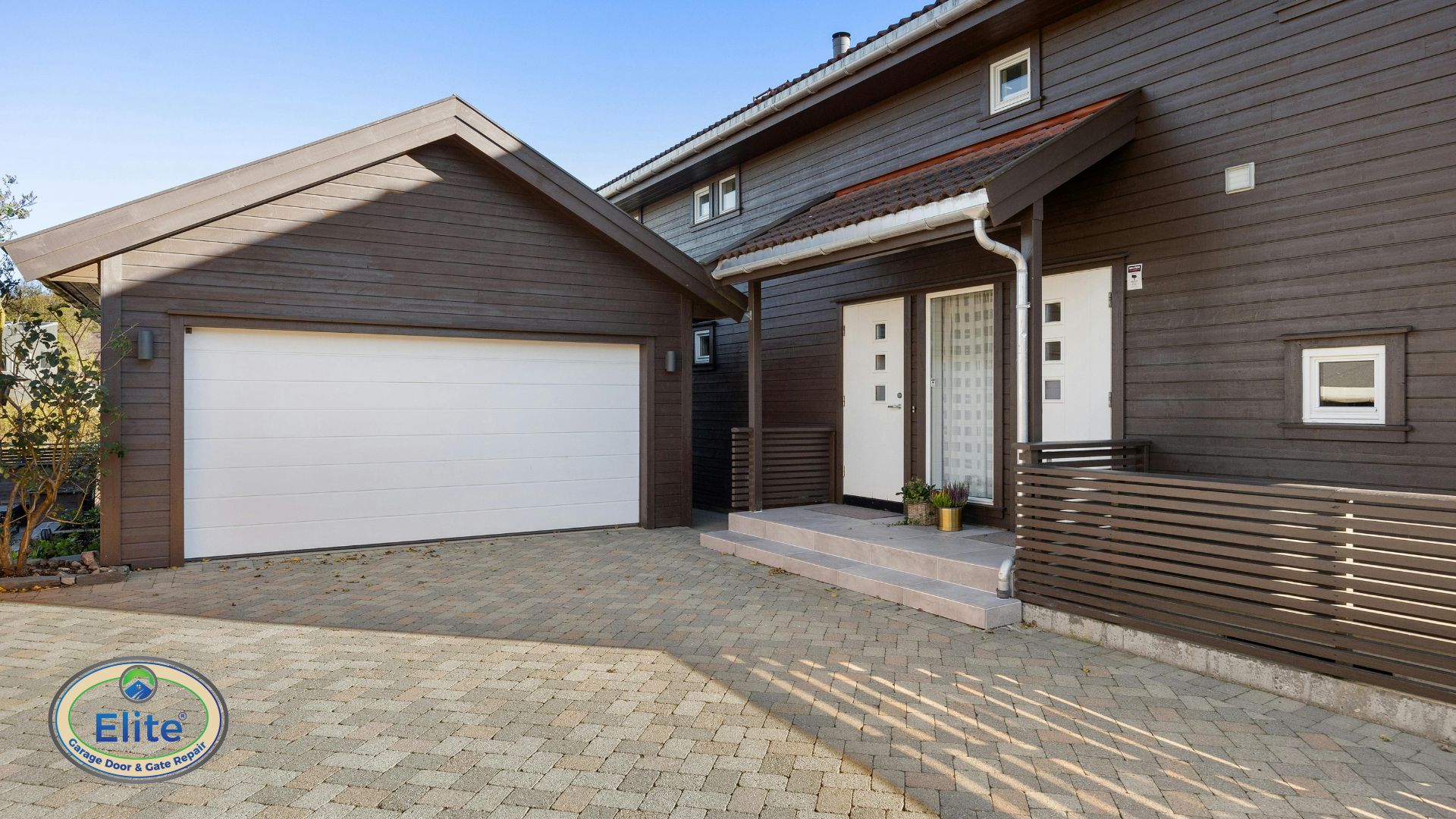
Why Garage Doors Are Designed to Open at a Certain Speed
The Most Common Reasons a Garage Door Opens Slowly
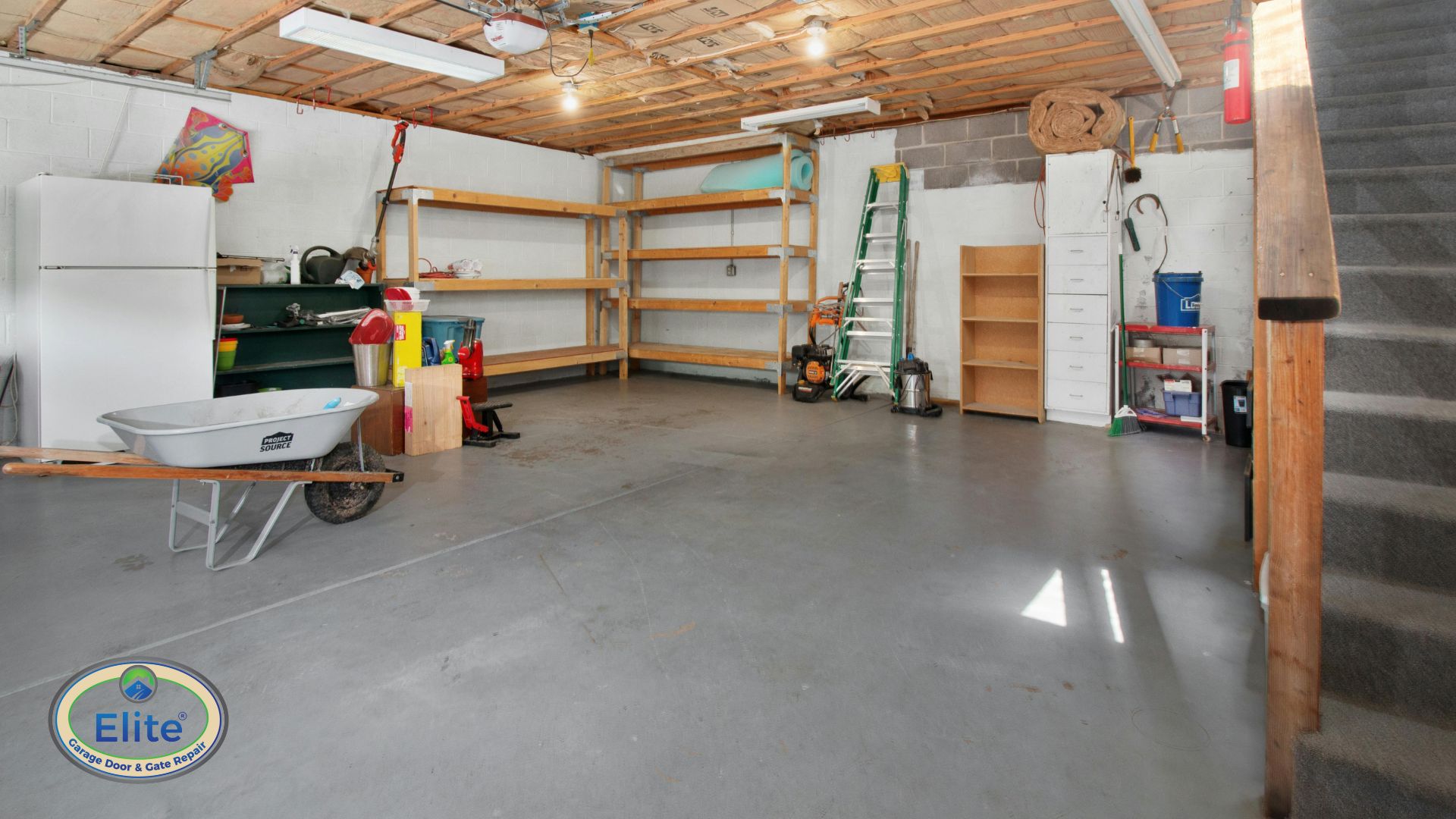
The Most Common Reasons a Garage Door Opens Slowly
How Weather and Environment Affect Opening Speed
Temperature changes can influence how quickly a garage door opens. Cold weather thickens lubricants and causes metal parts to contract, increasing resistance.
Humidity and moisture can also affect tracks and rollers, especially in garages with poor ventilation. Over time, these environmental factors contribute to gradual speed loss.
Why Ignoring a Slow Opening Door Is a Mistake
Ignoring the problem allows wear to continue unchecked. Eventually, the opener, springs, or rollers may fail, turning a minor issue into a major repair.
What You Can Safely Check as a Homeowner
Basic inspection can help identify obvious causes. Look for dirt or debris in the tracks, listen for grinding or straining sounds, and observe whether the door moves evenly.
Routine Garage Door Maintenance often restores smooth movement when friction is the main issue. Cleaning and lubricating moving parts can make a noticeable difference.
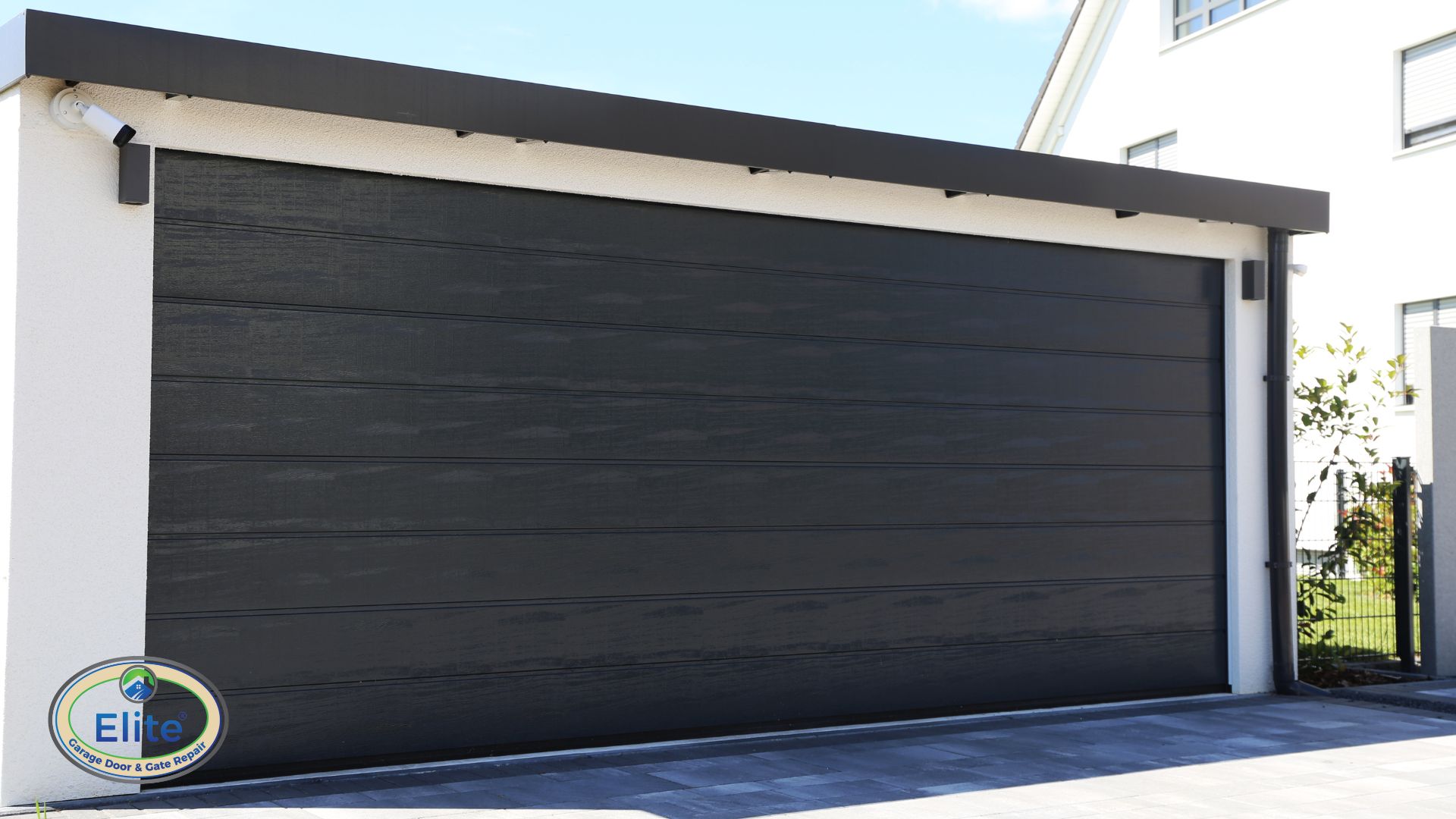
What You Can Safely Check as a Homeowner
When Slow Movement Signals a Bigger Problem
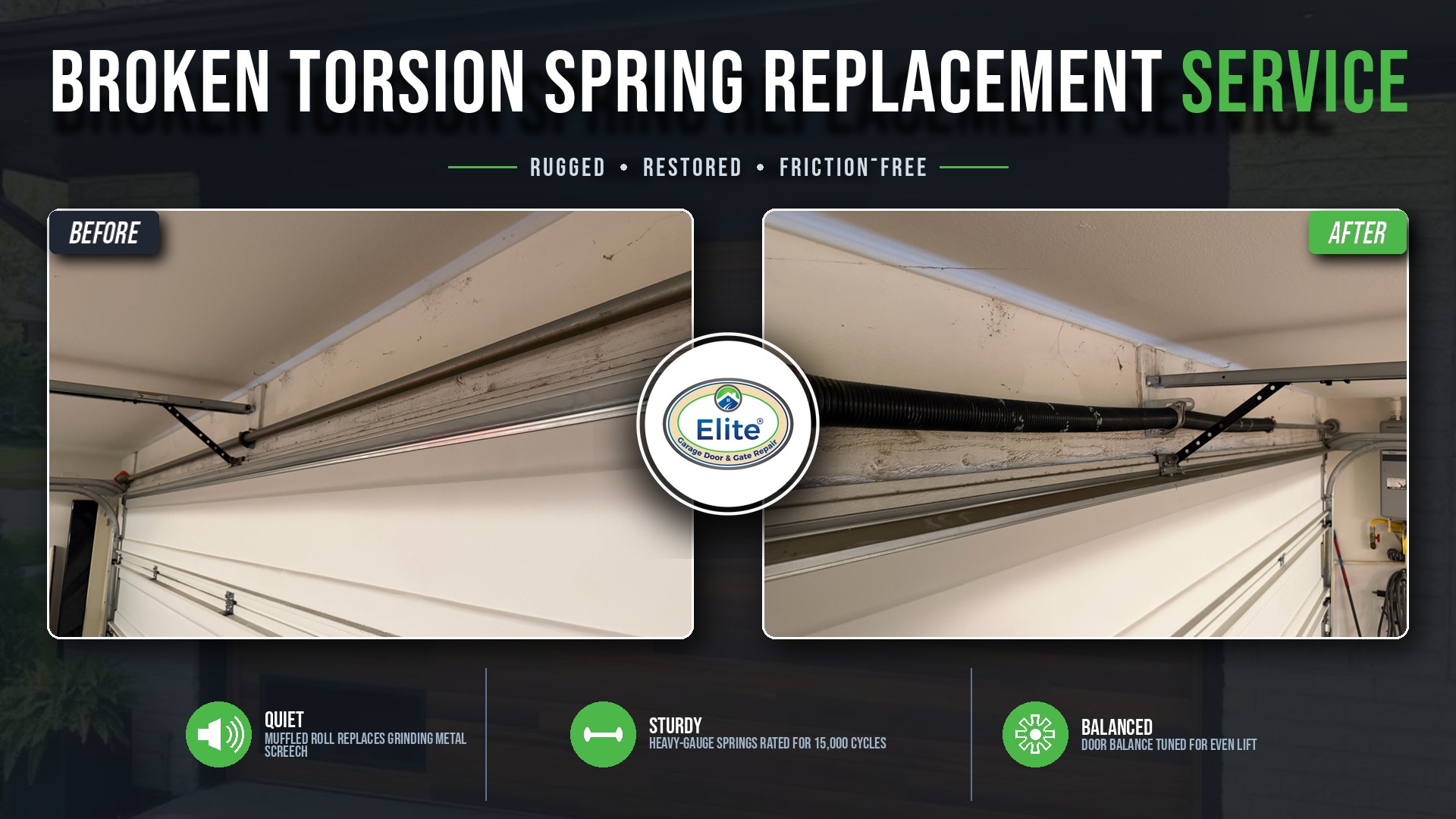
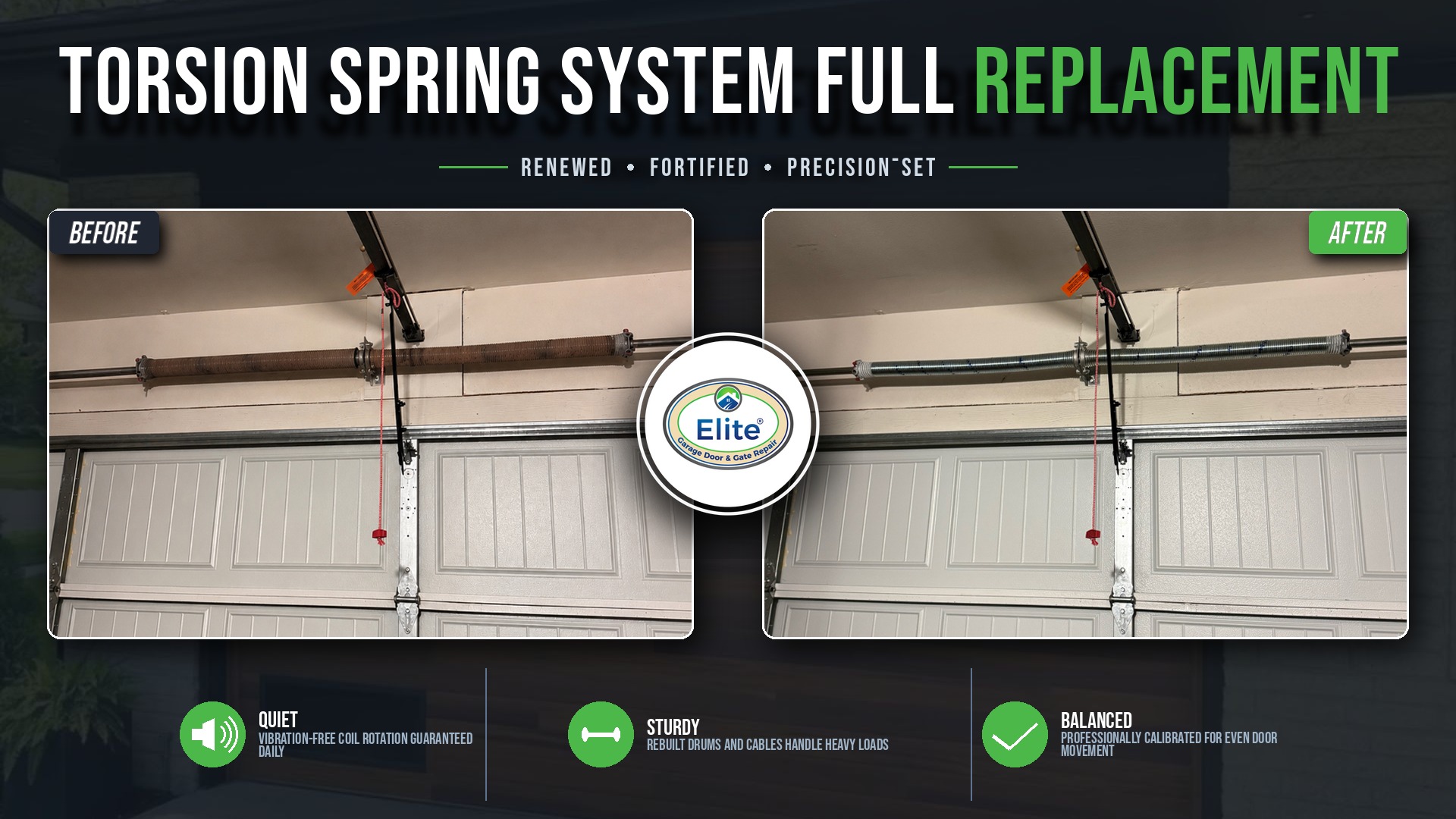
If maintenance does not improve speed, the issue is usually deeper. Worn springs, failing opener components, or internal motor strain may be involved.
In these cases, continued operation can shorten the lifespan of the opener and increase the risk of sudden failure.
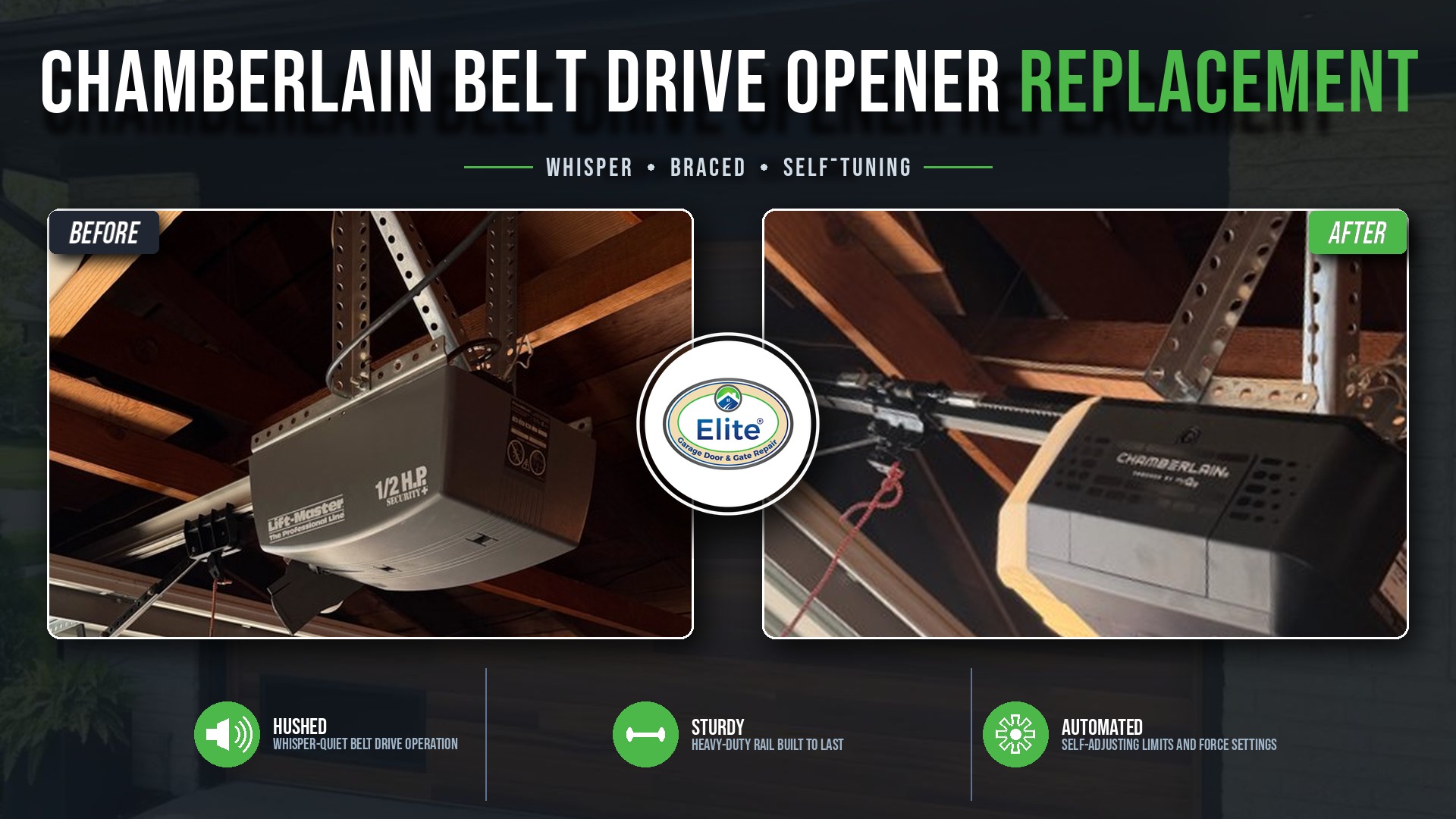
Professional Garage Door Opener Repair helps identify whether the delay is caused by mechanical resistance, balance issues, or opener wear.
Common Questions About Slow Garage Door Operation
Homeowners often ask whether a slow door is dangerous. While it may not be immediately hazardous, it is a warning sign that should not be ignored.
This FAQ explains common causes and solutions in more detail: How Do I Fix A Garage Door That Opens Too Slowly?
How Professionals Diagnose Speed Problems
Addressing the root cause restores normal speed and reduces strain on the system.
How to Keep Your Garage Door Opening Smoothly
Regular maintenance, proper lubrication, and early response to changes in performance help keep the door operating efficiently. Addressing small issues before they escalate is the most effective way to maintain speed.
Replacing worn components early often prevents opener damage and extends the life of the entire system.
Final Thoughts
A garage door that opens too slowly is rarely a random issue. It usually reflects increased resistance, balance changes, or aging opener components. While the door may still function, the slowdown is an early warning that should not be ignored.
Responding early helps restore normal operation, protects the opener, and avoids more expensive repairs later.