


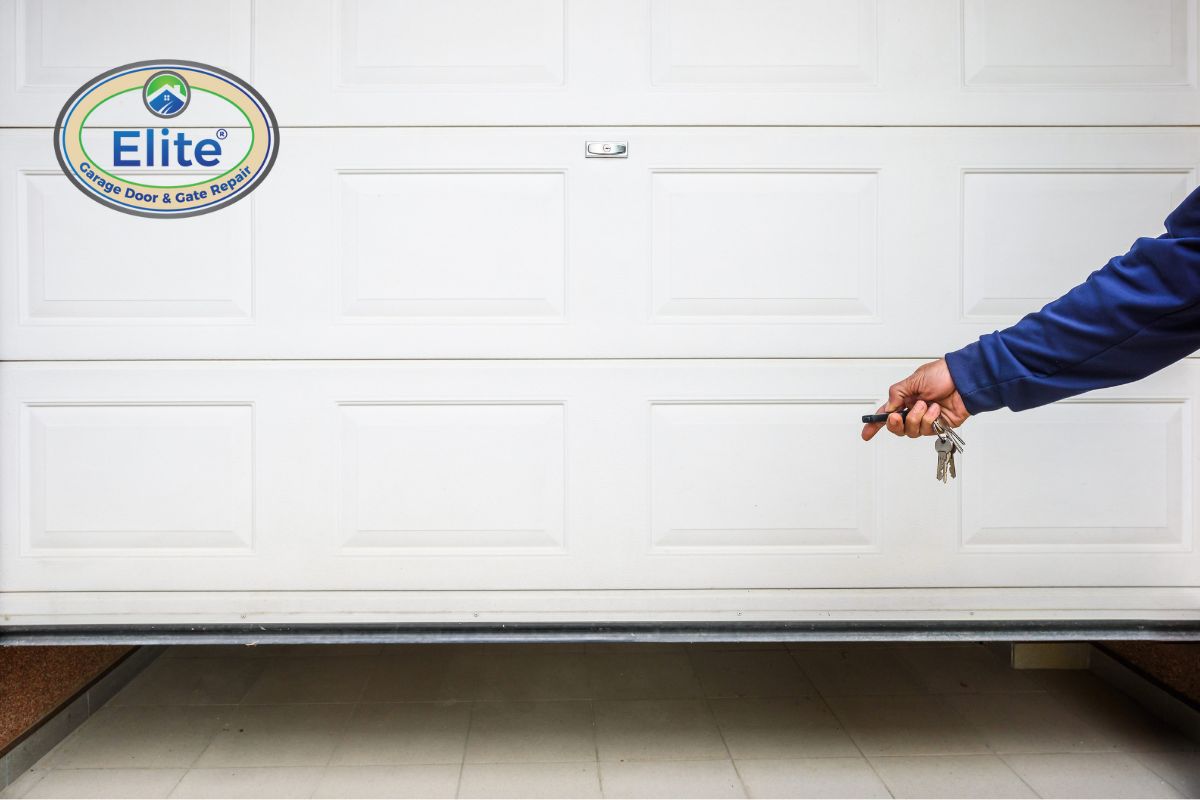
You’re sitting in the car, already late, pressing the garage door remote again and again, and nothing happens. No movement. No sound. Maybe the wall button works, maybe it doesn’t. Either way, a garage door that won’t open with the remote feels like it fails at the worst possible moment.
The good news is that remote control problems are usually not serious mechanical failures. In many cases, the door itself is fine, and the issue is somewhere between the remote, the opener, and the signals connecting them. The key is knowing where to look first so you don’t jump straight to replacing parts that aren’t actually broken.
Table of Contents
Start With The Remote Itself Before Assuming Bigger Problems
The simplest problems are often the correct ones. Garage door remotes live in cars, pockets, drawers, and glove compartments, and they take more abuse than most people realize.
Dead or weak batteries are the most common cause. Even if the remote light still turns on, the signal may be too weak to reach the opener reliably. Replacing the battery is always the first step and costs almost nothing.
Next, try standing closer to the garage door. If the remote works only when you are very close, that usually points to a signal issue rather than a door problem. Remotes can also lose programming after power outages or electrical surges, which means they need to be re-paired to the opener.
If multiple remotes stop working at the same time, that is usually a clue that the issue is not the remote itself.
Start With The Remote Itself Before Assuming Bigger Problems
When The Wall Button Works But The Remote Does Not
This is one of the most helpful clues you can get. If the wall-mounted button opens the door normally, the door and springs are likely fine. The issue is almost always related to signal transmission or the opener’s receiver.
Modern homes are full of electronics that can interfere with remote signals. LED light bulbs, Wi-Fi routers, security systems, and even some vehicle electronics can create interference that blocks or weakens the remote signal.
Sometimes the interference is new, even though nothing about the garage door changed. A new light fixture or a new device plugged in nearby can quietly disrupt remote performance.
If the opener responds inconsistently or only at certain times, signal interference becomes even more likely.
When The Door Doesn’t Move At All, Even With The Remote
If pressing the remote does nothing and the wall button also fails, the problem may not be the remote at all. In these cases, the opener may be protecting itself from a mechanical issue.
Try disconnecting the opener using the emergency release and lift the door manually. If the door feels extremely heavy or won’t move smoothly, the opener may be refusing to run because the door is no longer balanced.
Broken or weakened springs are a common cause here. When springs fail, the opener cannot lift the door safely and may appear unresponsive.
If the door feels heavy or stuck, this service page is directly relevant: Garage Door Spring Repair
Receiver, Antenna, And Opener Issues That Affect Remotes
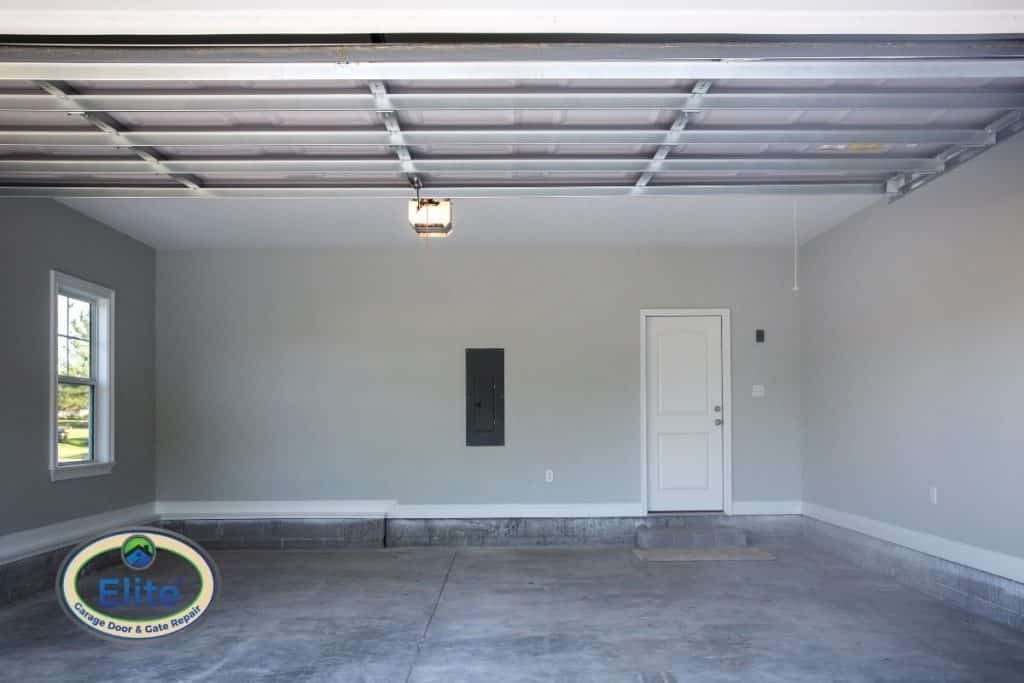
Inside the opener is a receiver that listens for signals from your remote. If that receiver fails, the opener may ignore every remote you own. A damaged or improperly positioned antenna can also reduce signal range dramatically.
Power surges, age, and moisture can all affect opener electronics. In some cases, the opener will still work from the wall button but not from any remote. In other cases, the opener may behave unpredictably.
If you suspect the issue is inside the opener itself, this is the correct reference point: Garage Door Opener Repair
In older openers, remote technology itself can be the limitation. Some older systems are more vulnerable to interference or simply stop responding as components age.
Receiver, Antenna, And Opener Issues That Affect Remotes
How To Prevent Remote Problems From Coming Back
Most remote issues are preventable with a little awareness. Keeping fresh batteries in remotes, avoiding signal-blocking LED bulbs near the opener, and making sure the opener antenna hangs freely can all help.
Just as important is keeping the door system running smoothly. A door that binds, sticks, or strains puts stress on the opener, which can affect how it responds to commands over time.
Routine Garage Door Maintenance helps catch balance issues, sensor alignment problems, and early opener strain before they turn into complete failures.
If you want to understand other reasons an opener may stop responding entirely, this FAQ connects closely to this topic: Why Will My Garage Door Opener Not Operate


Leave A Comment