



A garage door that opens partway and then suddenly stops can quickly ruin your routine. You press the remote again, hear the opener running, and start wondering if the door will move or stay frozen. This is not a random issue. When a garage door gets stuck halfway, it is usually responding to resistance, imbalance, or a safety trigger.
Understanding the cause helps prevent forcing the door and turning a small repair into a much larger problem.
Table of Contents
How a Garage Door Is Designed to Operate
A garage door works as a balanced system. Springs carry the weight of the door, cables keep both sides lifting evenly, rollers guide the door through the tracks, and the opener controls movement and safety.
If any component stops working properly, the system reacts by stopping the door mid cycle. This is a protective response.
Worn or Broken Garage Door Springs
One of the most common reasons a garage door stops halfway is spring failure. Springs counterbalance the door so the opener does not have to lift the full weight alone. As springs wear down, they lose tension and can no longer assist the door properly.
Signs often include a door that feels unusually heavy, an opener that sounds strained, or a loud bang that occurred earlier near the garage. In many cases, the door will rise a few feet and stop at the same point every time.
When springs are involved, professional Garage Door Spring Repair is usually required. Springs are under extreme tension, and attempting to adjust or replace them yourself is unsafe.

Broken Springs
Track Obstructions and Alignment Problems
Garage door tracks must remain clean and properly aligned. Even small debris or a slight bend can cause the rollers to bind and stop the door halfway.
Common issues include dirt buildup, hardened grease, loose mounting brackets, or a track that has been bent inward from impact. If the door stops at the same height every time, the tracks are often involved.
Forcing the door upward can push rollers out of the track and lead to a more expensive repair.
Safety Sensor Interference
Safety sensors are designed to stop the door if something is detected in its path. While most homeowners associate sensor problems with doors that will not close, sensor interference can also interrupt opening.
This happens when sensor lenses are dirty, sensors are slightly out of alignment, wiring has loosened, or direct sunlight interferes with the signal. Cleaning the lenses and checking alignment is safe to try.
If you want to understand how sensors are tested correctly, this FAQ explains it clearly: How Do You Test A Garage Door Sensor?
Incorrect Opener Limit Settings
Garage door openers use limit settings to determine how far the door should travel. If these limits are incorrect, the opener may think the door is fully open and stop it early.
Limit issues often appear after power outages, opener resets, or improper adjustments. This issue usually shows up suddenly, especially if the door previously opened all the way without problems.
Adjustments should be made carefully to avoid damaging internal components.
Worn Rollers and Hardware
Rollers, hinges, and brackets move every time the door opens or closes. Over time, these parts wear down and create resistance. As friction increases, the opener may struggle to lift the door past a certain point.
Grinding noises, jerky movement, or hesitation during opening are common signs of worn hardware. Lubrication can help temporarily, but worn parts eventually need replacement.

Cable Problems Affecting Door Balance
Lift cables work alongside the springs to keep the door level. If one cable begins to fray or slip, the door may lift unevenly and stop halfway.
You may notice one side of the door rising faster than the other or the door appearing crooked. Cable issues are serious and should only be handled by professionals due to the tension involved.
When to Stop Troubleshooting
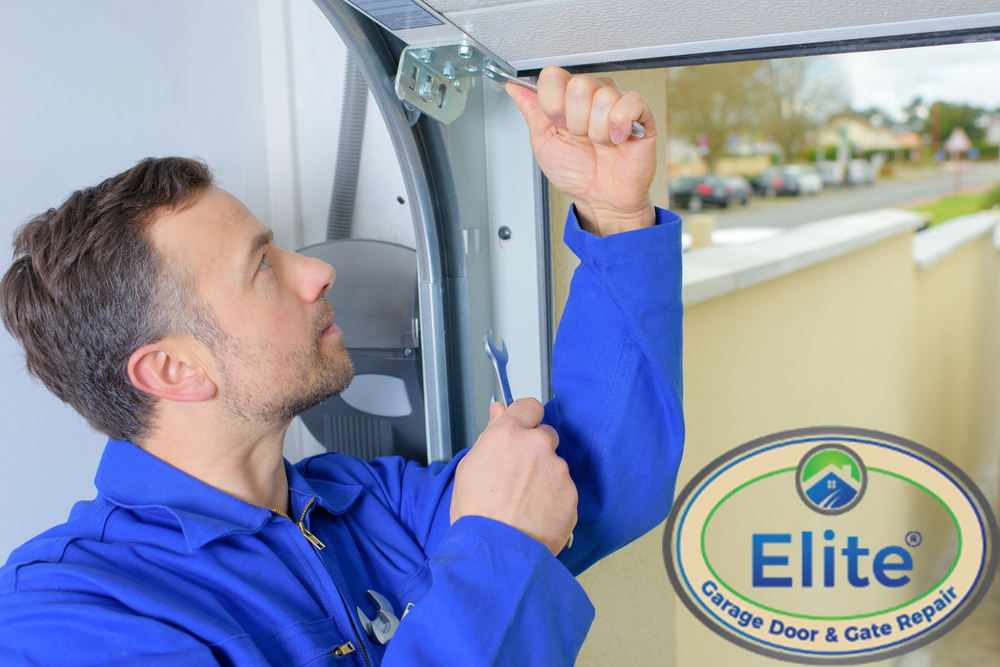
If your garage door is stuck halfway and feels heavy, looks uneven, or stops at the same point every time, it is best to stop testing and call a professional. Continuing to operate the door in this condition often leads to additional damage and higher repair costs.
This guide explains exactly when professional help is needed: When To Call A Professional For Garage Door Repair
Why Acting Early Matters
A garage door that stops halfway is usually an early warning. Addressing the issue early often means fewer parts need replacement, repairs are simpler, and safety risks are lower.
Waiting rarely improves the situation.
Final Thoughts
A garage door stuck halfway is rarely a mystery. Spring issues, track problems, sensor interference, opener settings, worn hardware, or cable imbalance are usually involved. Recognizing the signs early and knowing when to stop troubleshooting can save time, money, and prevent bigger failures.





Leave A Comment