



When you replace garage door springs, it’s reasonable to expect them to last. That’s why many homeowners pay close attention to the warranty mentioned on the invoice or estimate. The problem is that spring warranties are often misunderstood. Some sound impressive on paper, while others feel short or unclear. Knowing what a normal garage door spring warranty looks like helps you avoid false expectations and recognize whether a warranty actually offers real value.
A spring warranty is not just about time. It’s about cycle rating, usage, installation quality, and what the warranty actually covers if something goes wrong.
Table of Contents
Why Spring Warranties Are Usually Limited
Garage door springs are considered wear items. They are designed to wear out after a certain number of cycles, just like tires or brake pads. Because of that, most warranties are structured around realistic lifespan expectations, not lifetime coverage in the traditional sense.
Many standard springs come with warranties that range from one to five years, depending on the spring quality and the service provider. Higher-cycle springs may carry longer warranties, but even then, coverage usually reflects expected use rather than unlimited protection.
A common misunderstanding is assuming a longer warranty means a spring will never break during that period. In reality, warranty coverage often assumes average daily use. Heavy use can reach the cycle limit long before the time limit is up.
If you are replacing springs, this service page is the most relevant reference point: Garage Door Spring Repair
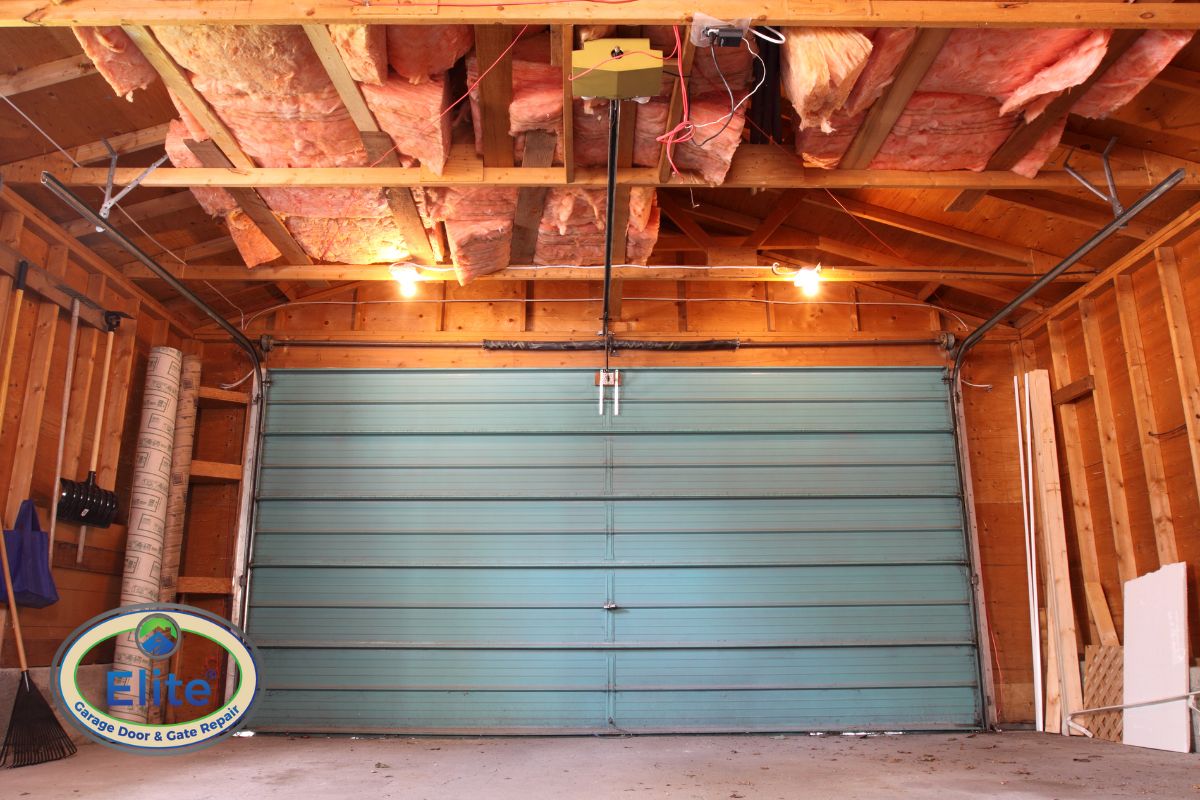
Why Spring Warranties Are Usually Limited
What Most Spring Warranties Actually Cover
Not all warranties cover the same things, even if the time period sounds similar. This is where homeowners need to read carefully or ask questions.
In many cases, the warranty covers the spring itself but not the labor to replace it again if it fails. That means the part may be free, but the service call and labor are not. Other warranties are prorated, meaning coverage decreases over time based on usage or years passed.
Some higher-quality service providers offer warranties that include both parts and labor for a defined period, especially when high-cycle springs are installed. These warranties tend to cost more upfront but provide clearer protection.
Understanding what spring service includes helps clarify what the warranty applies to. This FAQ explains what is typically involved in spring repair: Spring Repairs For Damaged Garage Doors
How Usage Affects Warranty Validity
One of the most overlooked factors in spring warranties is usage. Springs are rated by cycles, not just years. A household that opens and closes the garage door ten times a day will reach a spring’s cycle limit much faster than a household that uses it twice a day.
If a spring fails early due to heavy use, it may not be considered a warranty defect. That’s because the spring did exactly what it was designed to do, it completed its cycle rating. This is why some warranties specify “normal residential use” without defining a strict number of cycles.
If you want a better understanding of how long springs are expected to last under different usage patterns, this topic connects directly: How Long Do Garage Door Springs Last
Installation Quality Matters More Than Most Warranties
Even the best spring warranty cannot compensate for poor installation. Incorrect spring sizing, improper tensioning, or skipping balance testing can all shorten spring life significantly.
If a door is left unbalanced after installation, the springs experience uneven stress. That can cause premature wear, regardless of warranty length. In these cases, a spring may break early, but the root cause is installation quality, not a defective spring.
This is why reputable companies focus on correct sizing, proper winding, and full balance testing as part of spring replacement. Warranty protection only has value when the system is installed and adjusted correctly from the start.
Get Your Garage Door Installed By A Professional
When A Warranty Is Worth Paying Attention To
A spring warranty is most valuable when it is clear, specific, and realistic. The best warranties explain:
- What parts are covered
- Whether labor is included
- How long coverage lasts under normal use
- Whether coverage is prorated
- What conditions may void the warranty
If a warranty sounds vague or too good to be true, it’s worth asking for clarification before approving the work. Transparency matters more than big promises.
Routine Garage Door Maintenance also plays a role here. A well-maintained door puts less stress on the springs, helping them reach their full expected lifespan and reducing the chance of warranty disputes.


Leave A Comment