

A garage door that slams shut without warning is one of the most dangerous issues a homeowner can experience. The door may start closing normally and then drop rapidly, or it may fall the moment it begins to move. When this happens, it is not just a mechanical inconvenience. It is a serious safety hazard.
Garage doors are designed to close in a controlled, steady motion. When that control is lost, something critical in the system has failed. Understanding why a garage door slams shut helps you recognize the danger early and avoid injuries or major damage.
A garage door weighs far more than most people realize. The only reason it moves safely is because springs and cables control its weight. When that control disappears, gravity takes over.
A door that slams shut can damage vehicles, crack door panels, bend tracks, and seriously injure anyone nearby. Children and pets are especially at risk because the movement is sudden and unexpected.
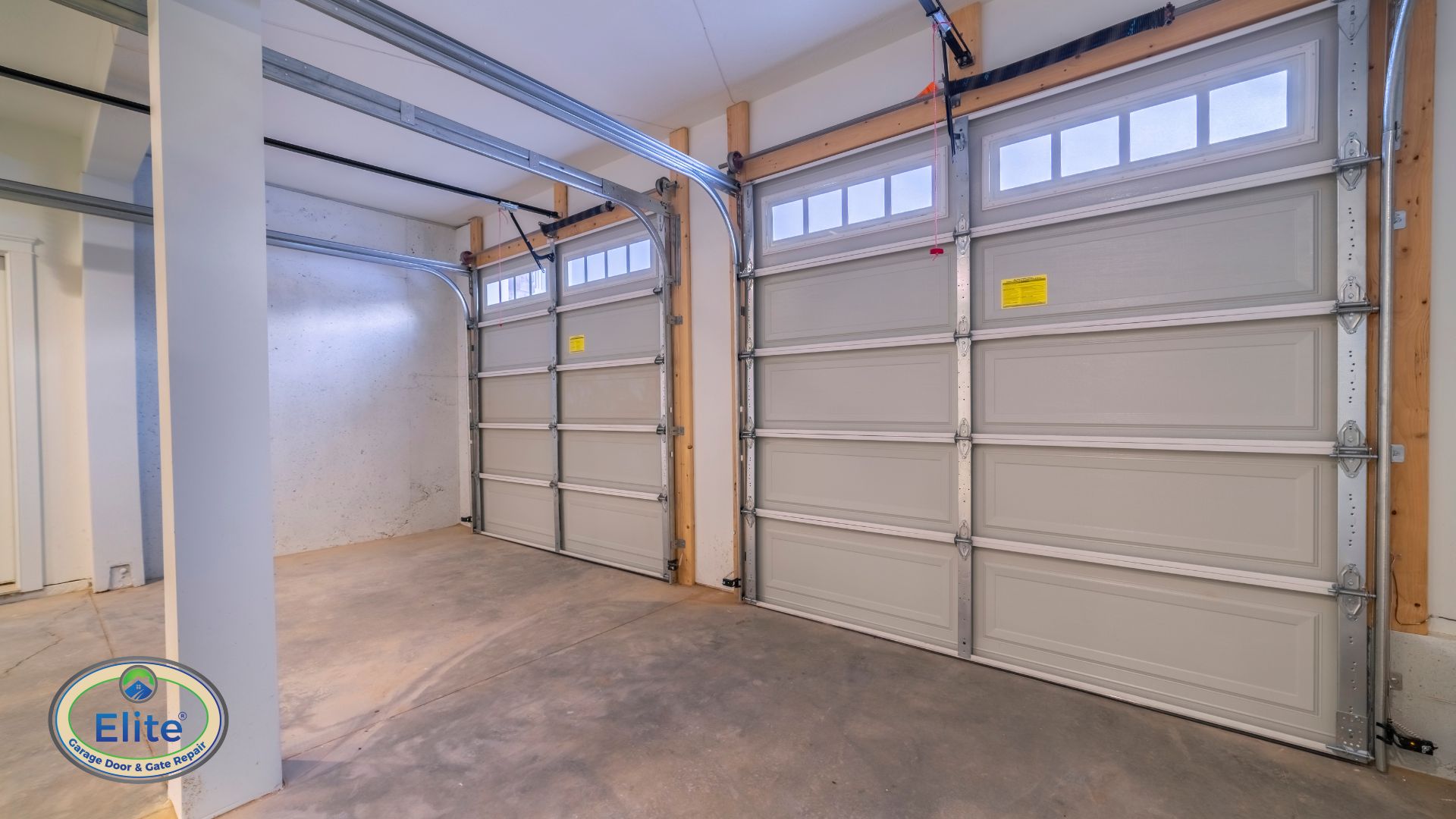
Why a Garage Door Should Never Drop Quickly
The Most Common Cause of a Slamming Garage Door
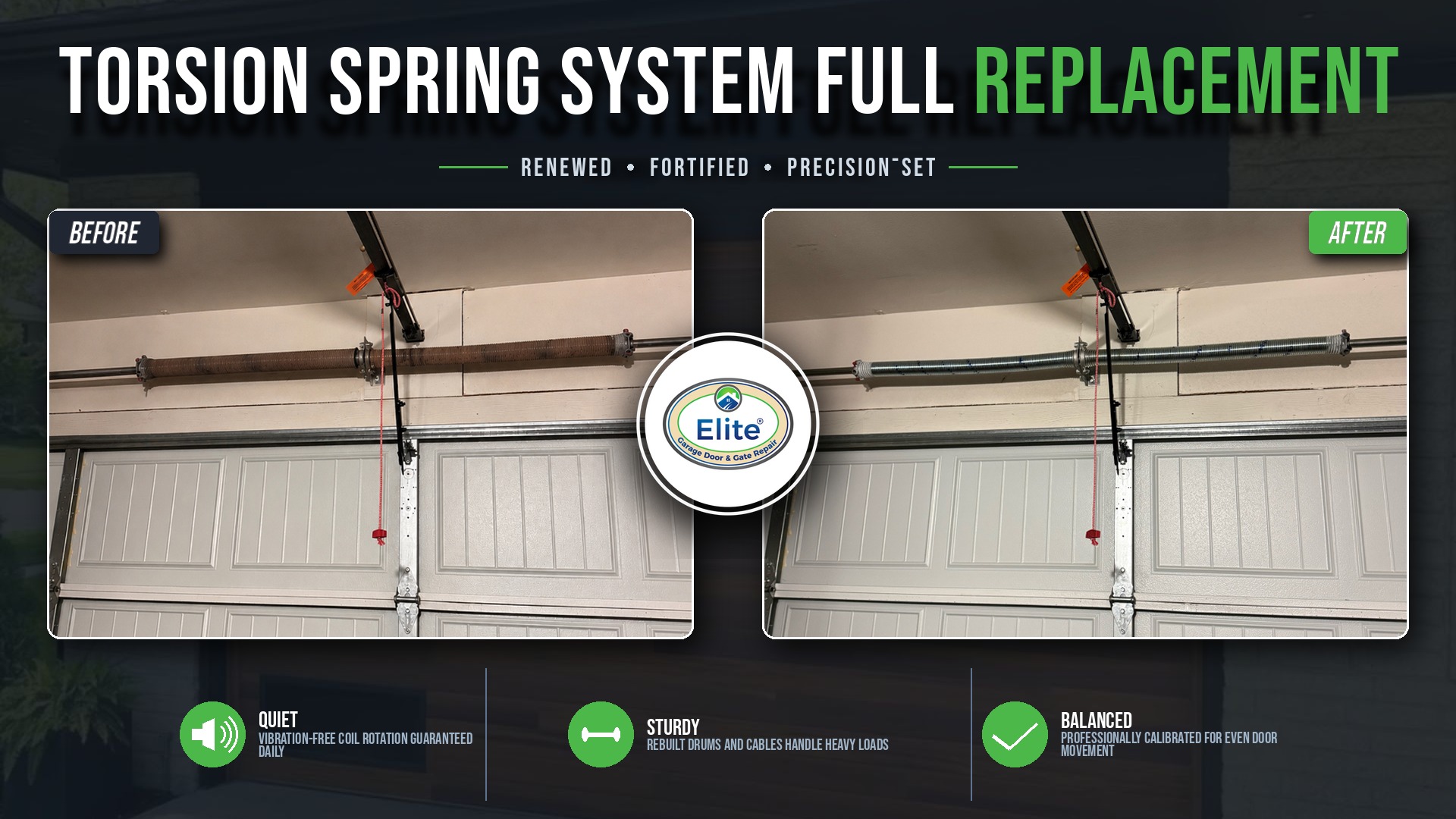
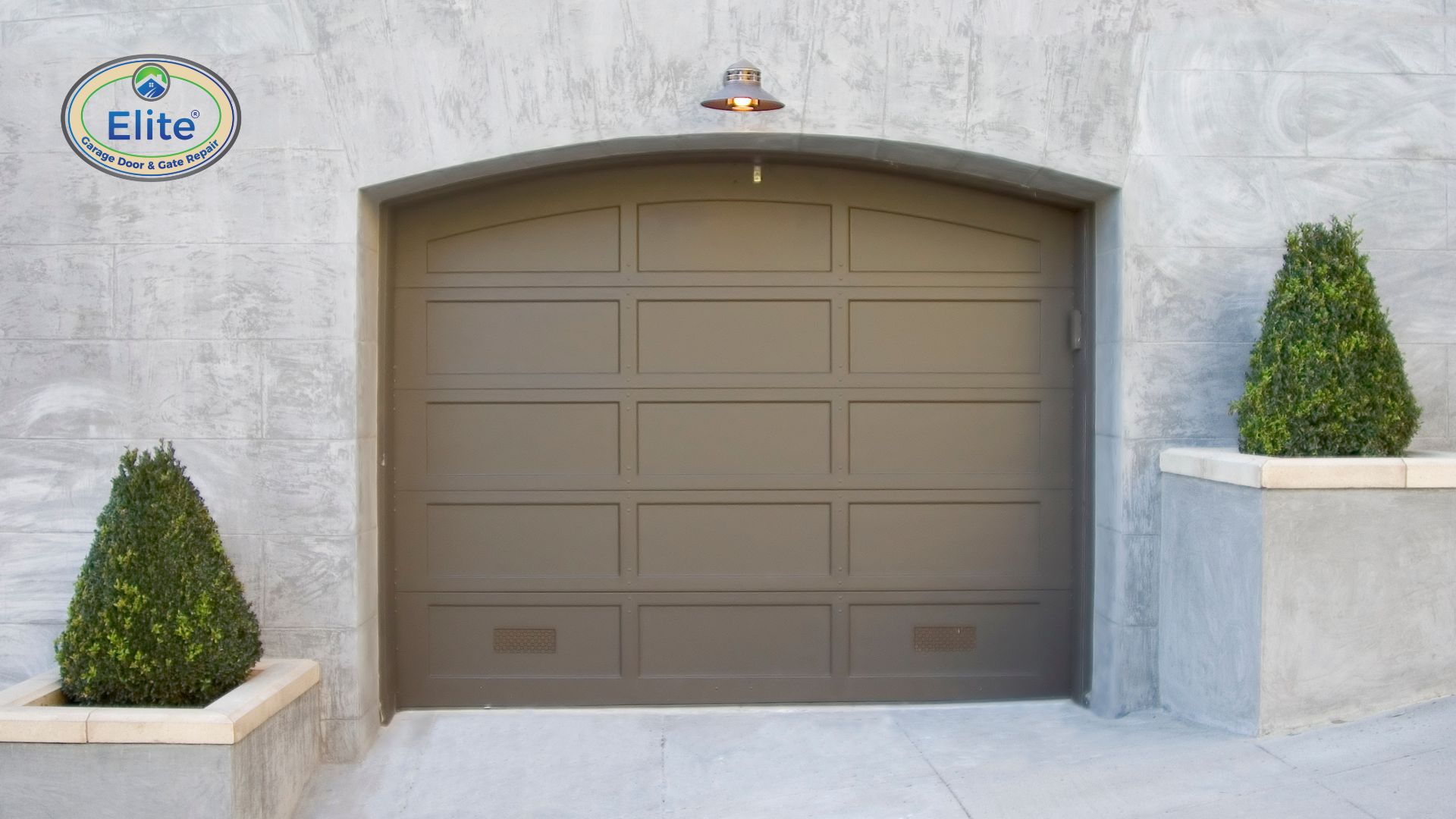
In nearly all cases, a garage door slamming shut is caused by a failure in the counterbalance system.
The Most Common Cause of a Slamming Garage Door
How Opener Safety Systems React to This Problem
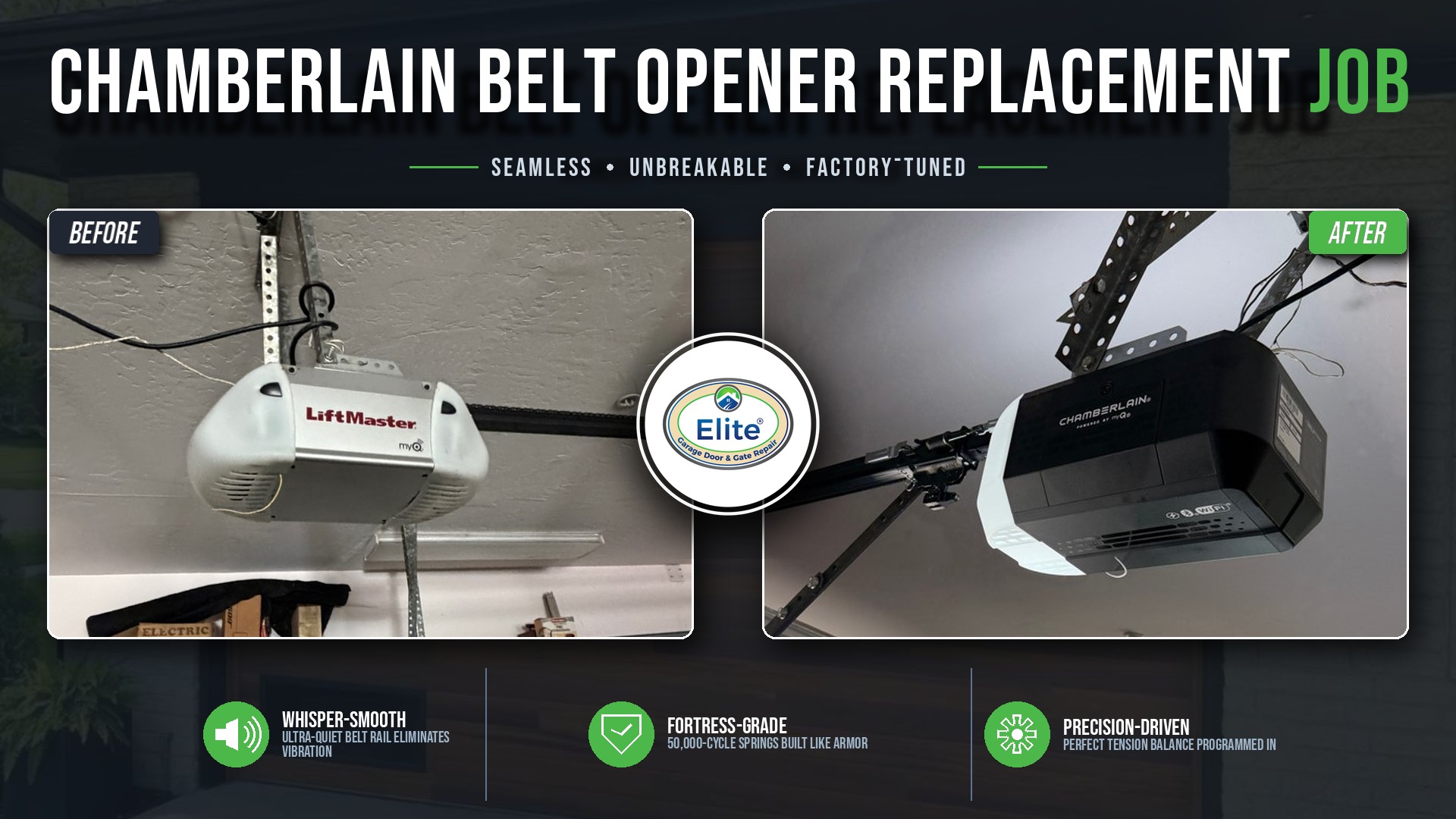
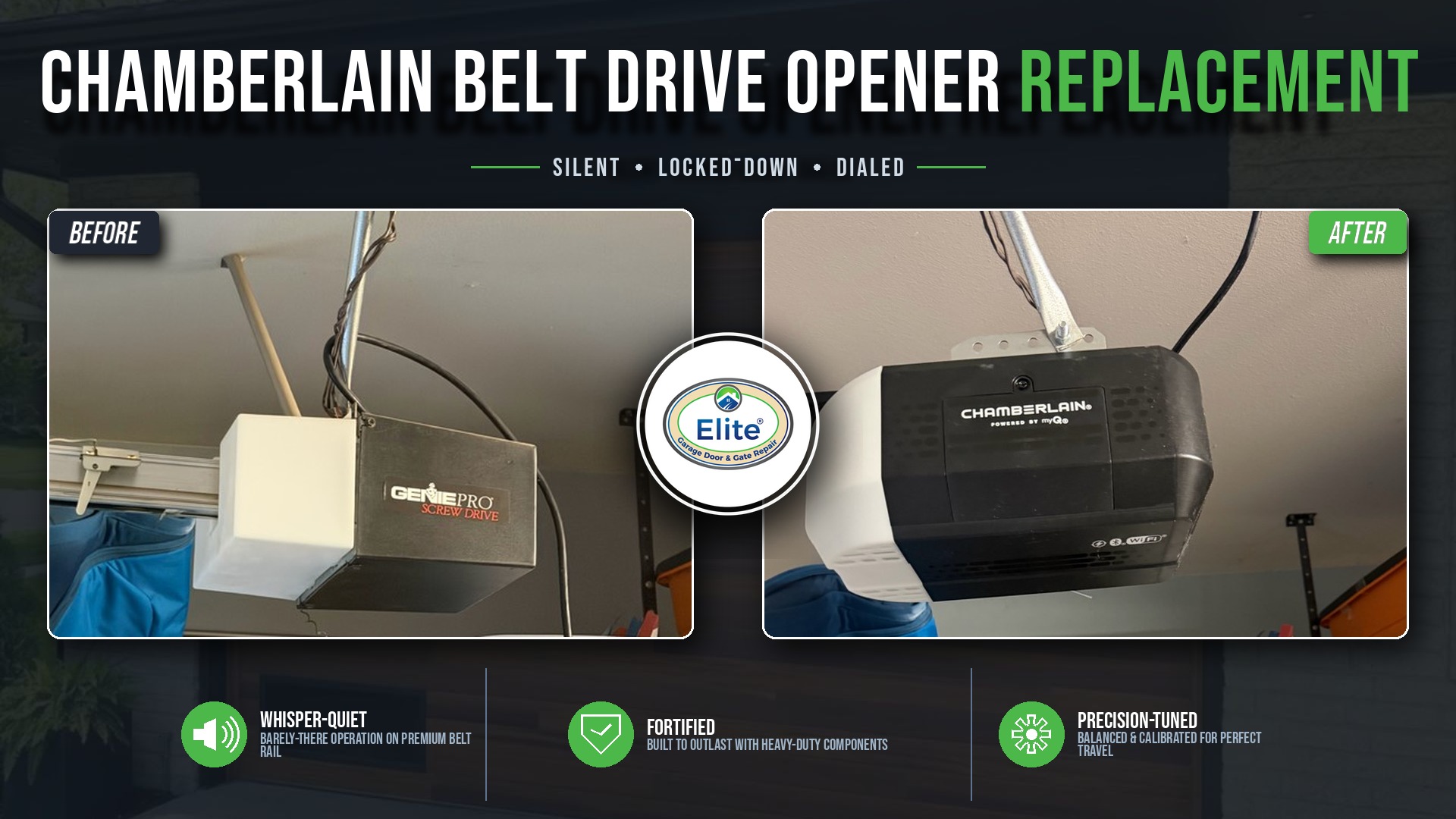
Modern openers include safety features designed to stop the door when resistance is detected. However, when a spring or cable fails, the opener may not be able to slow the door effectively.
In some cases, the opener disengages to protect itself, allowing the door to fall freely. This is why a slamming door often happens suddenly, even if the door seemed fine moments earlier.
Warning Signs That Often Appear Before the Door Slams
Uneven movement, jerking, or the door not staying in place when partially open are also strong indicators of balance failure.
If these symptoms appear, stopping use of the door is the safest choice.
What You Should Do Immediately If the Door Slams Shut
What You Should Do Immediately If the Door Slams Shut
Why This Issue Is Never a DIY Fix
Spring and cable systems store extreme energy. Attempting to repair or adjust these components without training can lead to severe injury.
Even experienced homeowners should not attempt to correct a slamming door without proper tools and knowledge. Professional repair ensures the system is rebalanced safely.
How Professionals Restore Safe Door Movement
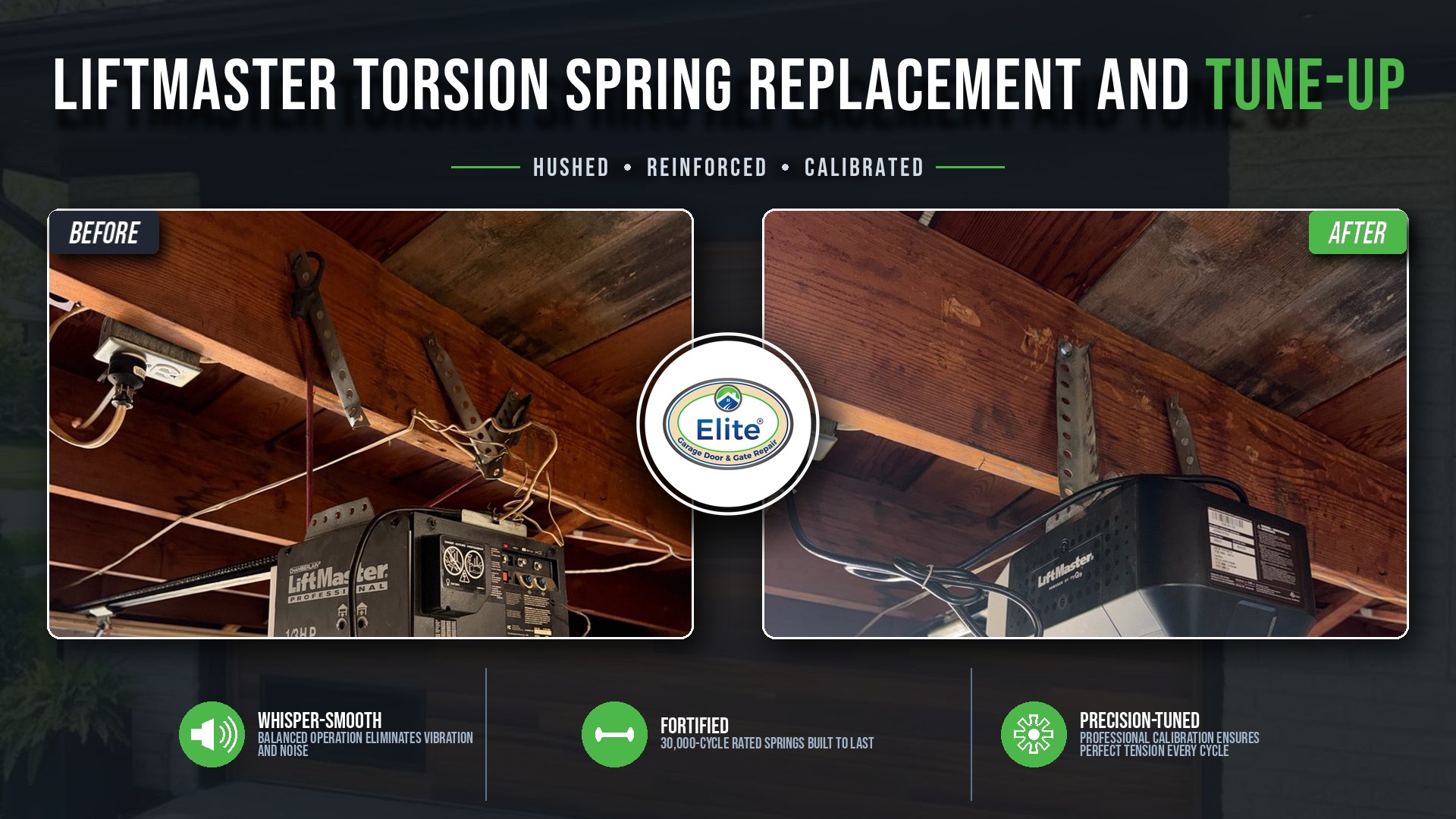
A technician will inspect the springs, cables, drums, tracks, and opener connection. Failed components are replaced, and the door balance is tested manually before reconnecting the opener.
This process restores controlled movement and ensures the door does not drop unexpectedly again.
Common Questions About Slamming Garage Doors
Many homeowners ask whether a door that slams shut can be temporarily propped or held in place. The answer is no.
This FAQ explains why garage doors must remain under proper tension and why temporary fixes are unsafe: Damage Garage Door
How to Reduce the Risk of This Happening in the Future
Regular inspections help identify worn springs and cables before they fail completely. Addressing balance issues early prevents sudden loss of control.
Listening for changes in door movement and responding quickly is one of the most effective ways to avoid dangerous failures.
Final Thoughts
A garage door that slams shut is not a minor malfunction. It signals a failure in the components that control the door’s weight and movement. Ignoring the issue or attempting temporary fixes puts people and property at risk.
Stopping use of the door and scheduling professional repair immediately is the safest and most responsible response.