



A garage door that shakes while opening or closing can feel unsettling. The door may still move from start to finish, but the vibration makes it feel unstable and unsafe. Many homeowners describe it as the door rattling, trembling, or wobbling as it travels along the tracks.
Shaking is not something to ignore. While it may start out subtle, vibration usually means the door is no longer moving in a controlled, balanced way. Over time, this instability can damage components and lead to larger failures.
Table of Contents
What Shaking Tells You About the Door System
A garage door is designed to move as a single, stable unit. When it shakes, it usually means parts of the system are no longer working together smoothly.
Shaking is often caused by looseness, uneven force, or worn guidance components. Unlike a door that stops or reverses, a shaking door is still operating, but under stress.
What Shaking Tells You About the Door System
Where the Vibration Usually Comes From
Instead of focusing on one part, it helps to think of vibration as a system wide issue.
Tracks that no longer guide the door evenly
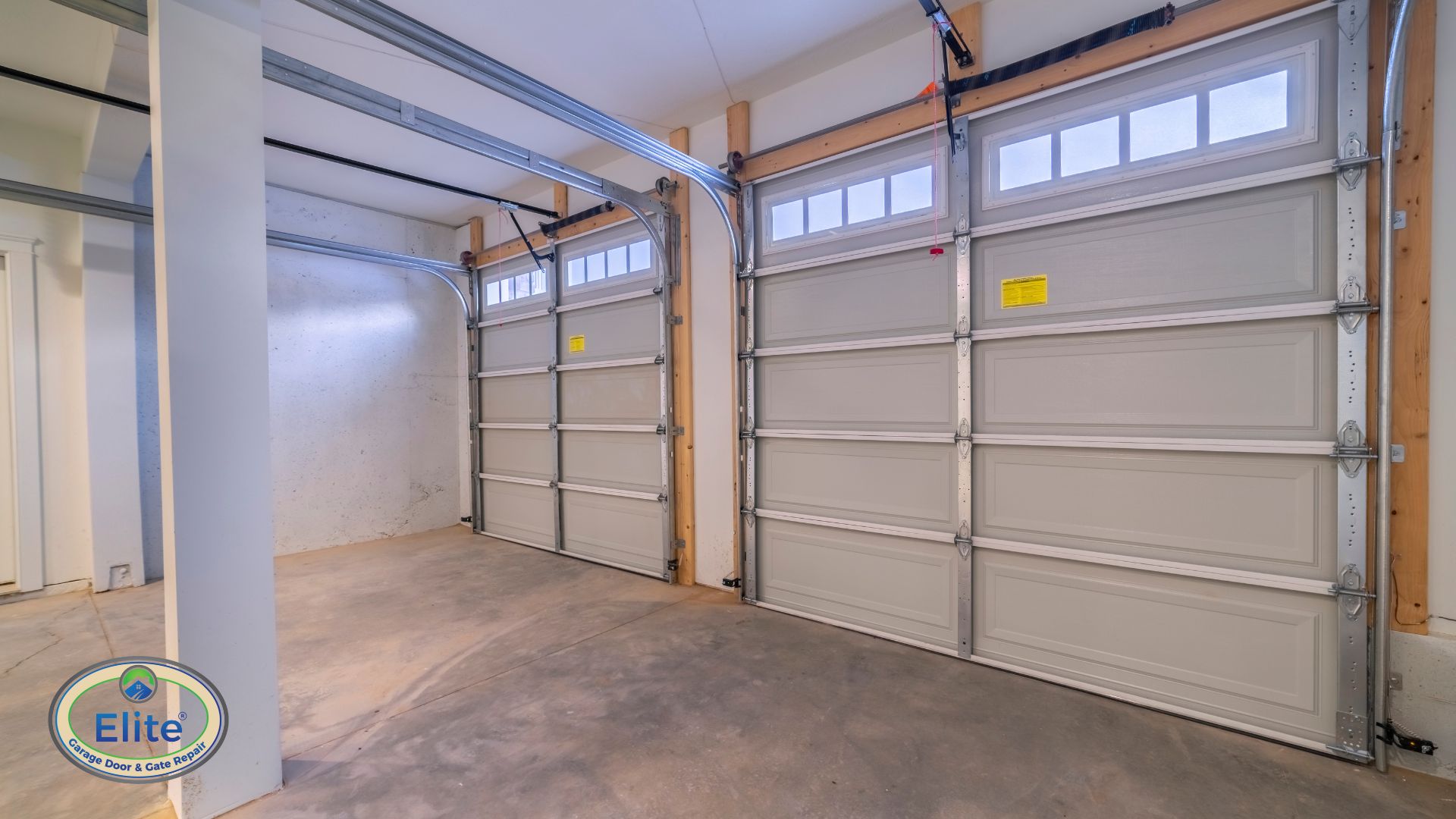
Tracks keep the rollers aligned as the door moves. When tracks are slightly bent, loose, or misaligned, the door can wobble from side to side. Even small alignment issues can cause noticeable shaking, especially on wider doors.
Rollers that no longer move smoothly
Rollers absorb much of the movement during operation. When rollers wear down or develop flat spots, they stop gliding and start bouncing slightly inside the track.
Replacing worn rollers often reduces vibration immediately. In many cases, Garage Door Replacement Rollers restore smooth, stable movement.
Loose hardware and mounting points
Garage doors vibrate naturally as they move. Over time, that vibration loosens bolts, hinges, and track brackets. Once hardware loosens, movement becomes less controlled and shaking increases.
This creates a cycle where vibration causes looseness, and looseness increases vibration.
Where the Vibration Usually Comes From
How Door Balance Affects Stability
A balanced garage door distributes weight evenly as it moves. When balance is off, one side of the door may lift faster than the other.
This uneven lift causes twisting forces that appear as shaking or wobbling. Balance problems often involve springs or cables and tend to worsen if the door continues to be used.
If vibration is accompanied by uneven movement or the door feels unstable when partially open, balance should be checked professionally.
Why the Opener Can Make Shaking Worse
The opener does not create vibration on its own, but it can amplify it.
When the opener pulls against resistance or imbalance, force is applied unevenly. This can make an already unstable door shake more noticeably, especially at the start or end of the cycle.
In these cases, professional Garage Door Opener Repair helps determine whether the opener is compensating for a door problem or contributing to the vibration.
When Shaking Becomes a Safety Concern
Occasional minor vibration is not always dangerous, but increasing or aggressive shaking should not be ignored.
Severe vibration can loosen tracks further, damage hinges, and increase the risk of the door coming off track. It also shortens the lifespan of the opener and other components.
If the door appears unstable or unpredictable, this guide explains when it is safest to stop using it: When To Call A Professional For Garage Door Repair
When Shaking Becomes a Safety Concern
What a Professional Looks For When Diagnosing Vibration
A technician approaches vibration differently than noise or speed issues. The focus is on stability and alignment rather than just friction.
Tracks are checked for level and secure mounting. Rollers are inspected for wear. Hinges and brackets are tightened or replaced. Door balance is tested manually to ensure even lift.
This full system approach is what resolves vibration long term.
Maintenance vs Repair for Shaking Doors
Light vibration caused by dirt, dryness, or minor looseness can sometimes be improved with proper maintenance. Cleaning tracks, lubricating moving parts, and tightening visible hardware may reduce mild shaking.
This is where routine Garage Door Maintenance plays a role.
However, if vibration returns quickly or worsens, worn components or alignment issues are usually involved and require repair rather than upkeep.
Final Thoughts
A garage door that shakes during operation is telling you that stability has been lost somewhere in the system. Tracks, rollers, balance, and hardware all play a role in keeping the door moving smoothly.
Addressing vibration early prevents further damage, restores confidence in the door’s movement, and helps avoid more serious repairs later.


Leave A Comment