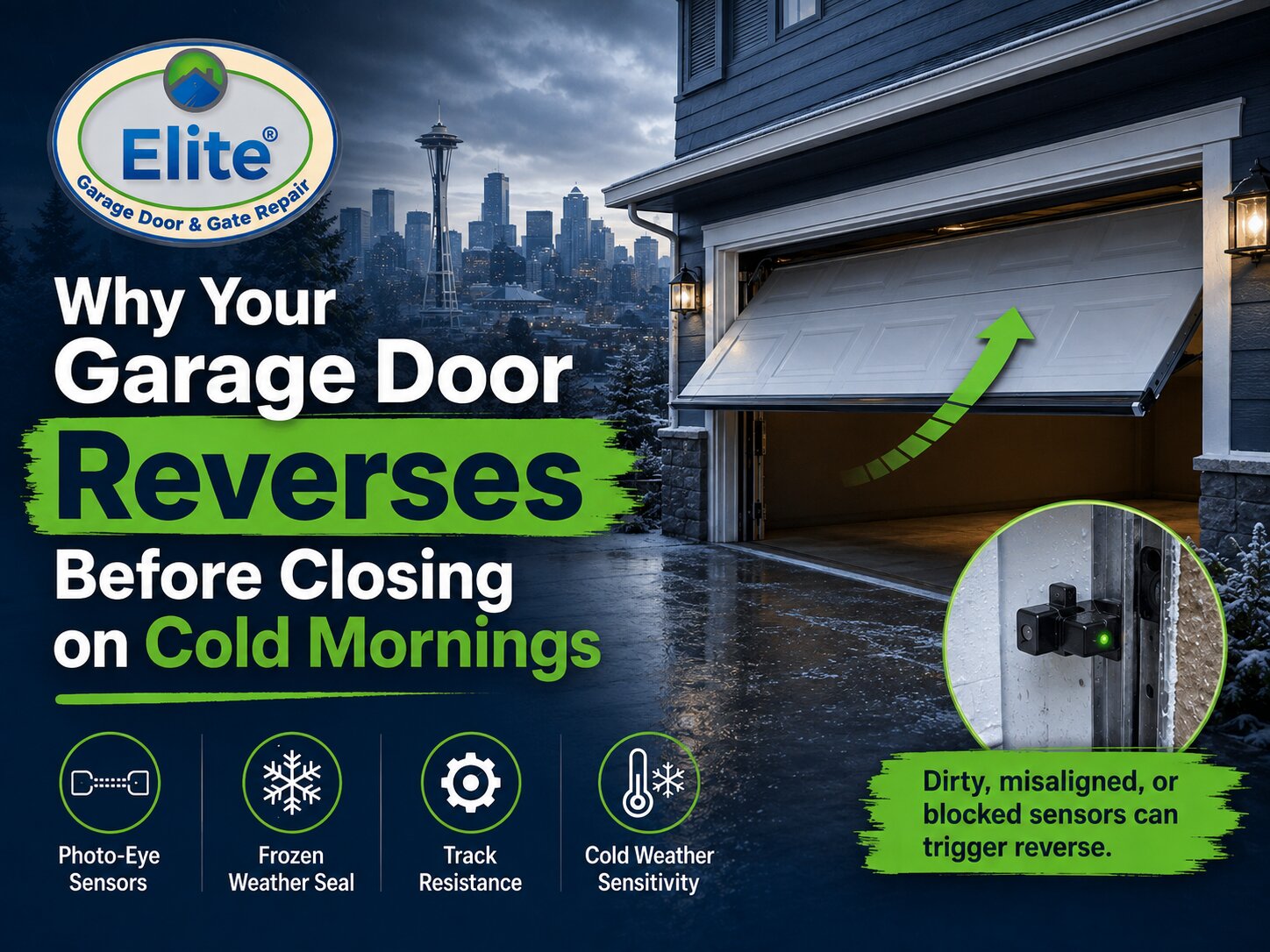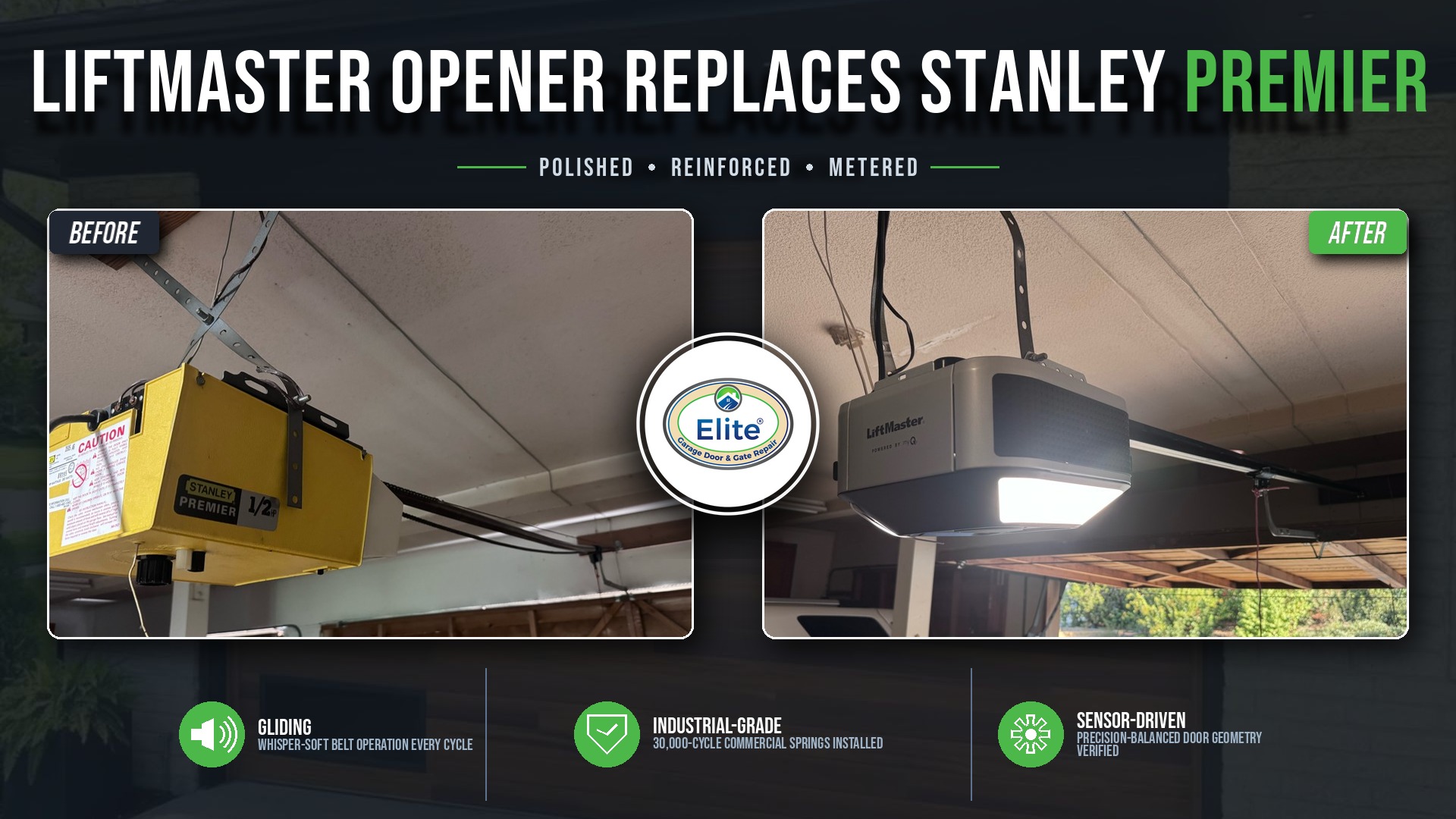


Your garage door reverses when closing due to safety mechanisms built into modern garage door openers that detect obstructions or misalignment. The two most common causes are misaligned or dirty safety sensors and incorrect force settings on the opener unit itself. Understanding why this happens and how to troubleshoot it can save you time and prevent unnecessary service calls.
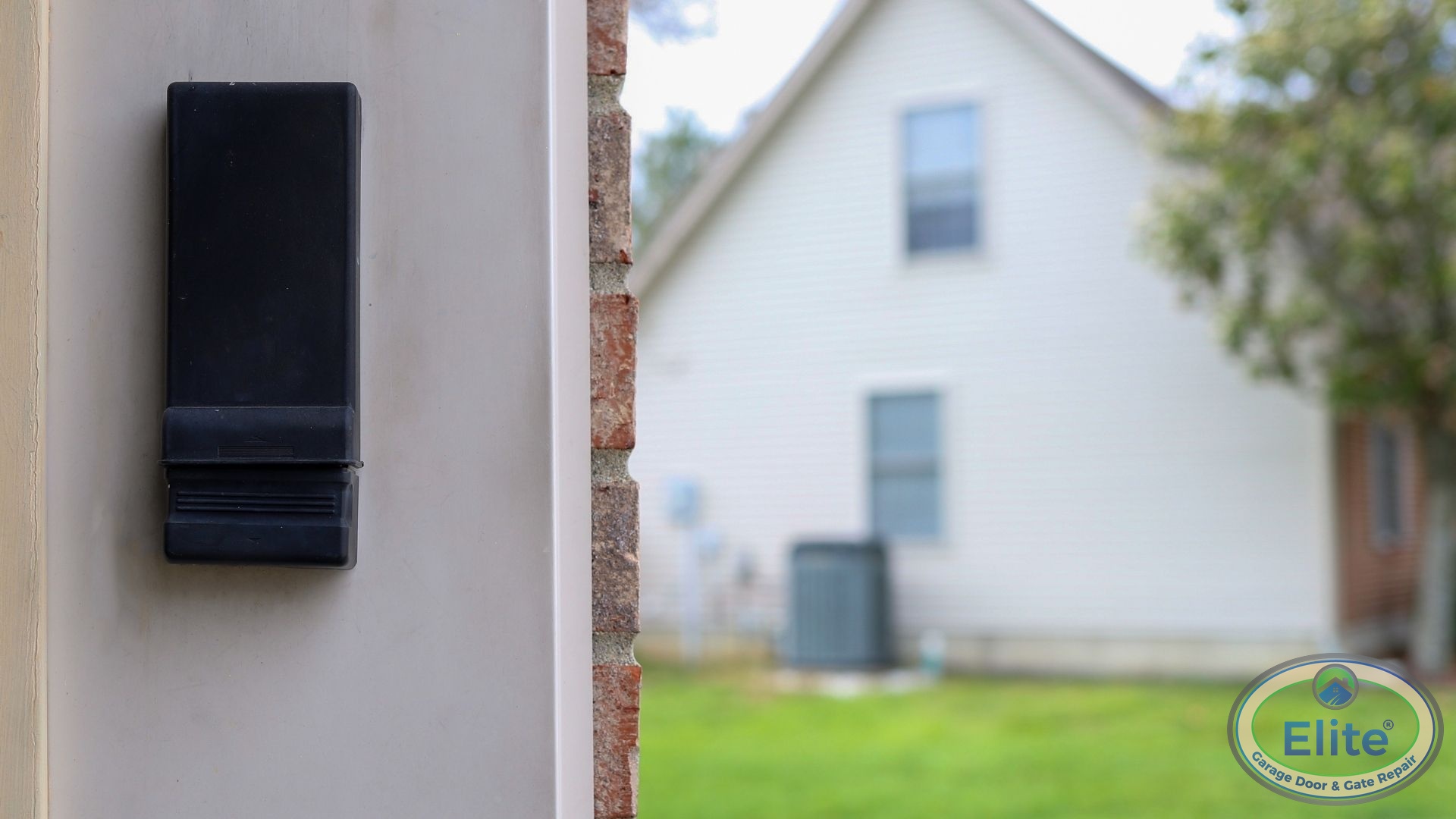
Safety sensors, also called photo eyes, are positioned on either side of your garage door near the floor. These sensors create an invisible beam across the doorway that detects objects in the path of the closing door. When the beam is broken or interrupted, the door automatically reverses to prevent crushing anything or anyone.
Opener Force Settings
Your garage door opener has adjustable force settings that control how much resistance the motor will tolerate before reversing. If the close force setting is too sensitive, the door will reverse at the slightest resistance, even from normal friction. This commonly happens after extreme temperature changes that affect door balance.
Other Common Causes
Several additional factors can trigger your garage door to reverse unexpectedly:
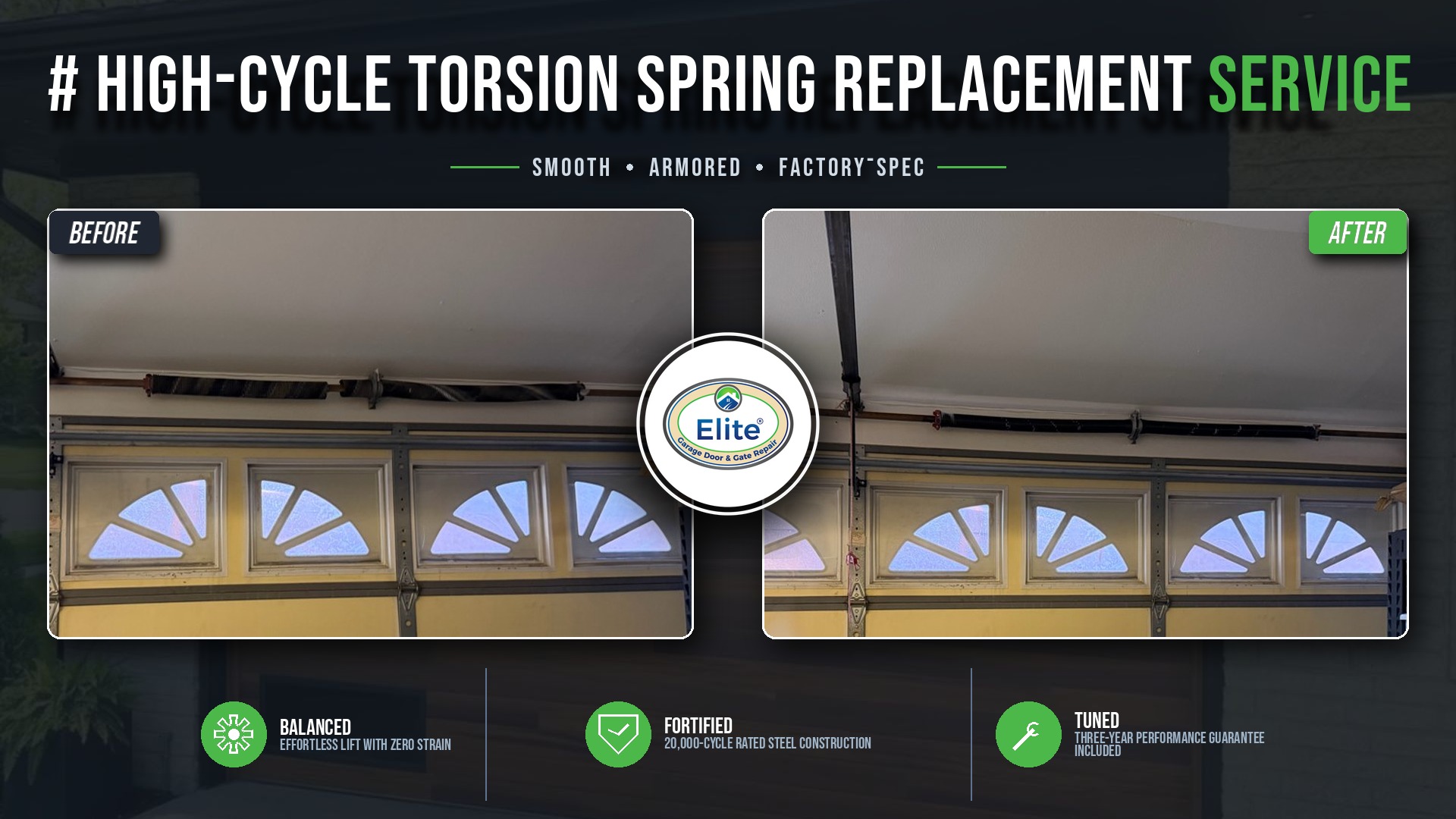
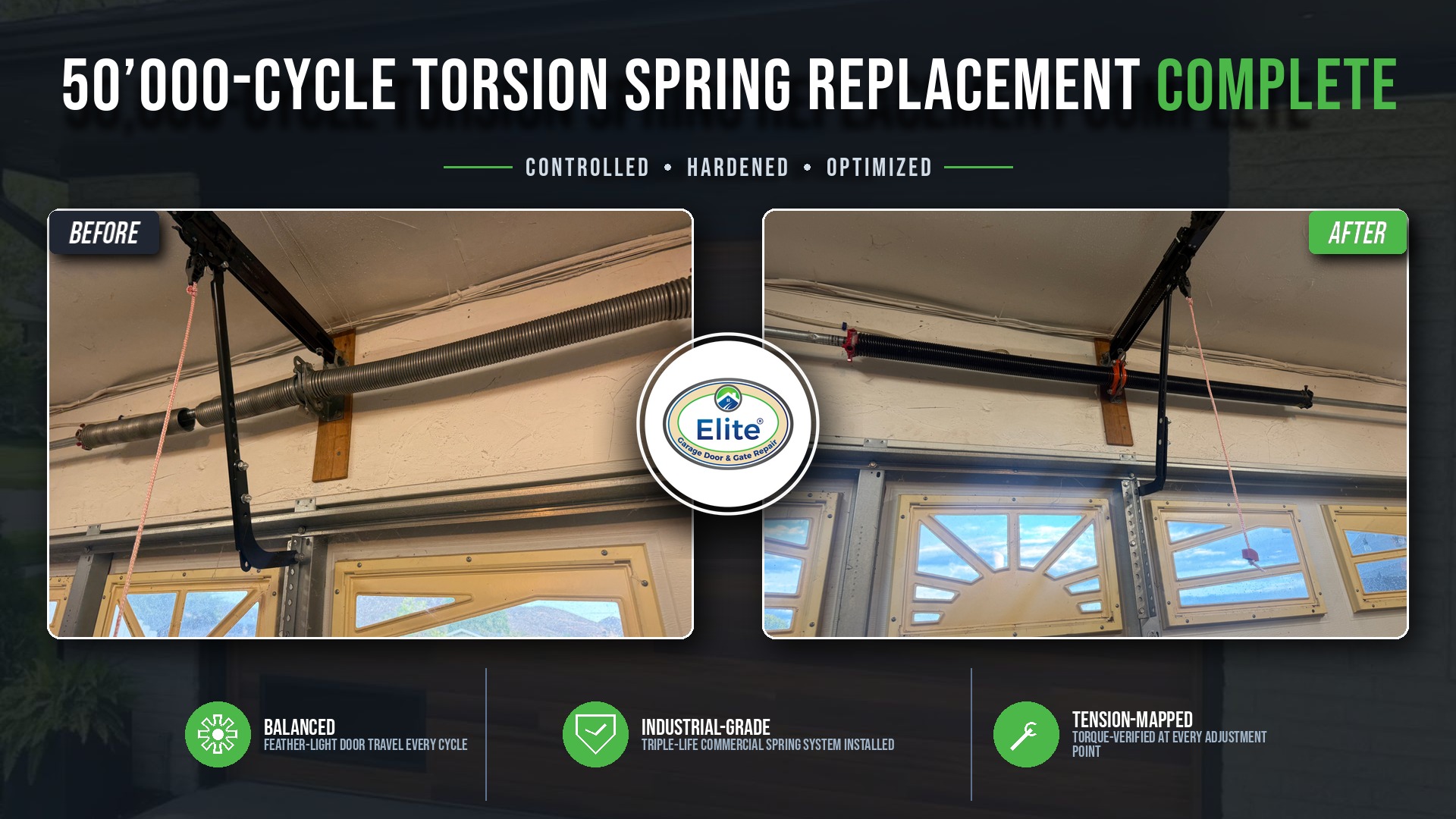
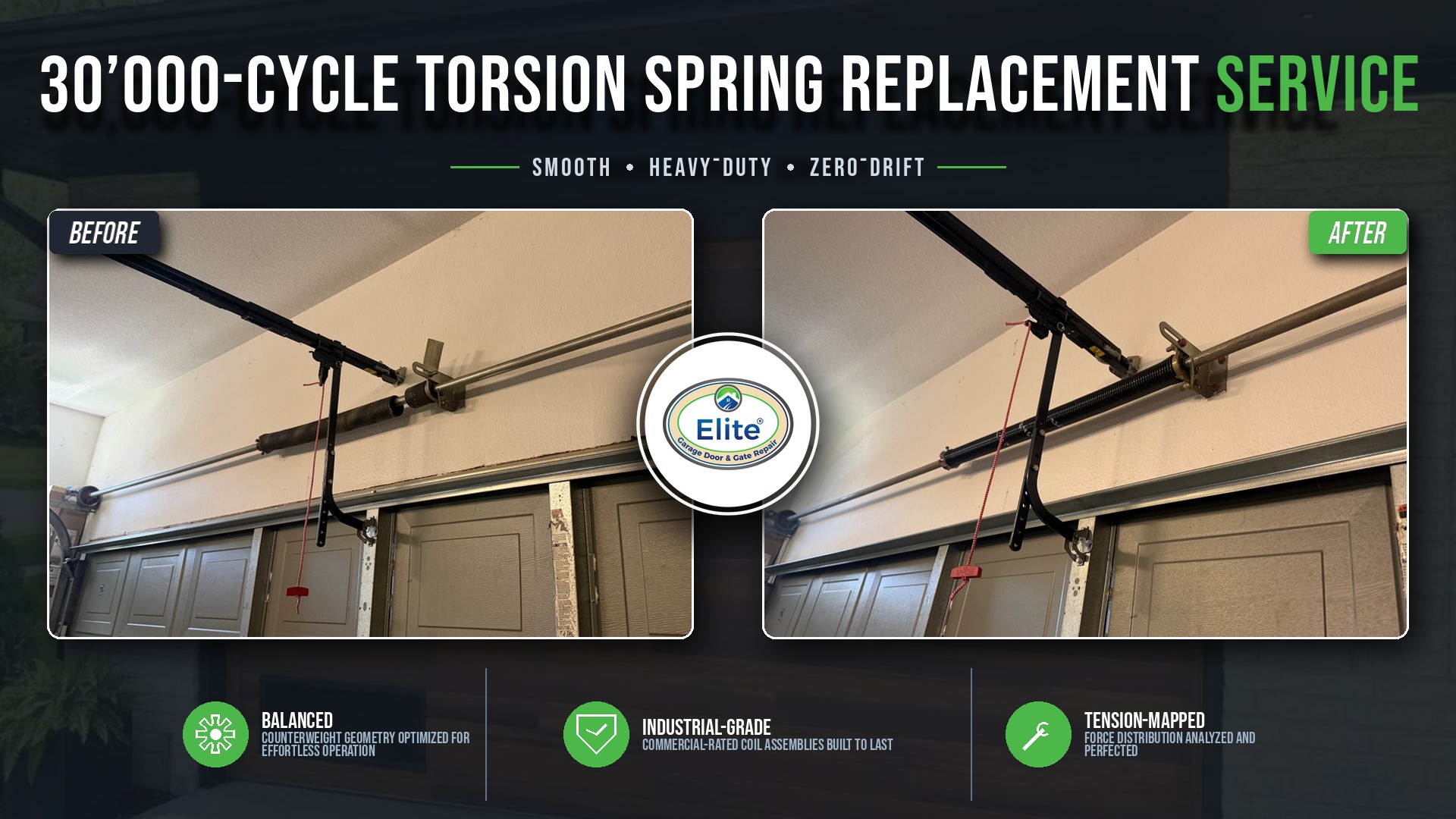
A garage door that is not properly balanced will be too heavy for the opener to close without triggering the force sensor. You can test door balance by disconnecting the opener and manually lifting the door halfway, it should stay in place without falling or rising. Regular maintenance, including learning When And How To Lubricate A Garage Door, can help prevent balance issues.
When to Call a Professional
If you have cleaned the sensors, checked their alignment, and adjusted the force settings without success, it is time to contact a professional technician. Problems with springs, cables, or track alignment require specialized tools and expertise to repair safely.
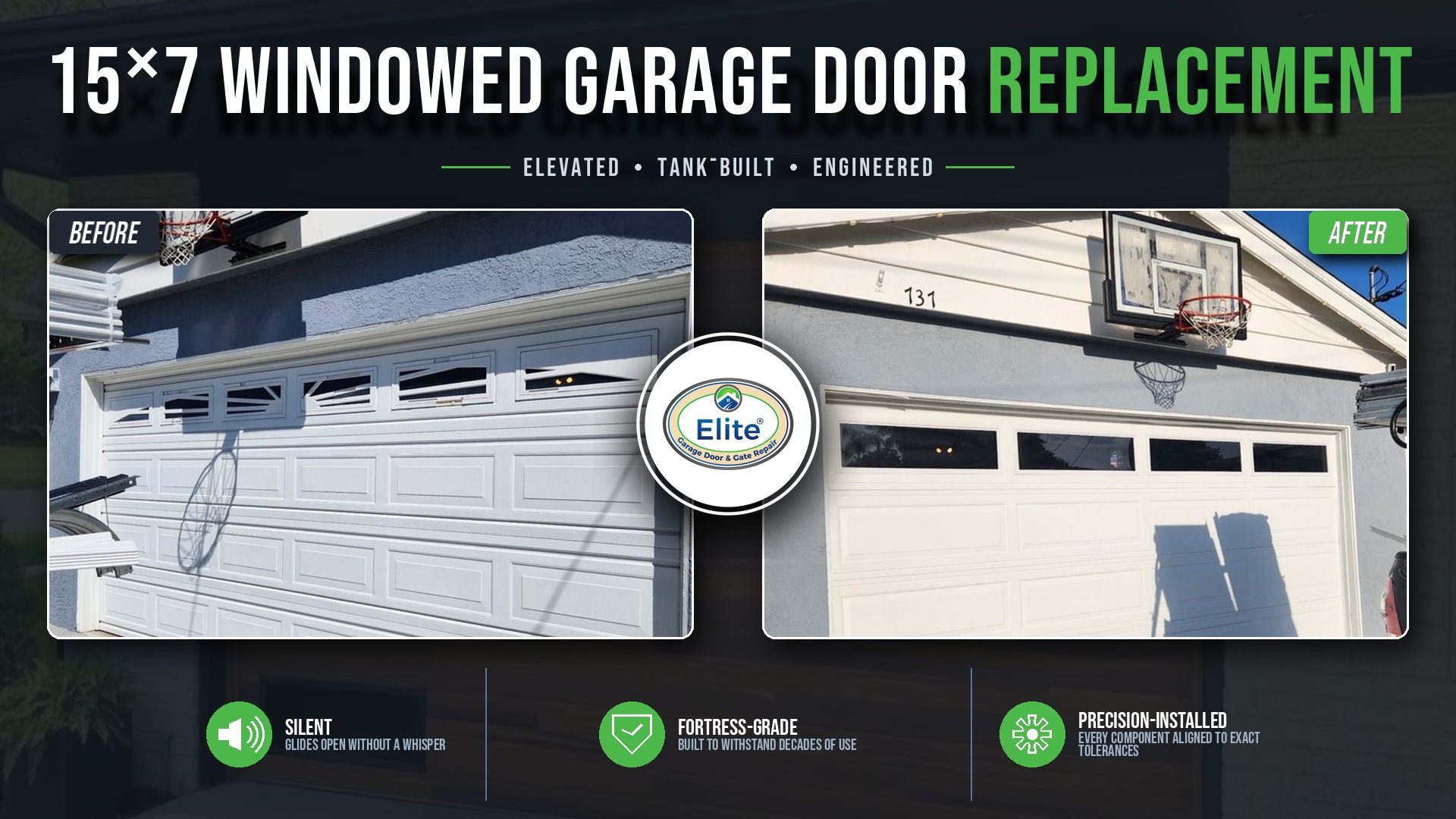
Continuing to operate a malfunctioning garage door can worsen the problem and potentially create safety hazards. A qualified technician can diagnose the exact cause and make the necessary repairs to restore normal function. In some cases, persistent issues may indicate that it’s time to consider a New Garage Door installation for improved reliability and safety.