

Over the years, I’ve installed hundreds of garage doors on detached garages throughout Seattle, and I can tell you that choosing the right door for a standalone structure involves some unique considerations. Unlike attached garages, detached buildings face different challenges with weather exposure, security needs, and design priorities.
Let me walk you through everything I’ve learned from working on detached garages across neighborhoods like Ballard, Queen Anne, and West Seattle. These decisions matter more than most homeowners realize.
Detached garages are fully exposed to the elements on all sides, which means they experience more severe temperature swings and moisture issues than attached garages. In Seattle’s rainy climate, this exposure can accelerate wear and tear significantly.
Your detached garage also doesn’t benefit from your home’s insulation envelope. This means you’ll need to think differently about materials, insulation, and weather sealing if you plan to use the space for anything beyond basic vehicle storage.
Should You Insulate Your Detached Garage Door?
Yes, insulation is worth it for most detached garages, especially if you use the space as a workshop, home gym, or storage area for temperature-sensitive items. An insulated door helps regulate temperature and reduces condensation buildup that can damage your belongings.That said, if your detached garage is strictly for parking cars you rarely work on, you might save money with a non-insulated door. I typically recommend at least basic insulation for most Seattle homeowners because our damp climate creates moisture problems in uninsulated spaces.
Material Choices for Pacific Northwest Weather
Security Considerations for Standalone Structures
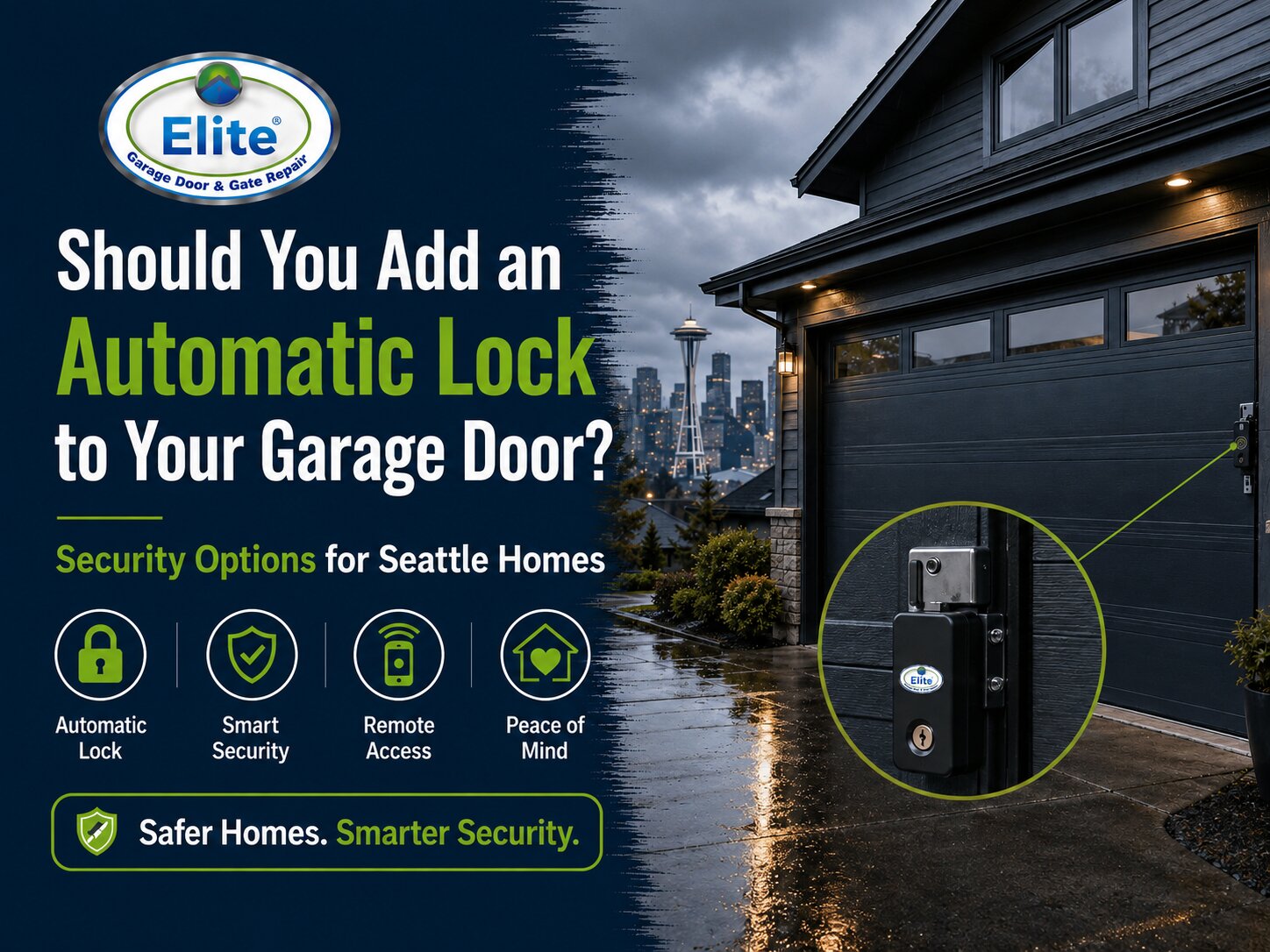
Detached garages are more vulnerable to break-ins than attached ones because they’re isolated from your main living space. I always recommend upgrading to doors with reinforced construction and high-quality locking mechanisms.
Consider doors with multiple lock points rather than just a center lock. Smart openers with smartphone alerts also give you peace of mind, letting you know if your detached garage door opens when you’re away from home.
In my experience serving King County homeowners, investing an extra few hundred dollars in Garage Door Safety features prevents thousands in potential theft losses.
Size and Configuration Options
Most detached garages use standard 8×7 or 9×7 single doors, but don’t assume these dimensions without measuring. Older detached structures often have non-standard openings that require custom sizing.If your detached garage has limited driveway space or sits close to property lines, consider how the door operates. Swing-out carriage doors might not work if you have tight clearances, while roll-up sectional doors work in almost any configuration.
Windows: Yes or No?
However, windows also reduce privacy and security. If you store valuable tools or equipment, I usually suggest skipping windows or choosing frosted glass options that let in light without displaying your belongings to passersby, which is especially important if you have Young Children Who May Access The Garage.
What About Wind Rating and Structural Support?
While Seattle doesn’t experience hurricane-force winds regularly, storms coming off Puget Sound can generate significant wind loads. Detached garages often face more direct wind exposure than attached ones, especially in exposed areas like Magnolia or Beacon Hill.Make sure your door meets appropriate wind load ratings for your location. I also check that the existing structure can support the door’s weight, particularly if you’re upgrading from a lightweight panel to a heavier insulated door.
Making Your Final Decision
Choosing a garage door for your detached garage comes down to balancing durability, security, insulation needs, and aesthetics. I’ve found that most Seattle homeowners benefit from mid-range insulated steel doors with quality weather sealing and reinforced security features.
Don’t try to match decisions you’d make for an attached garage. Your detached structure has unique needs that deserve individual consideration based on how you actually use the space.
If you’re ready to explore options for your detached garage in the Seattle area, our team at Elite Garage Door & Gate Repair would love to help. We’ll assess your specific situation, explain what works best for Washington’s climate, and ensure you get a New Garage Door that serves you well for decades.