



A broken garage door spring is one of those problems that feels urgent the moment it happens. Often it starts with a loud bang, followed by a door that suddenly feels far heavier than it ever did before. At that point, most homeowners are not thinking about long-term repairs. They are thinking about one immediate thing: can the garage door still be opened, even temporarily?
The honest answer is that it depends, but in most situations, opening a garage door with a broken spring is risky and should only be done with extreme caution, if at all. To understand why, it helps to understand what springs actually do and what changes when they fail.
Table of Contents
What a broken spring really changes in the garage door system
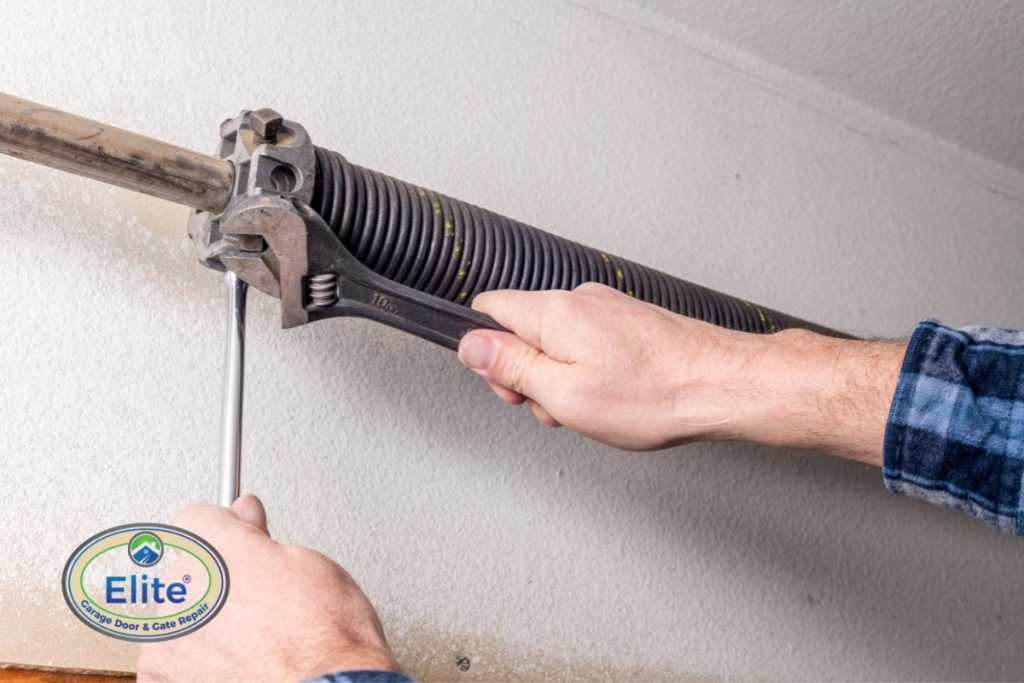
Garage door springs are responsible for counterbalancing the weight of the door. Without them, a garage door is not a manageable object. It is a heavy, awkward load that was never meant to be lifted by hand or by the opener alone.
When a spring breaks, the door does not just lose assistance, it loses control. The door may still move, but it no longer has anything regulating its weight or speed. This is why doors with broken springs feel unstable, slam shut, or refuse to open more than a few inches.
This is also why continuing to use the system without proper Garage Door Spring Repair often causes additional damage beyond the spring itself.
What a broken spring really changes in the garage door system
Whether manual opening is possible and why it is still dangerous
In some cases, a garage door with a broken spring can be opened manually, but that does not mean it is safe to do so. The feasibility depends on the door’s size, material, and spring configuration.
A lightweight single-car door may be lifted by two adults working together. A heavier insulated or double-car door may be nearly impossible to lift safely. Even when lifting is possible, the risk does not end once the door is open. Without spring tension, the door can slip, fall, or twist unexpectedly.
The most dangerous moment is not lifting the door, but controlling it. Once the door starts moving, stopping it is difficult, and if grip is lost, the door can drop suddenly. This is why injuries often occur during “just one quick lift.”
Why using the opener is usually the worst option
Trying to open a garage door with a broken spring using the opener is a common mistake, and one that often leads to expensive consequences.
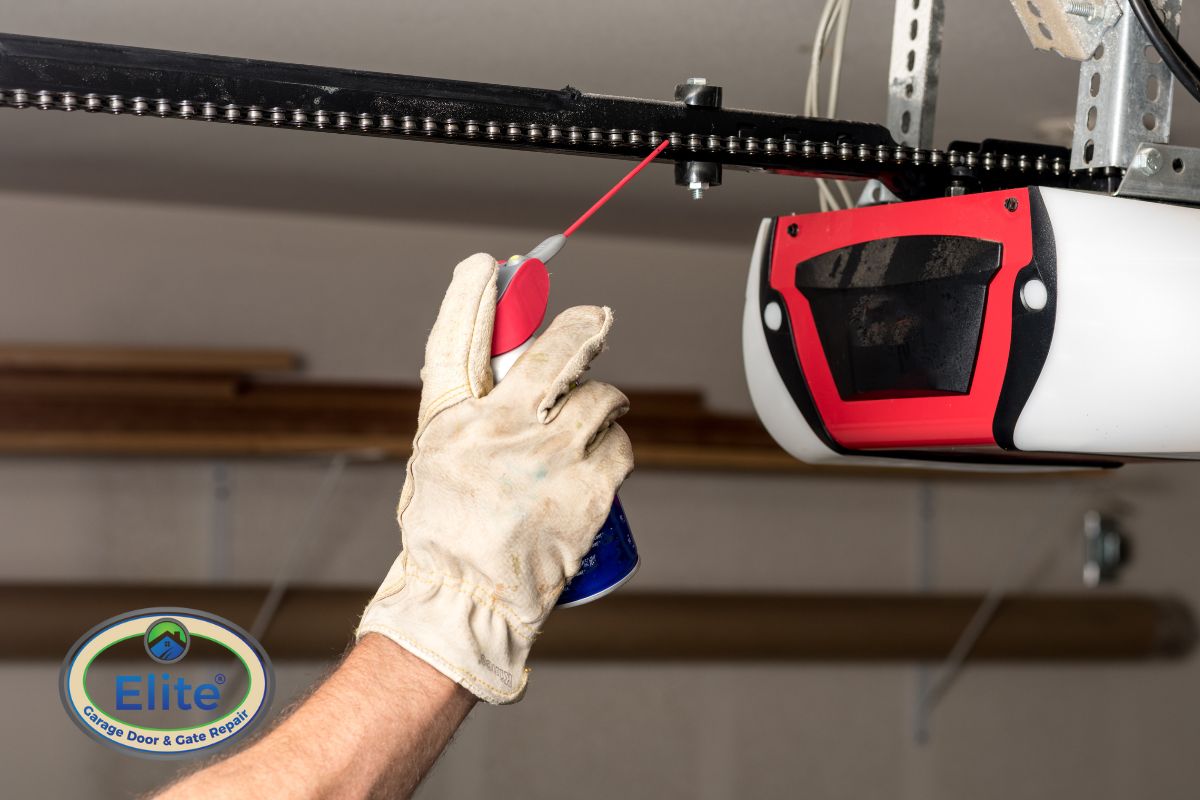
Garage door openers are not designed to lift the full weight of the door. They are designed to move a balanced door. When the spring breaks, the opener is suddenly asked to do a job it was never built for.
In some cases, the opener will refuse to move at all. In others, it may lift the door partway, strain, and stop. The most damaging scenario is when the opener manages to pull the door unevenly, stressing gears, bending rails, or damaging mounting brackets.
This is how a spring issue turns into a full opener failure that requires Garage Door Opener Repair or replacement.
Why using the opener is usually the worst option
How spring configuration affects what happens next
Not all garage doors behave the same after a spring breaks. One major factor is whether the door uses one spring or two.
With a single-spring system, a break means total loss of counterbalance. The door becomes extremely heavy immediately, and any attempt to lift it carries significant risk.
With a two-spring system, one spring may still be intact. This can make the door appear partially functional, but it will be unbalanced. One side may lift faster than the other, cables may be stressed unevenly, and the door may bind in the tracks.
If you want to understand why these systems behave differently, this breakdown explains it clearly:
Torsion Springs vs Extension Springs
What to do if you must open the door one time and what comes next
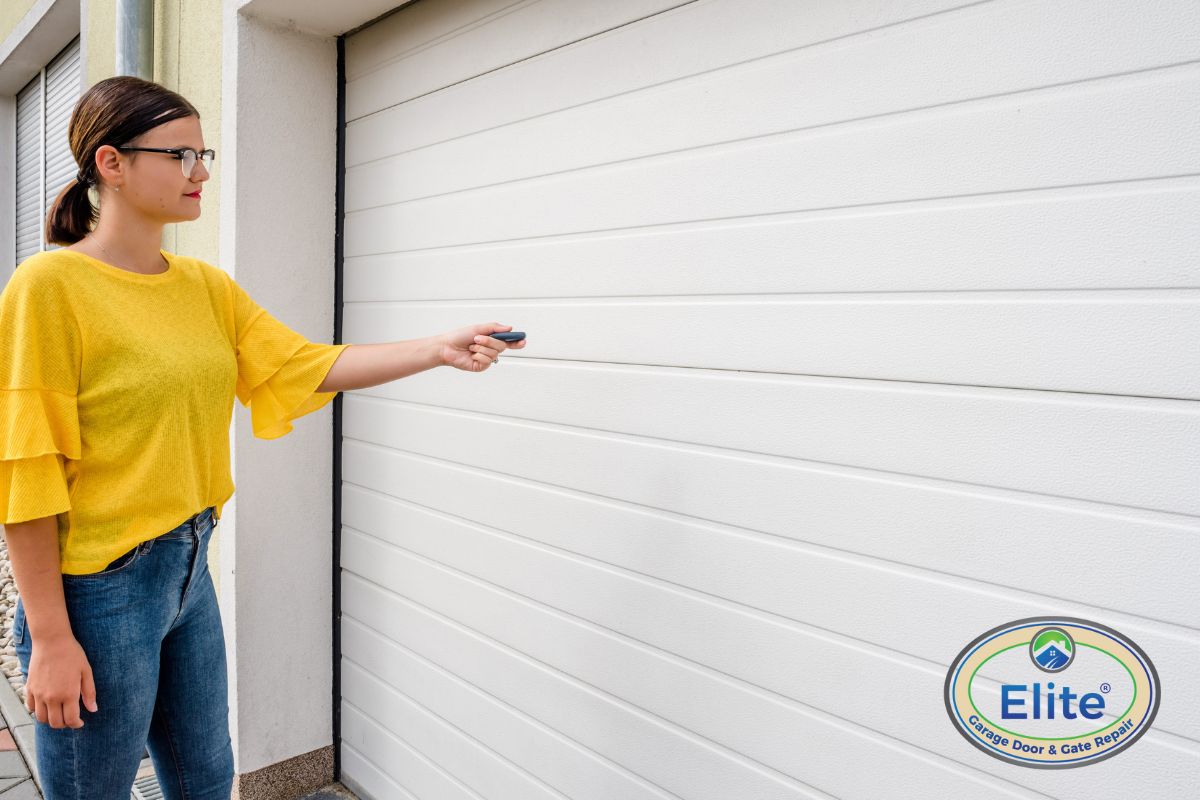
There are situations where homeowners feel they have no choice but to open the door once, usually to move a vehicle. If that situation cannot be avoided, safety must be the priority.
The area should be completely clear. Two adults should lift together from the bottom corners, moving slowly and deliberately. No one should stand under the door, and the door should not be left open unless it can be safely supported.
After that single use, the door should not be operated again until repaired. Continuing to use a door with a broken spring only increases the chance of injury or further damage.
If you are unsure whether the spring is actually broken, these warning signs help confirm it:
9 Signs Broken Garage Door Springs
And if you want to understand what professional spring repair typically includes, this explains it in simple terms:
Spring Repairs for Damaged Garage Doors
What to do if you must open the door one time and what comes next
Final thoughts
Can a garage door be opened with a broken spring? Sometimes, yes. But doing so comes with real risk, especially if the door is heavy or the system is unbalanced.
Springs are a critical safety component, not a convenience feature. Once they fail, the garage door is no longer predictable or safe to operate. Limiting use and scheduling proper repair is not just the safest option, it is usually the most cost-effective one as well.


Leave A Comment