
Most garage door emergencies give warning signs first. The issue is that homeowners are busy, and garage doors are easy to ignore because they still open and close. A door can be “working” while quietly becoming unsafe or wearing itself down. Catching problems early is not about being paranoid. It’s about noticing small changes before they turn into major repairs.
The best part is that early detection does not require tools or deep technical knowledge. You just need a simple system for observing the door and knowing which signs matter most.
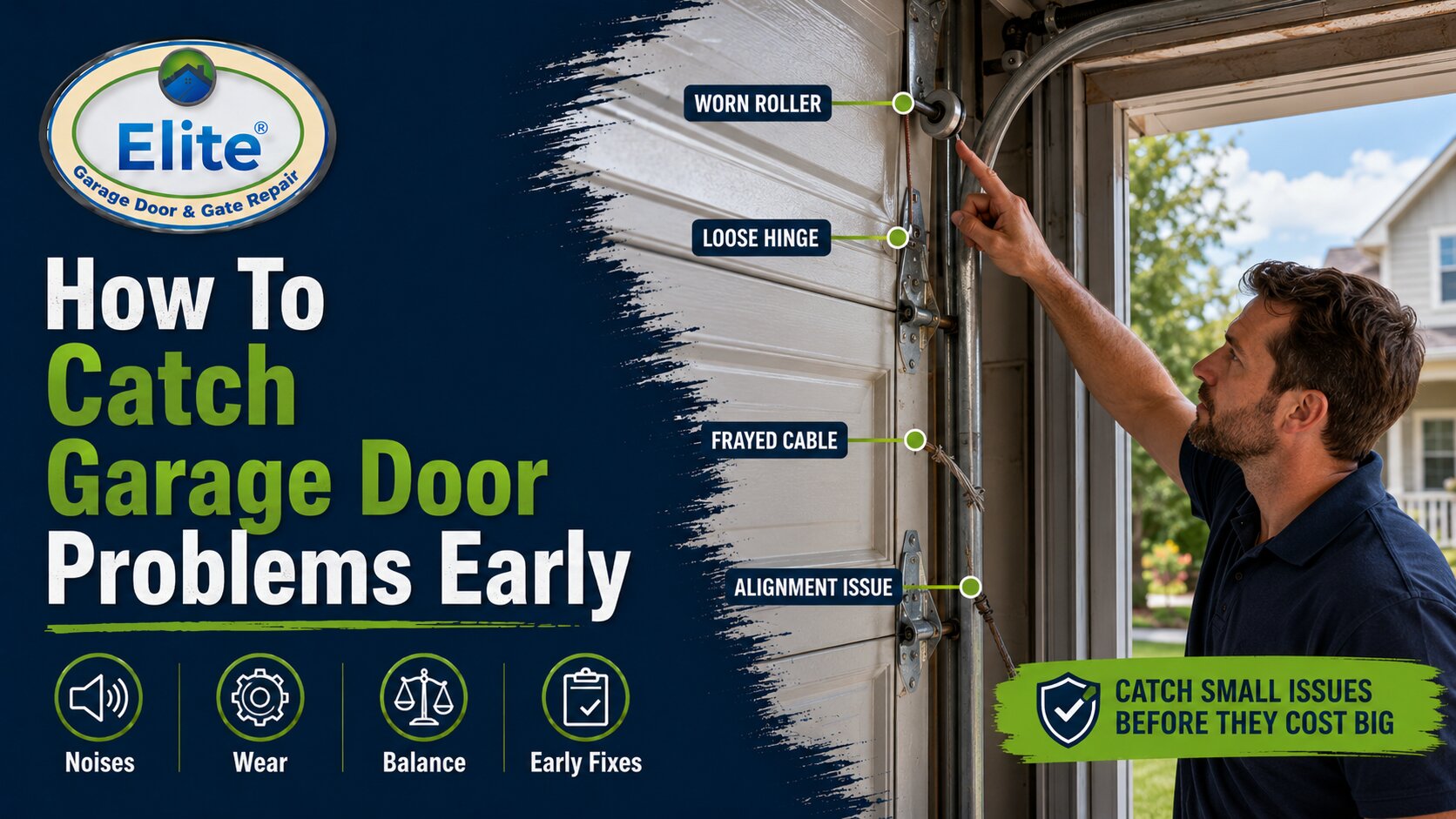
The easiest early warning sign is sound. A garage door has a normal sound profile. When it changes, something changed mechanically.
Listen for:
Also pay attention to when the sound happens. If the noise occurs at one consistent spot, the issue is often localized, like one roller, one hinge, or one section of track.
If your door has been getting noisier over time, it’s a good moment to schedule a preventive check through Garage Door Maintenance
Watch The Door For Smoothness, Not Just Movement
Many doors still operate while moving poorly. That’s where damage starts.
Watch for:
- wobbling side to side
- jerky starts and stops
- one side rising faster than the other
- a door that looks slightly crooked when moving
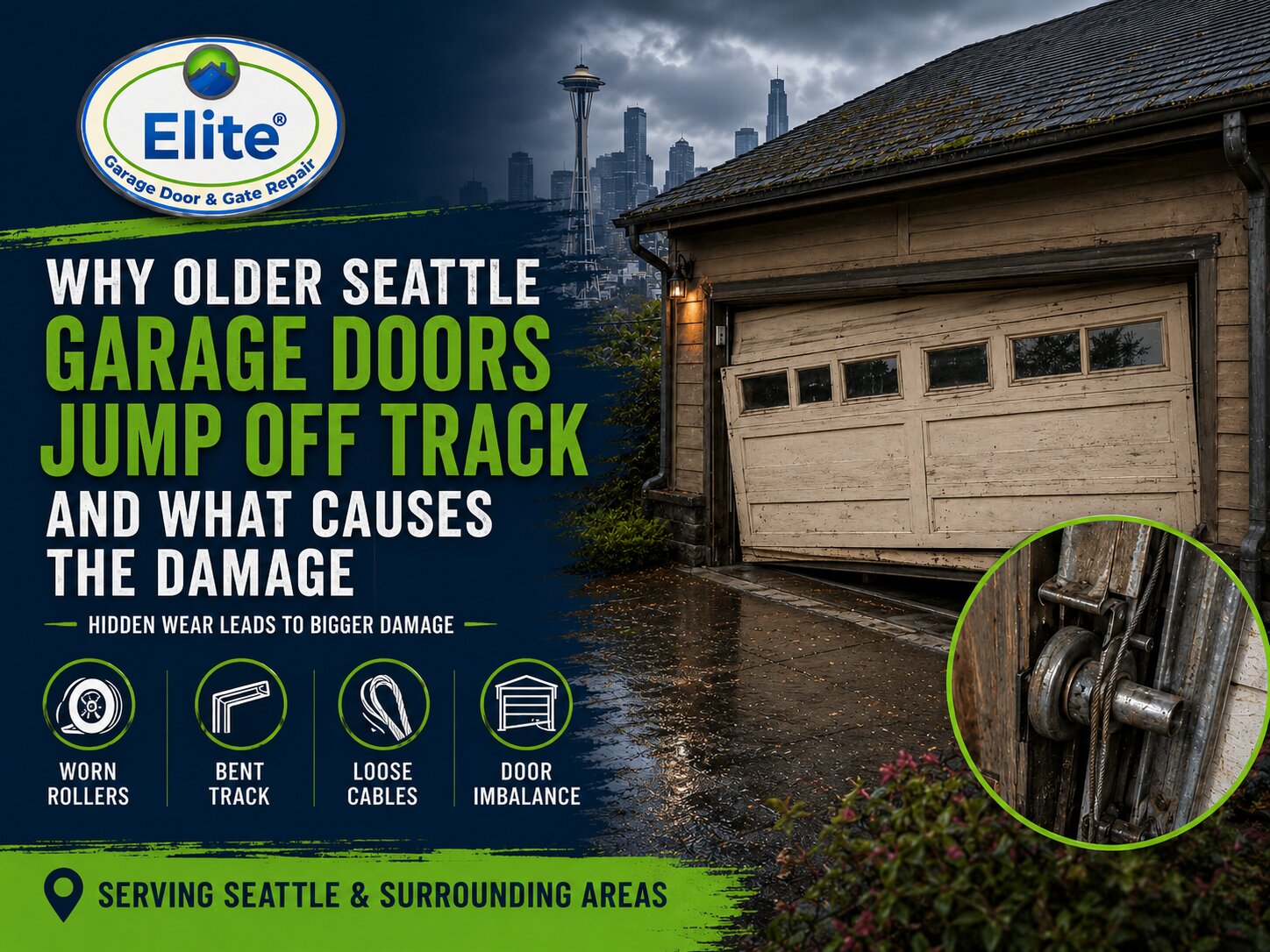
If you notice instability, it often points to roller wear, track alignment issues, or balance problems. Those are easier to fix early than after the door comes off track.
If movement looks rough and you suspect rollers, this is the direct fix: Replacement Rollers
Do A Simple Balance Check A Few Times Per Year
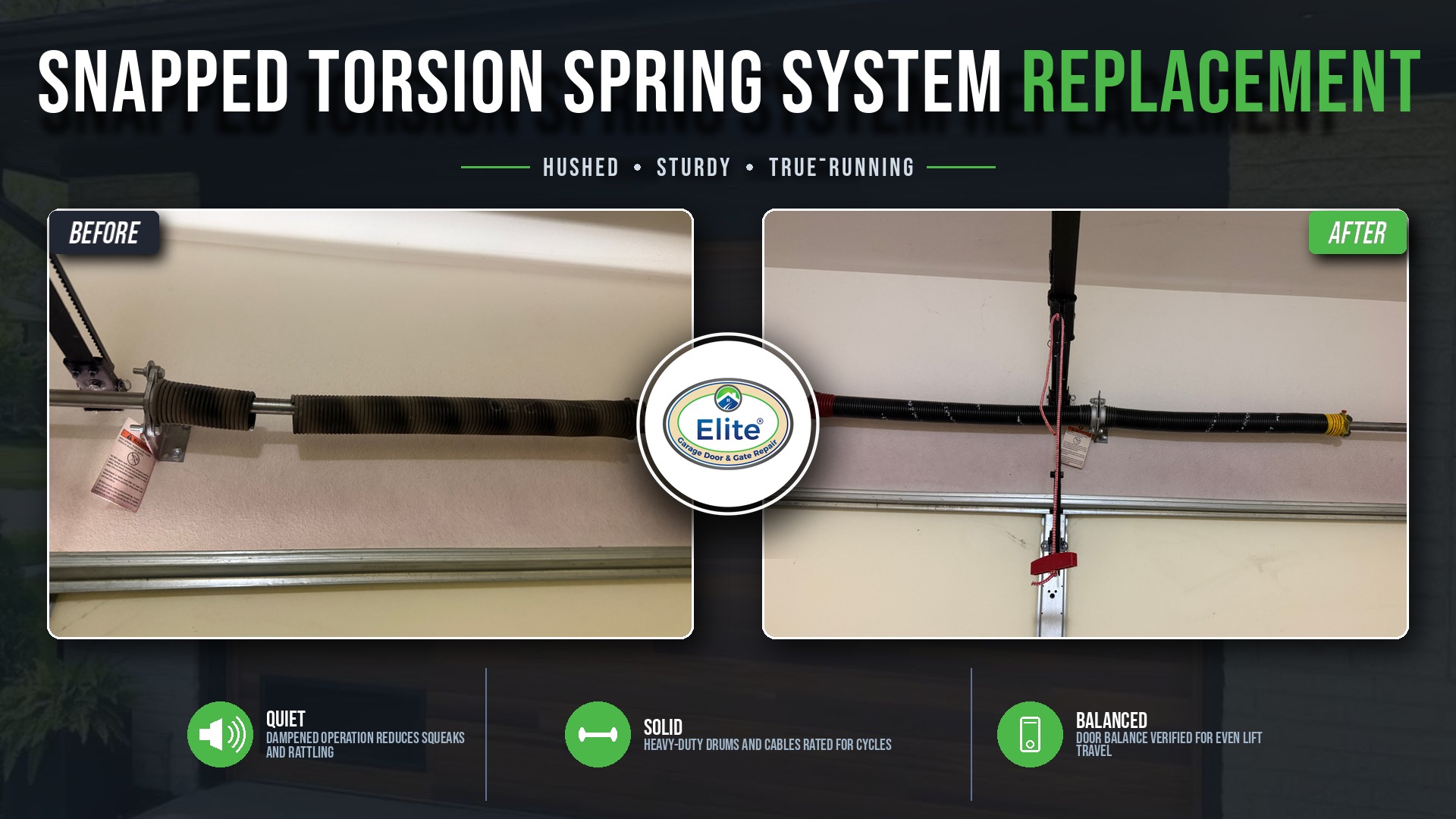
A balance check tells you whether springs are doing their job. This is one of the most valuable early checks because it helps you prevent opener strain and surprise spring failures.
How to do it safely:
A healthy door should not feel extremely heavy, and it should stay near the halfway point instead of dropping fast. If it feels heavy or drops quickly, that usually means the springs are worn or the system is out of balance.
If the door fails the balance feel test, the correct next step is Garage Door Spring Repair
Treat Reversing Or Refusing To Close As A Signal, Not A Glitch
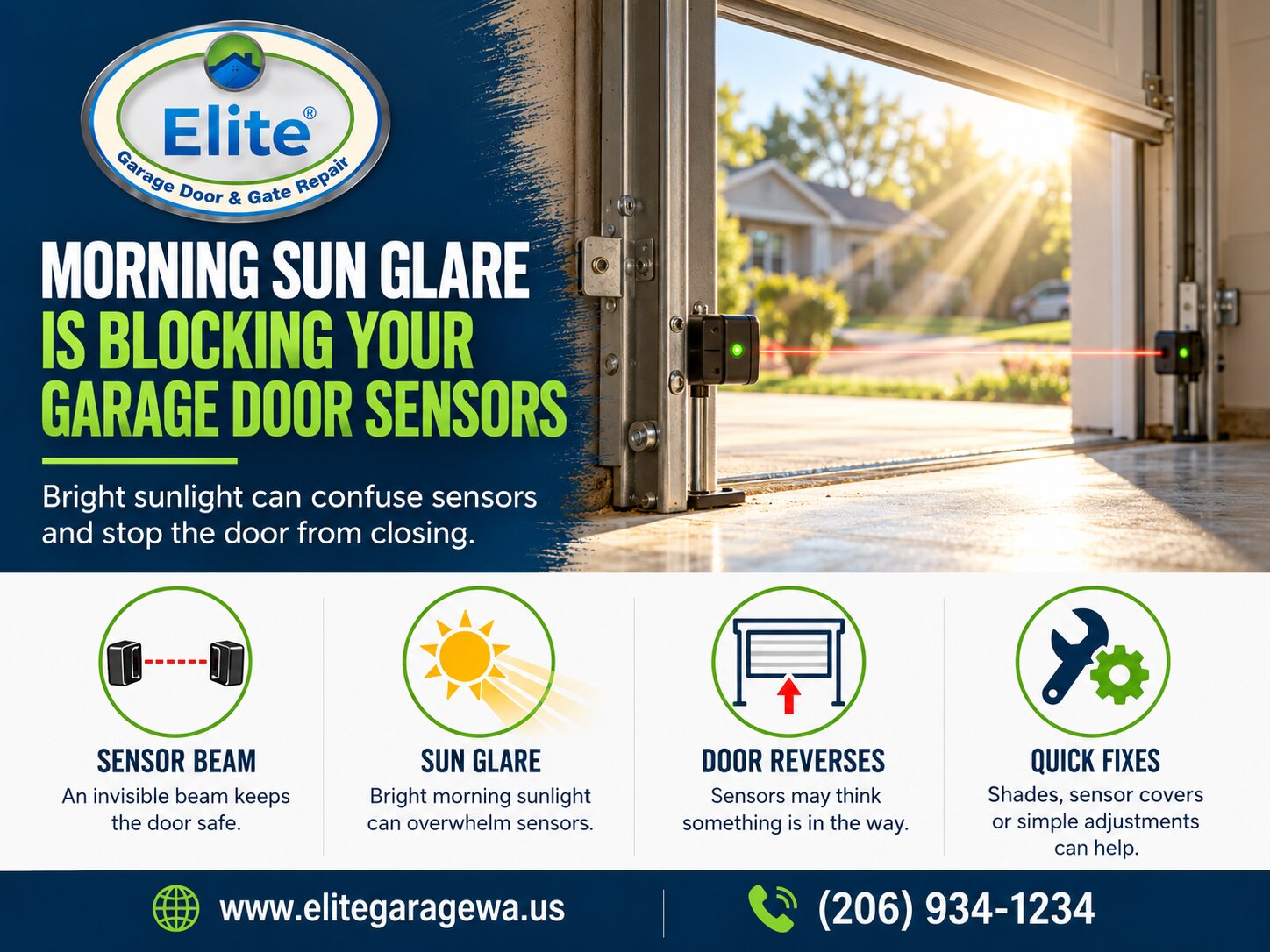
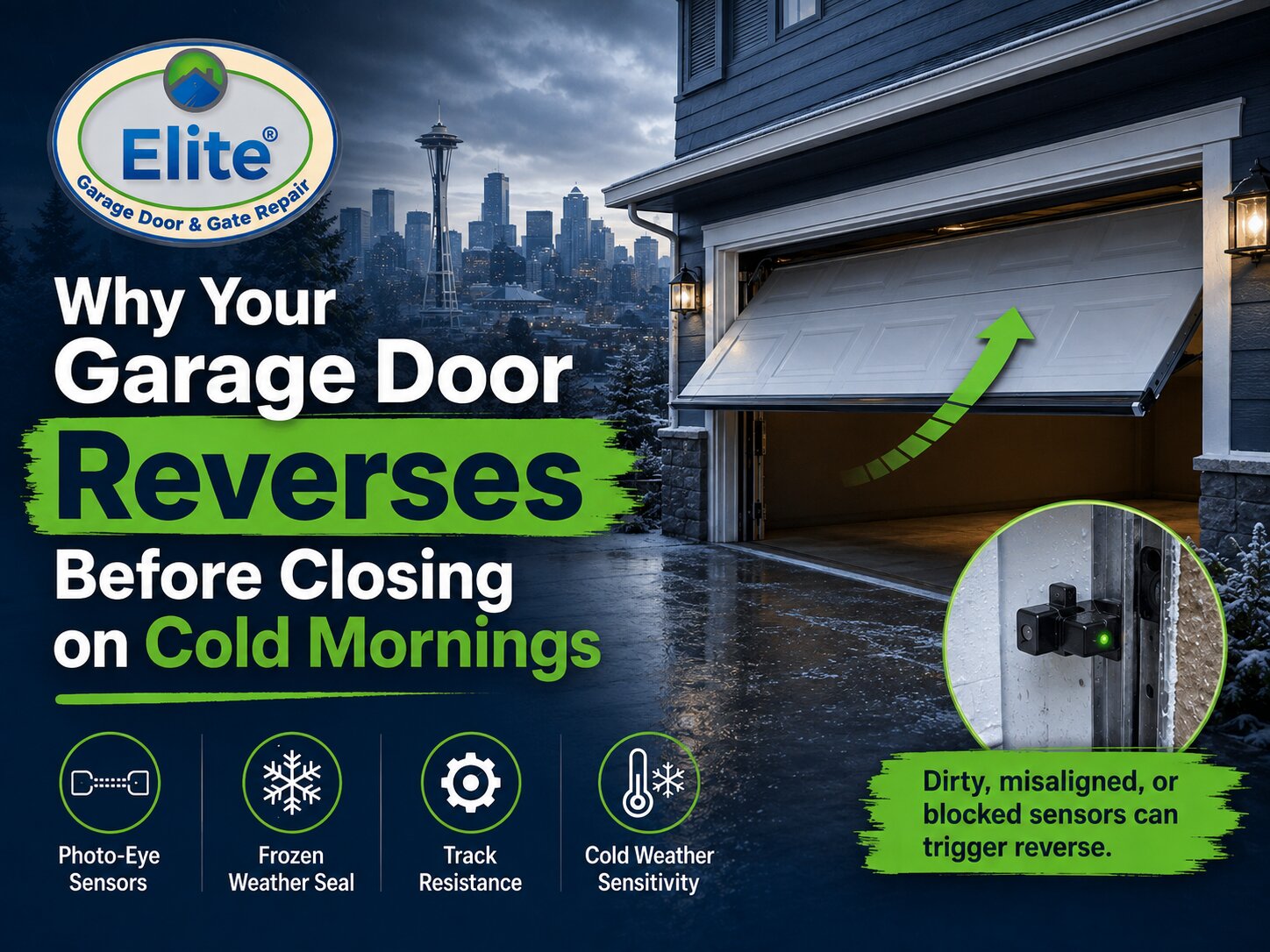
When a garage door closes and then reopens, or refuses to close at all, many homeowners assume it’s a remote glitch. Often it’s the safety system detecting resistance or sensor problems. This is the door telling you something is off.
If the door behavior becomes inconsistent, don’t just keep trying it repeatedly. Repeated attempts can strain the opener and worsen the problem. If you suspect the opener is struggling or electronics are acting inconsistently, use Garage Door Opener Repair as the correct service path.
For a clear decision on when to stop troubleshooting and bring in a technician, this guide is the most useful: When To Call A Professional For Garage Door Repair
Build A Small Routine That Makes Early Detection Automatic
You don’t need a complicated checklist. You just need consistency.
A realistic routine:
This routine catches early wear before it turns into emergency repairs. It also keeps the door smoother, safer, and less stressful on the opener.