
It’s a fair question, and it’s one homeowners ask more often now than they did a few years ago. Garage doors aren’t just “a big door” anymore. For many families, the garage is the main entry point to the home. So when people hear stories about hacked Wi-Fi devices or stolen car signals, they start wondering the same thing about the garage door.
Can garage door codes be hacked? In some situations, yes. But the risk depends heavily on how old your opener is, what technology it uses, and how your system is set up. The good news is that most modern openers have security features that make casual hacking difficult, and there are practical steps you can take right now to reduce your risk dramatically.
Most Modern Openers Use Rolling Code Technology
If your opener is from the last couple decades, it likely uses rolling code technology. Rolling code means the code changes every time you press the remote. Even if someone could “record” a signal, that recorded signal should not work again later because the opener expects the next code in the sequence.
This is exactly why rolling codes became standard. They were designed to prevent the classic “code grabber” problem that older fixed-code systems were vulnerable to.
If you’re dealing with random door openings or weird signal behavior, this topic connects directly: Garage Door Opens Randomly: Rolling Code Issues
Most Modern Openers Use Rolling Code Technology
Older Fixed-Code Openers Are The Real Vulnerability
The biggest risk comes from older openers that use fixed codes or very basic programming. With those systems, the remote sends the same code every time, which means a bad actor could potentially capture it and reuse it. That’s the scenario most people imagine when they say “hacked.”
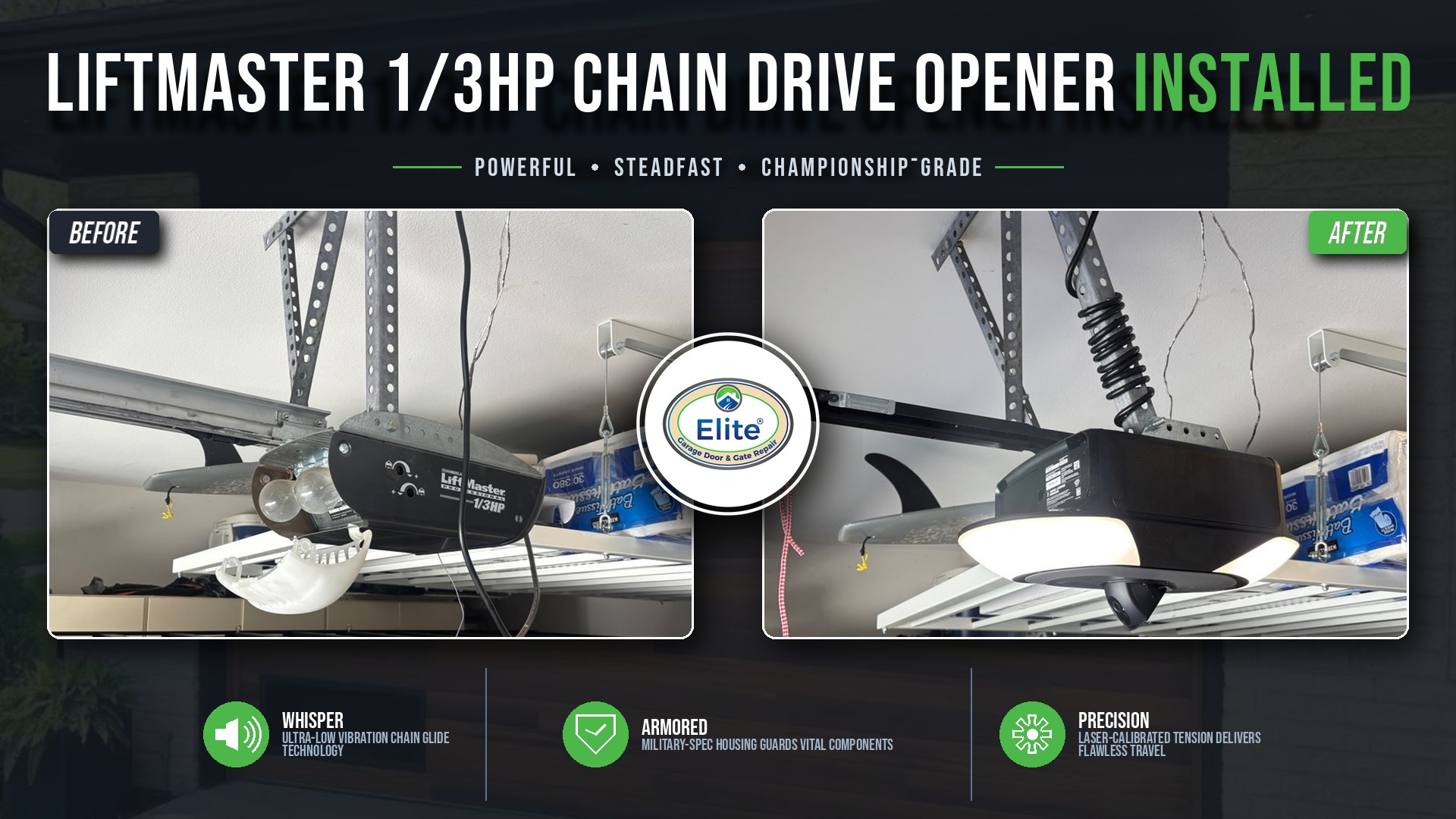
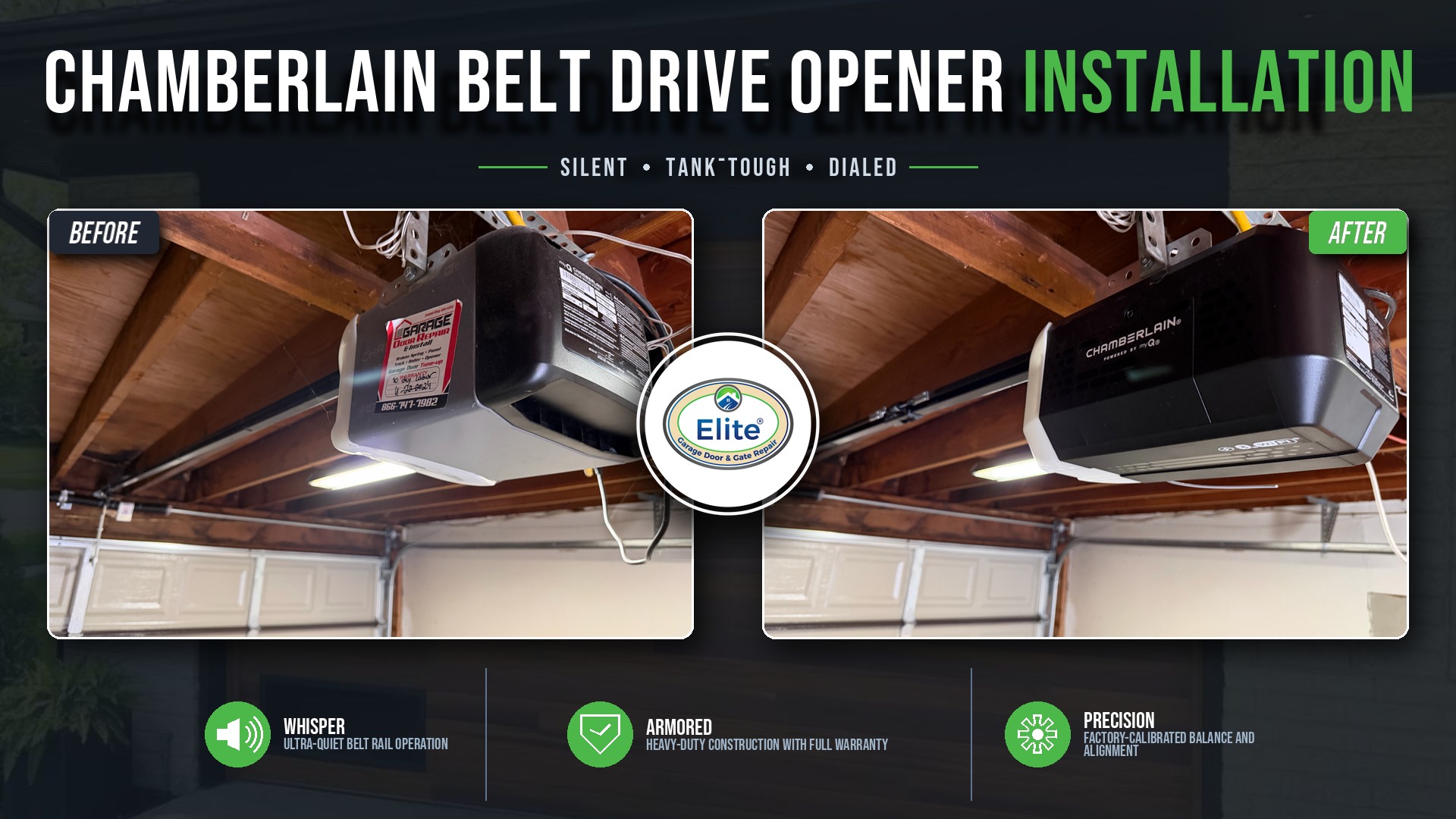
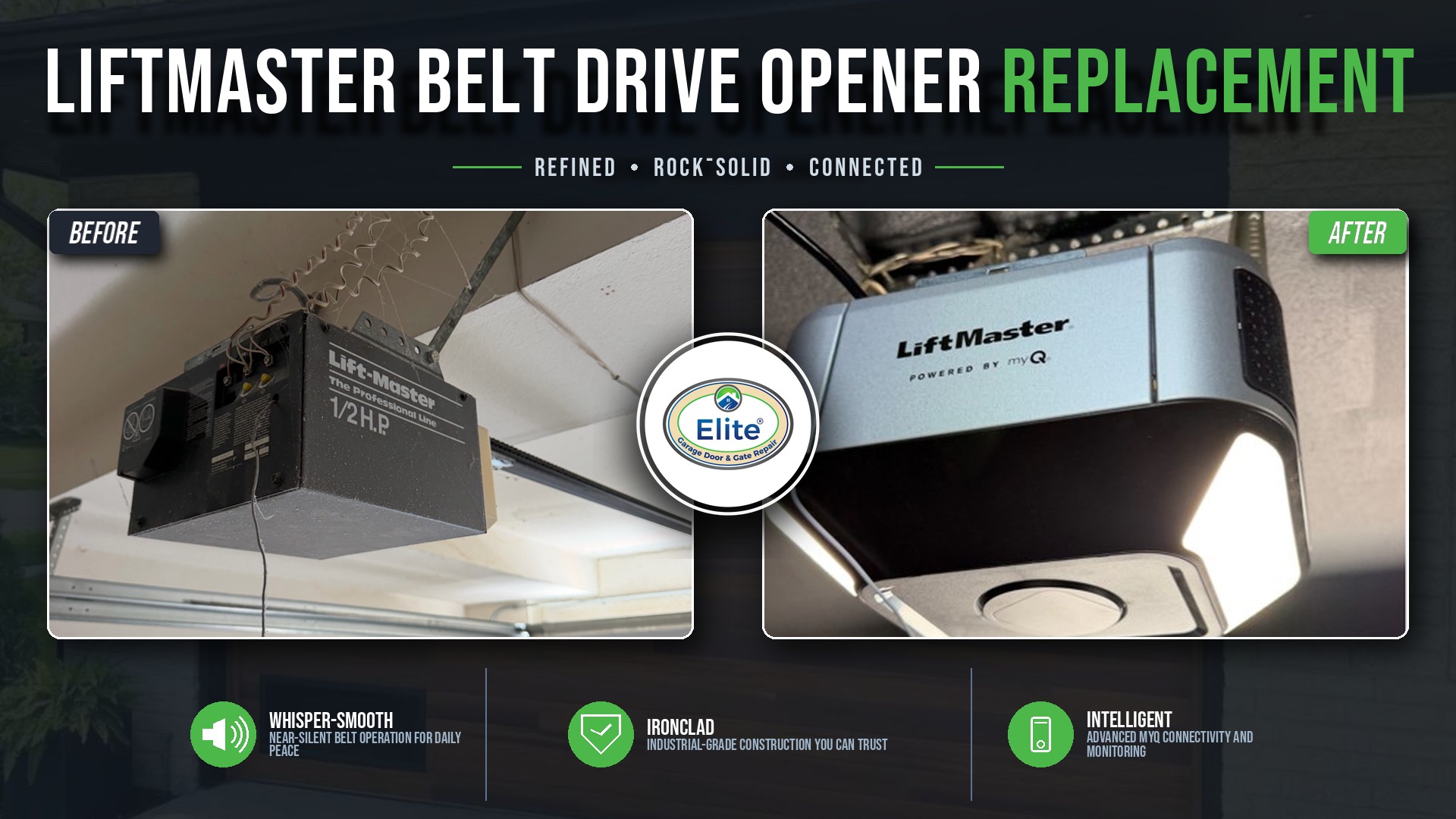
If your opener is older, replacement is not just about convenience. It’s a security upgrade. Newer openers include improved encryption, updated rolling code standards, and better control systems.
If you suspect your opener is outdated, this post will help you decide if it’s time to upgrade: Old Garage Door Opener: When To Replace
Smart Openers Add Convenience, But Also Require Smart Security Habits
Smart garage door openers bring remote access, alerts, and app control, which is great, but anything connected to Wi-Fi needs good security practices. The opener itself may be secure, but weak passwords, shared logins, or unsecured home networks create opportunities for unauthorized access.
The most practical safety steps are surprisingly simple:
- Use a strong password on the app account
- Enable two-factor authentication when available
- Don’t share permanent access with too many people
- Remove access for old users immediately
If you’re considering a smart opener or already have one, this post ties directly into whether the upgrade makes sense and how to think about it responsibly: Is A Smart Garage Door Opener Worth It
The Most Common “Hack” Is Actually A Lost Remote Or Unmanaged Access
In real life, the most common garage door security issue isn’t a high-tech hack. It’s a remote left in an unlocked car, a keypad code shared too widely, or a system that was never reprogrammed after moving into a home.
If you bought your home and never cleared the opener’s memory, you don’t really know how many remotes might still be paired. The cleanest solution is to reset the opener and reprogram only the remotes and keypads you still use.
This guide explains that process clearly: How To Reset A Garage Door Opener
Practical Steps To Make Your Garage Door Harder To Compromise
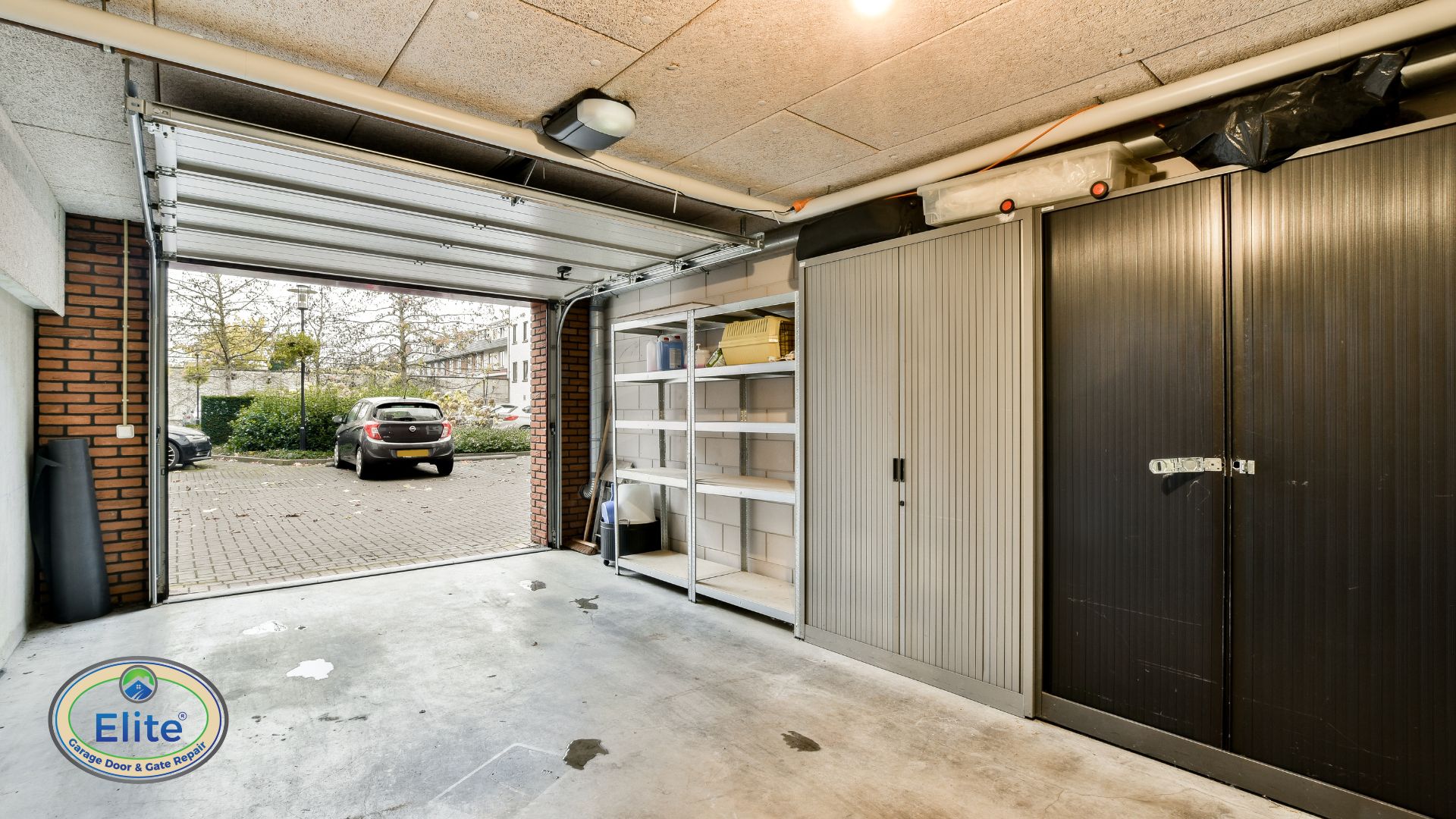
If you want to reduce risk quickly without overthinking it, focus on these practical steps:
- Reset and reprogram your opener if you moved recently
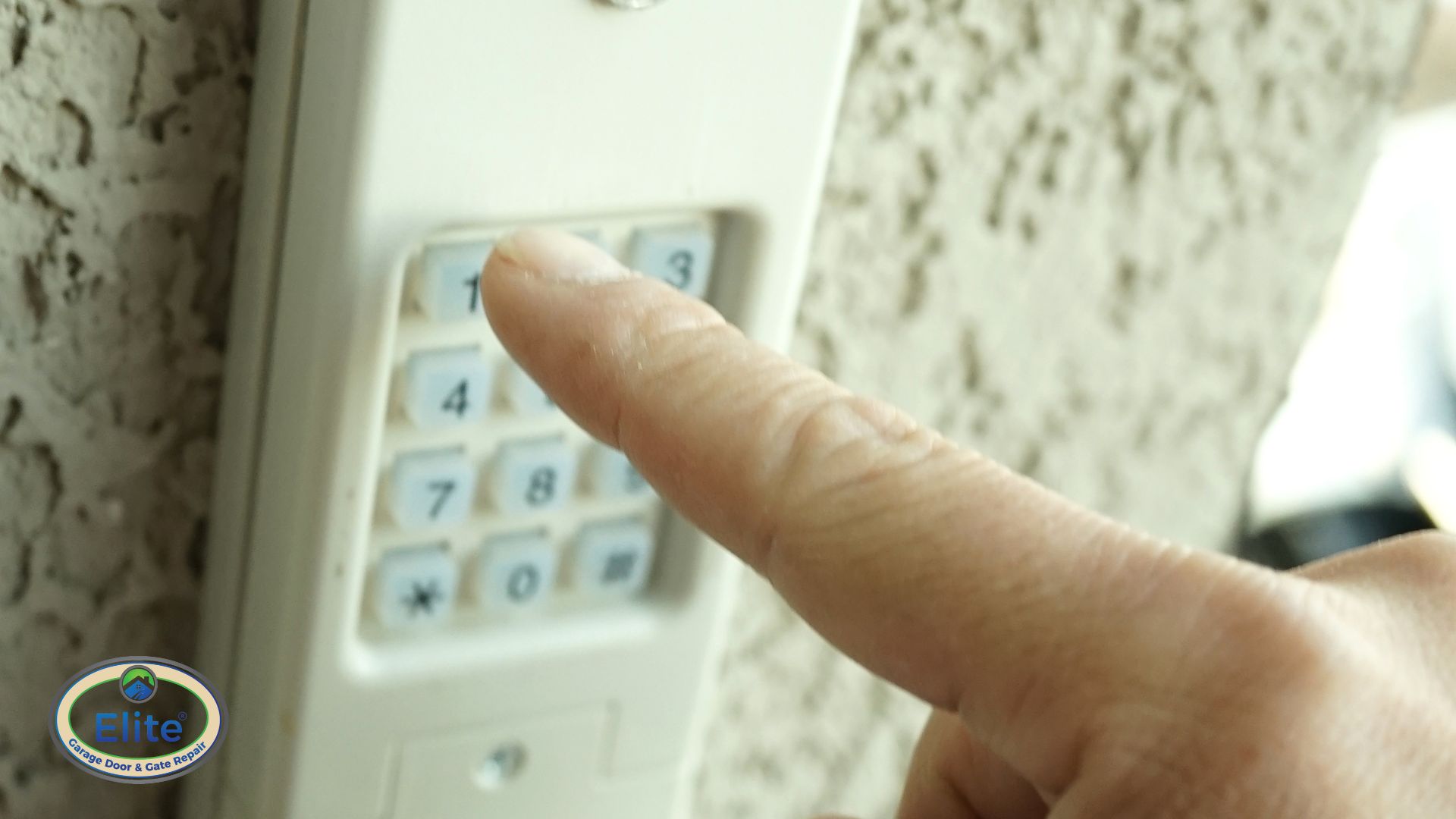
- Replace keypad codes periodically and avoid easy PINs
- Keep remotes out of visible areas in vehicles
- Lock the interior door from garage to home
- Consider motion lighting in the garage and driveway
For a broader, homeowner-friendly approach to protecting the garage, use this resource: Security Tips
Practical Steps To Make Your Garage Door Harder To Compromise
When To Get Professional Help
If you suspect unauthorized access, the first step is to reset and reprogram the opener, then monitor whether the problem continues. If it does, the issue could be a control board or receiver problem rather than hacking. In those cases, professional diagnosis is the fastest way to stop the behavior and restore confidence in the system.
If you need help troubleshooting signal issues, programming, or replacing an unreliable opener, Garage Door Opener Repair is the most relevant internal service link for this topic.