A garage door that suddenly becomes loud is more than just annoying. In many cases, noise is the first clear sign that something inside the system is wearing out, shifting, or failing. Homeowners often ignore new sounds because the door still works, but noise almost always appears before a breakdown.
Garage doors are designed to move smoothly and quietly. When grinding, banging, squeaking, or rattling sounds start to show up, it means friction, imbalance, or stress has developed somewhere in the system. Understanding what those sounds usually indicate can help you act early and avoid more expensive repairs later.
Why Garage Door Noise Should Not Be Ignored
Noise is one of the earliest warning signals a garage door gives. Before a door stops working completely, it often becomes louder, slower, or less smooth. That change usually happens gradually, which is why many people get used to it and stop noticing.
When noise is ignored, wear spreads. A dry roller can damage a track. A loose bracket can stress hinges. A struggling opener can wear down internal gears. What starts as a small issue often turns into multiple components failing together.

What a Normal Garage Door Should Sound Like
A properly functioning garage door is not silent, but it should not be disruptive. You might hear a soft motor sound from the opener, light rolling from the tracks, and a gentle stop at the end of the cycle.
Any sharp, repetitive, or increasing noise usually means something is no longer moving the way it should.
The Most Common Causes of Garage Door Noise
Grinding or scraping sounds
Grinding noises usually come from metal parts rubbing together. This often happens when rollers are worn, tracks are dirty, or alignment is slightly off. If the sound happens at the same spot every time the door opens or closes, the problem is often localized to a specific roller or section of track.
Left untreated, grinding can quickly damage tracks and rollers, turning a minor repair into a larger one.
Loud banging or popping noises
A loud bang coming from the garage can be alarming. In many cases, this noise is caused by a garage door spring reaching the end of its lifespan and breaking. Springs are under extreme tension, and when one fails, it releases energy suddenly.
Even if the door still moves afterward, the system is no longer balanced or safe. In situations like this, professional Garage Door Spring Repair is usually required to restore proper operation and prevent further damage.
Squeaking or high pitched noises
Squeaking sounds are often related to friction. Dry rollers, hinges, or bearings can produce a sharp or repetitive squeal as the door moves. Lubrication can help reduce noise temporarily, but if the sound returns quickly, the components themselves may already be worn.
Repeated squeaking is often a sign that parts are nearing the end of their service life.
Rattling or vibrating noises
Rattling noises usually indicate loose hardware. Garage doors vibrate slightly during normal operation, and over time that vibration can loosen bolts, brackets, and hinges.
Rattling is often heard near track mounting points or between door panels. Tightening hardware may help, but if the noise keeps coming back, it can indicate alignment issues or uneven movement.
Noises Coming From the Garage Door Opener
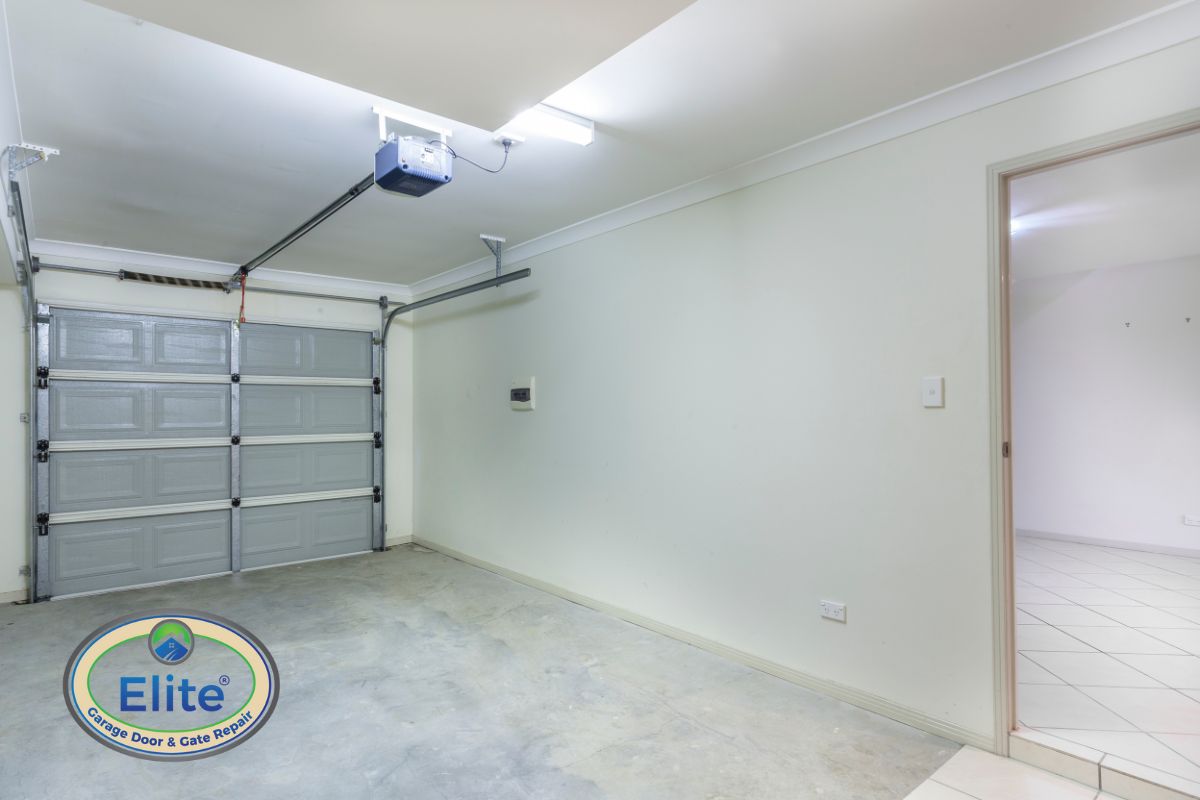
Sometimes the noise does not come from the door itself but from the opener. Clicking, grinding, or excessive vibration from the motor can point to worn internal parts, loose mounting brackets, or strain caused by other door issues.
When an opener is forced to compensate for a heavy or unbalanced door, it becomes louder and wears out faster.
When Noise Means You Should Stop Using the Door
Not all noise requires immediate repair, but some sounds should never be ignored. If the door suddenly becomes very loud, feels heavy, moves unevenly, or produces sharp banging sounds, continued use can be unsafe.
If you are unsure whether it is time to bring in a technician, this guide explains the warning signs clearly: When To Call A Professional For Garage Door Repair
How Maintenance Helps Reduce Garage Door Noise
Regular maintenance plays a big role in keeping a garage door quiet. Cleaning tracks, lubricating moving parts, and tightening hardware can reduce friction and prevent minor issues from becoming major problems.
That said, maintenance is not a cure for worn out parts. If noise keeps returning shortly after service, it usually means components need replacement rather than adjustment.
Final Thoughts
A noisy garage door is rarely just a nuisance. Grinding, banging, squeaking, or rattling sounds usually indicate wear, imbalance, or stress within the system. Paying attention to those sounds allows you to act early, protect your opener, and avoid more expensive repairs later.
If noise is accompanied by erratic movement or stopping issues, this FAQ explains how to safely check one of the most common causes: How Do You Test A Garage Door Sensor?