
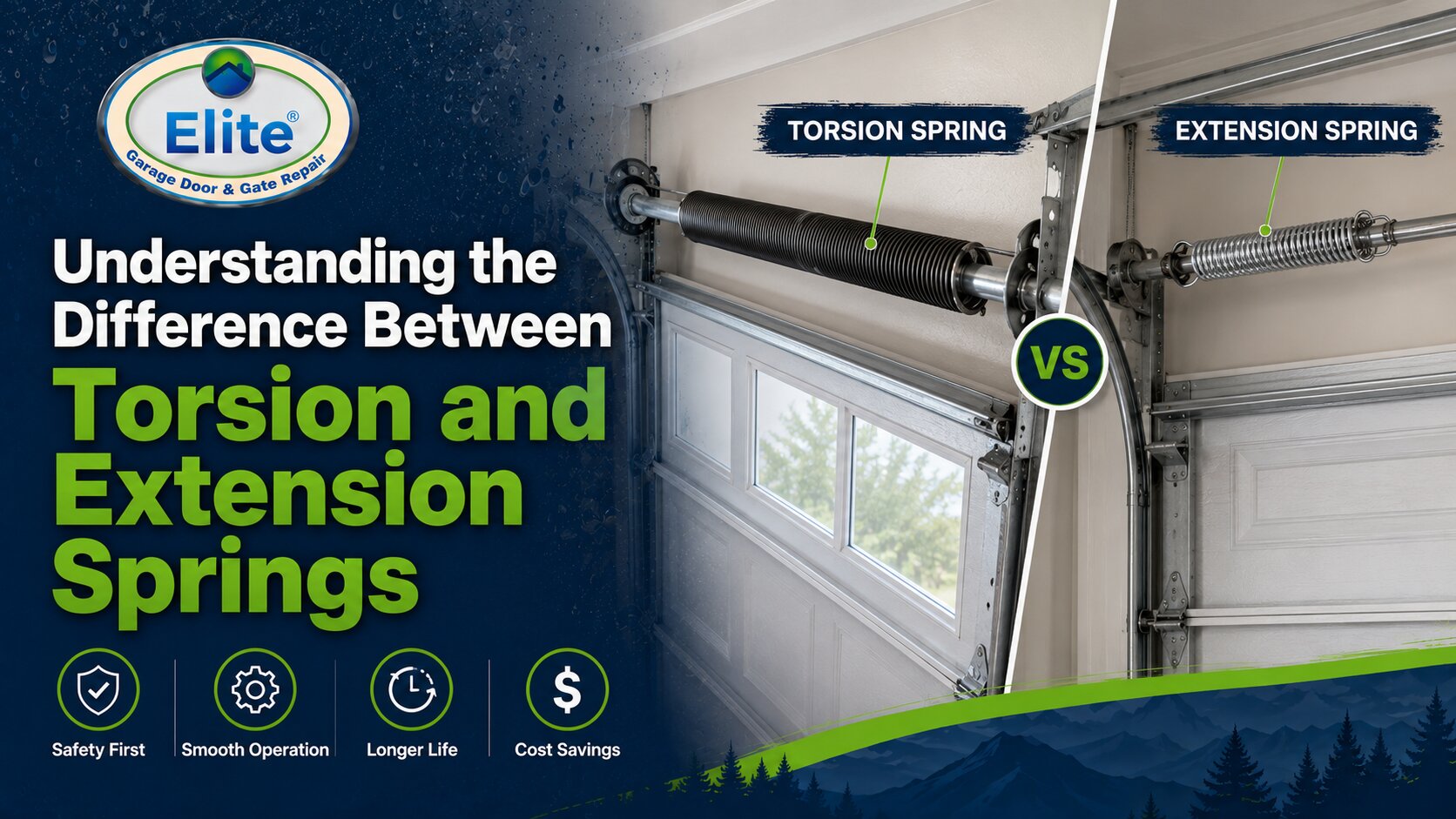
You probably heard the term ‘extension springs’ being thrown around quite a few times by a garage repair technician or the company. The same goes for the term torsion springs, which perhaps not as many people may have heard of but are just as crucial to the functioning of your garage door as the extension springs. However, the question we get asked a lot is what is the difference between the two? In this article, we will attempt to answer this question and also explain what each of these springs does.
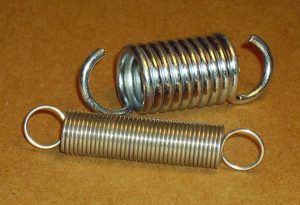
Which Type of Spring is Better?
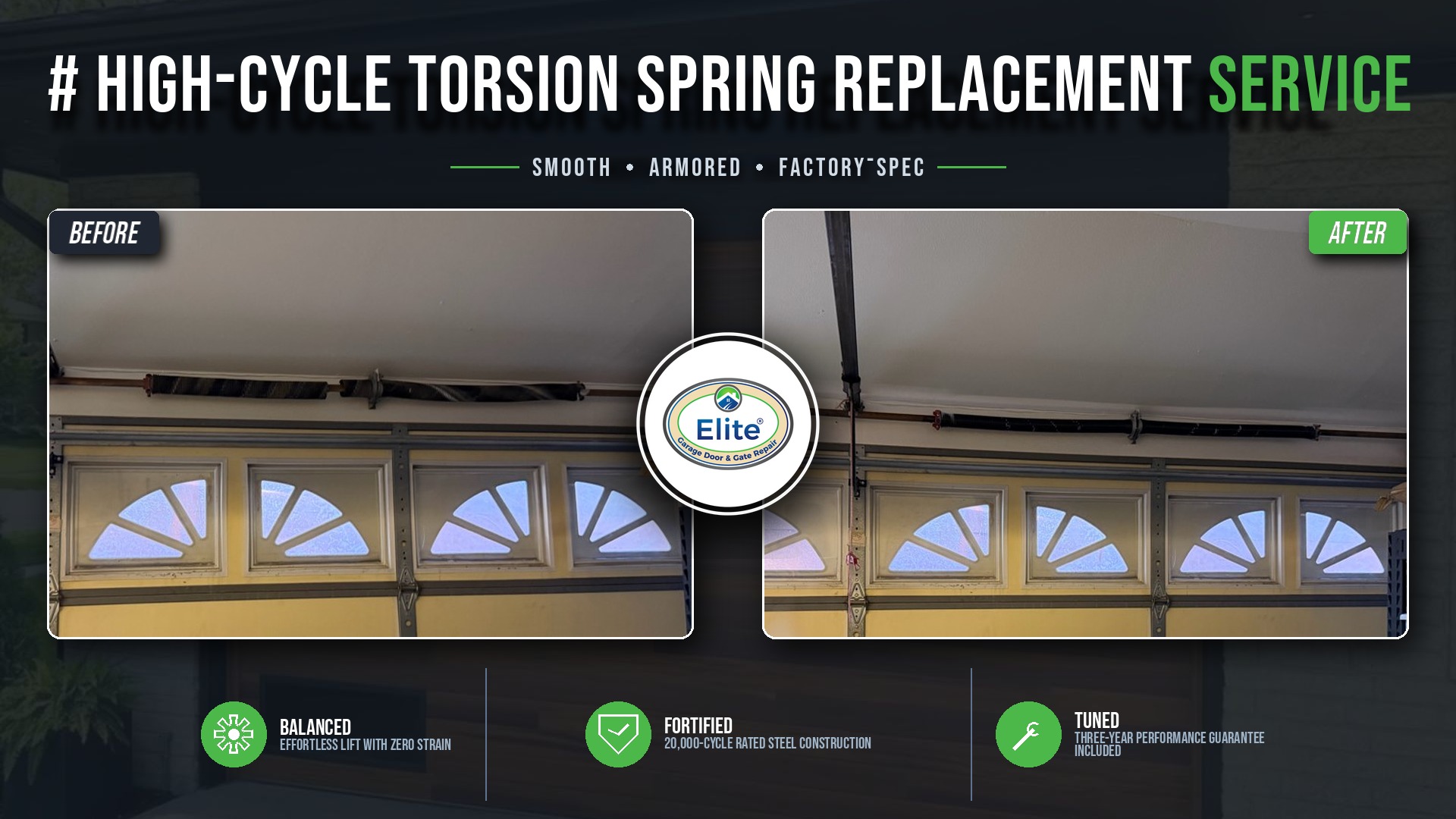
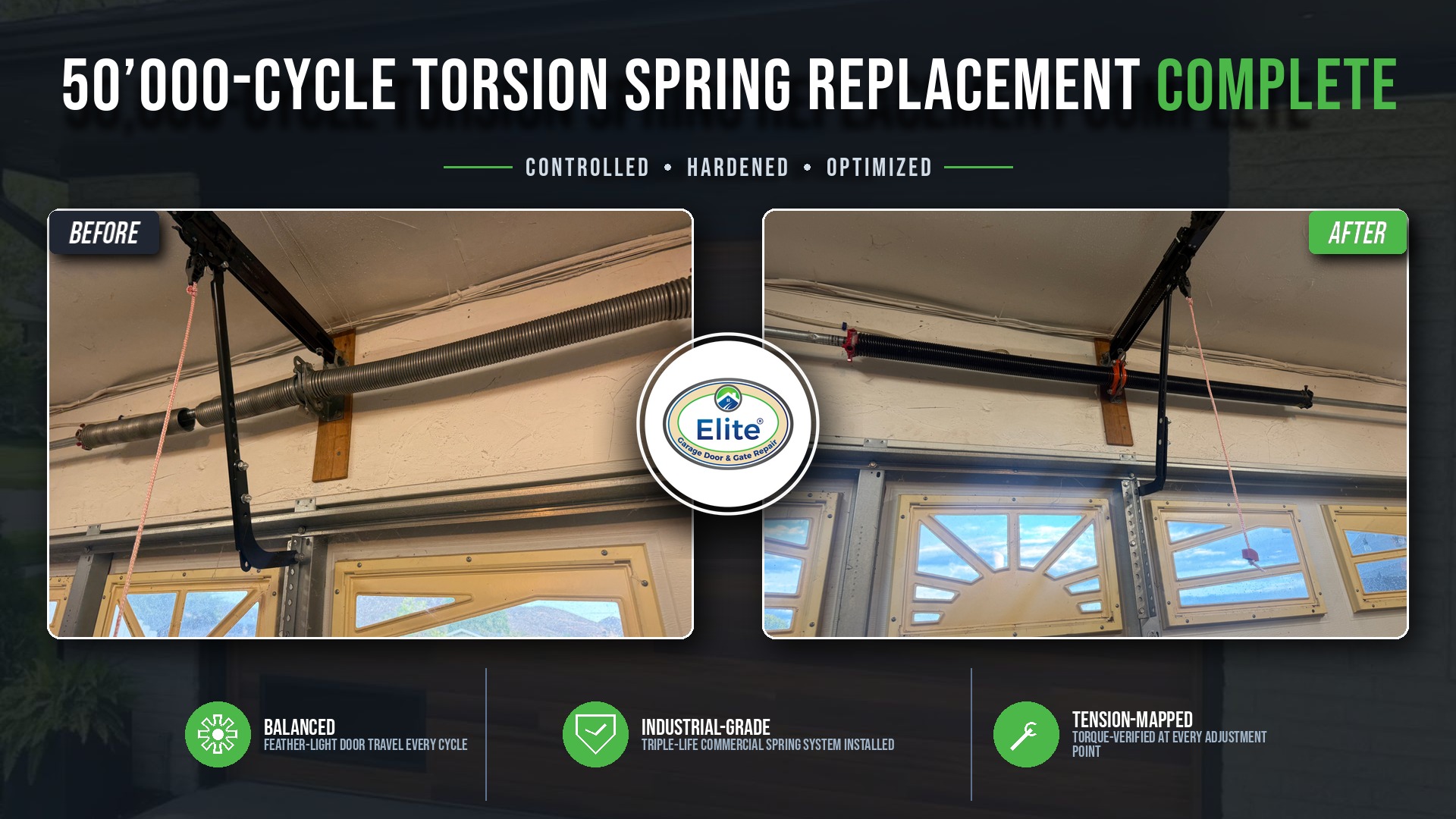
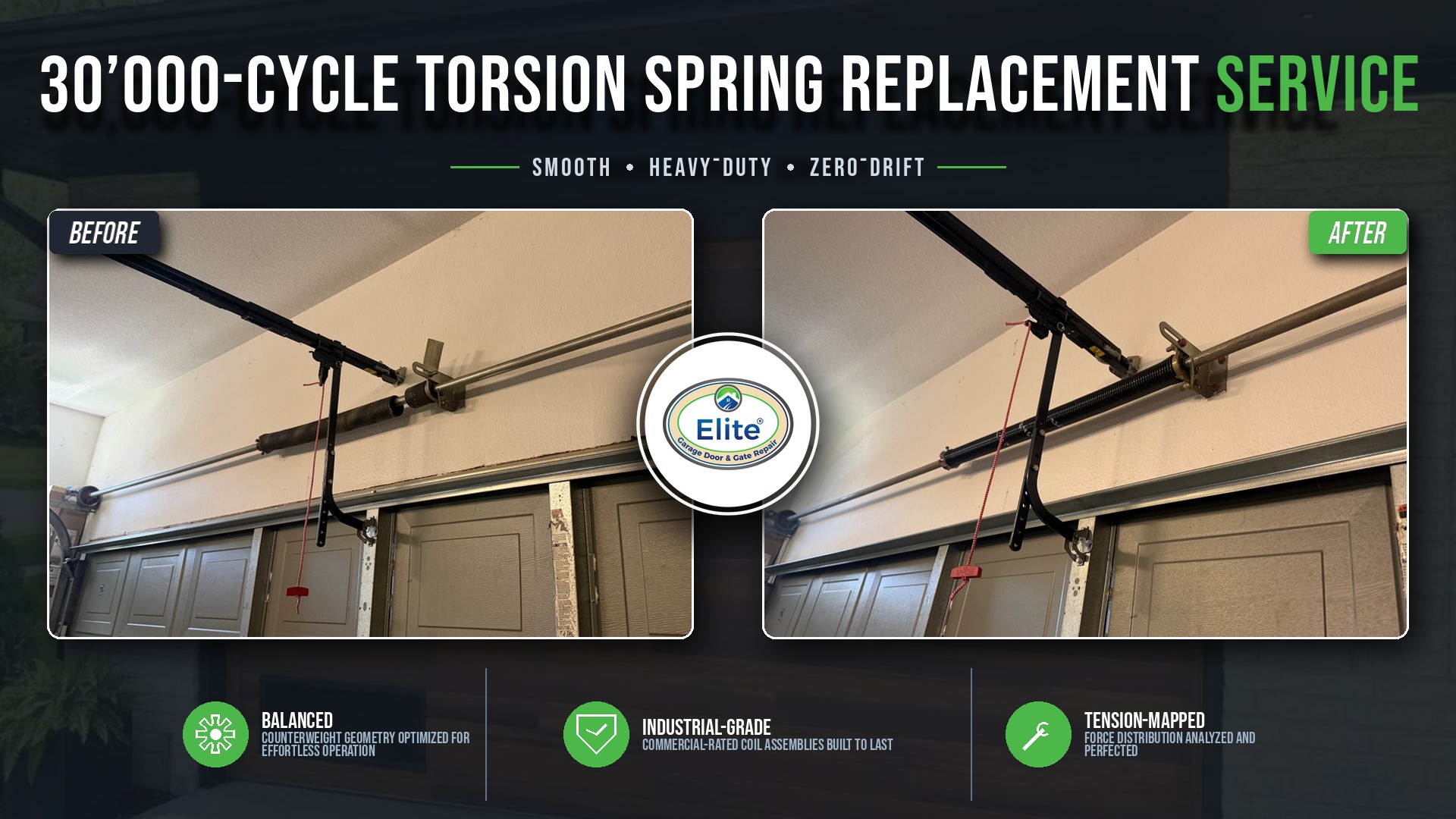
Most garage door technicians will tell you that torsion springs are better and we’d agree with them. The one benefit of torsion springs is that they last longer but are often twice as expensive. So, you’re getting better value with them. Plus, torsion will lower and raise the door in a more controlled manner, so there is almost no swinging motion. Extension springs, on the other hand, may be cheaper, but they don’t last as long and will move the door with a jerky motion. That’s why they undergo a lot of wear and tear.
Extension springs will require that garage door owners spend more on maintenance as the apparatus associated with them is more complex. It isn’t easy to get to all the areas you want to lubricate, so a professional is required to do it for you. Torsion springs are known to snap and when they do the resulting sound is horrifying for most people. But otherwise, they are pretty safe unless the spring flies off. So regular maintenance is almost always imperative regardless of how old the garage door may be.