

Commercial garage doors are not just bigger residential doors. They’re part of operations. When a commercial door fails, it doesn’t just inconvenience someone. It can delay deliveries, disrupt workflow, create security exposure, and even become a safety hazard for employees. That’s why commercial garage door maintenance is less about “keeping it quiet” and more about keeping it predictable, safe, and reliable under heavy use.
In Seattle and King County, commercial doors also deal with frequent moisture and grime, which accelerates corrosion and friction. A maintenance routine that might be optional for a low-use residential door becomes essential for a commercial environment where cycles add up quickly.
Commercial doors typically run more cycles per day than residential doors. They also tend to be heavier, use stronger hardware, and rely on components that carry more load. Springs, cables, rollers, tracks, and operators are under constant demand.
Because of that, the biggest goal of maintenance is preventing downtime. A small issue like a worn roller or loose bracket can quickly turn into a track problem, a door jam, or a motor strain event that shuts down operations.
Maintenance also reduces liability. A door that reverses unpredictably, slams, or binds can create injury risk. For commercial facilities, safety and compliance are part of the equation, not just convenience.
If you manage a facility and want the general service category for commercial work, this internal service page is the closest match: Commercial Garage Door Service.

What A Proper Commercial Maintenance Visit Should Include
A real commercial maintenance service goes beyond lubrication. It should include balance testing, wear inspection, and safety verification.
Core items usually include:
Commercial doors also benefit from documentation. A maintenance record helps track wear, schedule replacements proactively, and avoid surprise failures.
If you want a structured maintenance reference that fits the same logic for friction reduction and system testing, use Garage Door Maintenance as the baseline, even though commercial systems typically require a heavier-duty version of the same process.
Why Springs, Rollers, And Tracks Fail Faster In Commercial Use
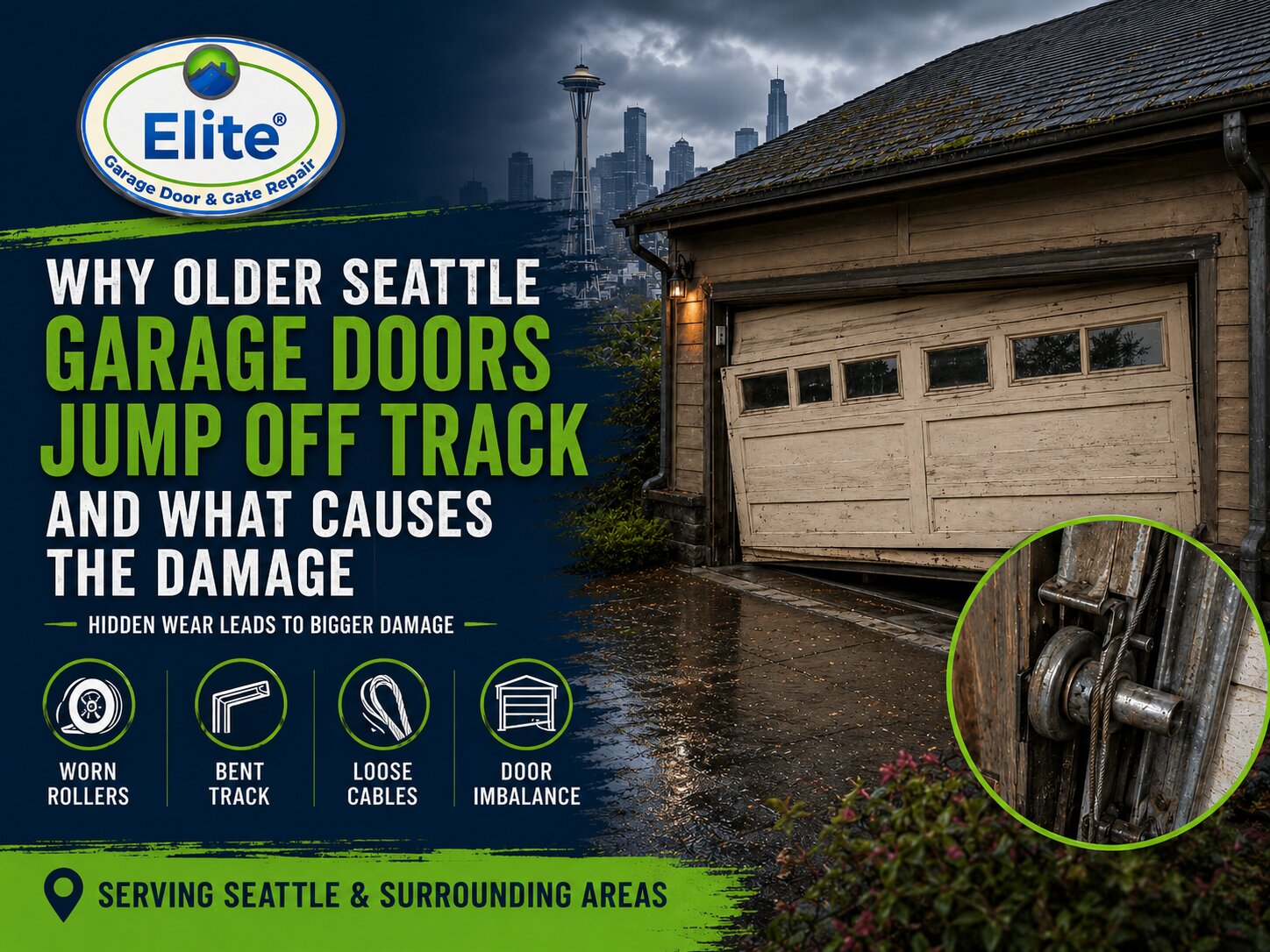
In commercial settings, cycle count is everything. Springs are rated by cycles, and heavy use reaches those cycle limits quickly. Rollers wear faster under load. Tracks experience more vibration and impact.
That’s why preventive replacement is often smarter than waiting for a break. Replacing worn rollers early reduces track damage. Addressing spring fatigue early prevents sudden failure that can lock down operations.
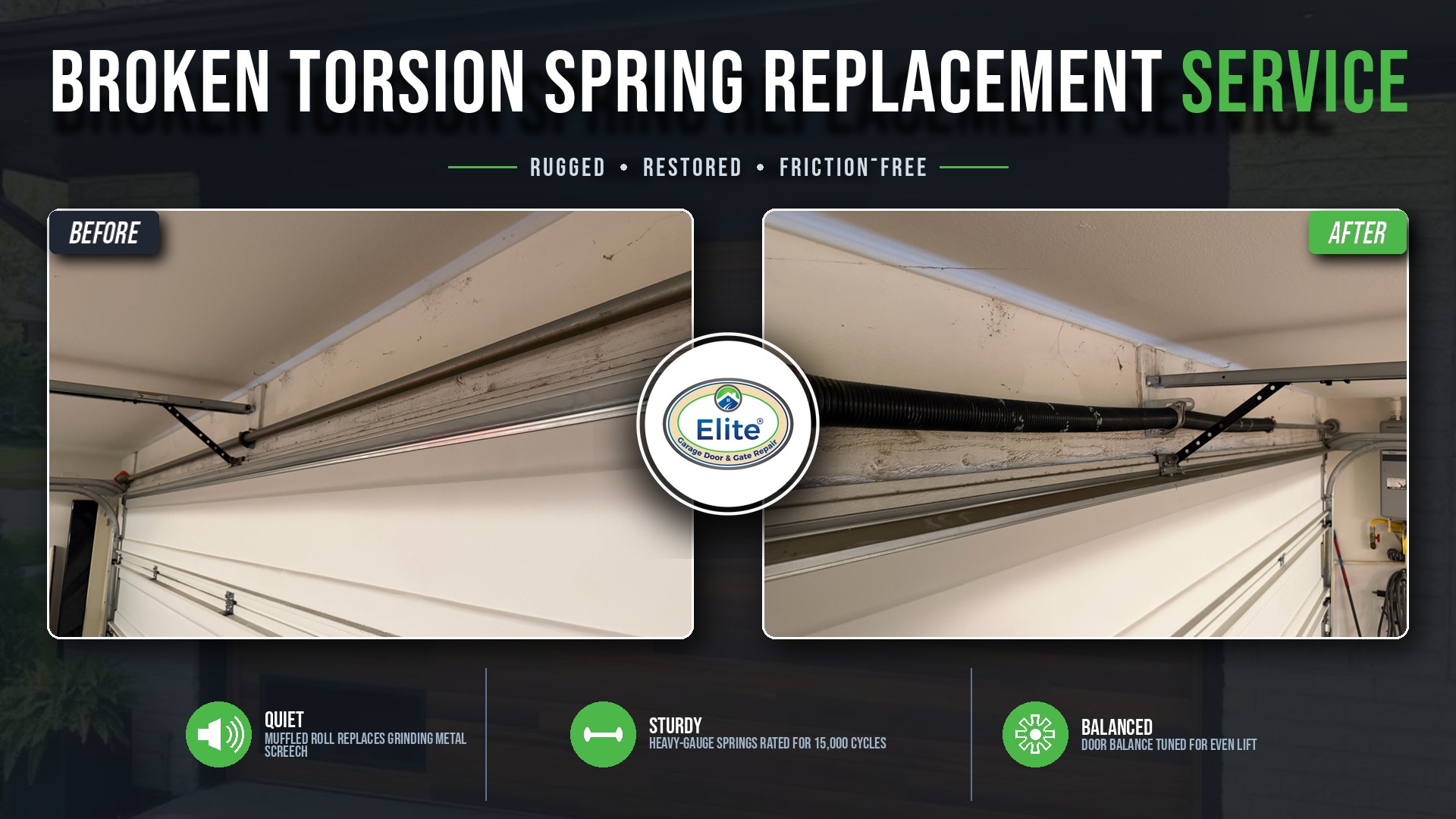
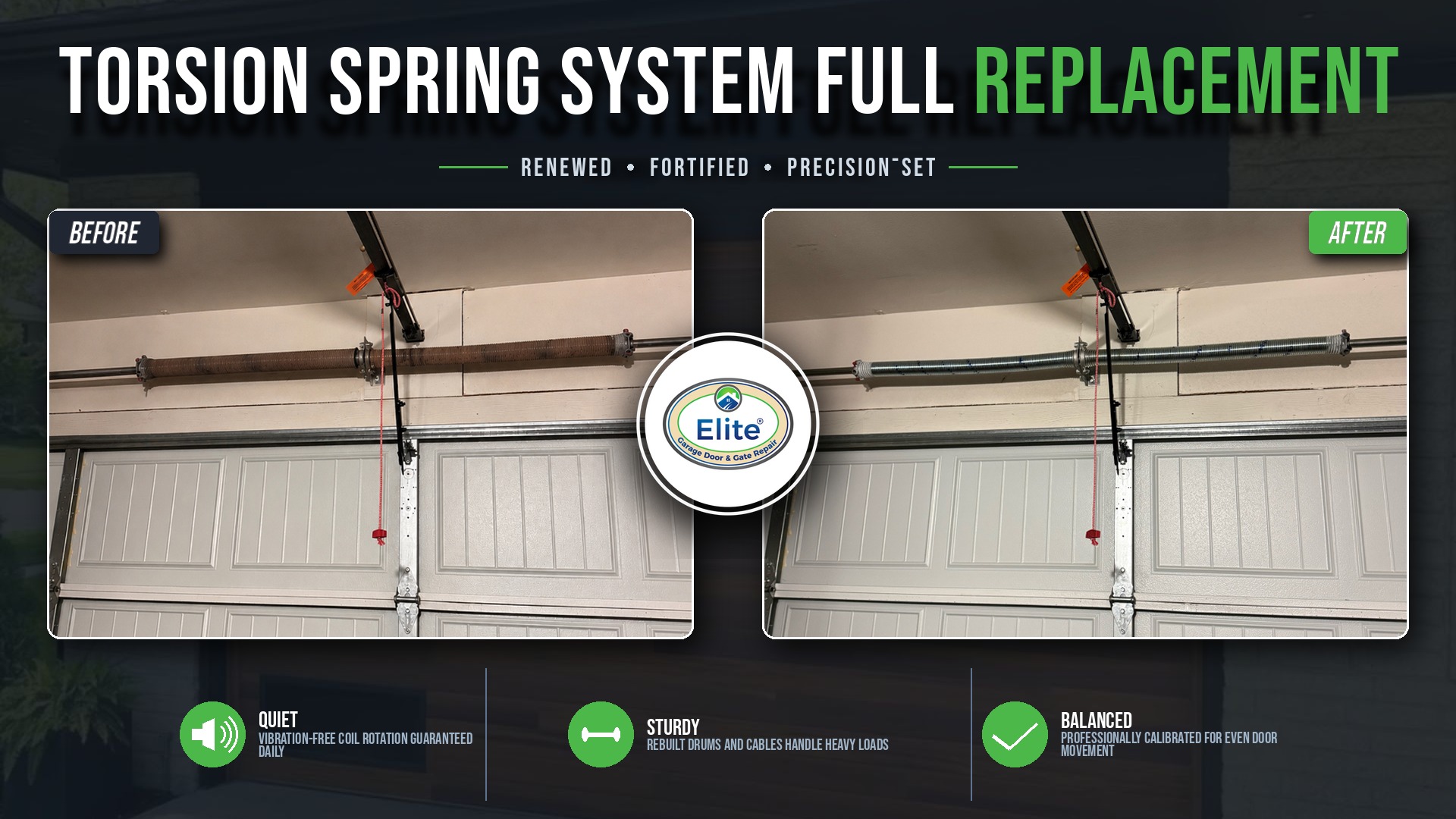
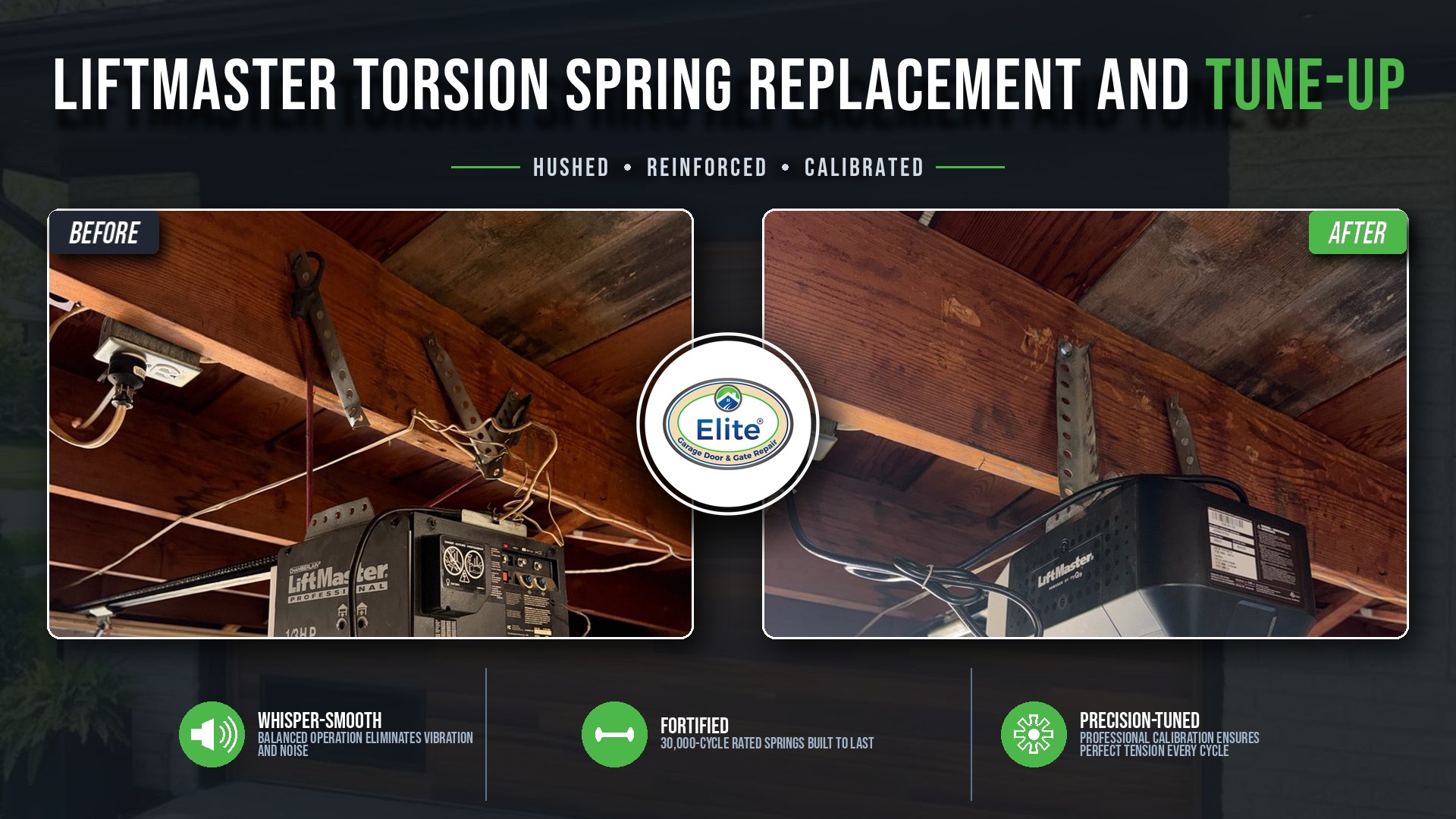
If the maintenance inspection reveals spring wear or imbalance, the repair path is still spring service: Garage Door Spring Repair.
If rollers are worn and travel is rough, replacement is often the most effective immediate improvement: Replacement Rollers.
 Why Springs, Rollers, And Tracks Fail Faster In Commercial Use
How To Know Your Commercial Door Needs Maintenance Now
You don’t need to wait for failure. The system tells you when it’s degrading.
Common signs include:
If any of these are happening, call service before the door fails completely. If you’re unsure when it’s time to stop troubleshooting, this decision guide still applies well: When To Call A Professional For Garage Door Repair.