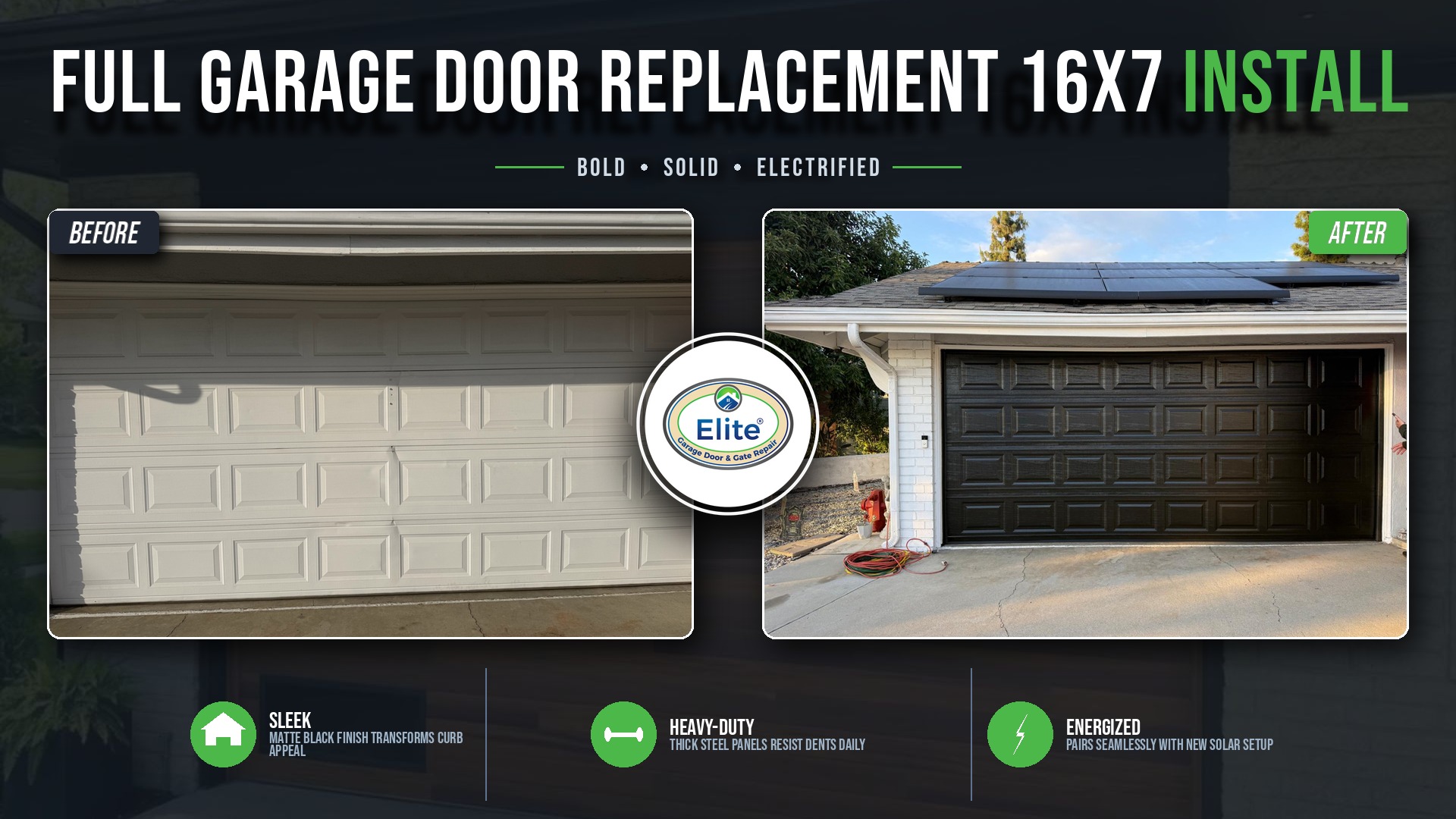

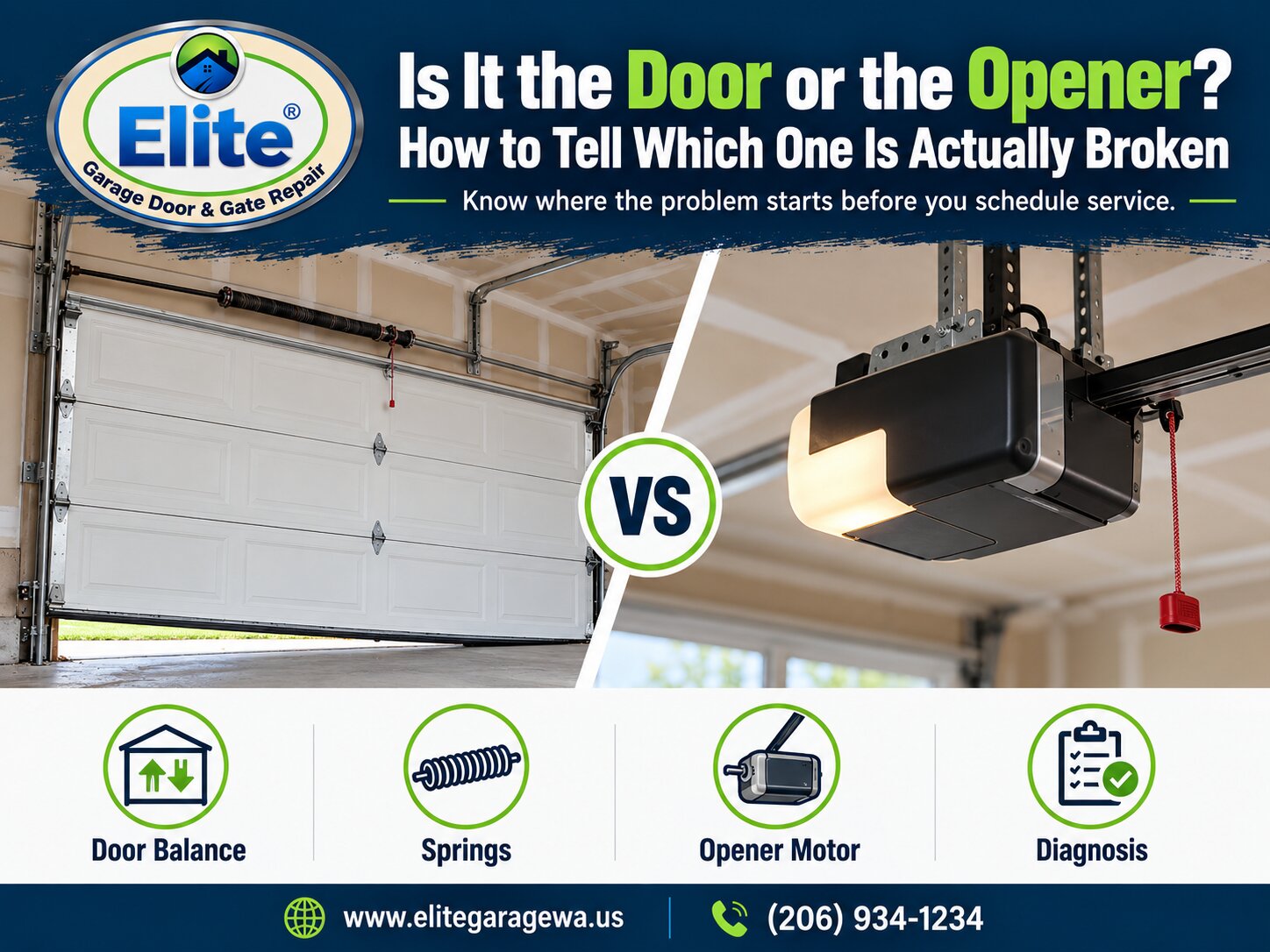
When your garage door stops working properly, the culprit is usually either a broken spring or cable on the door itself, or a failing opener motor. The fastest way to tell which one is broken is to disconnect the opener and try lifting the door manually: if it feels extremely heavy or won’t stay up on its own, the door’s balance system is broken and the opener is likely fine.
This diagnostic question comes up frequently because homeowners often blame the opener when the real problem is a snapped torsion spring or stretched cables. Understanding the difference can save you time, money, and frustration.
How Do I Know If the Problem Is the Door Itself?
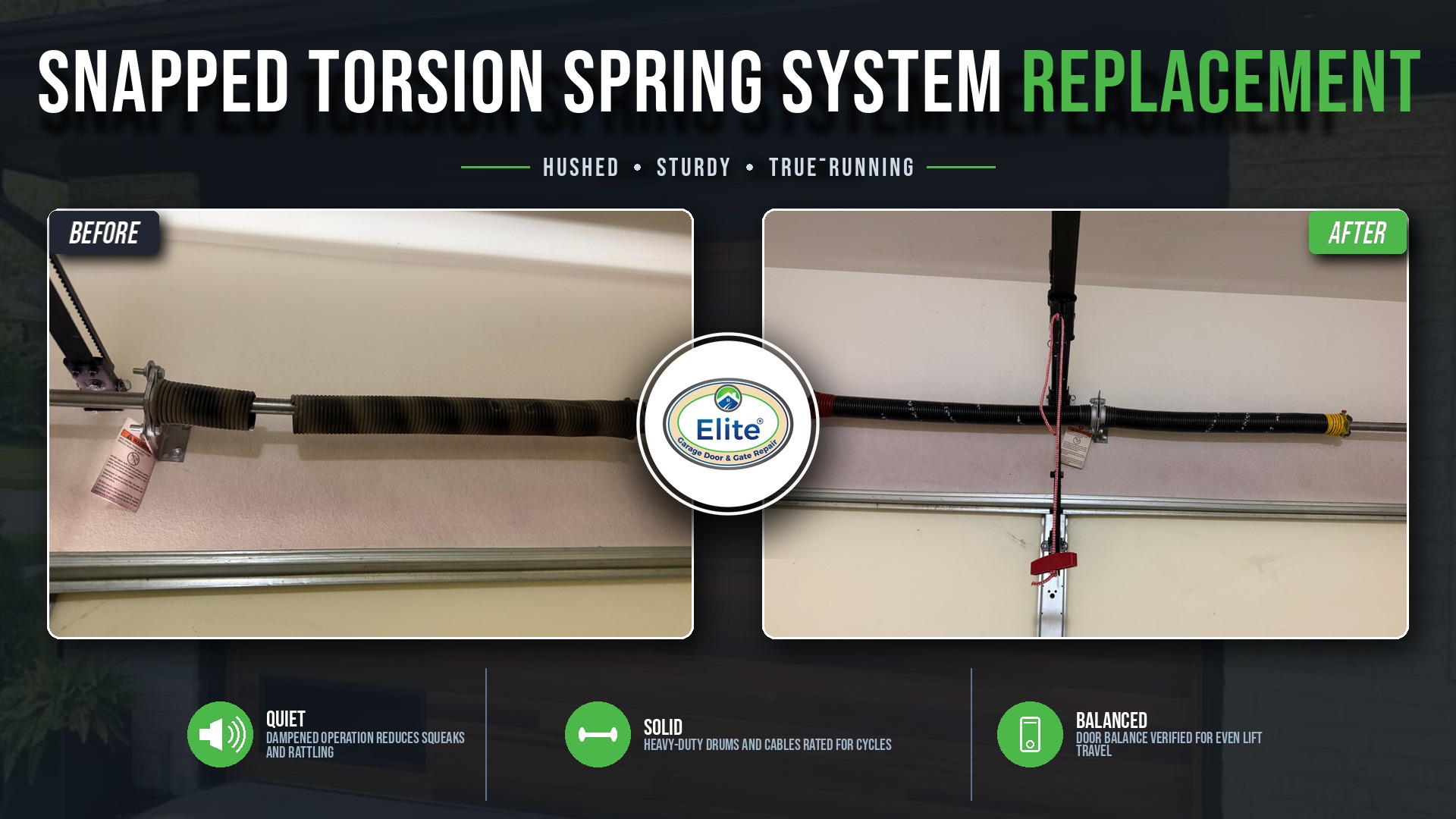
The garage door’s spring system does the heavy lifting, not the opener. When springs break, the opener can’t compensate for the sudden weight. Here’s how to check safely: with the door FULLY CLOSED, pull the red emergency release cord to disconnect the opener trolley, then try lifting the door about three feet off the ground and let go. A properly balanced door will stay in place. If it crashes down or feels like lifting a piano, you have a spring or cable problem.
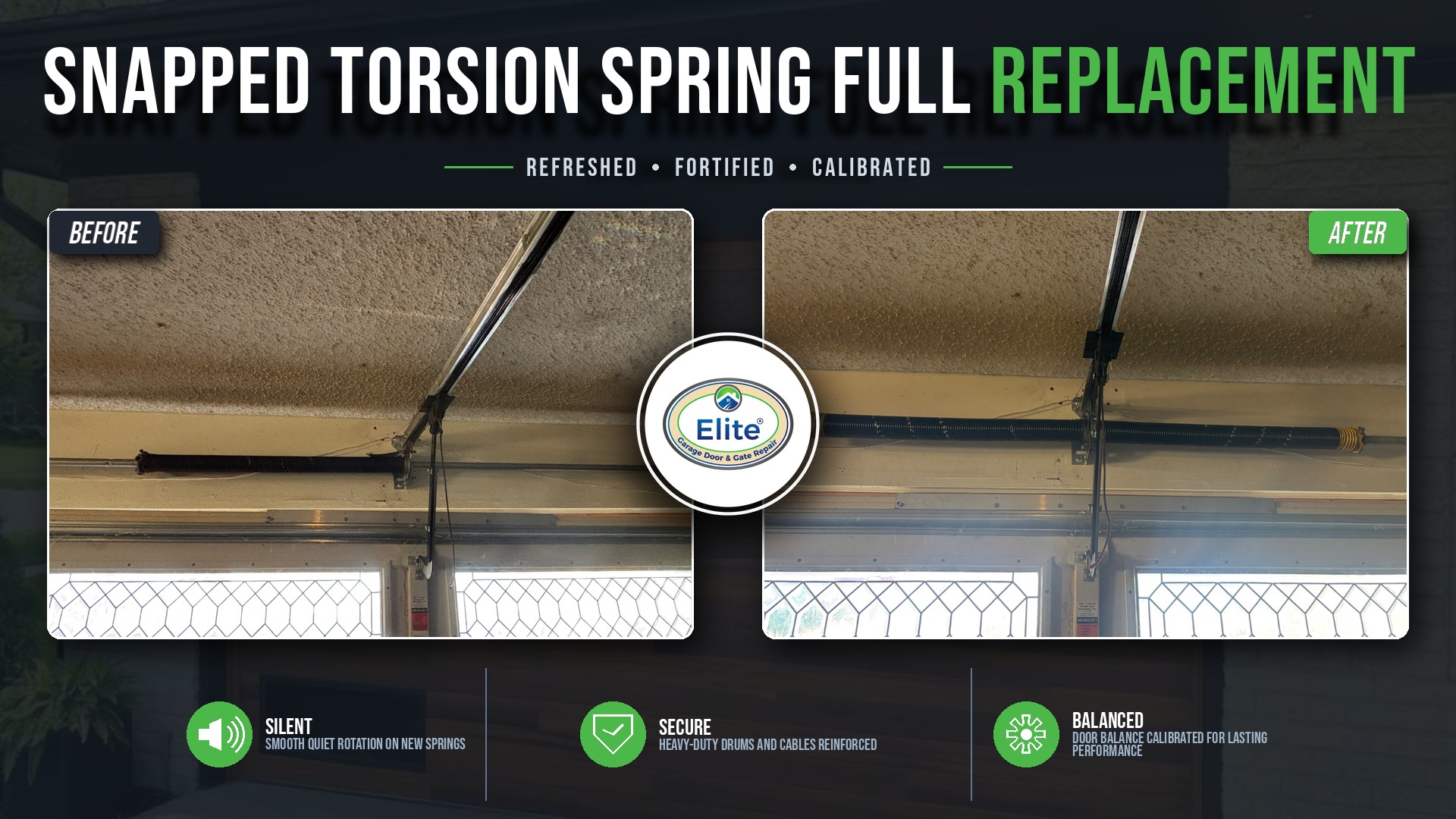
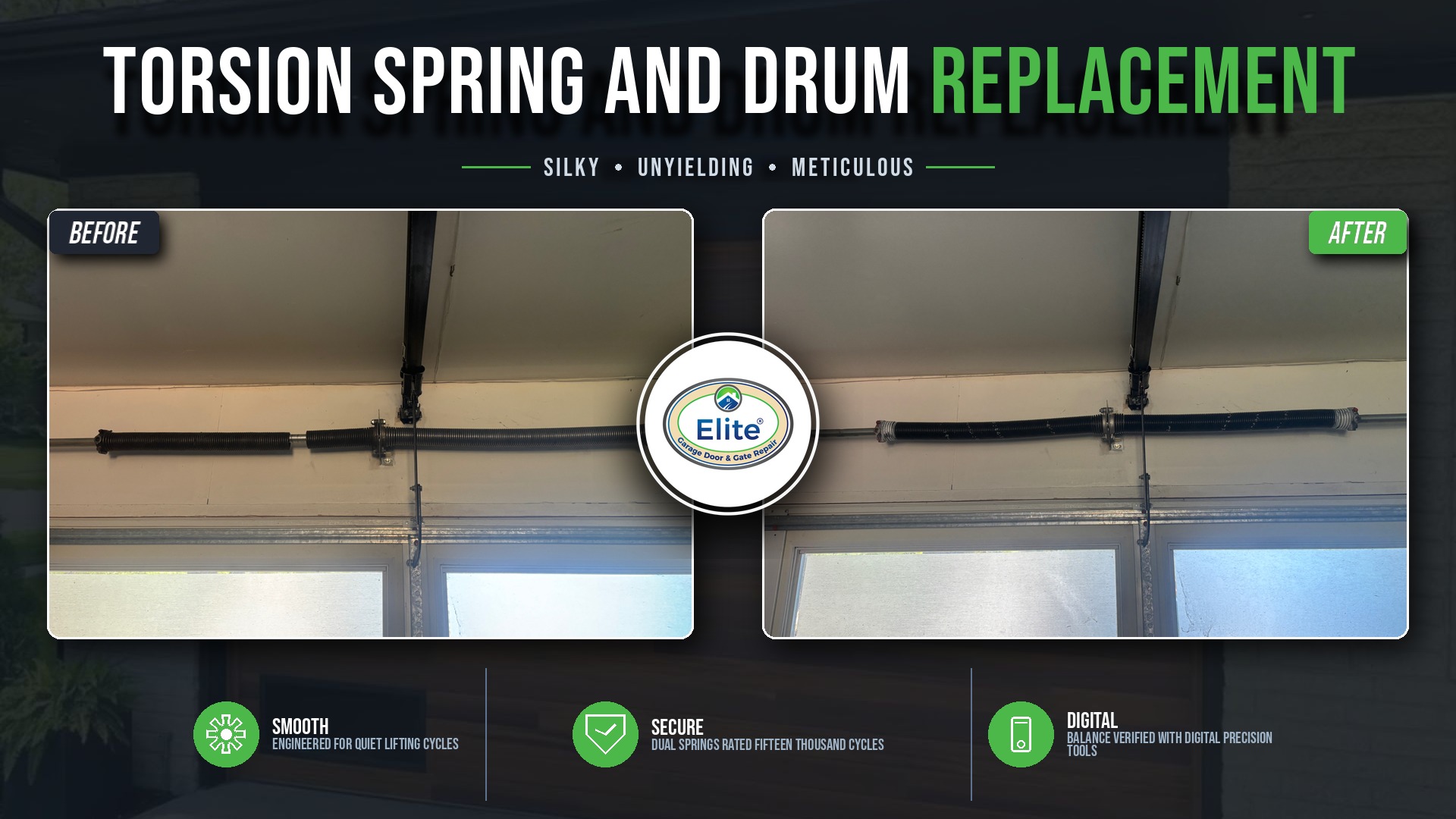
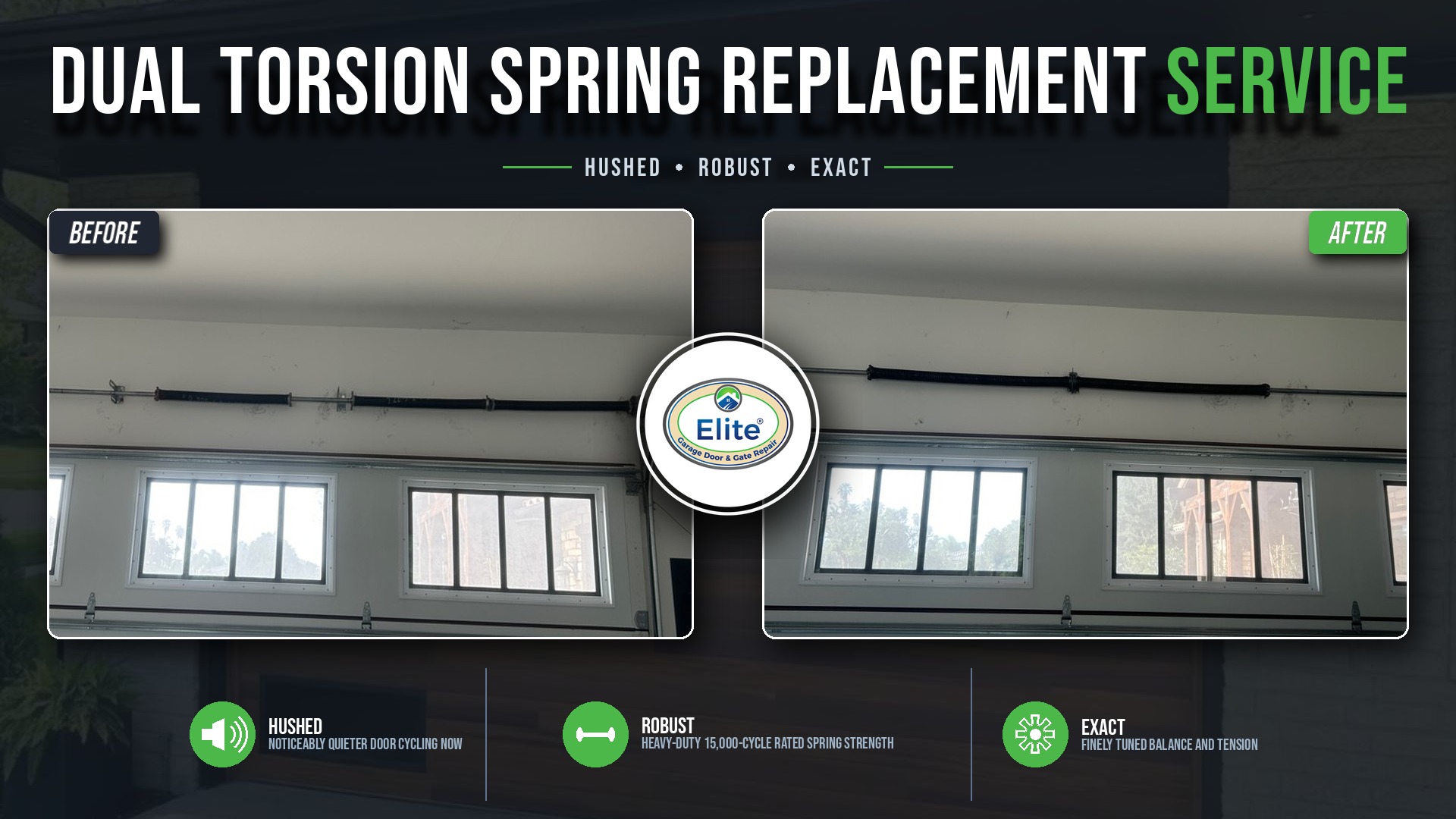
Look for visible signs near the top of the door. With torsion springs mounted on the header above the door, you might see a gap in the coil or hear a loud bang when they snap. Extension springs along the tracks may sag or show visible separation. Pacific Northwest wet winter months add stress to metal components, accelerating spring wear. If you spot any of these issues, you need professional Spring Repair immediately.
What Are the Signs of a Failing Opener?
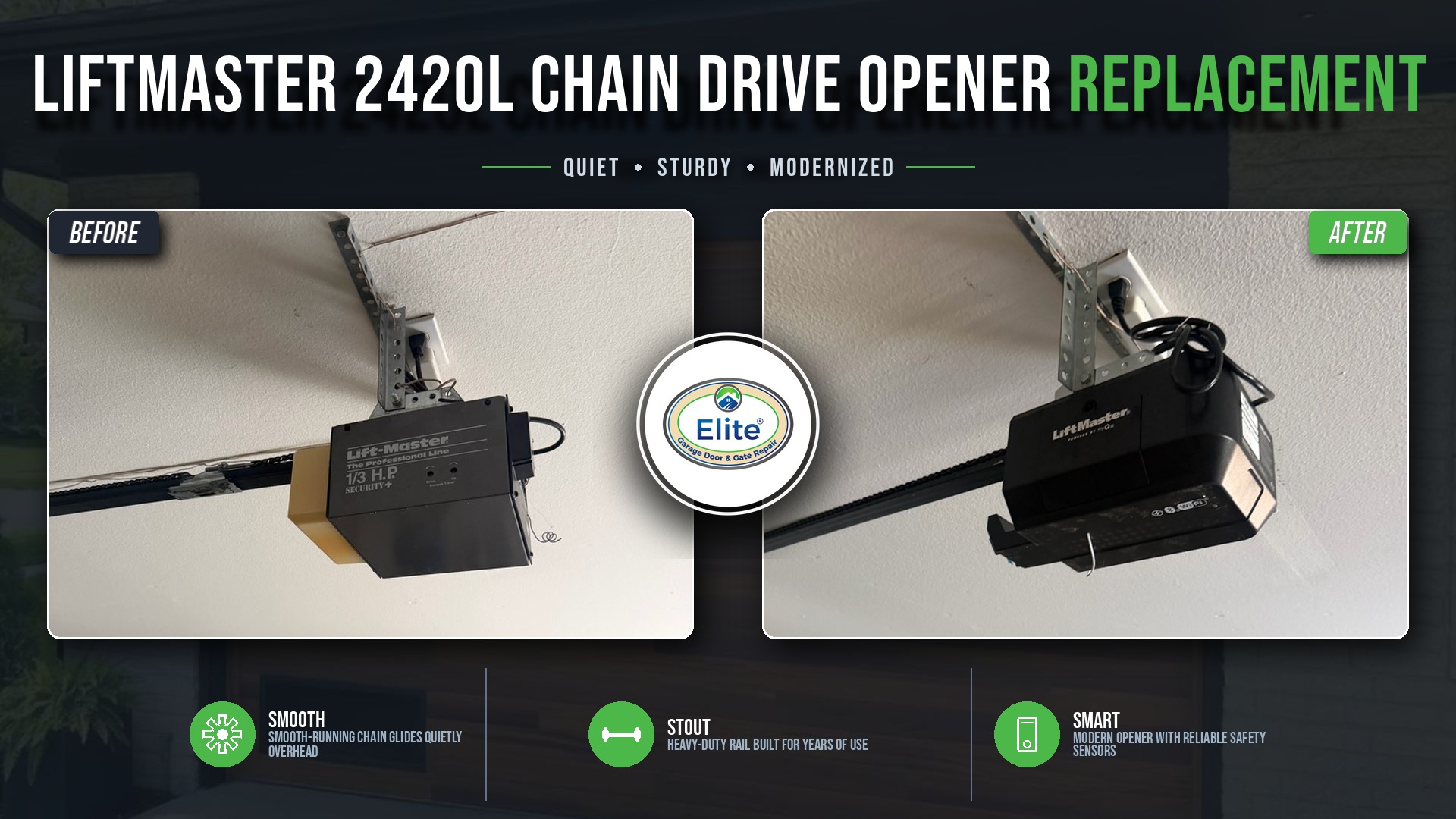
If the door lifts easily by hand and stays balanced, but won’t open with the remote or wall button, the opener is likely at fault. Common opener issues include:
Check the basics first: make sure the unit is plugged in, the circuit breaker hasn’t tripped, and the photo-eye sensors at the bottom of the tracks are aligned and clean. If those checks don’t solve it, the motor, circuit board, or drive mechanism may need professional Opener Repair.
Can Both the Door and Opener Be Broken at Once?
Yes, and it happens more often than you’d think. When a spring breaks, the opener struggles to lift the unbalanced weight and can burn out the motor or strip the drive gear. That’s why recognizing the warning signs early matters. If you notice your door moving slower than usual, making unusual noises, or hanging unevenly, don’t ignore it. These symptoms often appear in our 9 Signs Of Broken Garage Door Springs and signal that professional inspection is overdue.
In Seattle, where moisture and temperature swings affect metal components year-round, both systems can deteriorate simultaneously. A full system check can catch secondary damage before it becomes a bigger repair bill, protecting both your door and your opener from cascading failures.