

When a garage door opener starts acting strangely, refusing to respond, losing connection to the remote, or behaving inconsistently, resetting it is often the first thing homeowners want to try. And in many cases, a reset really can help. It can clear minor glitches, restore normal operation after a power outage, and allow you to reprogram remotes or keypad codes cleanly.
The important part is knowing what kind of reset you actually need. Some situations call for a simple power reset. Others require clearing the opener’s memory and re-learning remotes. And if the problem is mechanical rather than electronic, resetting won’t fix anything, it will just delay the real solution.
If you’re dealing with a security concern or old devices you don’t recognize, a full reset can be the right move. If you’re dealing with a door that won’t move because it’s heavy or stuck, resetting is usually not the answer.

Know The Difference Between A Power Reset And A Full Reset
Step One: Try A Simple Power Reset First
Before touching any programming buttons, start with the simplest reset.
Unplug the opener from power, wait about 30 to 60 seconds, then plug it back in. This gives the control board time to fully discharge and restart. After reconnecting power, test the wall button first, then the remote.
This small step often fixes problems caused by electrical glitches. It is also low risk because it does not erase your remote programming.
If you are dealing with a completely unresponsive opener, this FAQ may help you narrow down whether the issue is power, sensors, or internal failure: Why Will My Garage Door Opener Not Operate
Step Two: Locate The Learn Button And Understand What It Does
If a power reset doesn’t help and the issue seems related to remotes or keypads, the next step involves the opener’s “Learn” button.
Most garage door opener brands have a Learn button located on the back or side of the motor unit, often near the wiring terminals or light cover. This button is what allows the opener to store remote controls, keypads, and sometimes vehicle built-in buttons.
Pressing and holding the Learn button for a few seconds may erase stored remotes and keypad codes, depending on the brand and model. A quick press usually puts the opener into programming mode so you can pair devices again.
Because the exact behavior varies by opener type, homeowners often accidentally erase remotes when they only intended to re-pair one. That’s why it’s important to know whether you are doing a full reset or simply entering program mode.
If you want professional help with opener electronics, pairing issues, or reliability problems, Garage Door Opener Repair is the best fit service page.
Step Three: Reprogram Remotes And Keypads After A Full Reset
If you performed a full reset and cleared the memory, you will need to reprogram your remotes and keypad.
The general process is:
For keypads, the steps vary, but usually involve entering a PIN and confirming with a button press while the opener is in learn mode.
If your remote works inconsistently even after reprogramming, the issue might not be programming at all. It could be signal interference, failing electronics, or early mechanical strain. In those cases, troubleshooting may need to go deeper.

Resetting Won’t Fix A Door That Is Heavy, Unbalanced, Or Binding
Resetting Won’t Fix A Door That Is Heavy, Unbalanced, Or Binding
If the garage door feels heavy, moves unevenly, or jams, the opener may stop operating to protect itself. That is not a programming error. That is the system telling you something is mechanically wrong.
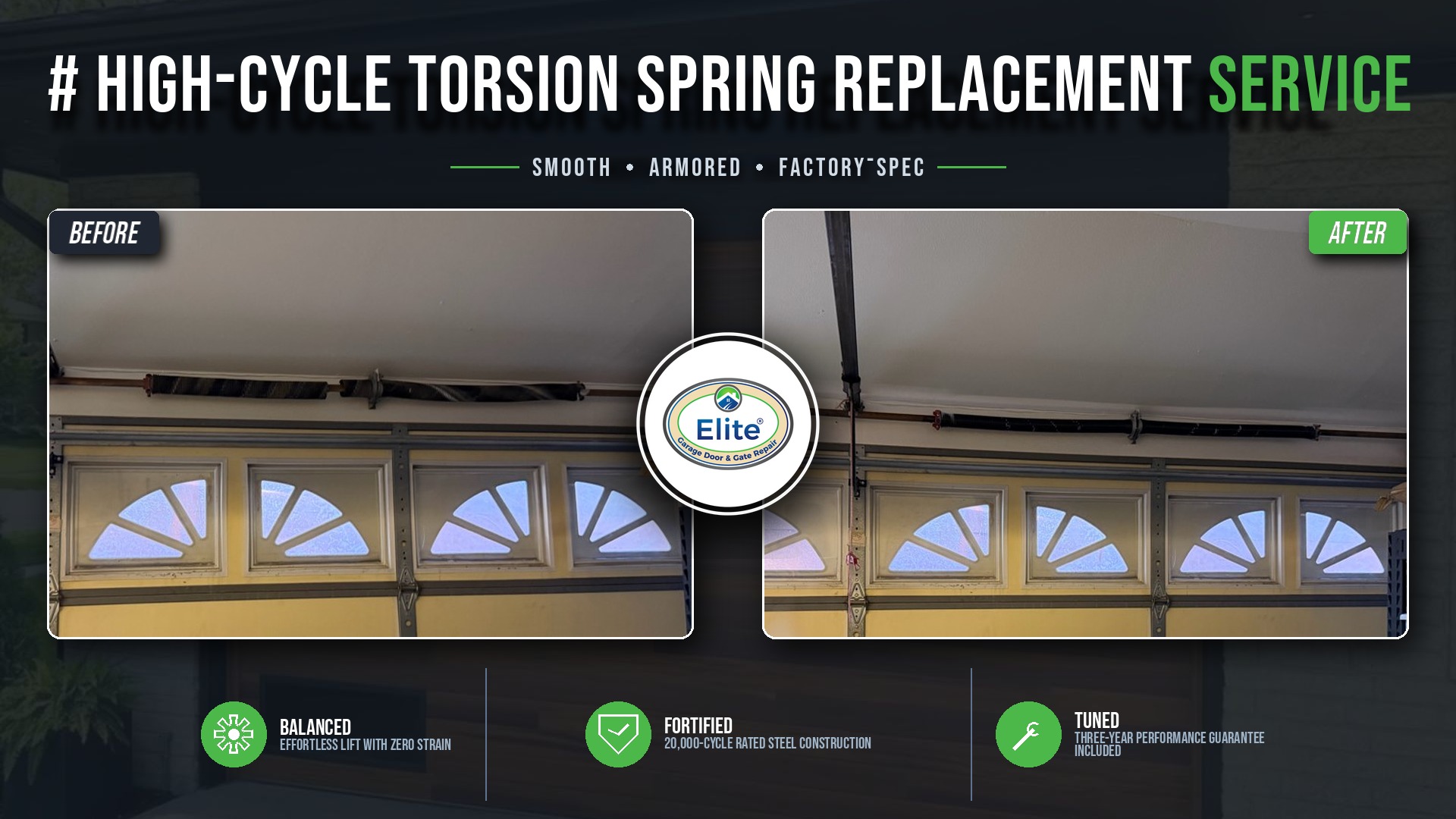
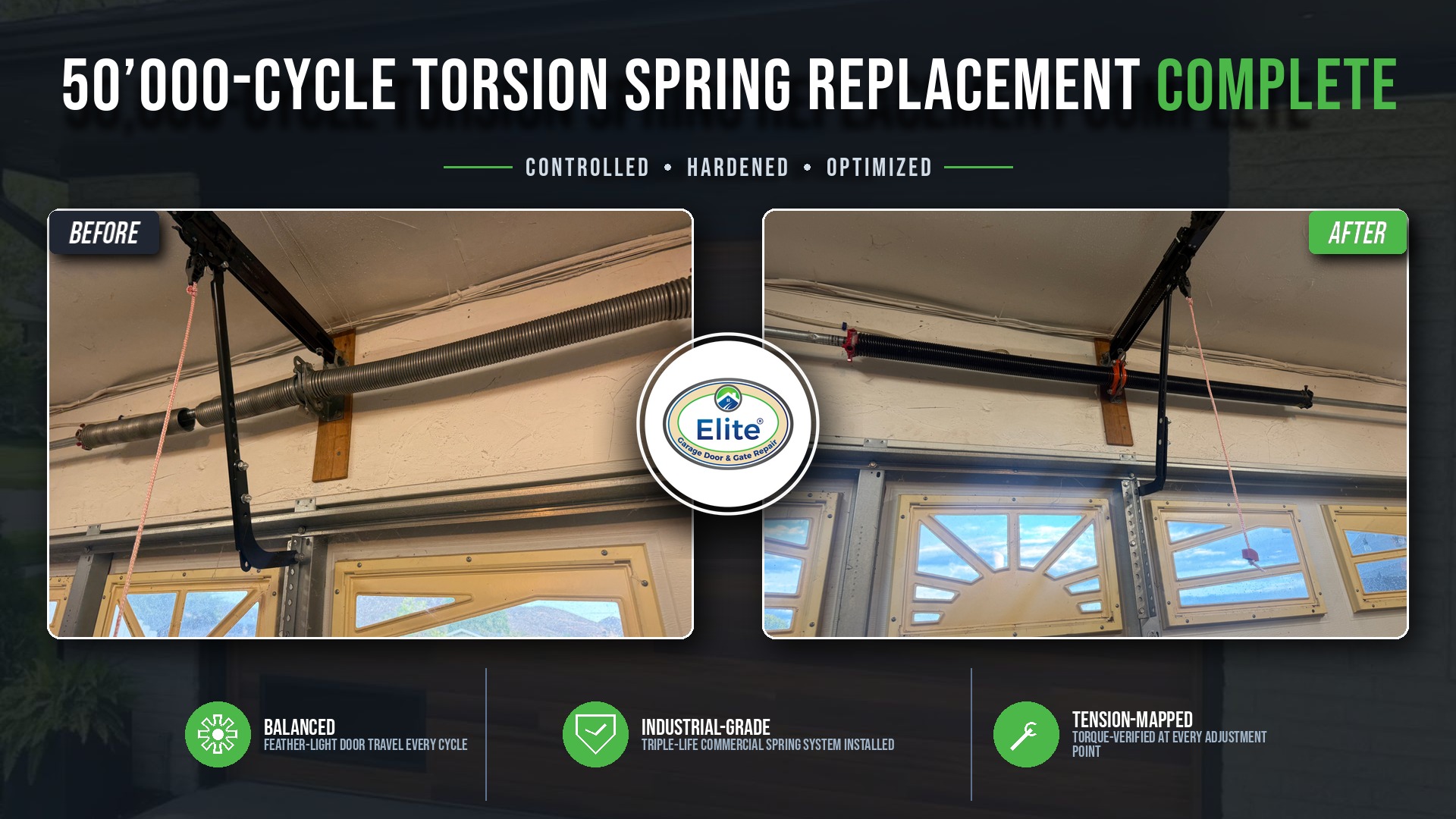
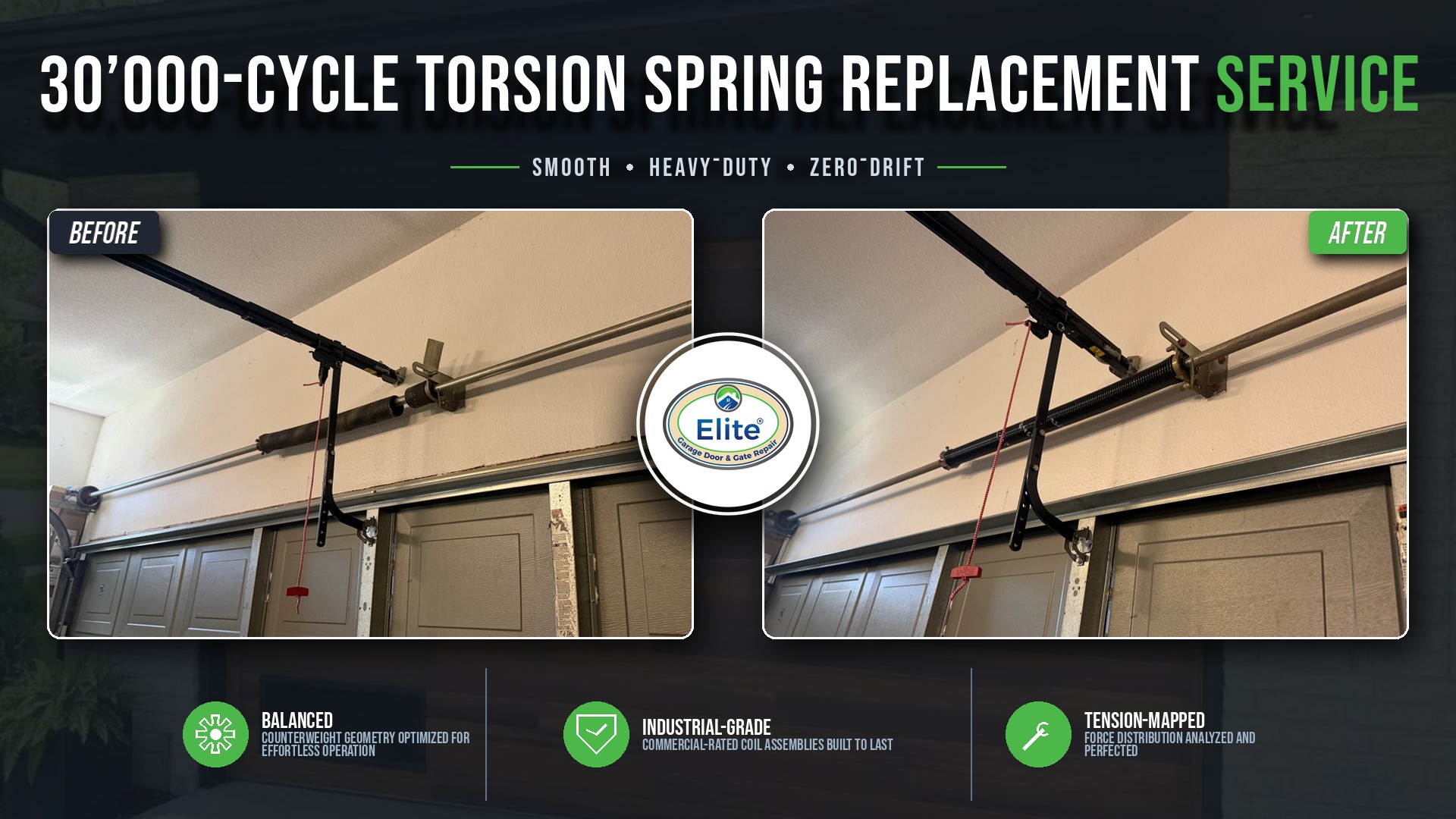
Spring issues are a common cause. If the door feels heavier than normal when lifted manually, you likely need Garage Door Spring Repair before the opener can function normally.
Track friction and hardware resistance also affect opener behavior. A door that binds forces the opener to work harder and can trigger safety reversals. Preventive care matters.
Routine Garage Door Maintenance helps keep the door moving smoothly so the opener doesn’t get stressed or shut down.