
Garage door openers are not silent machines. A little hum, a steady motor sound, and some rolling noise from the door moving through the tracks is normal. But when the opener suddenly gets louder, starts grinding, rattling, squealing, or sounds like it’s struggling, homeowners usually feel it immediately.
It’s the kind of noise that makes you stop and listen, because it doesn’t sound right.
The tricky part is that “loud” can mean different things. Some noises are harmless and predictable. Others are early warnings that something is wearing out, misaligned, or under stress.
The safest approach is to treat new or changing noises as a message from the system. The opener is telling you something about the door, the hardware, or the motor itself.
Before guessing, it helps to separate opener noise from door noise. Many homeowners blame the opener when the real issue is friction in the rollers, hinges, or tracks. The opener is simply amplifying the problem because it’s the part you hear most clearly.
A simple way to narrow it down is to observe the sound and where it’s coming from. If the noise seems to travel along the tracks and changes as the door moves, the issue is often mechanical. If the noise is concentrated at the motor unit and sounds like grinding or struggling, the opener may be the source.
If your door is generally noisy during travel, routine Garage Door Maintenance is often the first step because lubrication and inspection reduce friction that forces the opener to work harder.


Noises That Are Often Normal (And Why)
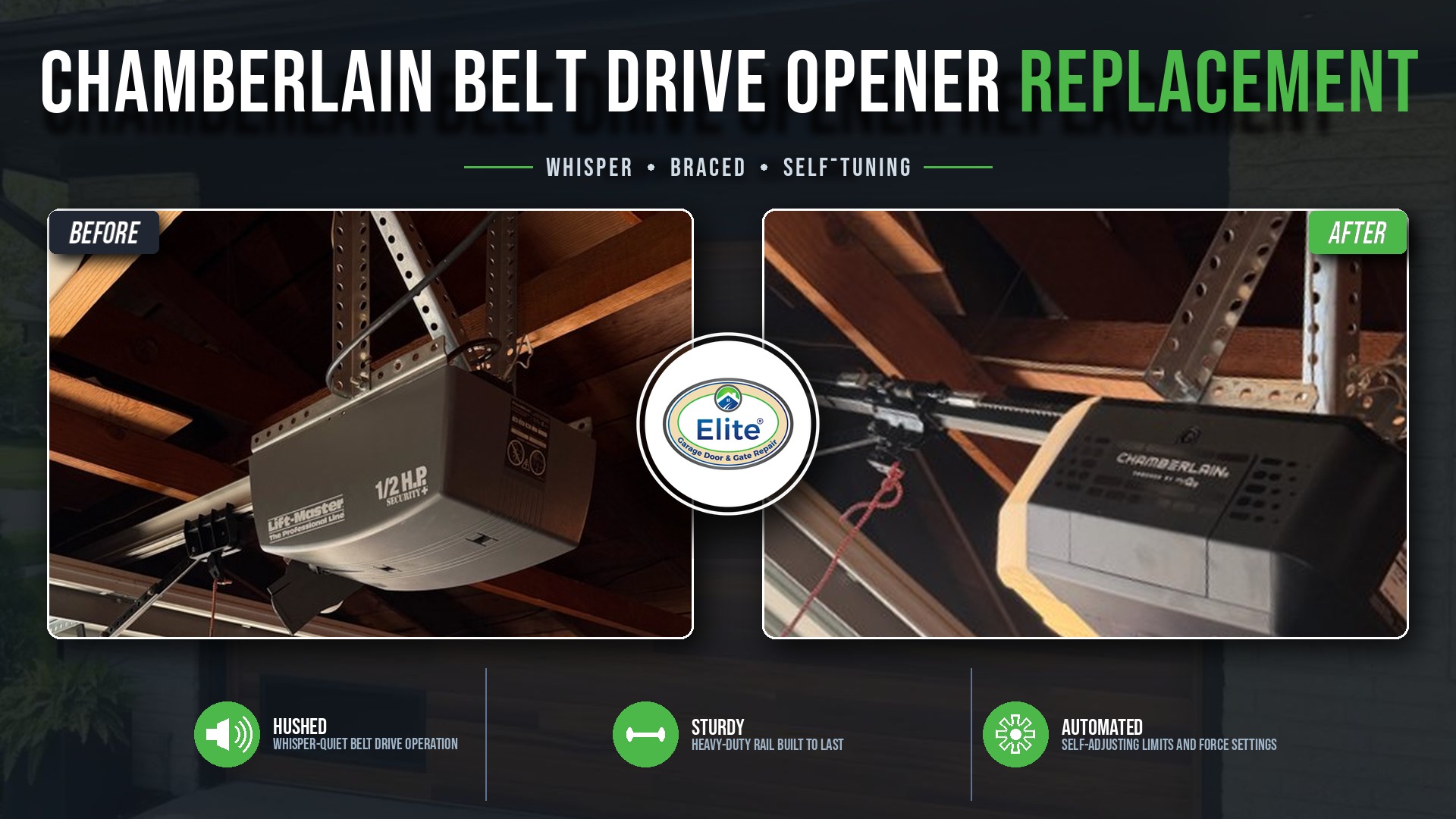
Some sounds are common, especially on older systems. A low motor hum is normal. A chain-drive opener will naturally be louder than a belt-drive opener. You may also hear a light click when the opener engages or stops, especially when the door reaches the top or bottom.
Seasonal changes can also make normal sounds more noticeable. Metal expands and contracts. Lubrication can thicken in colder months. A door that sounds fine in summer may sound rougher in winter even though nothing is “broken.” That’s why a baseline maintenance routine matters.
But normal does not mean ignore. If the sound is stable over time and the door moves smoothly, it’s usually not urgent. If the sound is new, sharper, or getting worse, that is when you should pay attention.
Noises That Usually Mean Something Is Wrong
Certain noises are strong indicators of a problem.
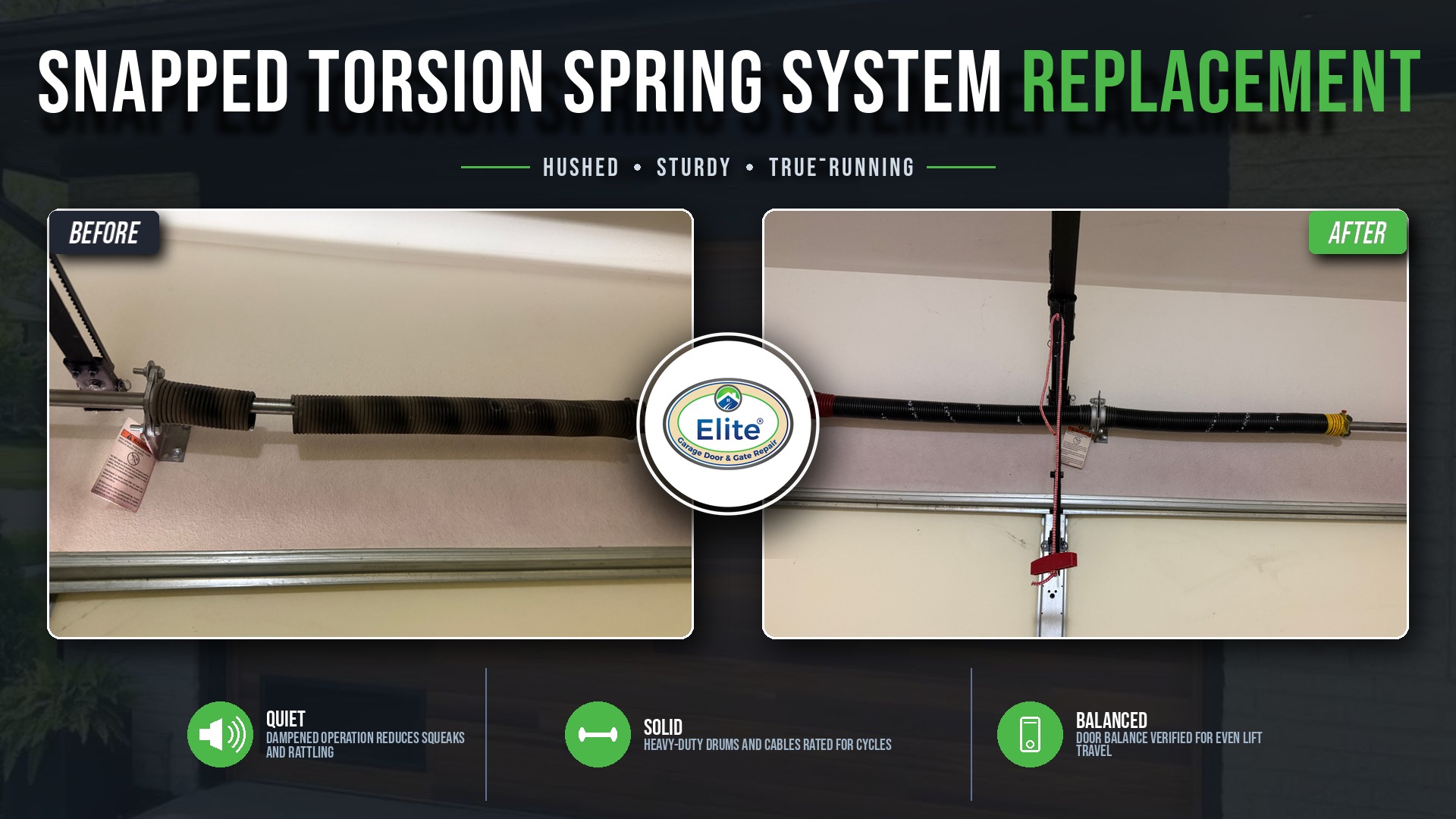
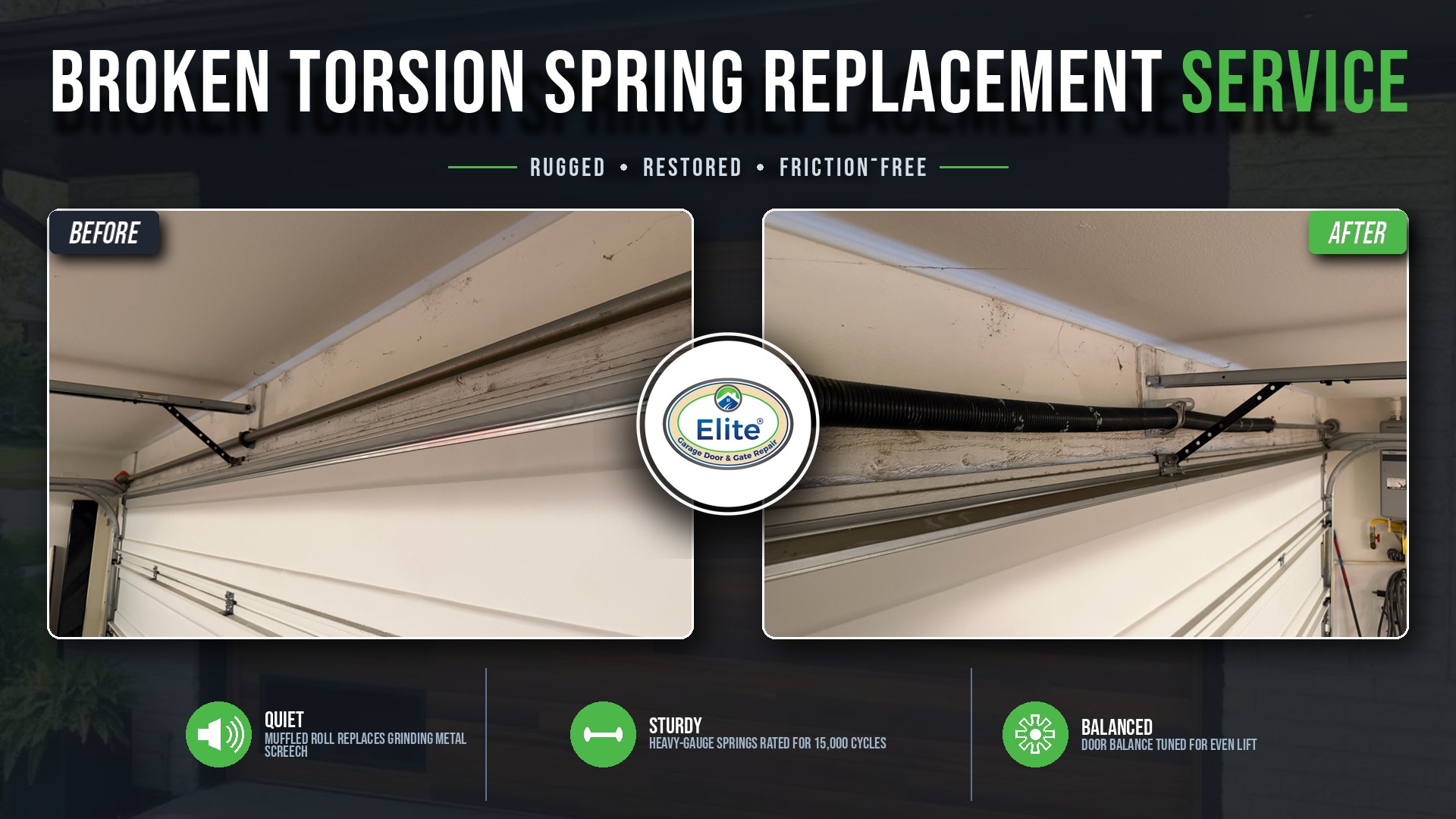
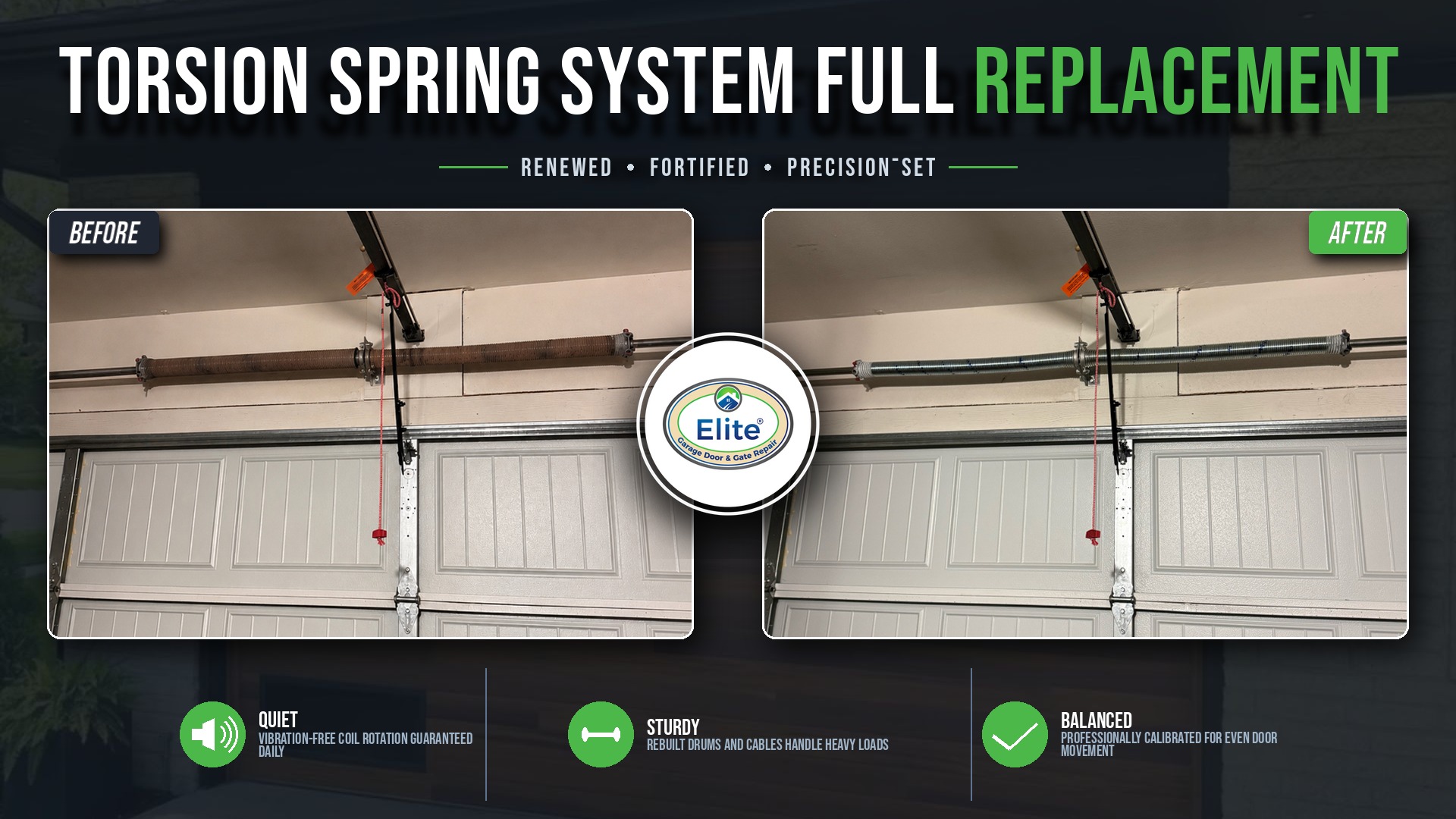
If you suspect the door is suddenly heavy or unbalanced, start with Garage Door Spring Repair because a struggling opener is often a symptom of spring problems, not the cause.
Why A Noisy Opener Often Means The Door Is Out Of Balance
One of the most common reasons an opener gets loud is that it’s working harder than it should. A properly balanced garage door should feel relatively light when lifted manually. The opener’s job is to guide the motion, not fight the weight.
When springs weaken over time, the door becomes heavier. Many openers will still lift it for a while, but you will hear the strain. The motor sounds deeper, slower, or rougher. This is the stage where homeowners often keep using the door because it “still works,” but the opener is slowly taking damage.
If you want to understand the difference between spring systems and why balance changes over time, this guide connects well: Torsion Springs Vs Extension Springs

When You Should Call For Opener Repair
If the noise is clearly coming from the motor unit, if the opener is hesitating, stopping mid-travel, or you hear grinding that sounds internal, it’s time for professional evaluation. Internal opener problems can worsen quickly, and ignoring them can lead to complete failure.
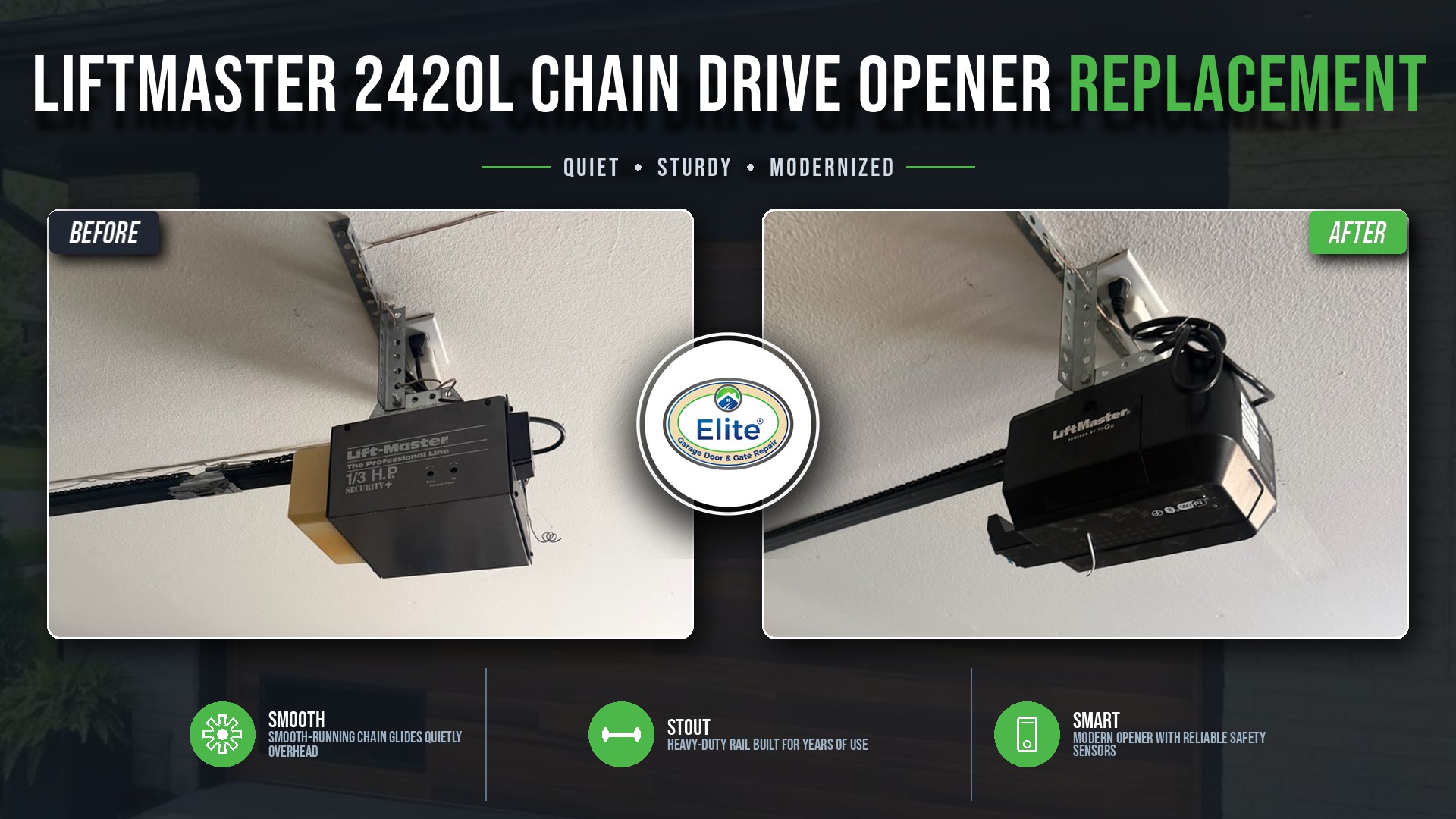
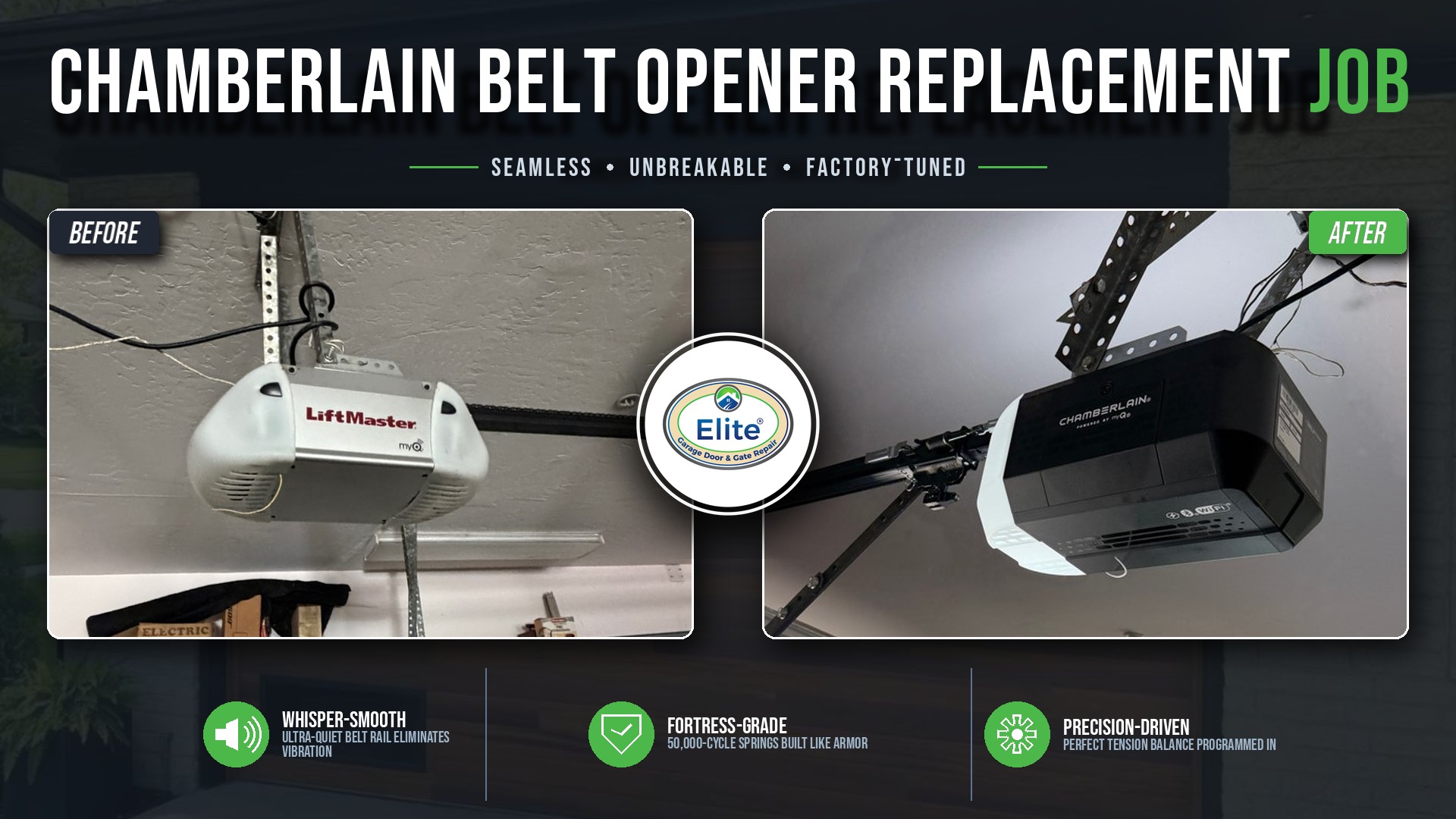
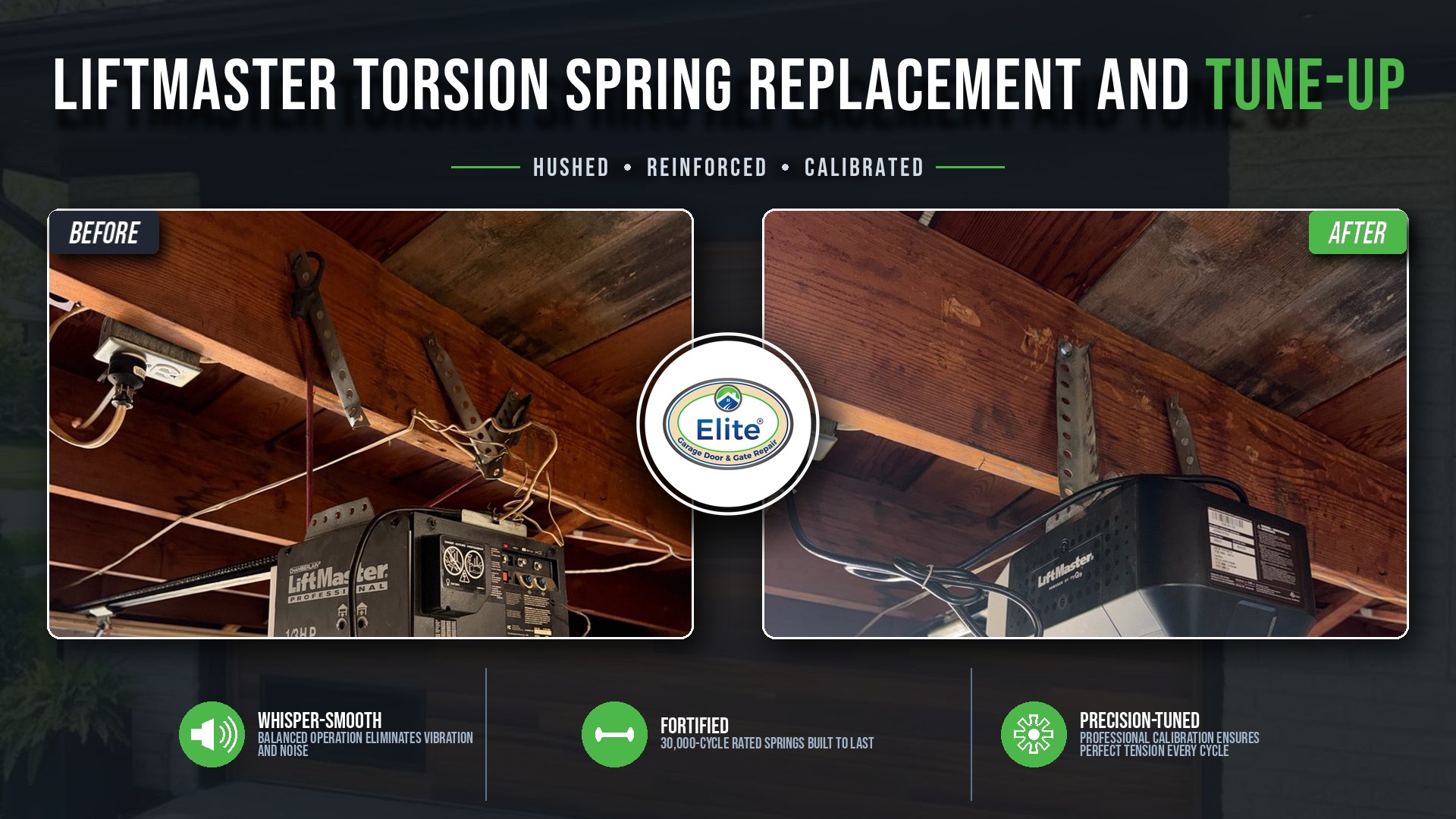
In those cases, Garage Door Opener Repair is the right service because the technician can determine whether the issue is mechanical strain, electronics, worn gears, or mounting problems.