

It’s one of the most confusing garage door problems because it feels backwards. The door opens like normal, the opener sounds fine, and everything seems okay, until you try to close it. You hit the remote, the door starts coming down, then stops, reverses, or does nothing at all.
In some cases it closes partway and pops right back up, almost like it sensed something that isn’t there.
When a garage door opens but won’t close, the cause is usually not the motor “getting weak.” Most of the time, it’s a safety feature doing exactly what it was designed to do, or a small issue creating just enough resistance to trigger a reversal.
The fastest way to solve it is to work through the likely causes in the right order, starting with the things that are most common and easiest to confirm.
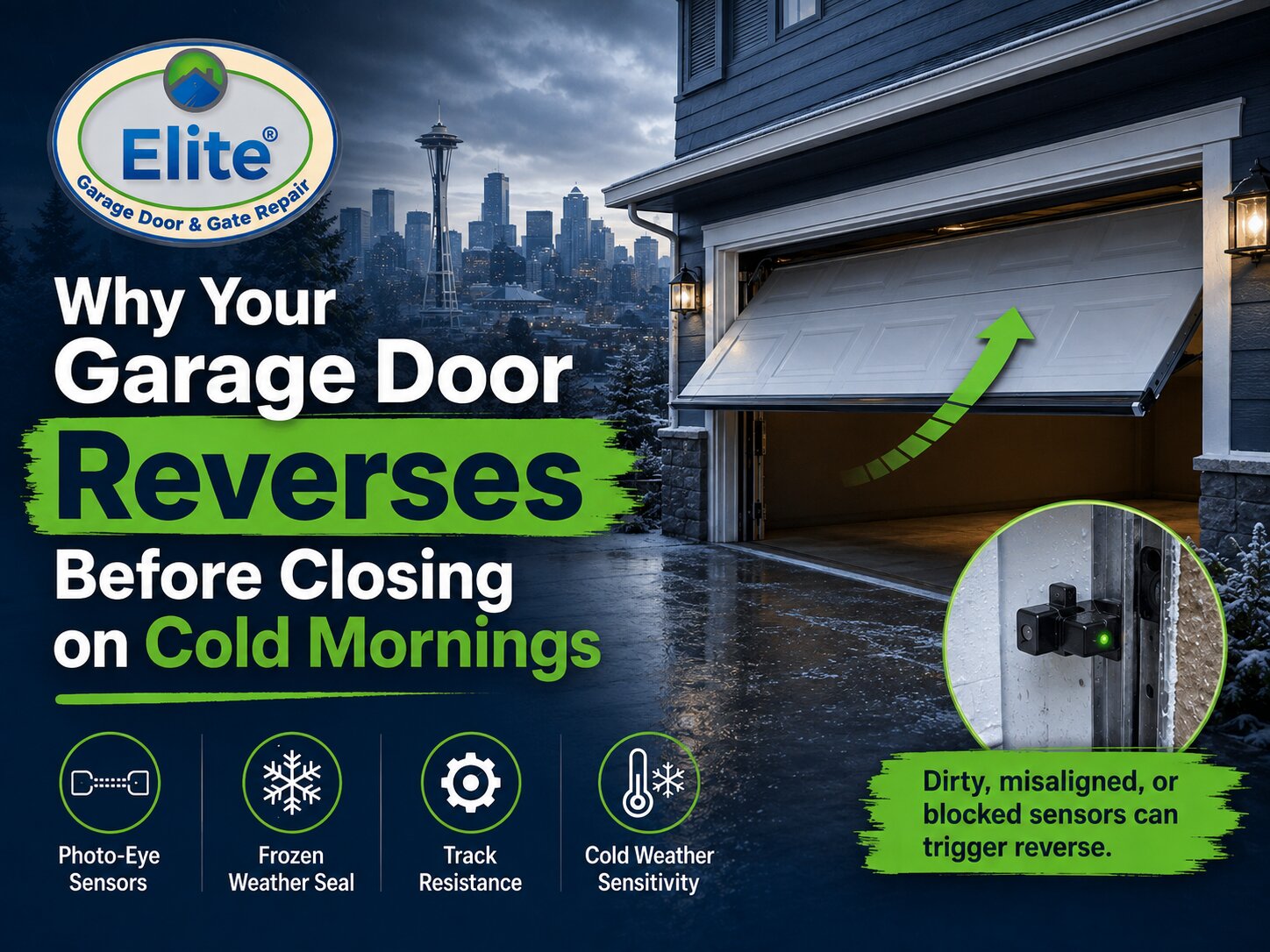
If your garage door opens reliably but refuses to close, the safety sensors should be your first suspect. These sensors sit near the bottom of the tracks and send an invisible beam across the door opening. If the beam is blocked, misaligned, or unstable, the opener often refuses to close the door to prevent injuries or damage.
A few real-life things commonly trigger sensor problems. A kid’s ball rolled into the path. A trash bin is slightly in the way. A spider web or dust buildup is covering one lens. Sunlight hits the sensor at the wrong angle during certain hours. Even a tiny bump from a broom or a bicycle tire can knock a sensor out of alignment.
If you want the deeper diagnostic guide that covers the most common sensor and control causes, start with Why Will My Garage Door Opener Not Operate.

The Opener May Be Detecting Resistance Or An Imbalance
Another common reason the door won’t close is that the opener senses resistance and triggers a safety reversal. This can happen when the door is out of balance, the tracks are binding, or the door hardware is creating extra friction during closing.
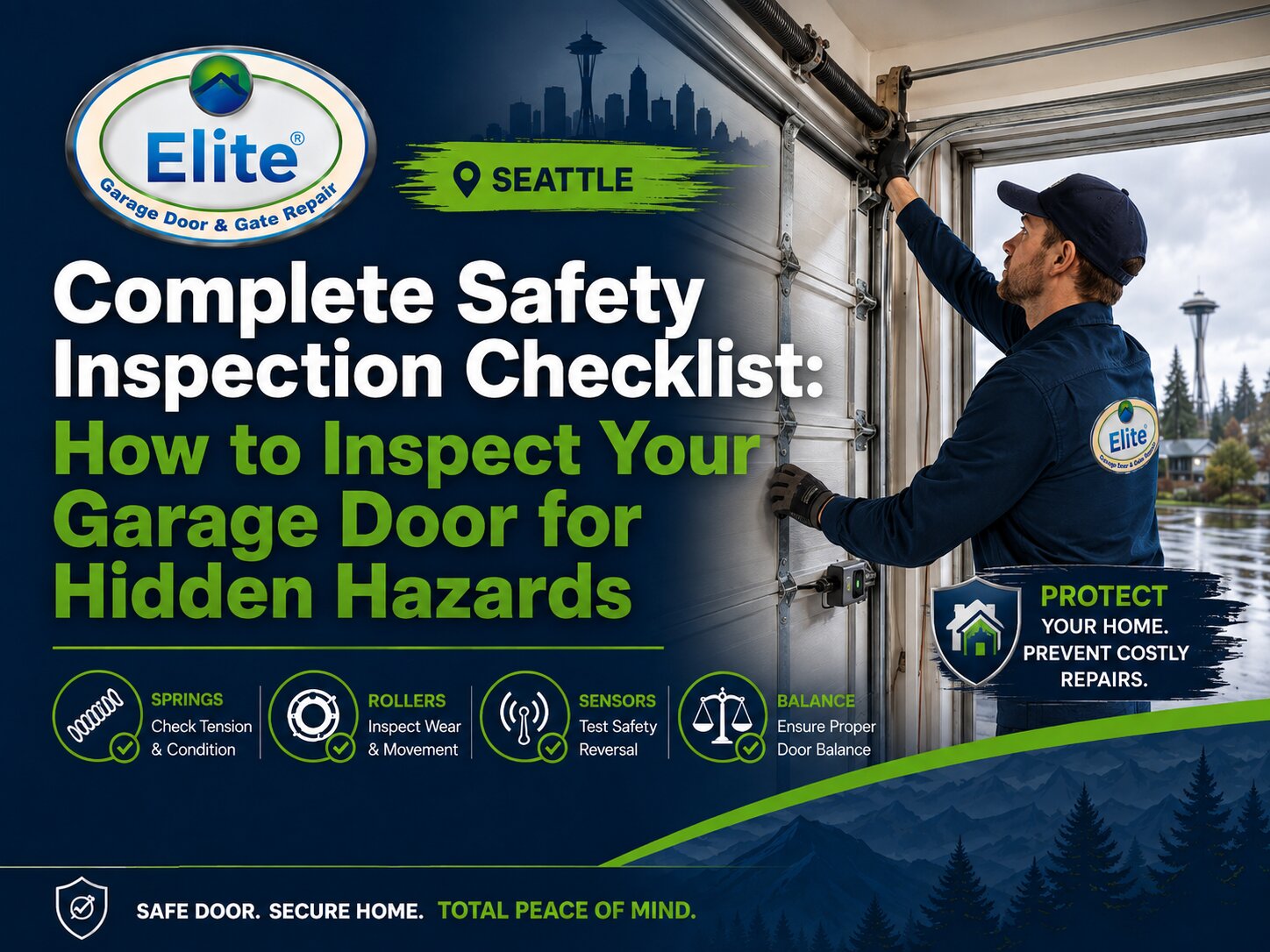
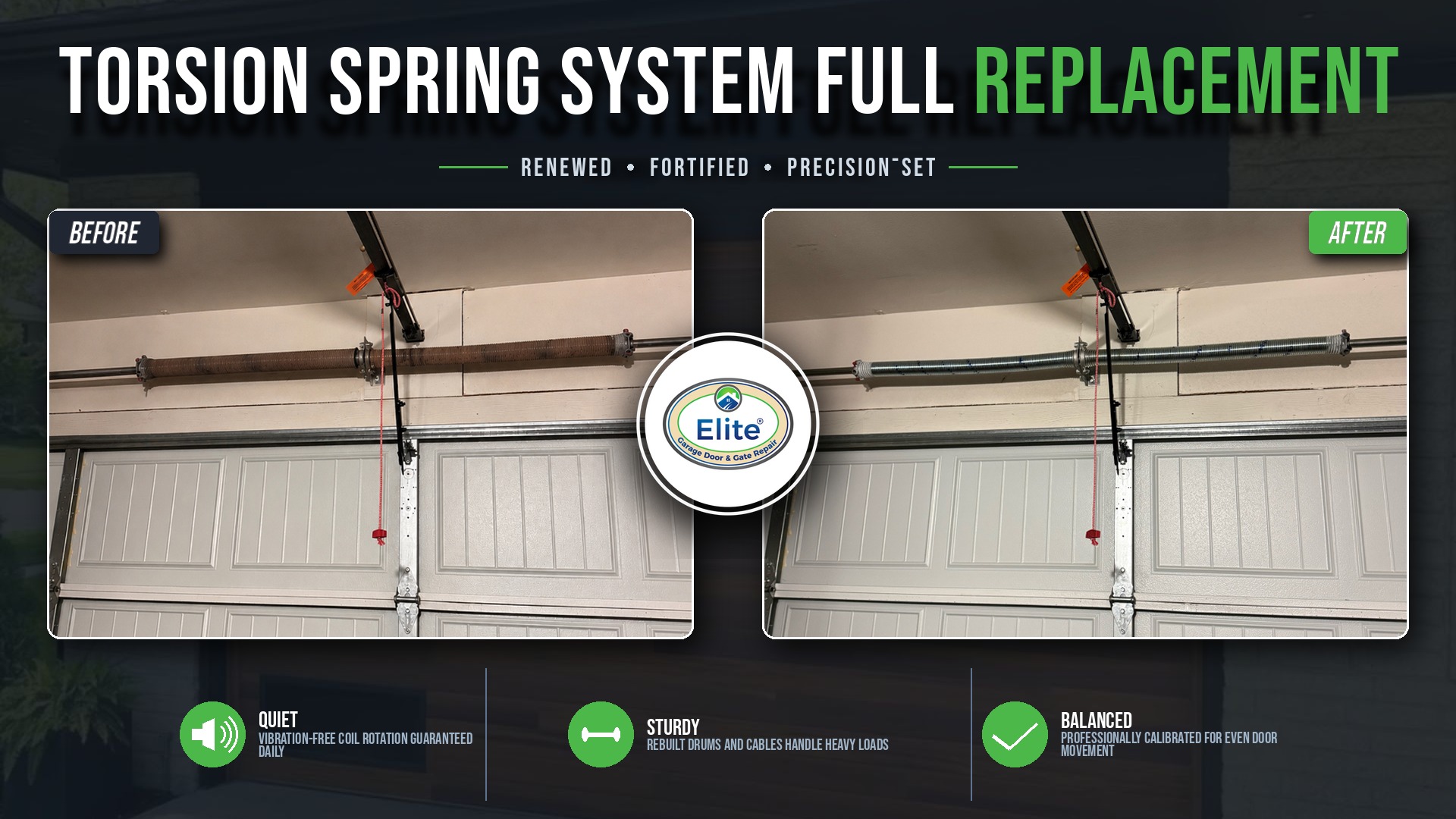
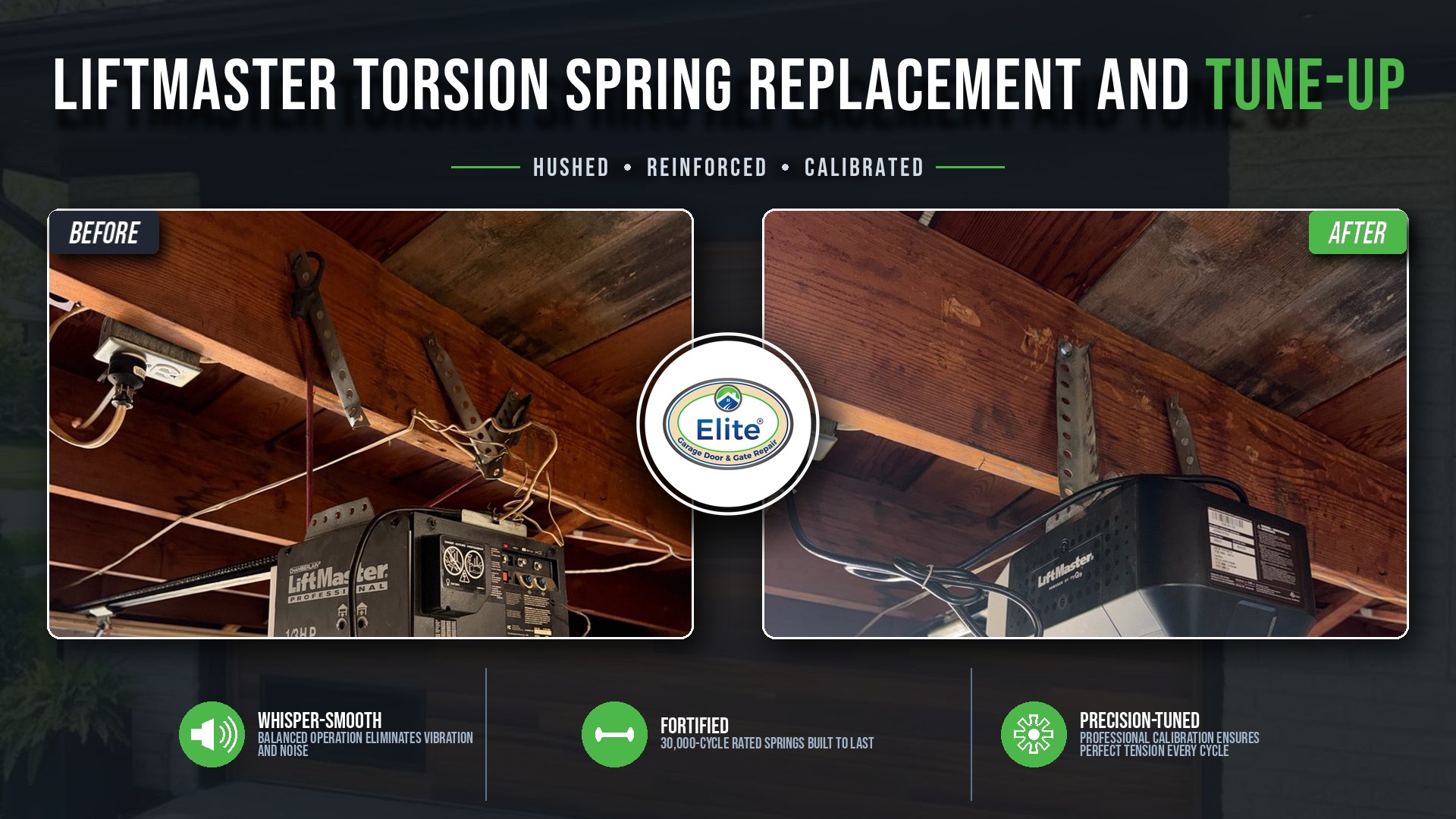
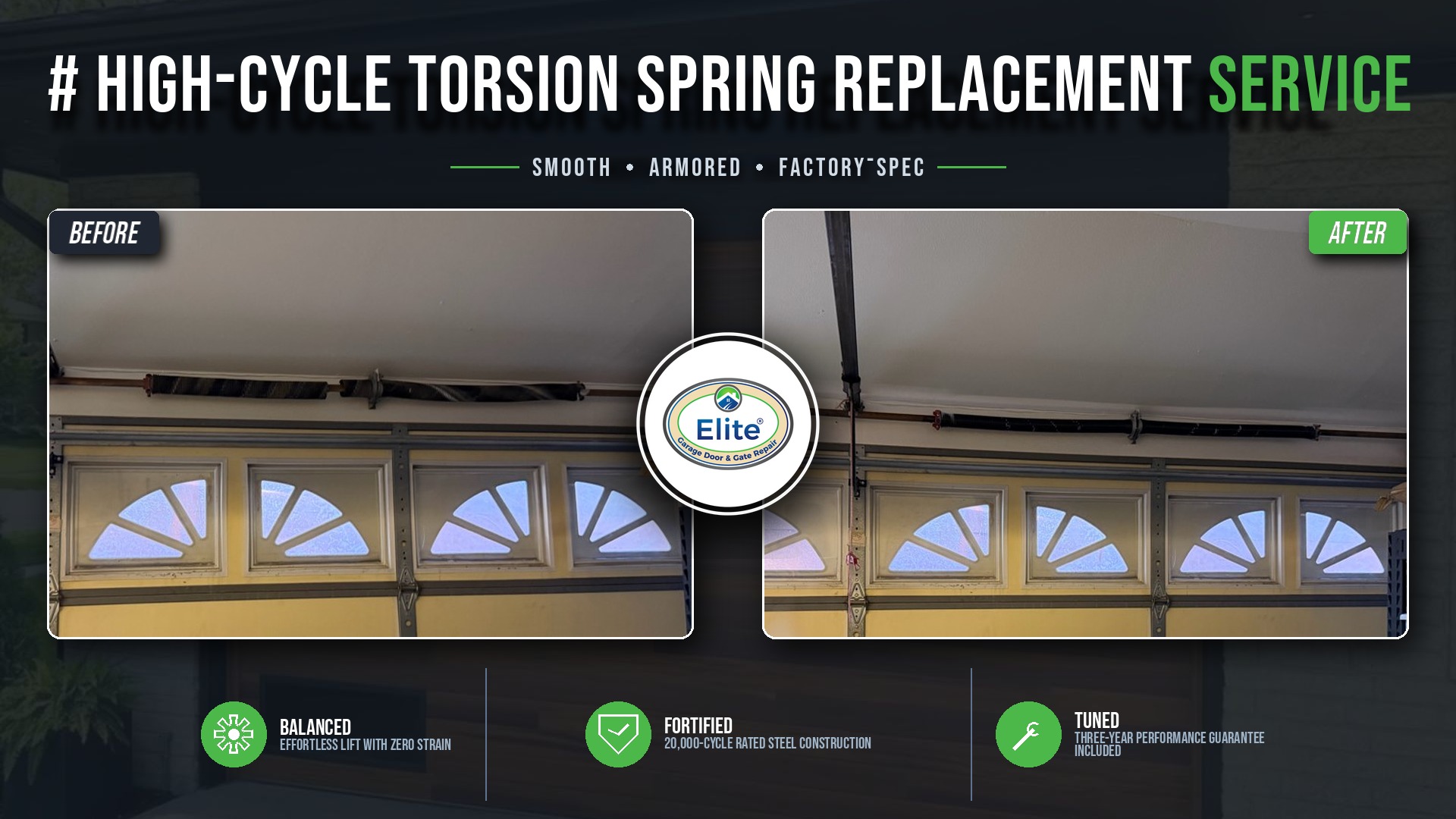
Springs play a bigger role here than most homeowners realize. Springs are not only about lifting, they also stabilize movement and keep the door balanced through the entire travel range. When springs are worn, incorrectly sized, or beginning to fail, the door can behave unpredictably, and the opener may refuse to close it smoothly.
If the door feels heavy, jerky, or uneven when you try to move it manually, the correct next step is Garage Door Spring Repair.
Track And Roller Problems Can Stop Closing Midway
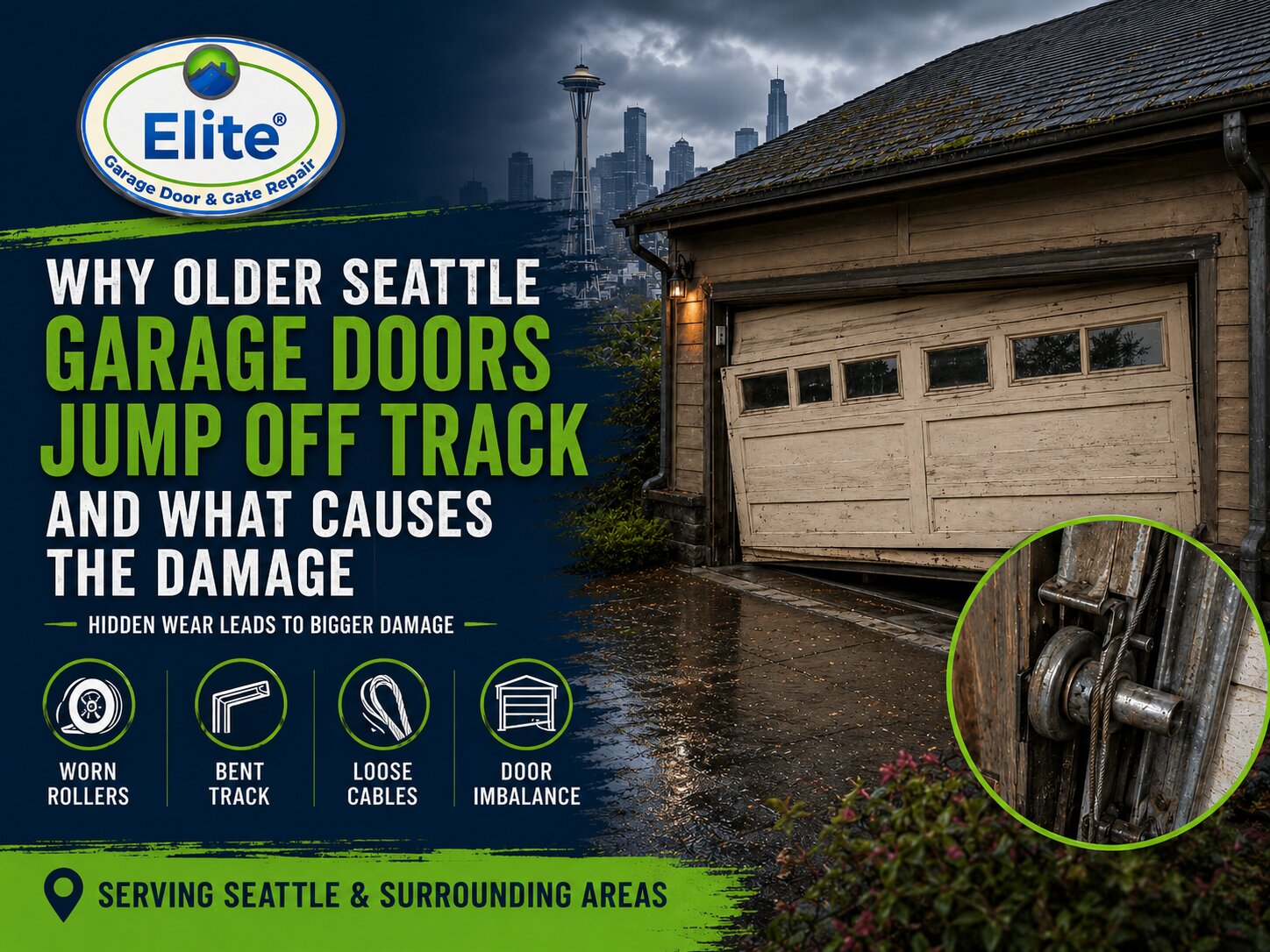
Sometimes the opener and sensors are fine, but the door physically cannot travel smoothly. Rollers can wear down, tracks can develop small dents, or brackets can loosen over time. A door can open fine because gravity assists the down-cycle differently, but it can bind during closing when alignment changes slightly.
If you hear grinding, rubbing, or see the door wobble as it comes down, it’s worth checking whether rollers are worn or shifting. In some cases, replacing rollers restores smooth travel and prevents repeated reversal events.
If you suspect roller wear, this service page connects directly: Replacement Rollers.

Opener Settings Can Be Incorrect Or Drifting Over Time
Openers use force and travel settings to determine how far to move the door and how much resistance is considered “normal.” If these settings are off, the opener may interpret normal closing pressure as an obstruction and reverse.
This sometimes happens after hardware changes, seasonal shifts, or door weight changes. It can also happen after a spring replacement if the door balance changes but the opener settings were never adjusted accordingly.
If the opener is running but not closing correctly, or the behavior seems like a settings issue, professional evaluation through Garage Door Opener Repair is usually the safest and fastest route, because adjusting force incorrectly can create safety risks.
How To Keep The Problem From Coming Back
The best long-term fix is not just getting the door to close once. It’s making sure the system stays stable. Sensor lenses should stay clean, hardware should stay tight, rollers should stay smooth, and the door should remain properly balanced.
A garage door that is maintained regularly tends to close more consistently because the opener doesn’t have to fight friction or imbalance. If you want the preventive approach that reduces these repeat issues, Garage Door Maintenance is the most direct internal resource to follow.