


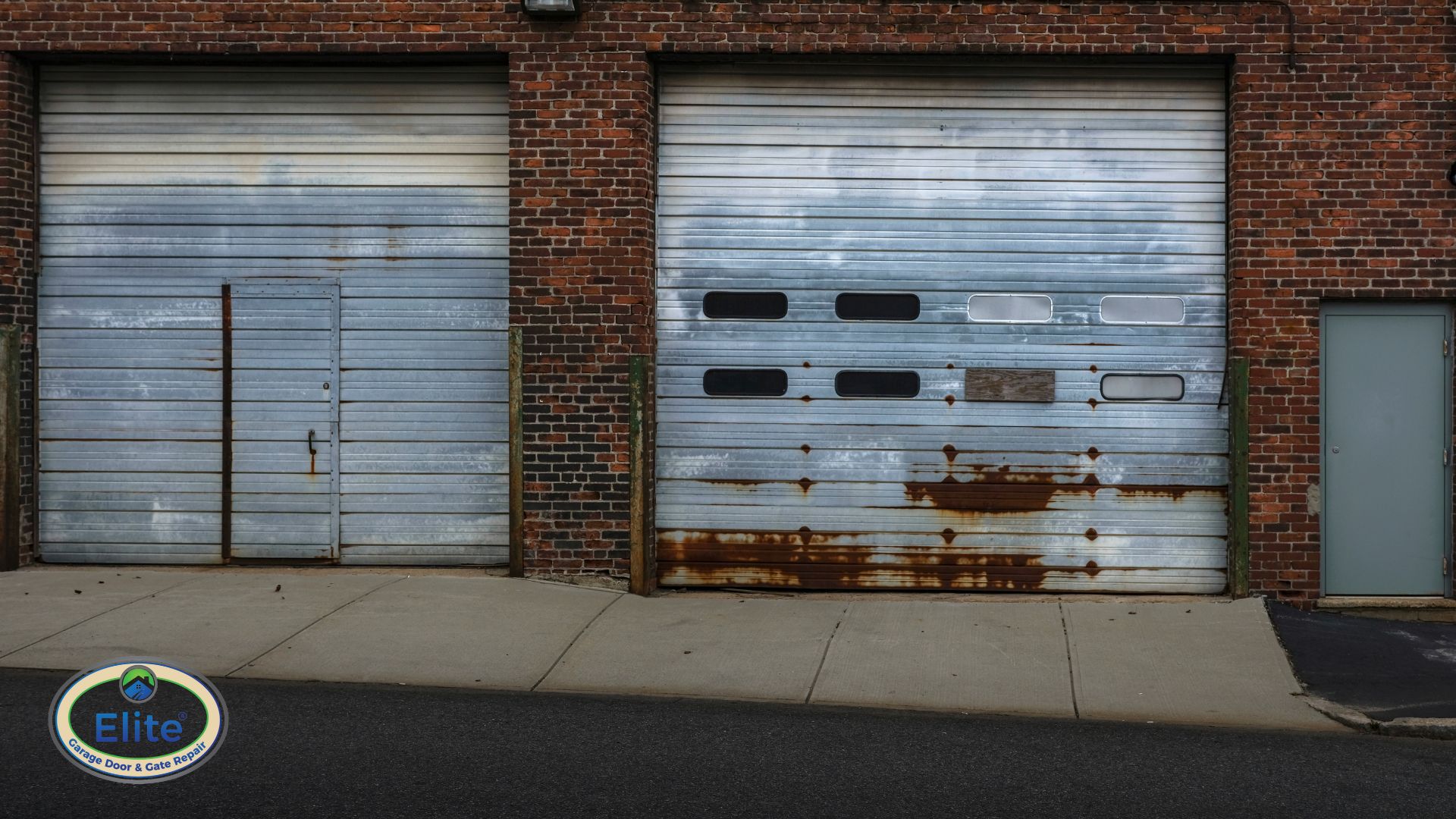
Homeowners replace garage door openers all the time, but replacing the opener doesn’t always mean replacing the door. In fact, it’s common to install a brand-new opener on an older garage door that still looks fine and seems to work “well enough.” The big question is whether that’s a smart move, or whether an old door will shorten the life of the new opener.
The honest answer is: you can install a new opener on an old door, but only if the door system is healthy, balanced, and safe.
If the old door is heavy, binding, or structurally tired, the new opener will struggle and you’ll end up troubleshooting the same problems again, just with newer hardware.
This post will help you decide when installing a new opener on an old door makes sense, and when it becomes a costly mistake.
Table of Contents
The First Thing To Check Is Door Balance (Not The Opener)
If you remember one thing from this topic, make it this: a new opener should not be used to compensate for a heavy door.
Old doors often “still work,” but their springs may be weakening slowly. When that happens, the door becomes heavier, and the opener starts doing more lifting than it was designed to do. A new opener might handle it for a while, but you’re basically putting a new engine in a car with failing brakes.
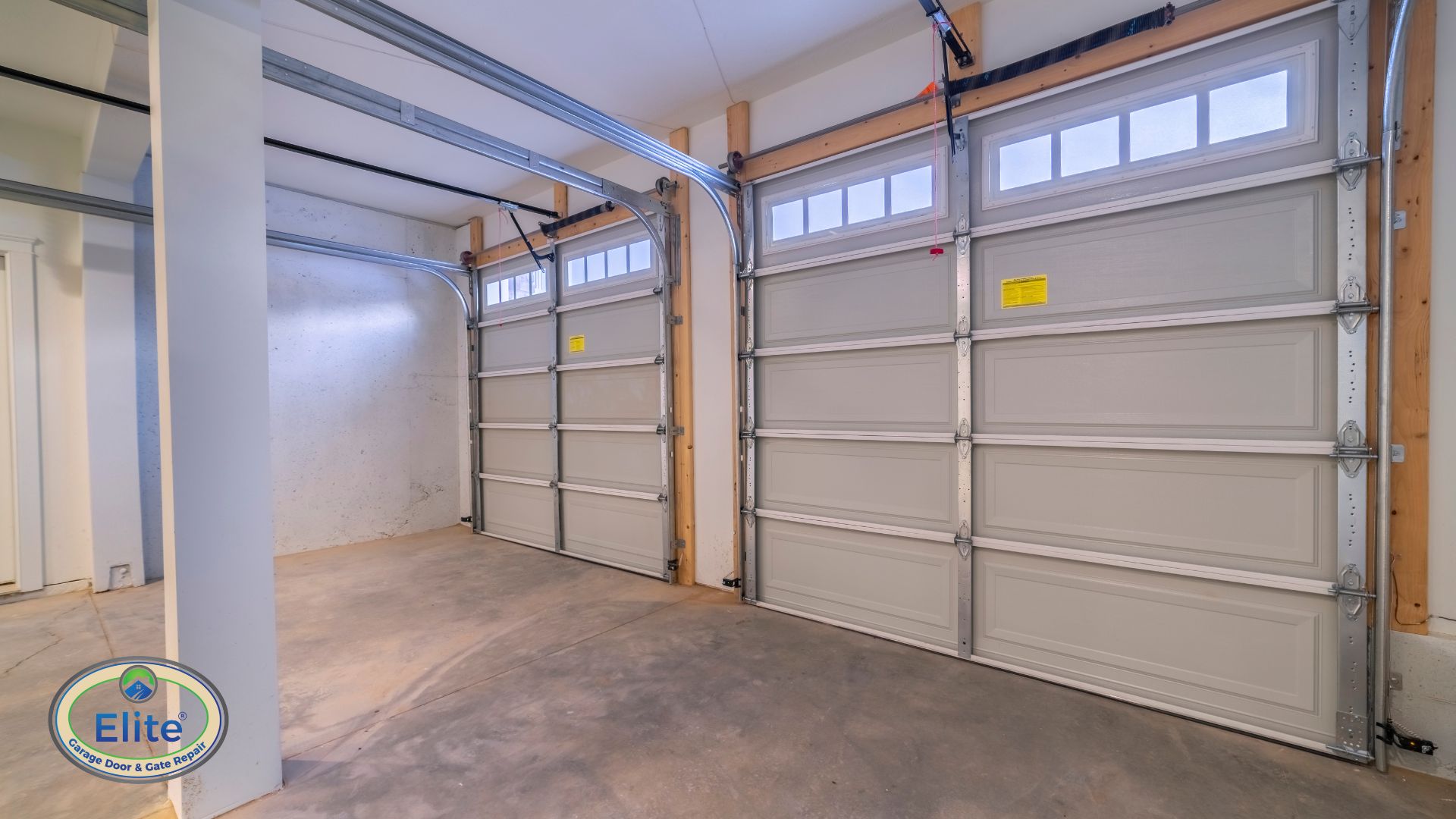
The easiest check is to disconnect the opener and lift the door manually. If it feels heavy, doesn’t stay halfway open, or drops quickly, the door is out of balance. In that case, the correct step is restoring balance through Garage Door Spring Repair before installing or relying on a new opener.
The First Thing To Check Is Door Balance (Not The Opener)
Old Hardware Can Make A New Opener Feel “Weak”
Even if the springs are fine, old door hardware can create drag. Worn rollers, dry hinges, bent tracks, and tired bearings increase friction. That friction makes the opener work harder, which can cause noisy operation, slower travel, and premature wear on gears and electronics.
Many homeowners install a new opener expecting the whole system to feel smooth and modern, then they’re disappointed because the door still sounds rough. That doesn’t mean the opener was a bad purchase. It usually means the door hardware is still the weak link.
If rollers are worn, this is the most direct internal link for that upgrade: Replacement Rollers.
And if you want to improve overall performance and reduce friction system-wide, Garage Door Maintenance is what keeps an old door from dragging a new opener down.
Safety Matters More With Older Doors
Older garage doors can have outdated safety setups. Some older doors are heavier, less rigid, or more likely to flex. Some have older track systems or lack certain reinforcement that modern opener installations benefit from.
A new opener has modern safety requirements. That includes properly aligned safety sensors and correct force settings. If the door is old and unpredictable, it can trigger safety reversals or cause inconsistent closing.
If your current issue is that the opener is acting odd or refusing to operate consistently, this FAQ can help you understand the safety-related reasons behind it: Why Will My Garage Door Opener Not Operate.
When Installing A New Opener On An Old Door Is A Great Idea
It makes perfect sense when:
- The door is structurally solid and not damaged
- The door is properly balanced and moves smoothly by hand
- Tracks and rollers are in decent condition or are being serviced
- You want quieter operation, better reliability, or smart features
- The old opener is failing but the door is still worth keeping
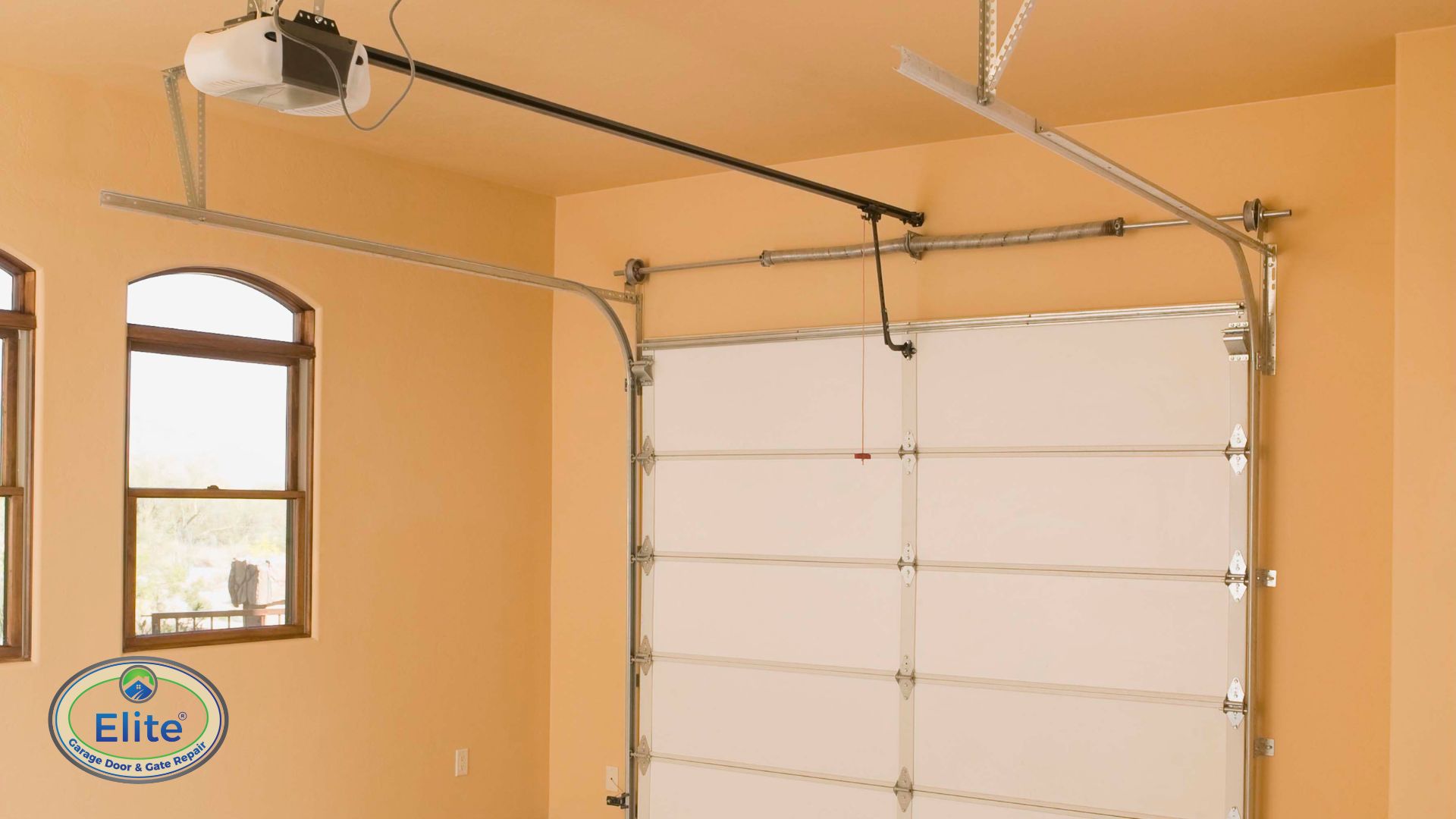
In these situations, installing a new opener can be one of the best value upgrades because you get modern function without the cost of a full door replacement.
If you need professional help selecting or installing the right opener setup for your door, Garage Door Opener Repair is the correct internal service page for this topic.
When Installing A New Opener On An Old Door Is A Great Idea
When It’s A Mistake (And What To Do Instead)
It’s usually a mistake when the door is heavy, sticking, off-balance, or structurally deteriorated. A new opener will not fix those problems, it will suffer from them. You might get a few months of “better” operation, then you start seeing stalling, reversals, loud noises, or electronics strain.
In those cases, it’s smarter to invest in the door system first. Sometimes that means springs, rollers, and track correction. In other cases, it means the door itself is near the end of its life and should be replaced.


Leave A Comment