
I’ve worked on hundreds of garage doors in Seattle townhomes and condos, and noise complaints are among the most common issues I encounter. Shared walls amplify every sound, and what seems like a minor rattle to you can travel directly into your neighbor’s living space. The good news is that most garage door noise problems are fixable without replacing your entire door.
In multi-family buildings throughout King County, garage door noise isn’t just annoying. It creates tension between neighbors and can even violate HOA noise ordinances in communities like Ballard, Capitol Hill, and Bellevue.
Garage doors in attached housing are louder because vibrations transfer through shared walls, floor joists, and ceiling structures. When your opener motor runs or your door rattles along its tracks, those vibrations don’t have anywhere to dissipate like they would in a detached garage.
The problem intensifies in newer Seattle construction where builders sometimes prioritize cost over sound isolation. I’ve seen townhomes in Redmond and Kirkland where garage walls share studs with living spaces, creating a direct sound pathway.
Pacific Northwest humidity also plays a role. Our constant moisture causes wood components to swell and metal parts to develop surface rust, both of which increase friction and noise. This same moisture impacts How Paint And Stain Finishes Hold Up On Garage Doors in our climate.
What Causes Most Garage Door Noise in Multi-Family Homes?
How Can You Reduce Garage Door Noise Right Now?
Should You Upgrade Your Opener to Reduce Noise?
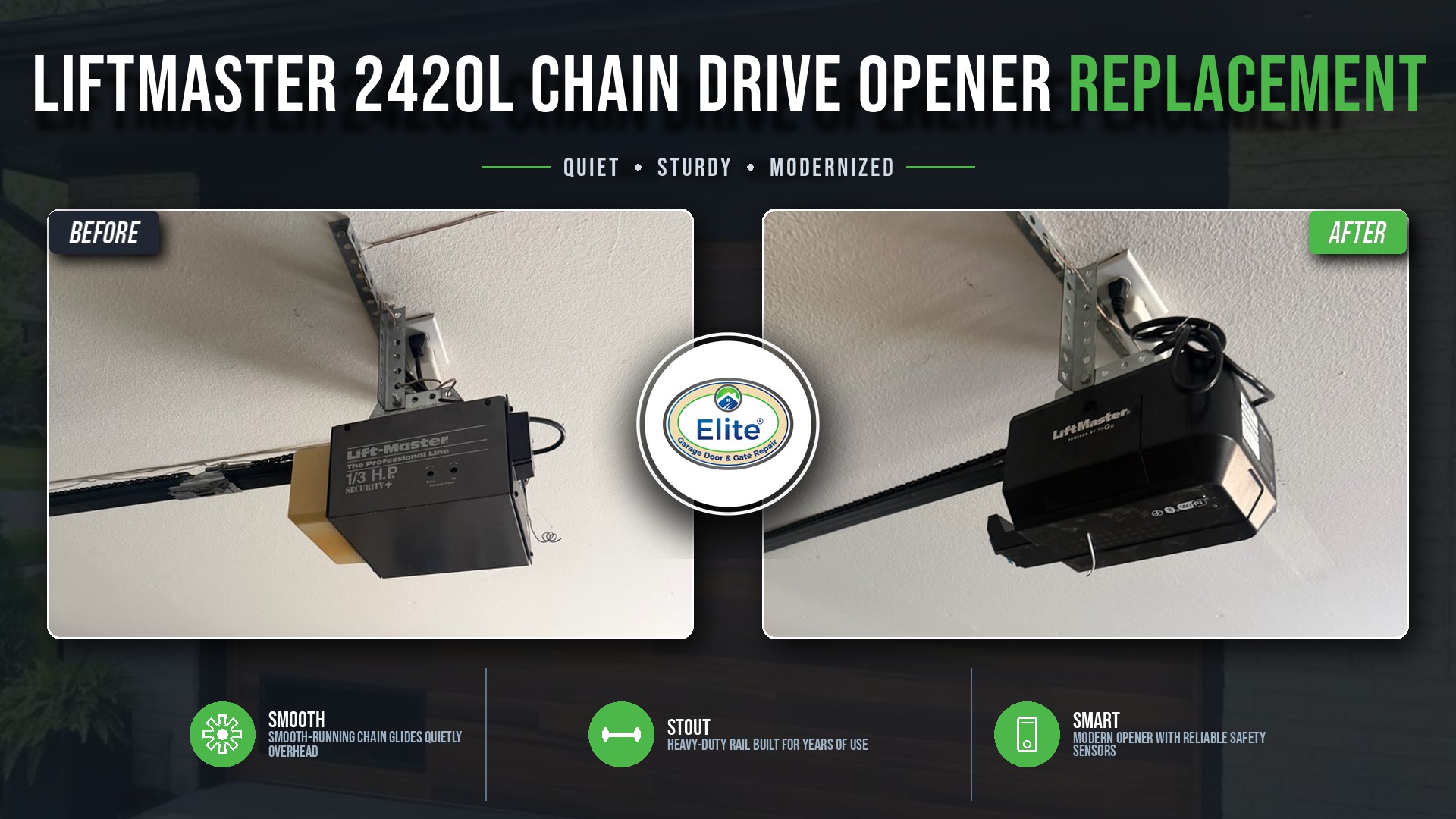
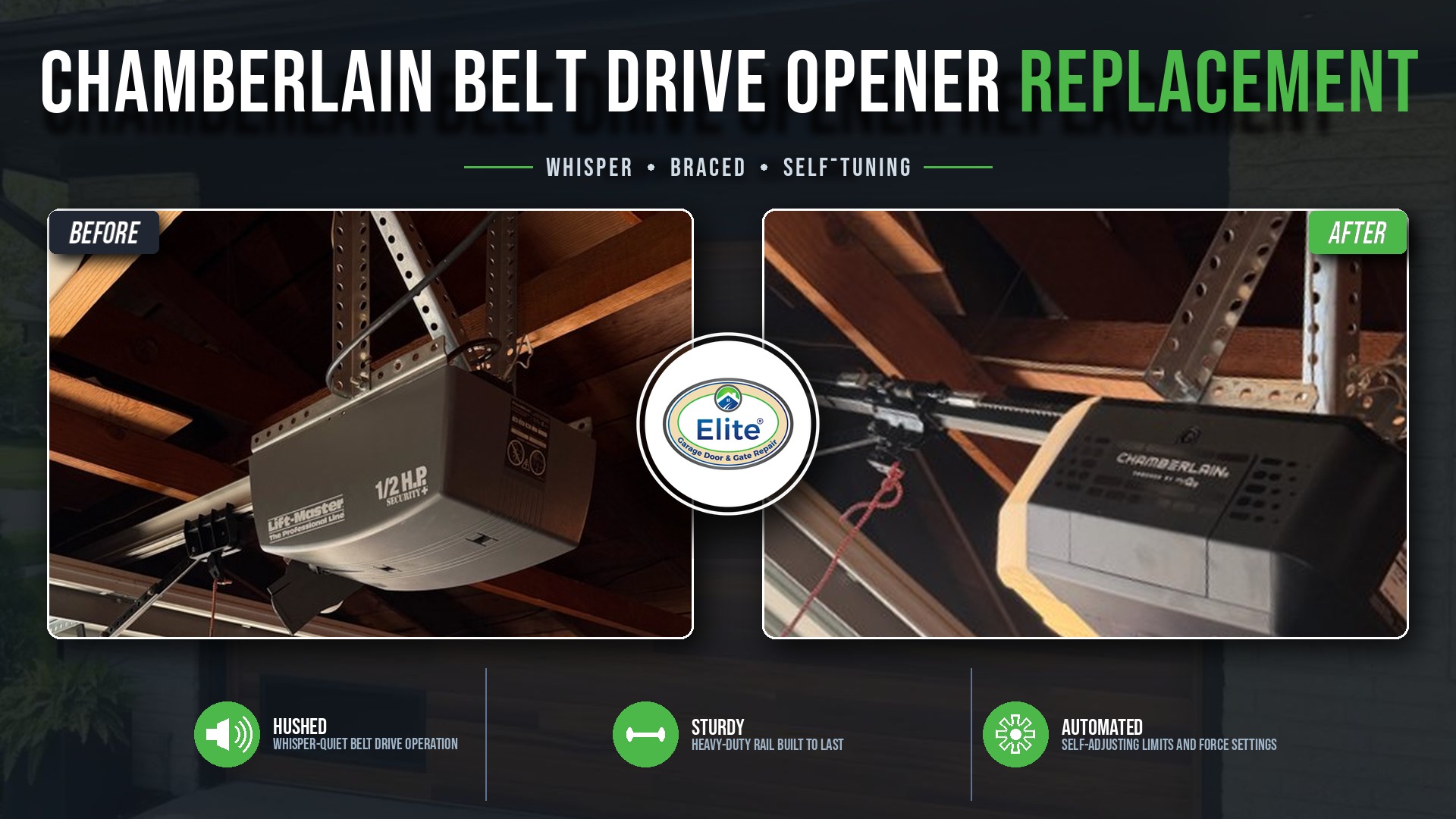
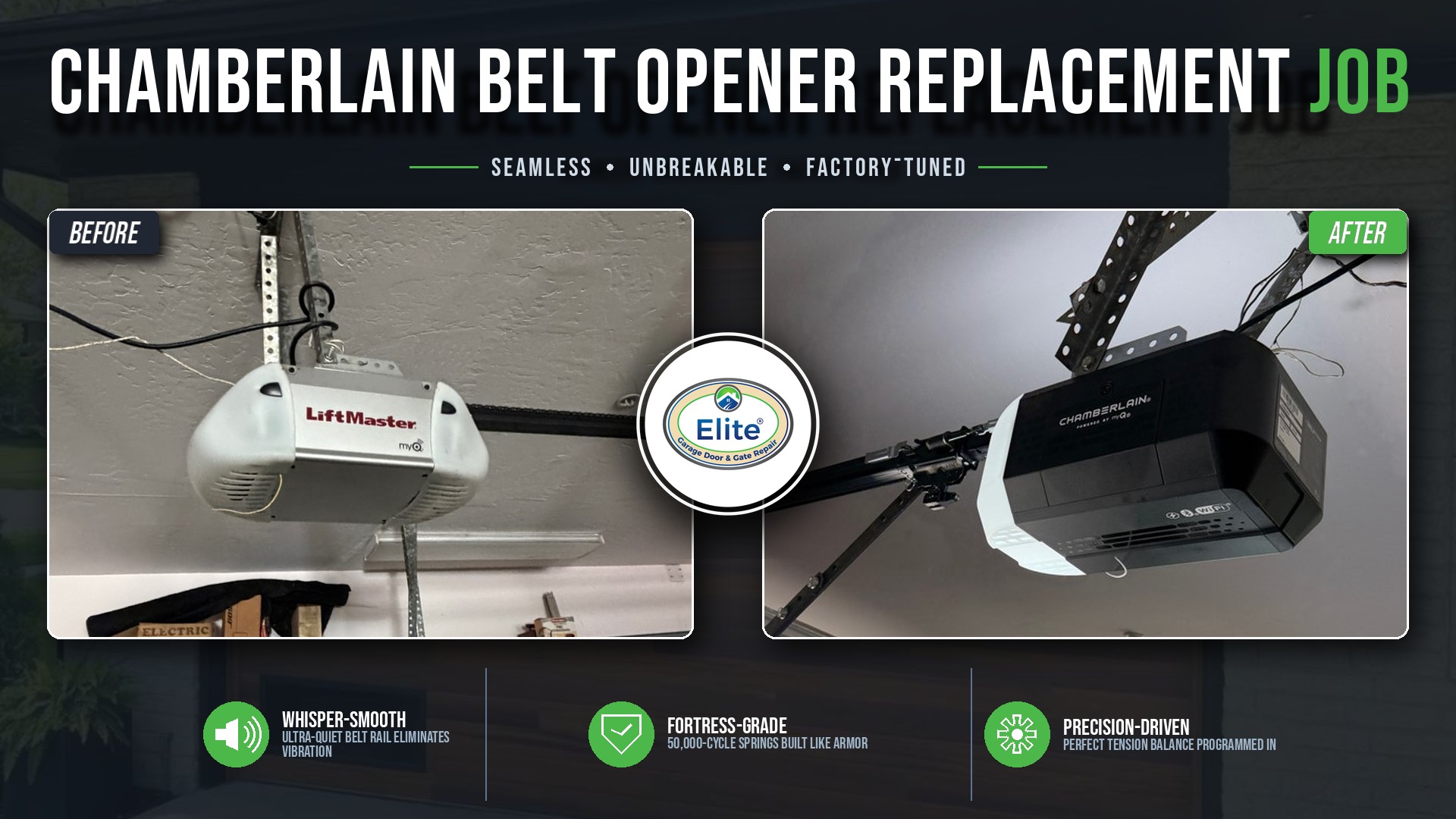
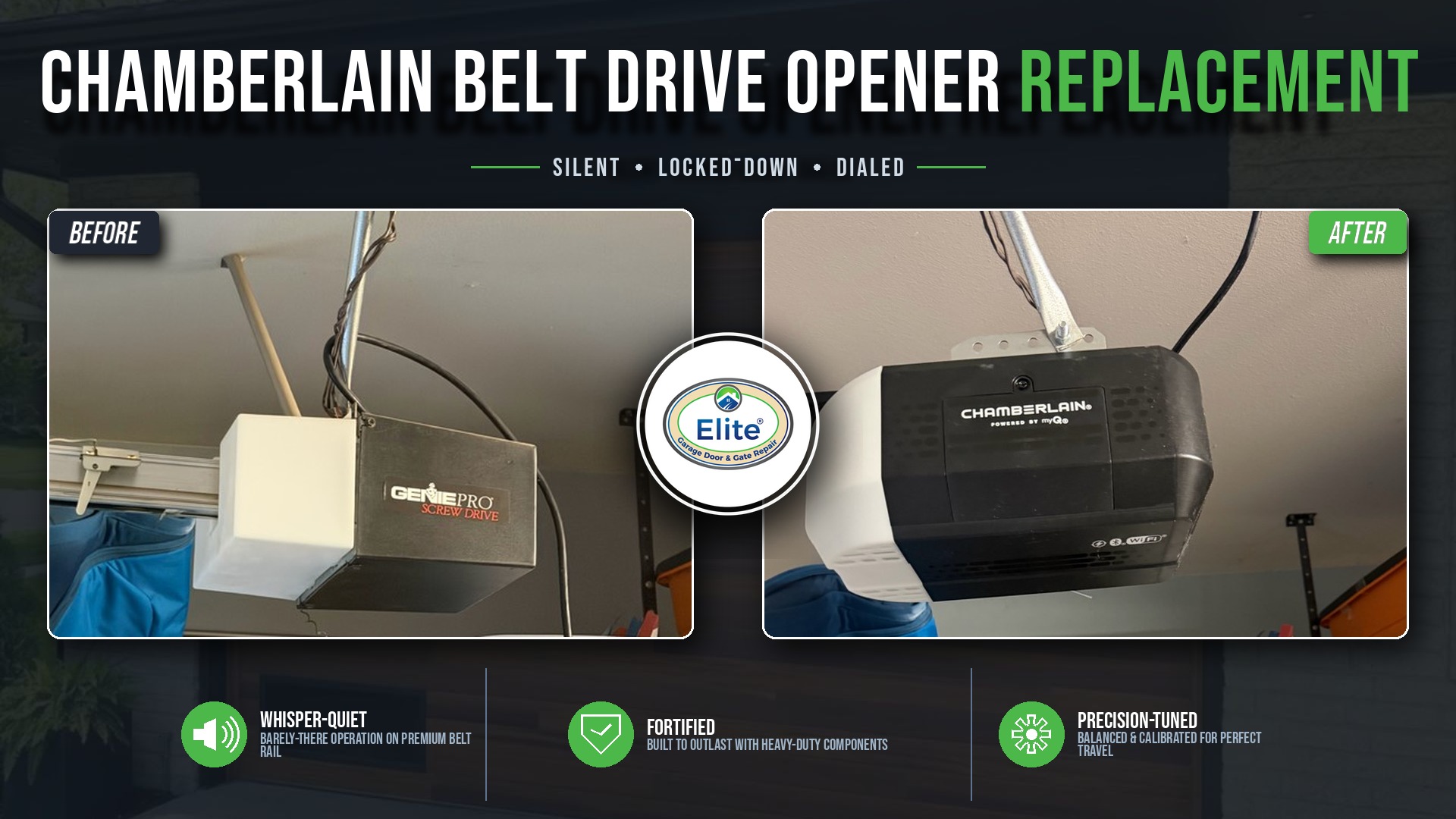
Yes, if you have a chain-drive opener that’s more than 10 years old. Modern belt-drive or direct-drive openers operate almost silently, which matters tremendously in townhomes with shared walls.
I recommend belt-drive openers for nearly all my condo clients in areas like Queen Anne and Fremont. The noise reduction is dramatic, and many HOAs actually require quieter openers in their CC&Rs.
Wall-mounted openers eliminate ceiling vibration entirely by attaching to the wall beside the door. These are ideal for condos where the garage ceiling connects directly to upstairs living spaces. If you’re considering a complete upgrade, explore options for Installing A New Garage Door designed for quiet operation.
Get Professional Help for Persistent Noise Issues
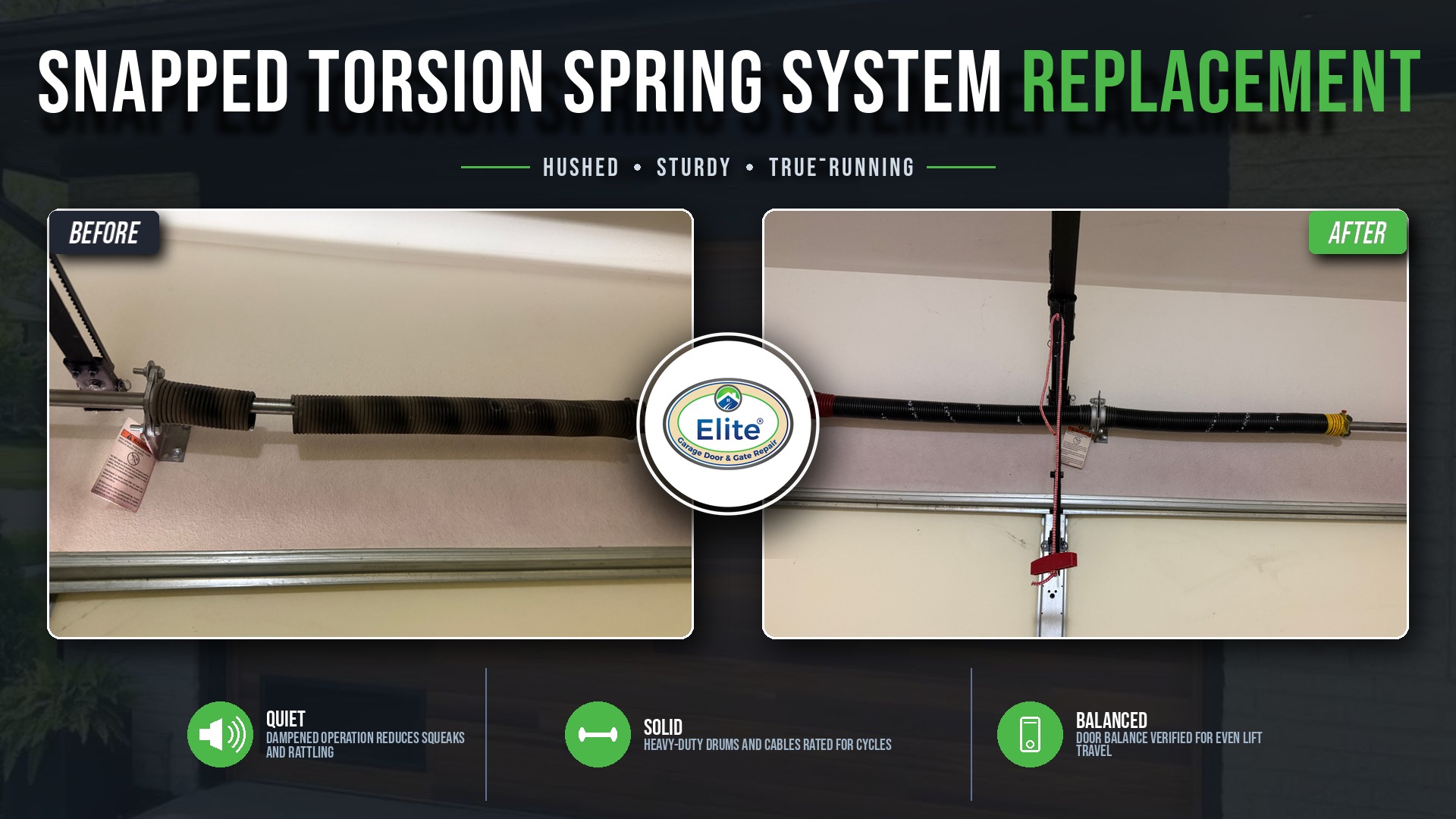
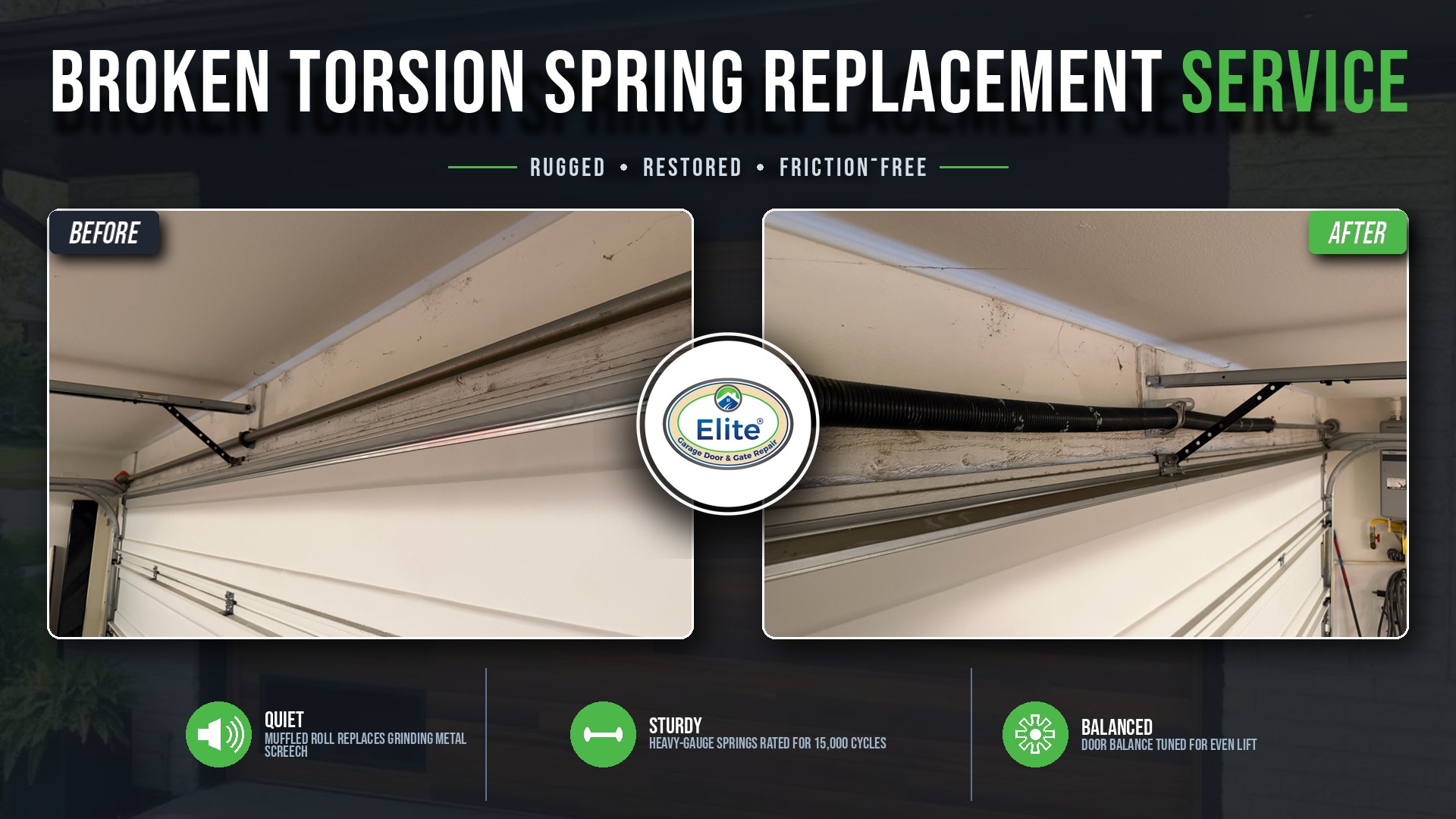
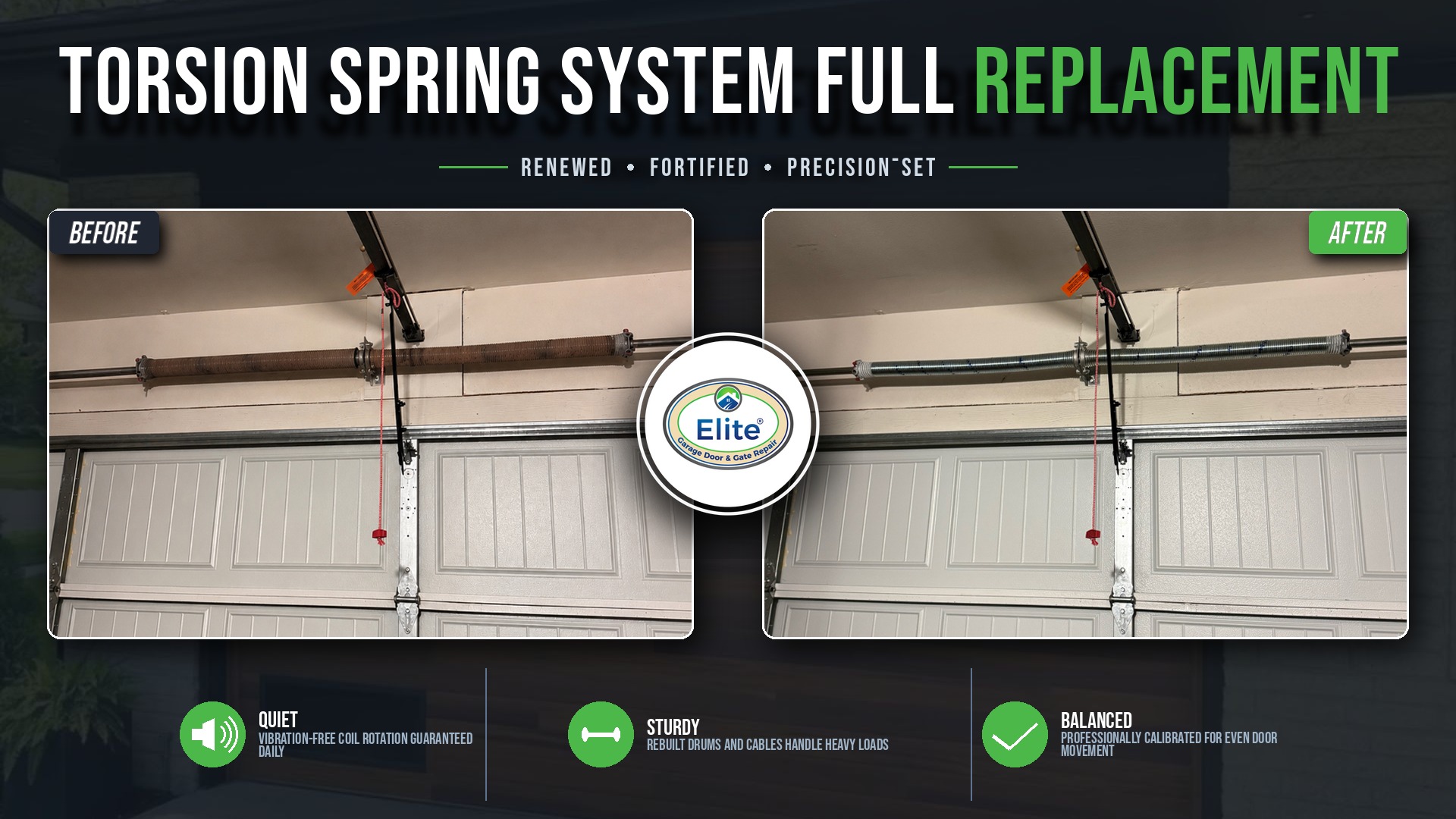
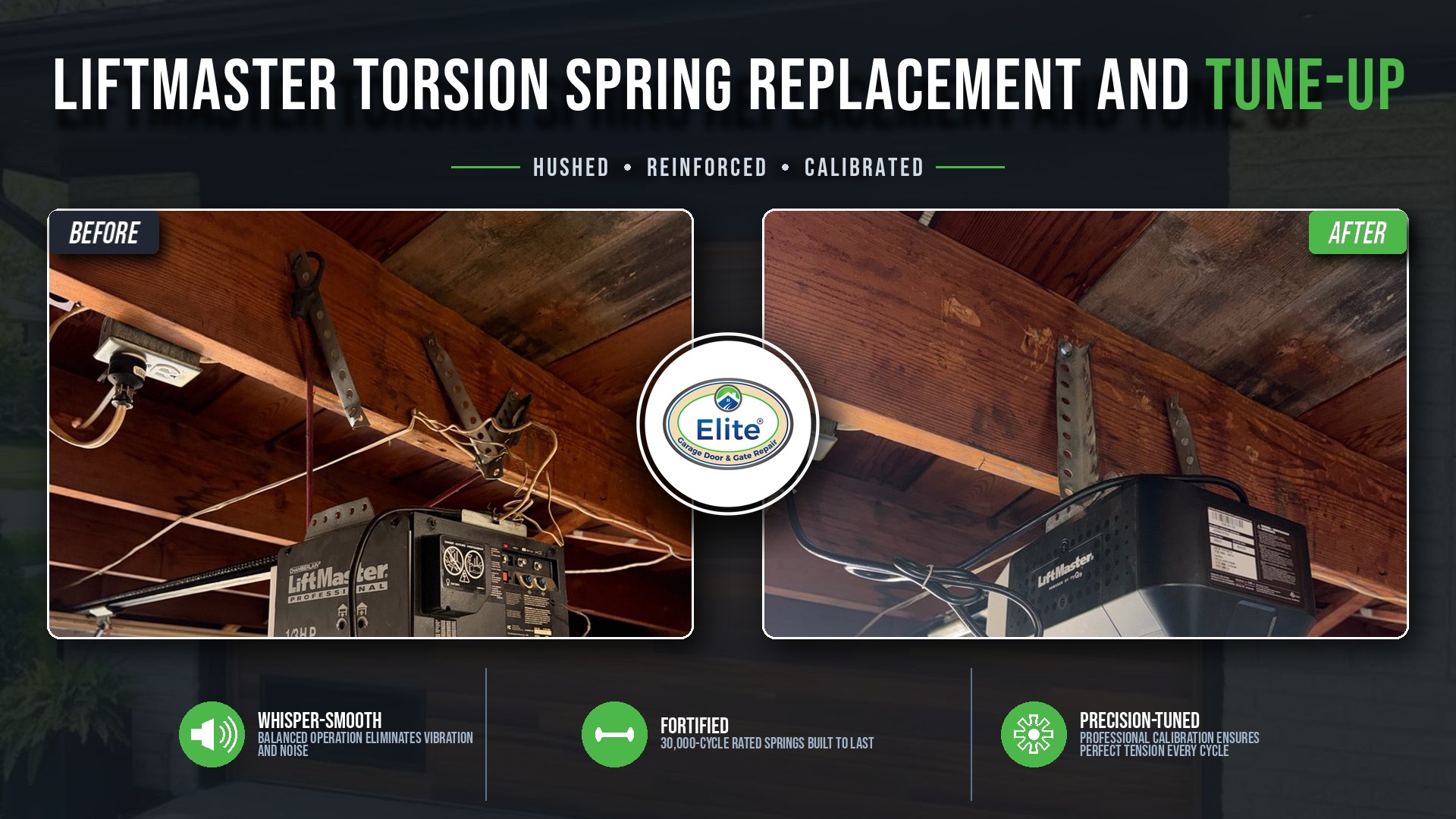
Some noise problems require professional diagnosis. Bent tracks, failing springs, or misaligned doors won’t respond to basic fixes and can actually become dangerous if ignored. Learn more about Garage Door Safety to understand potential hazards.
Our team at Elite Garage Door & Gate Repair has solved noise problems in townhomes and condos throughout the Puget Sound region. We understand how sound travels in multi-family construction and know which solutions work best for Seattle’s unique housing styles. If your garage door is creating friction with your neighbors and you’re wondering about Permit Requirements For Garage Door Work In Seattle, contact us for a thorough inspection and lasting solutions.