
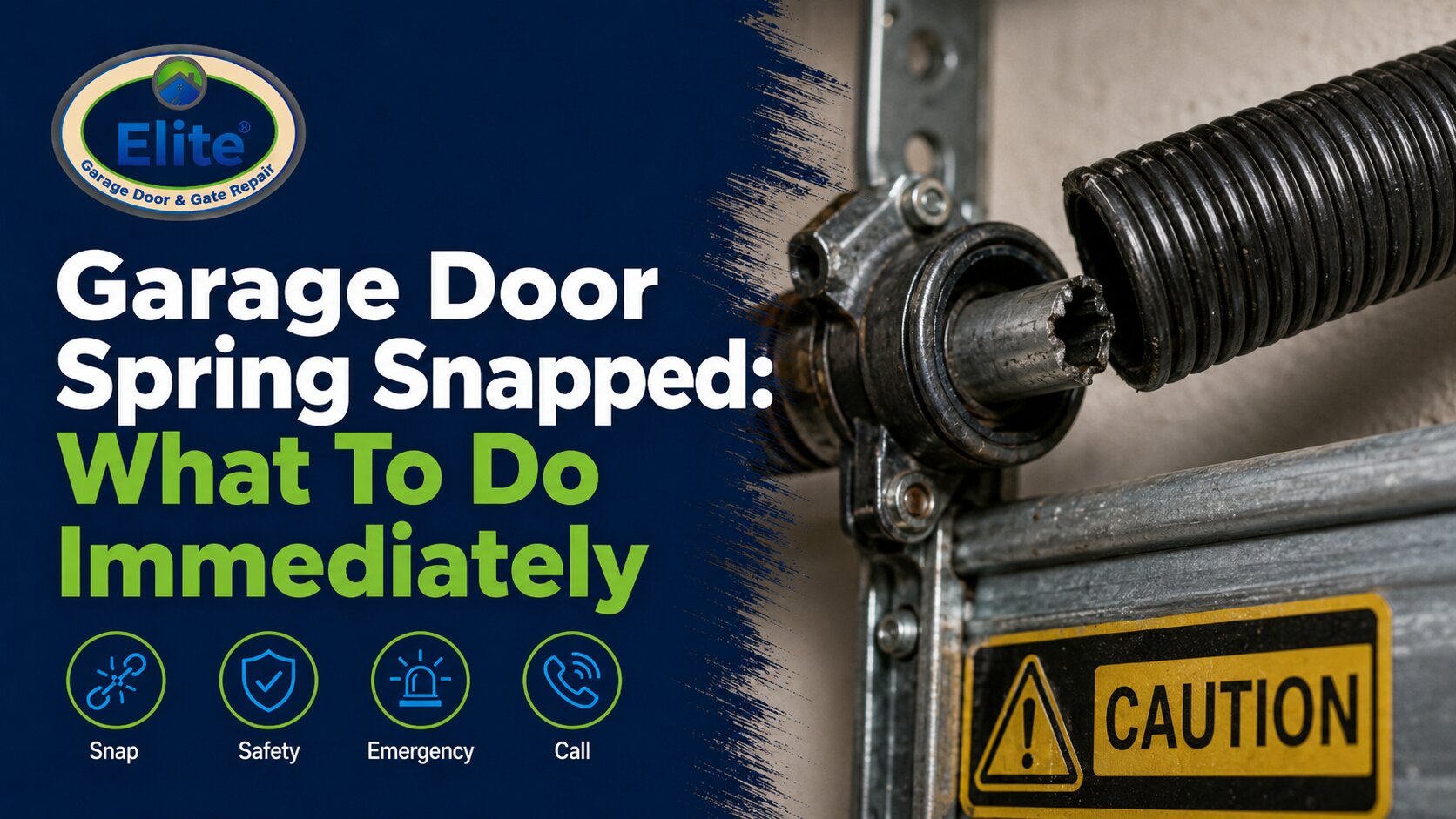
A garage door spring snapping is one of those moments that instantly gets your attention. Most people describe it the same way: a sudden loud bang that sounds like something fell or cracked, followed by a garage door that either will not open at all or feels shockingly heavy. It can happen in the middle of the day or in the middle of the night, and either way it creates the same problem. You need to know what to do next, quickly, without making the situation worse.
When a spring snaps, the door is no longer properly supported. Springs are the counterbalance system that controls the weight of the door. Once that tension is gone, the door becomes unpredictable. That is why the first steps after a spring breaks are about safety and preventing additional damage.
Step One: Stop Using The Door And Keep The Area Clear
The most important immediate action is simple. Stop using the door.
Do not keep pressing the remote. Do not try to “help” the opener lift it. Do not try to force the door open by yourself. A snapped spring changes the forces in the system, and continuing to operate the door can cause sudden movement, cable problems, or opener damage.
If the door is in motion when the spring breaks, it may slam down quickly. If it is open, it may be difficult to keep stable. Either way, the area around the door should be cleared. Keep children and pets away. Do not stand underneath the door or near the tracks.
At this stage, your goal is not to troubleshoot every detail. Your goal is to prevent injuries and stop the system from taking on more damage.
Step Two: Confirm It Is A Spring Issue Without Touching Anything
Homeowners often ask how to confirm that the spring is the cause. You do not need to touch anything to make a reasonable assessment.
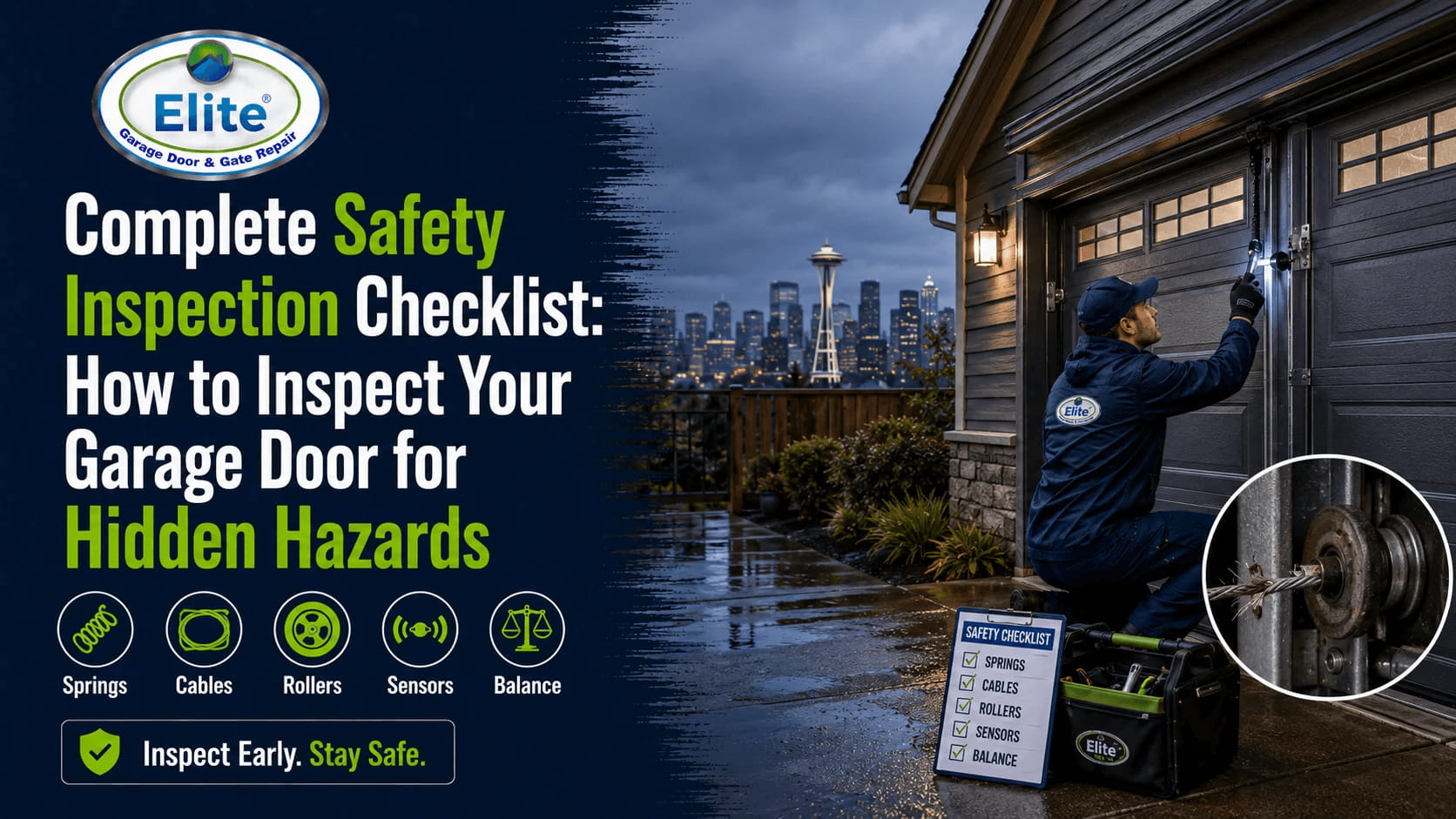
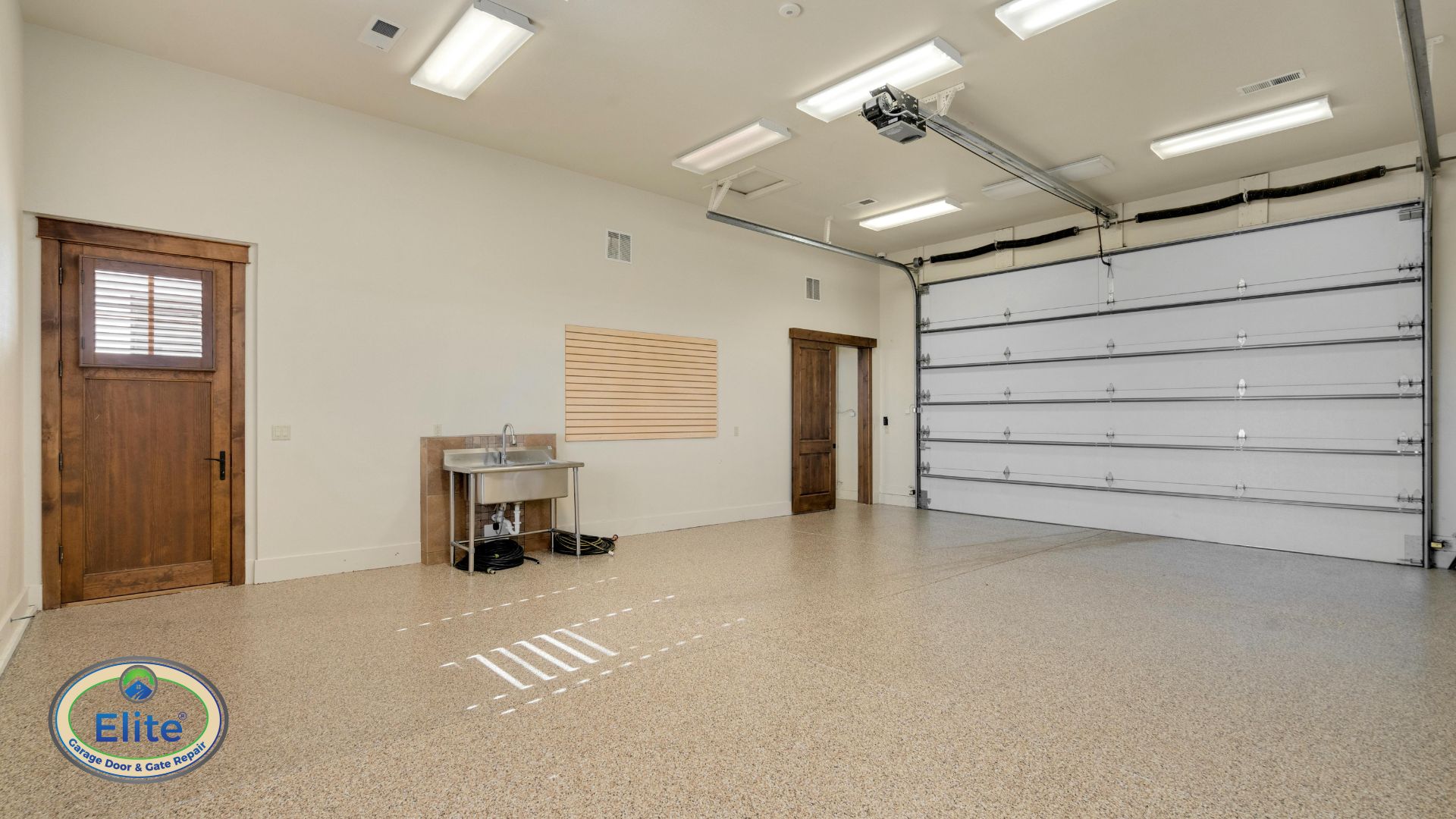
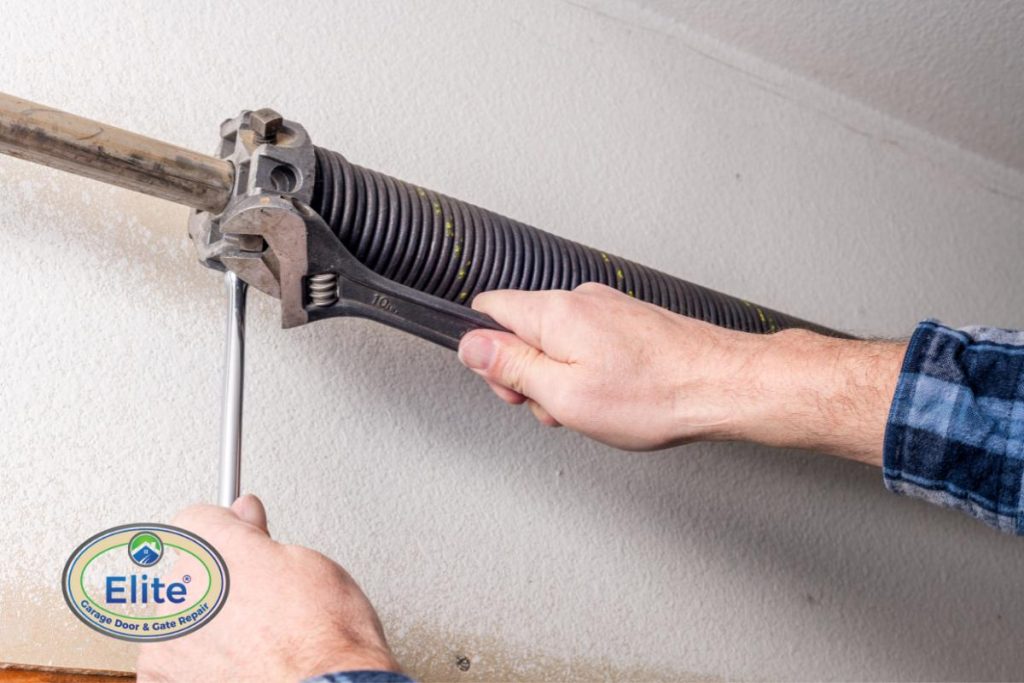
A snapped torsion spring usually shows a visible gap in the spring coil above the door. The door may feel extremely heavy if you try to lift it manually. The opener may hum, strain, or stop immediately. In some cases, the door will lift a few inches and then refuse to move.
If you want a clear checklist of signs that point to broken springs, this guide is a useful reference: 9 Signs Broken Garage Door Springs
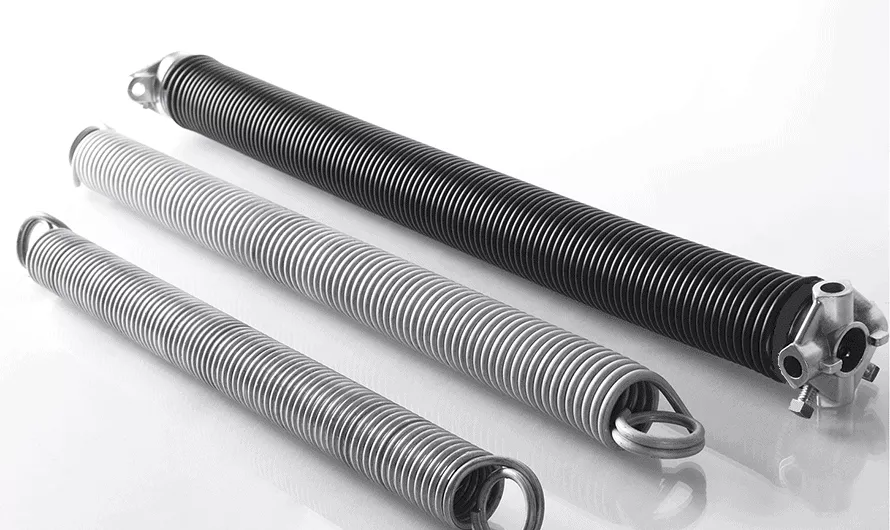
You may also want to understand the difference between spring setups, because the door can behave differently depending on the system you have: Torsion Springs Vs Extension Springs
One important note is that cables can look suspicious after a spring breaks. They might appear loose, uneven, or shifted. That does not necessarily mean the cable is the original failure. Springs often fail first and then the cable tension changes as a result.
Step Three: Do Not Try To Lift With The Opener
Garage door openers are not designed to lift the full weight of the door. They are designed to move a balanced door. When a spring snaps, the opener is suddenly asked to do far more work than it was built for. Some openers will refuse to lift at all. Others will strain, lift partially, or trigger safety shutdown.
Trying repeatedly can burn out the motor, strip internal gears, or bend the rail and mounting points. Even if the opener manages to lift the door, the movement may be uneven and unsafe, increasing the risk of the door jamming or dropping.
If you suspect the opener has already been strained, you may need Garage Door Opener Repair in addition to spring service, but the priority remains correcting the spring and restoring balance first.
Step Four: If You Must Open The Door Once, Do It Carefully And Only If It’s Necessary
Sometimes a spring breaks and a vehicle is trapped inside. Homeowners often ask whether they can open the door one time just to get the car out. In some situations, that is possible, but it should never be treated as normal operation.
Even if you manage to open it once, do not continue using it. A snapped spring means the door is not safe to operate until properly repaired and balanced.
Once you are past the immediate need, the next step should be professional Garage Door Spring Repair to restore safe function.
Step Five: Call For Spring Repair And Expect A Full Balance Check
Spring replacement is not simply swapping out one broken part. A proper repair includes restoring correct balance for the door weight, checking the lift system, and making sure the door operates smoothly without placing stress on the opener.
In many cases, technicians recommend replacing both springs if your system uses two springs, even if only one broke. That is because springs wear together. If one failed due to cycle fatigue, the other is often close behind.
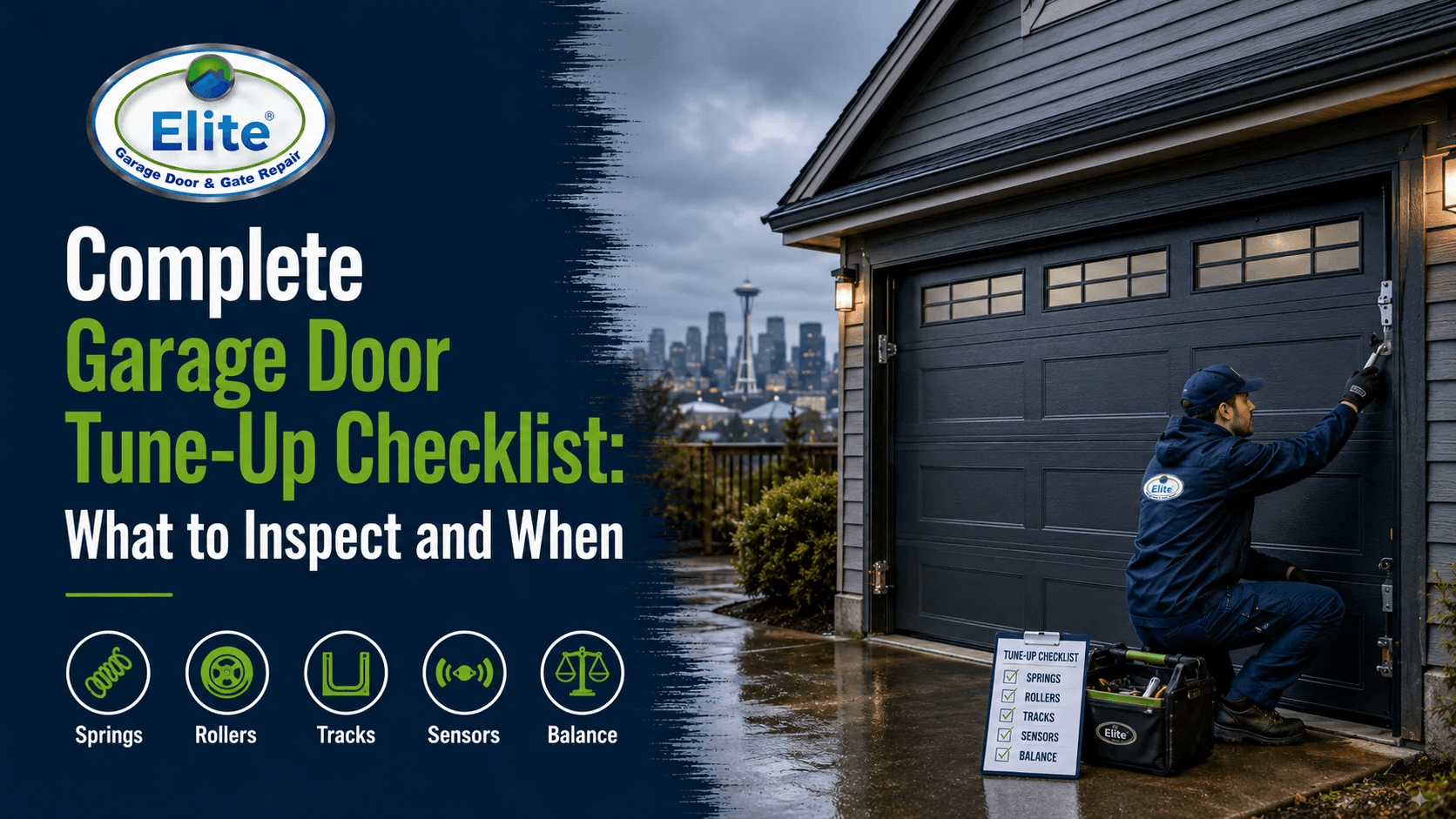
You should also expect the technician to check related components that affect spring performance. These can include cables, drums, and bearings. If any of those parts are worn, they can shorten the lifespan of the new springs or cause uneven door movement.
Routine Garage Door Maintenance also plays a role here. A door that runs smoothly and is kept properly lubricated tends to place less stress on the spring system over time.
If you want a practical overview of what spring service commonly includes, this FAQ explains what should be addressed during repair: Spring Repairs For Damaged Garage Doors